Performance-Based Facebook Ads Agencies: How They Really Work
Meta Ads
May 19th, 2025
Table Of Contents
"Pay only for results” is one of the most appealing pitches in digital marketing, which is exactly why the term “performance-based” gets attached to so many Facebook ads agencies. Some genuinely tie their pay to your results. Many just borrow the language. This guide explains how the model actually works, the compensation structures you will run into, the catches nobody advertises, and how to tell whether a performance-based agency is the right move for your business.
What is a performance-based Facebook ads agency?
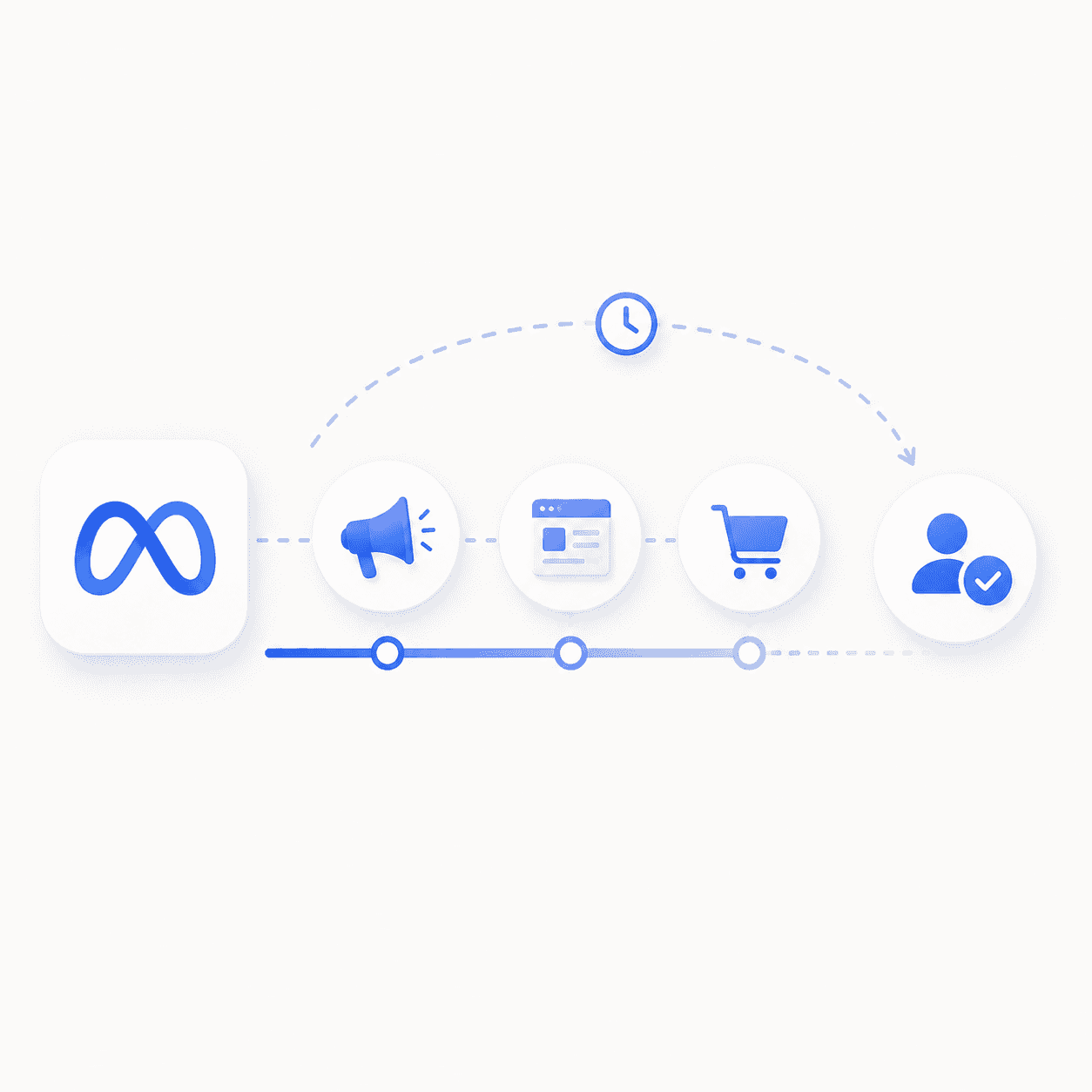
A performance-based Facebook ads agency ties its compensation to measurable outcomes, such as leads, sales, or return on ad spend (ROAS), rather than charging a flat fee for activity. Instead of paying a fixed retainer whether or not the campaigns work, you pay based on what the agency actually delivers. The idea is to shift risk from you to the agency, since they only earn well when your campaigns do.
How performance-based agencies charge
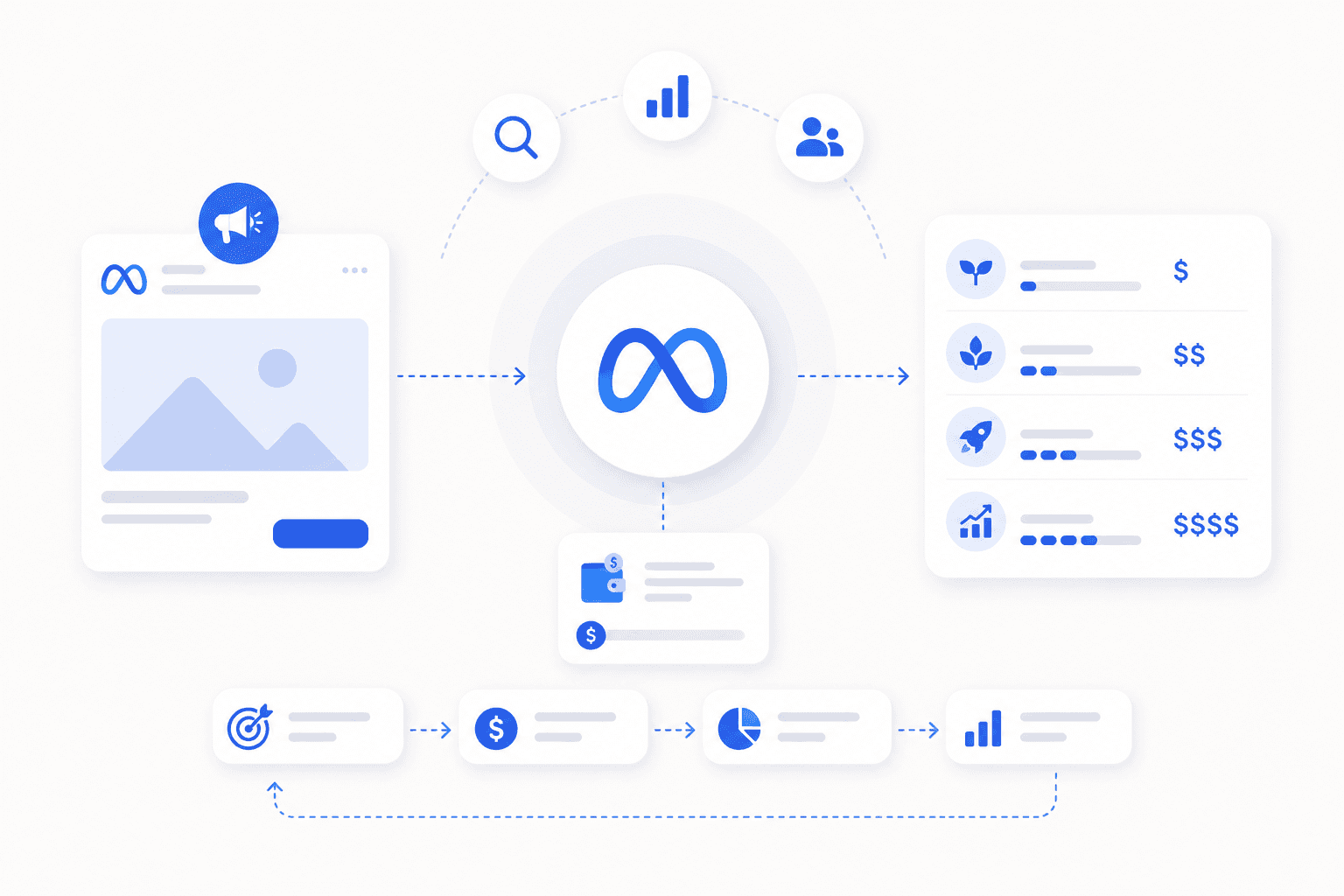
“Performance-based” covers several different compensation structures. These are the ones you will actually encounter, and your ad spend is always separate from all of them, flowing straight to Meta:
Structure | How it works | Typical numbers |
|---|---|---|
Cost per lead (CPL) | You pay a fixed amount per qualified lead | Often $50 to $200+ per lead, by industry and lead definition |
Cost per acquisition (CPA) | You pay a set amount per sale or signup | Priced to your target CPA and margin |
Percentage of ad spend | A management fee scaled to your budget | Usually 10 to 20% of spend |
Percentage plus bonus | A base percentage, plus a bonus when CPA or ROAS targets are hit | The most common “performance” structure |
Revenue share | The agency takes a cut of attributed revenue | Commonly 3 to 10% of tracked sales |
Hybrid | A base retainer that funds the work, plus performance bonuses | The most reliable structure in practice |
The cleanest of these is cost-per-lead pricing: you and the agency agree on what a qualified lead is, such as a completed form from someone in your service area or a call lasting more than two minutes, and they get paid per lead that meets the bar. The hardest part is always the definition. If “qualified” is loose, you end up paying for junk.
For the full breakdown of agency pricing beyond performance deals (retainers, budget tiers, in-house versus agency), see our guide to choosing a Meta ads agency.
The catch: why “pay only for results” is rarely that simple
Performance-based pricing sounds like it removes your risk. In practice it moves the risk around, and it creates a few problems worth understanding before you sign:
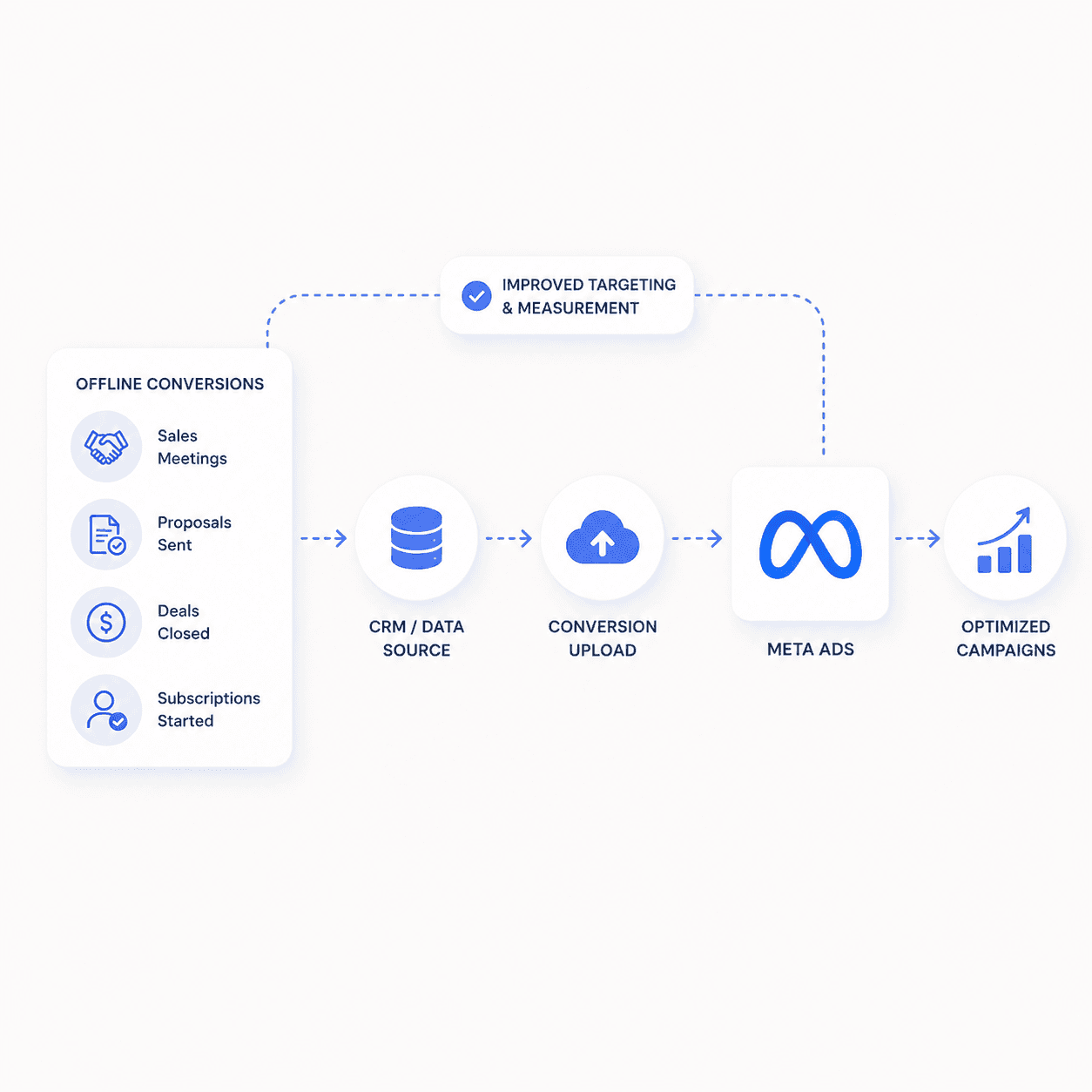
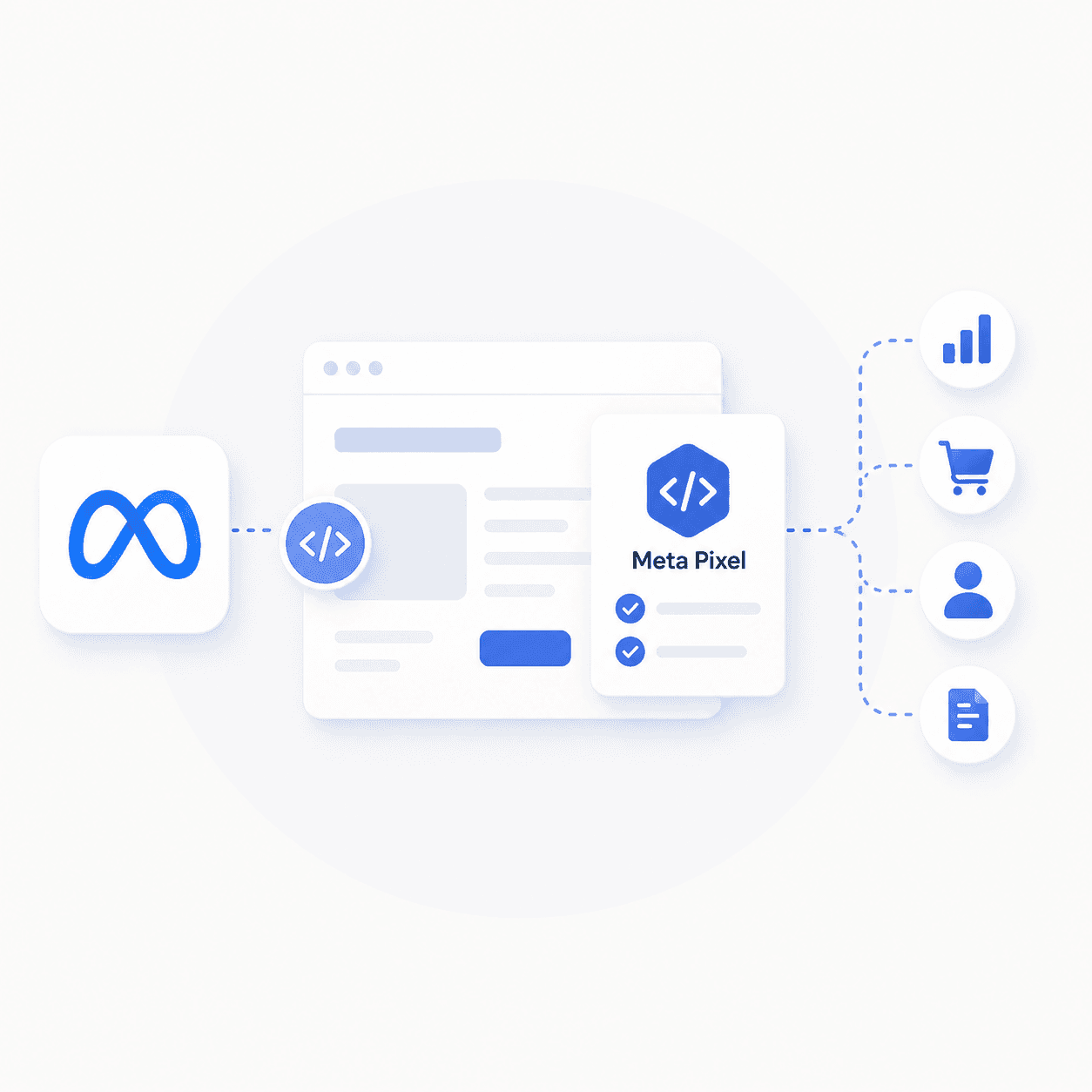
Someone has to define and measure a “result.” That is where these deals get messy. If the agency counts a conversion its own way, or runs tracking you cannot audit, you are paying against numbers you do not control. Always keep ownership of your ad account, your pixel, and your Conversions API setup.
The risk gets priced in. An agency taking on your risk will charge for it. Pure-performance deals usually carry higher effective rates than a straightforward retainer, because the agency has to cover the accounts that do not work out. “Only pay for results” almost always means paying more per result.
They cherry-pick. Agencies offering pure-performance deals are selective for a reason. They take proven offers with clean funnels and predictable economics and pass on anything risky. If your business is early or your tracking is messy, the agencies most willing to go pure-performance are often the ones to be most careful with.
The incentive can misalign. An agency paid per lead optimizes for lead volume, not quality or lifetime value. One paid on last-click ROAS may starve the top of your funnel to protect a number. Whatever metric you tie their pay to becomes the metric they optimize, sometimes at the expense of the business.
This is why the most credible performance-based agencies are not pure-performance at all. They run a hybrid: a base fee that funds the real work, like creative production and account management, plus a bonus tied to the outcome that actually matters to you. It aligns incentives without pretending the risk disappears.
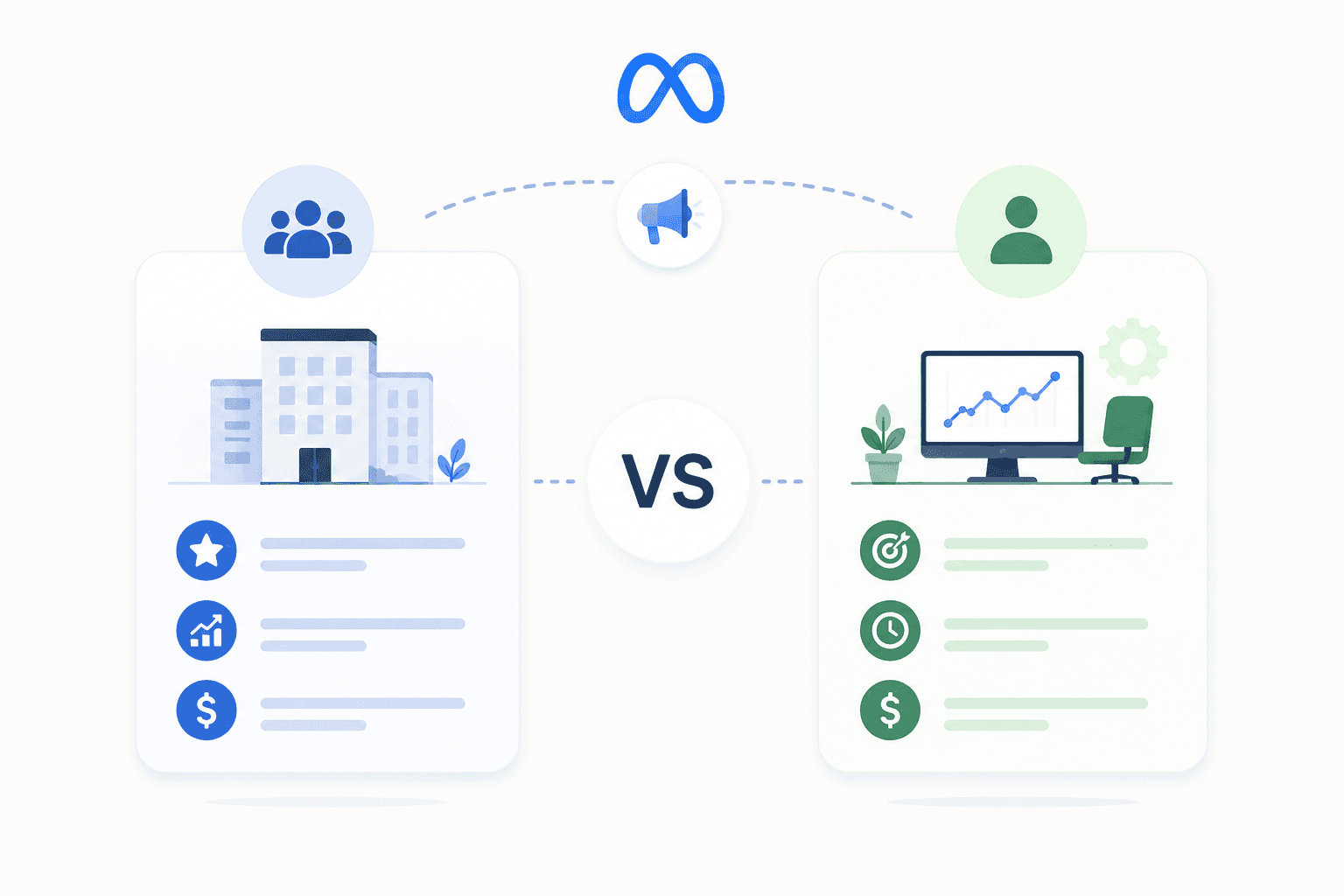
Does the performance-based model fit your business?
The model works well for some businesses and poorly for others, and knowing which you are saves a lot of money.
It tends to fit when you have a proven offer, a clear and trackable conversion (a form fill, a call, a purchase), clean attribution, and predictable unit economics. Local and lead-generation businesses often match this profile well.
It tends to struggle when you are an early-stage brand still finding product-market fit, your attribution is messy or spans long sales cycles, or you sell something where lifetime value rather than first purchase is the real number. Many ecommerce and subscription brands are better served by a ROAS-focused hybrid than by a pure cost-per-sale deal.
What “ROAS-focused” actually means
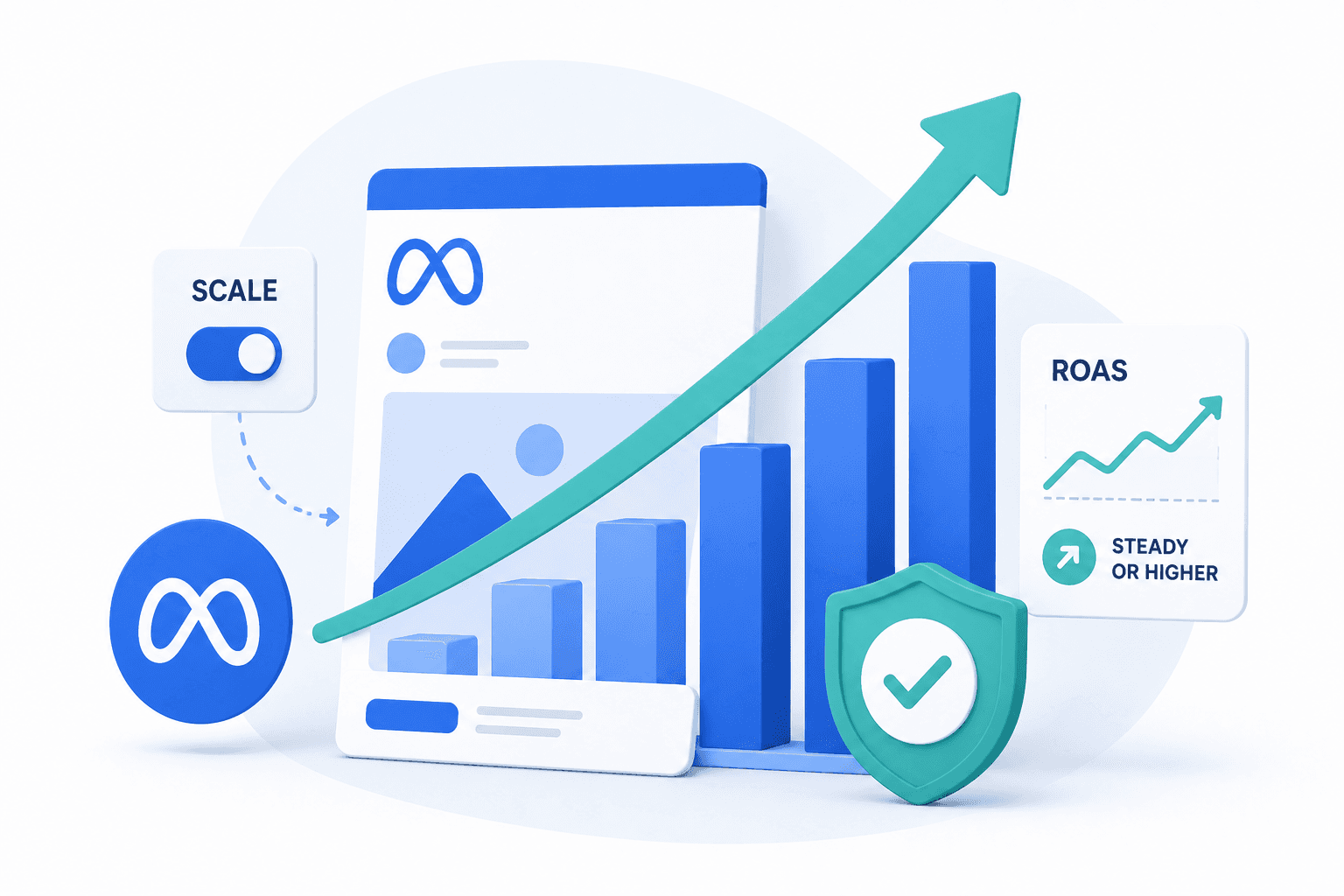
Whatever the pricing, the thing you actually want is an agency focused on ROAS: revenue per dollar spent. Being focused on ROAS is not about putting the number in a report. It is about using it to drive every decision, structuring accounts for efficiency, testing bids and creative, matching ad messaging to the landing page, cutting losers, and scaling winners only when they hold their targets. A genuinely ROAS-focused agency also watches blended ROAS and MER, not just in-platform numbers, because Meta's reported ROAS is not the whole picture.
What to check before signing a performance-based deal
The general checklist for vetting any agency (the questions to ask, the red flags, and how to read a proposal) lives in our guide to choosing a Meta ads agency. Here we focus on what is specific to a performance-based arrangement:
How a “result” is defined and measured. Get the exact definition of a qualified lead or a counted sale in writing, and make sure you can audit it. If you cannot see how the number is produced, you cannot trust what you are paying against.
Who owns the account, pixel, and data. Keep your name on the ad account and your Conversions API setup. In a performance deal this matters even more, because whoever controls the tracking controls the invoice.
What happens when targets are missed. A real performance structure has a clear floor and clear consequences. Vague terms tend to favor the agency.
Whether the pricing is honest about risk. Be wary of any “guaranteed ROAS” pitch that sounds too clean to be true, and of pure-performance quotes that hide a much higher effective cost.
If you would rather compare specific agencies than evaluate one, start with our roundup of the best Meta ads agencies.
How Flighted works
We are a performance agency in the sense that matters: ROAS is the priority from day one. We audit existing campaigns, rebuild around profitability, handle both creative production and media buying, and scale only when we know we can do it without blowing your margins. We are upfront that the most reliable structure is a hybrid rather than a too-good-to-be-true pure-performance deal, and we keep your account and your data in your hands.
If you want a team built around performance from day one, see our Meta ads agency services or book a call to talk through your account.
Frequently asked questions
What is a performance-based Facebook ads agency?
An agency whose pay is tied to measurable outcomes (leads, sales, or ROAS) rather than a flat fee for activity. The goal is to shift risk toward the agency, though in practice most structures blend a base fee with performance incentives.
How do performance-based Facebook ads agencies charge?
Common structures include cost per lead, cost per acquisition, a percentage of ad spend (usually 10 to 20%), a percentage plus a performance bonus, revenue share (often 3 to 10% of attributed sales), and hybrid retainer-plus-bonus models. Ad spend is always separate and goes to Meta.
Is a performance-based agency worth it?
It can be, if you have a proven offer, clean tracking, and clear unit economics. If you are early-stage or your attribution is messy, a pure-performance deal often costs more than it looks and can attract agencies optimizing for the wrong metric. A ROAS-focused hybrid is usually the safer structure.
Performance-based or retainer: which is better?
Neither is automatically better. A flat retainer is predictable but has no built-in accountability; pure-performance shifts risk but prices it in and can misalign incentives. A hybrid, a base fee plus a bonus tied to ROAS, tends to give you accountability and aligned incentives without the hidden costs of a pure-performance deal.