Meta Ads Strategy for Telehealth Brands: 2026 Compliance Playbook
Meta's November 2025 policy update didn't just add new rules for telehealth advertisers—it fundamentally changed how the platform handles health-related campaigns. Brands that built their acquisition strategy on standard Meta tactics are now watching CPAs climb while the targeting and optimization tools they relied on disappear.
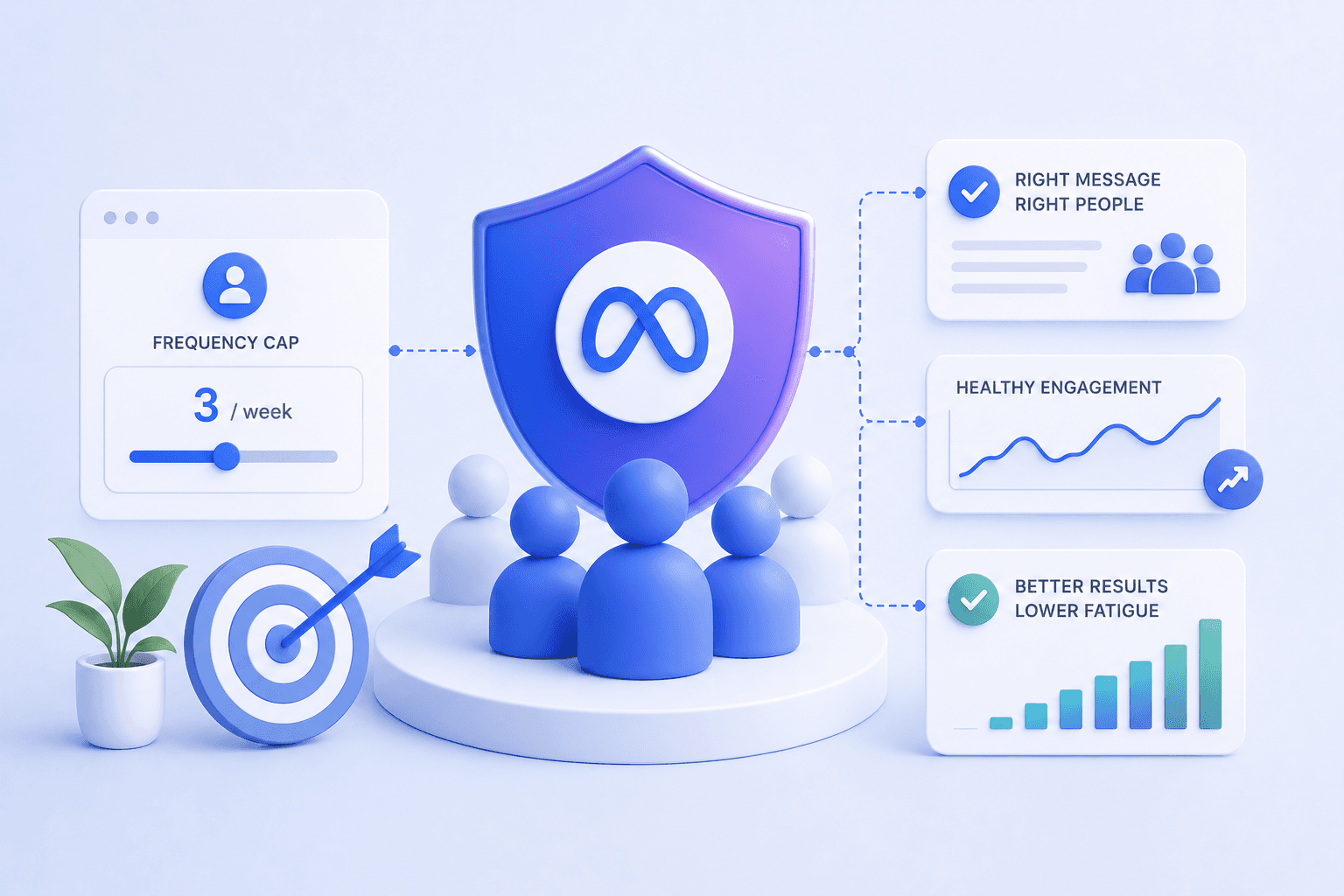
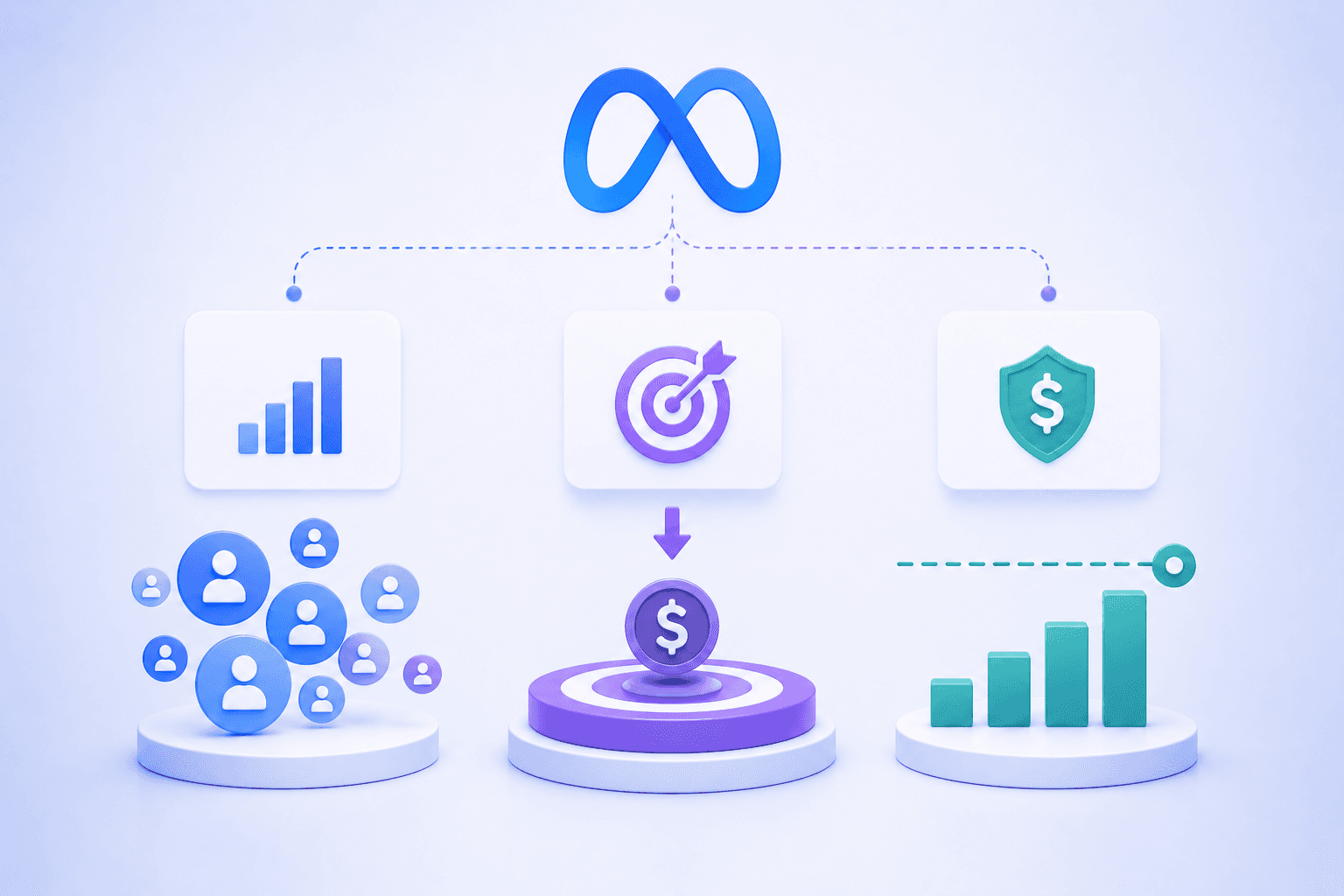
The new 3-tier restriction system determines what you can track, who you can target, and how effectively your campaigns can optimize. This playbook covers the policy changes, compliance requirements, creative strategies, and measurement approaches that telehealth brands need to run profitable Meta campaigns in 2026.
Key Takeaways
3-Tier Restriction System: Meta now categorizes health brands into tiers that dictate how much data (like Purchase events) can be shared and used for optimization.
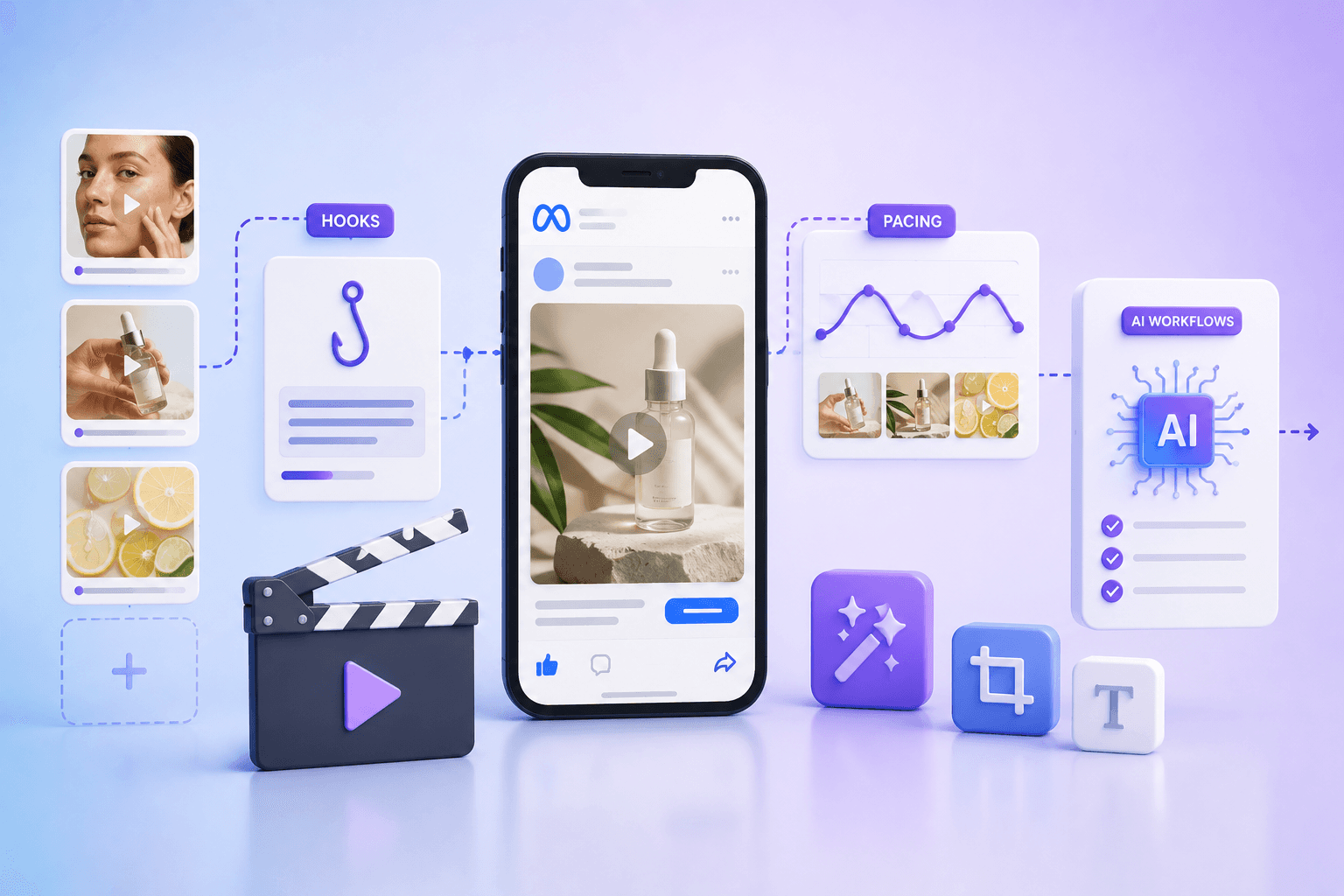
Creative as Targeting: With restricted audience tools, the ad creative must do the "heavy lifting" of qualifying patients using compliant, benefit-driven hooks.
Shift in Measurement: Platform-reported ROAS is increasingly unreliable; telehealth brands should prioritize Blended CAC and Marketing Efficiency Ratio (MER).
Compliance-First Scaling: Avoid aggressive budget jumps; scale in 15-20% increments every few days to prevent manual account reviews and flags.
Privacy-Safe Workarounds: High-growth brands should consider HIPAA-compliant tracking layers (e.g., Freshpaint) or server-side CAPI setups to maintain optimization signals.
This guide focuses specifically on Meta Ads strategies for telehealth brands. For a broader overview of Meta Ads strategies across industries, see our Meta Ads Strategy 2026 guide.
Meta Ads Policy Health Updates: What Changed in November 2025 and Why Telehealth Brands Must Adapt
A successful Meta ads strategy for telehealth in 2026 requires a compliance-first approach built around educational, benefit-driven creative rather than diagnosis-focused messaging. The November 2025 policy rollout introduced a 3-tier restriction system that changed how telehealth brands target, track, and optimize campaigns. Brands running the same playbook from 2024 are watching CPAs climb while conversion rates drop, and the platform mechanics are the reason.
Meta now classifies health advertisers into sensitive categories that limit data sharing, audience building, and optimization signals. This isn't a minor policy tweak. It's a structural change that touches everything from pixel tracking to creative approval to campaign optimization.
A High-Level Overview of the November 2025 Changes
Three core changes define the new landscape:
Stricter data-sharing rules: Meta restricts which conversion events telehealth brands can send back to the platform, limiting the signals available for optimization.
A new health categorization system: Every health advertiser gets assigned to one of three restriction tiers based on their service category.
Reduced optimization signals: Standard events like Purchase and Lead may be blocked entirely for higher-tier categories.
Which Telehealth Categories Face New Restrictions
The most affected categories include:
Mental Health: Therapy apps and psychiatry platforms.
Weight Management: Programs including GLP-1 prescribers.
Reproductive Health: Fertility and menopause care.
Primary care and general wellness typically face fewer restrictions. However, Meta can reclassify brands at any time, so even lower-risk categories benefit from building compliant foundations early.
How Policy Updates Impact Campaign Performance
Pixel and Conversions API signals become less reliable under the new restrictions, which means Meta's algorithm has less data to optimize against. The practical consequences show up quickly in account performance.
Higher CPAs as optimization degrades from reduced signal quality
Smaller retargeting pools due to restricted custom audience capabilities
Weaker lookalike audiences without quality seed data to build from
Longer learning phases as campaigns struggle to exit the learning period
How the 3-Tier Data Restriction System Works
The 3-tier system is the framework governing all telehealth Meta advertising. Which tier applies to your brand determines what's possible with targeting, tracking, and optimization.
Tier
Data Sharing Allowed
Optimization Capabilities
Example Categories
Tier 1
Full event data
All standard optimization
General wellness
Tier 2
Limited events
Restricted custom audiences
Telehealth consultations
Tier 3
Minimal/aggregated only
Severely limited targeting
Mental health, addiction
Tier 1: Full Optimization Access
Brands in Tier 1 can use standard pixel and Conversions API (CAPI) setups without restriction. General wellness, fitness coaching, and non-prescription health products typically qualify here. You can optimize for purchases, build custom audiences from website visitors, and create lookalikes from customer lists. If your telehealth brand falls into Tier 1, the standard Meta playbook still applies.
Tier 2: Partial Restrictions on Event Data
Tier 2 blocks specific conversion events like Purchase and Lead while permitting others like PageView and ViewContent. You can still track traffic, but you lose the ability to optimize directly for conversions. Many telehealth consultation services fall into this category, which creates a gap between what you can measure and what you can optimize toward.
Tier 3: Severe Limitations for Sensitive Health Topics
Tier 3 represents the most restricted category. Custom audiences from website activity are largely unavailable. Detailed targeting based on health interests is blocked. Conversion optimization for purchases or sign-ups faces severe limits. Mental health, addiction treatment, and reproductive health services often land here, which means the standard Meta advertising approach simply doesn't work.
Meta Ads Strategy for Telehealth Brands: 2026 Compliance Playbook
Meta's November 2025 policy update didn't just add new rules for telehealth advertisers—it fundamentally changed how the platform handles health-related campaigns. Brands that built their acquisition strategy on standard Meta tactics are now watching CPAs climb while the targeting and optimization tools they relied on disappear.
The new 3-tier restriction system determines what you can track, who you can target, and how effectively your campaigns can optimize. This playbook covers the policy changes, compliance requirements, creative strategies, and measurement approaches that telehealth brands need to run profitable Meta campaigns in 2026.
Key Takeaways
3-Tier Restriction System: Meta now categorizes health brands into tiers that dictate how much data (like Purchase events) can be shared and used for optimization.
Creative as Targeting: With restricted audience tools, the ad creative must do the "heavy lifting" of qualifying patients using compliant, benefit-driven hooks.
Shift in Measurement: Platform-reported ROAS is increasingly unreliable; telehealth brands should prioritize Blended CAC and Marketing Efficiency Ratio (MER).
Compliance-First Scaling: Avoid aggressive budget jumps; scale in 15-20% increments every few days to prevent manual account reviews and flags.
Privacy-Safe Workarounds: High-growth brands should consider HIPAA-compliant tracking layers (e.g., Freshpaint) or server-side CAPI setups to maintain optimization signals.
This guide focuses specifically on Meta Ads strategies for telehealth brands. For a broader overview of Meta Ads strategies across industries, see our Meta Ads Strategy 2026 guide.
Meta Ads Policy Health Updates: What Changed in November 2025 and Why Telehealth Brands Must Adapt
A successful Meta ads strategy for telehealth in 2026 requires a compliance-first approach built around educational, benefit-driven creative rather than diagnosis-focused messaging. The November 2025 policy rollout introduced a 3-tier restriction system that changed how telehealth brands target, track, and optimize campaigns. Brands running the same playbook from 2024 are watching CPAs climb while conversion rates drop, and the platform mechanics are the reason.
Meta now classifies health advertisers into sensitive categories that limit data sharing, audience building, and optimization signals. This isn't a minor policy tweak. It's a structural change that touches everything from pixel tracking to creative approval to campaign optimization.
A High-Level Overview of the November 2025 Changes
Three core changes define the new landscape:
Stricter data-sharing rules: Meta restricts which conversion events telehealth brands can send back to the platform, limiting the signals available for optimization.
A new health categorization system: Every health advertiser gets assigned to one of three restriction tiers based on their service category.
Reduced optimization signals: Standard events like Purchase and Lead may be blocked entirely for higher-tier categories.
Which Telehealth Categories Face New Restrictions
The most affected categories include:
Mental Health: Therapy apps and psychiatry platforms.
Weight Management: Programs including GLP-1 prescribers.
Reproductive Health: Fertility and menopause care.
Primary care and general wellness typically face fewer restrictions. However, Meta can reclassify brands at any time, so even lower-risk categories benefit from building compliant foundations early.
How Policy Updates Impact Campaign Performance
Pixel and Conversions API signals become less reliable under the new restrictions, which means Meta's algorithm has less data to optimize against. The practical consequences show up quickly in account performance.
Higher CPAs as optimization degrades from reduced signal quality
Smaller retargeting pools due to restricted custom audience capabilities
Weaker lookalike audiences without quality seed data to build from
Longer learning phases as campaigns struggle to exit the learning period
How the 3-Tier Data Restriction System Works
The 3-tier system is the framework governing all telehealth Meta advertising. Which tier applies to your brand determines what's possible with targeting, tracking, and optimization.
Tier
Data Sharing Allowed
Optimization Capabilities
Example Categories
Tier 1
Full event data
All standard optimization
General wellness
Tier 2
Limited events
Restricted custom audiences
Telehealth consultations
Tier 3
Minimal/aggregated only
Severely limited targeting
Mental health, addiction
Tier 1: Full Optimization Access
Brands in Tier 1 can use standard pixel and Conversions API (CAPI) setups without restriction. General wellness, fitness coaching, and non-prescription health products typically qualify here. You can optimize for purchases, build custom audiences from website visitors, and create lookalikes from customer lists. If your telehealth brand falls into Tier 1, the standard Meta playbook still applies.
Tier 2: Partial Restrictions on Event Data
Tier 2 blocks specific conversion events like Purchase and Lead while permitting others like PageView and ViewContent. You can still track traffic, but you lose the ability to optimize directly for conversions. Many telehealth consultation services fall into this category, which creates a gap between what you can measure and what you can optimize toward.
Tier 3: Severe Limitations for Sensitive Health Topics
Tier 3 represents the most restricted category. Custom audiences from website activity are largely unavailable. Detailed targeting based on health interests is blocked. Conversion optimization for purchases or sign-ups faces severe limits. Mental health, addiction treatment, and reproductive health services often land here, which means the standard Meta advertising approach simply doesn't work.
Want this playbook run for you? We've done it dozens of times.
Knowing the rules prevents rejected ads and account flags. Here's the practical rulebook for telehealth advertisers navigating Meta's health policies.
Allowed vs. Restricted Data Sharing
The distinction between allowed and restricted data matters for both compliance and performance.
Allowed data includes:
Aggregated conversion data
Broad demographic signals
First-party email lists with explicit user consent
Restricted data includes:
Health condition identifiers
Treatment-specific events
Diagnosis-related custom audiences
Ad Content Rules for Healthcare Claims
Meta prohibits specific language and imagery in health ads. Avoid "before and after" claims, promises of cures, and guarantees of specific outcomes. The 20% text rule still applies, meaning more than 20% text coverage on images can trigger rejection.
Frame benefits around convenience, privacy, and access rather than health outcomesFrame benefits around convenience, privacy, and access rather than health outcomes—J.D. Power's 2024 Telehealth Study found 65% of patients choose telehealth for convenience. "Get care from home" works. "Cure your anxiety" doesn't. The difference between approval and rejection often comes down to word choice.
Available Workarounds and Suggested Vendors
Brands facing Tier 2 or 3 restrictions have options for maintaining tracking while meeting compliance requirements. HIPAA-compliant vendors like Freshpaint and Ours Privacy specialize in this space, though implementation costs often exceed $25,000, which prices out many growing brands.
Homegrown workarounds exist but carry risk. The first option involves sending server-side events only by creating a custom conversion event with a random name unrelated to your actual action and sending it via CAPI with no matching parameters. This allows optimization but isn't technically HIPAA-compliant.
The second option uses a domain swap method where you host an empty domain on your server and pass it as a value parameter with conversion events instead of your main website. Performance tends to be better than server-side only, but it also carries compliance risk. Both approaches represent tradeoffs between performance and regulatory exposure.
Creative Strategy That Converts and Stays Compliant
Creative is now the primary performance lever in restricted categories. When targeting and optimization face limits, the ad itself does the heavy lifting for both qualification and conversion.
Hook Construction for Telehealth Ads
Open ads by qualifying the audience without using restricted health language. The Problem-Agitation-Solution framework works well here. Acknowledge a challenge, amplify the frustration, then present your service as the path forward.
"Tired of waiting weeks for an appointment?" qualifies the audience without making diagnosis claims. The hook does the targeting work that restricted audience settings can no longer do, and your click-through rate becomes the clearest signal that it's working.
Trust and Authority Signals in Healthcare Creative
Healthcare decisions require trust, and creative carries that burden when you can't rely on sophisticated targeting.
Build credibility by highlighting:
Provider Credentials: Mention state licensing and board certifications.
Privacy Assurances: Highlight HIPAA compliance and secure data handling (73% of telehealth users cite this as a top priority).
Social Proof: Use review counts and media mentions without claiming specific health outcomes.
Process Transparency and Risk Clarification
Showing the patient journey increases conversion rates and reduces refunds. A simple sequence like "1. Online consult, 2. Get a plan, 3. Receive treatment" sets expectations and builds confidence. Transparency about what happens after the click reduces friction and improves the quality of leads entering your funnel.
Testing Messaging Angles Without Risking Rejection
Test compliant creative variations systematically using a structured creative brief rather than hoping individual ads perform. Run A/B tests on different hooks, CTAs, and value propositions that avoid policy flags. A practical cadence involves introducing 2-3 new concepts weekly and identifying winners to scale every two weeks. This rhythm keeps creative fresh while building data on what resonates.
Measurement and Attribution for Restricted Telehealth Campaigns
When Meta's in-platform attribution degrades, you need alternative measurement approaches to understand what's actually working.
Attribution Models That Work with Limited Data
Last-click and short attribution windows like 7-day click become less reliable with restricted data. The platform simply doesn't have enough signal to attribute conversions accurately. Blended or modeled approaches provide a more accurate picture of ad impact by looking at the full customer journey rather than isolated touchpoints.
Blended Metrics for Performance Evaluation
Two metrics matter most when platform-reported numbers become unreliable:
Blended CAC: Total Marketing Spend divided by Total New Customers
MER (Marketing Efficiency Ratio): Total Revenue divided by Total Marketing Spend
Both metrics bypass platform-reported ROAS limitations by measuring business outcomes directly rather than relying on Meta's attribution.
Connecting Meta Results to Actual Patient Acquisition
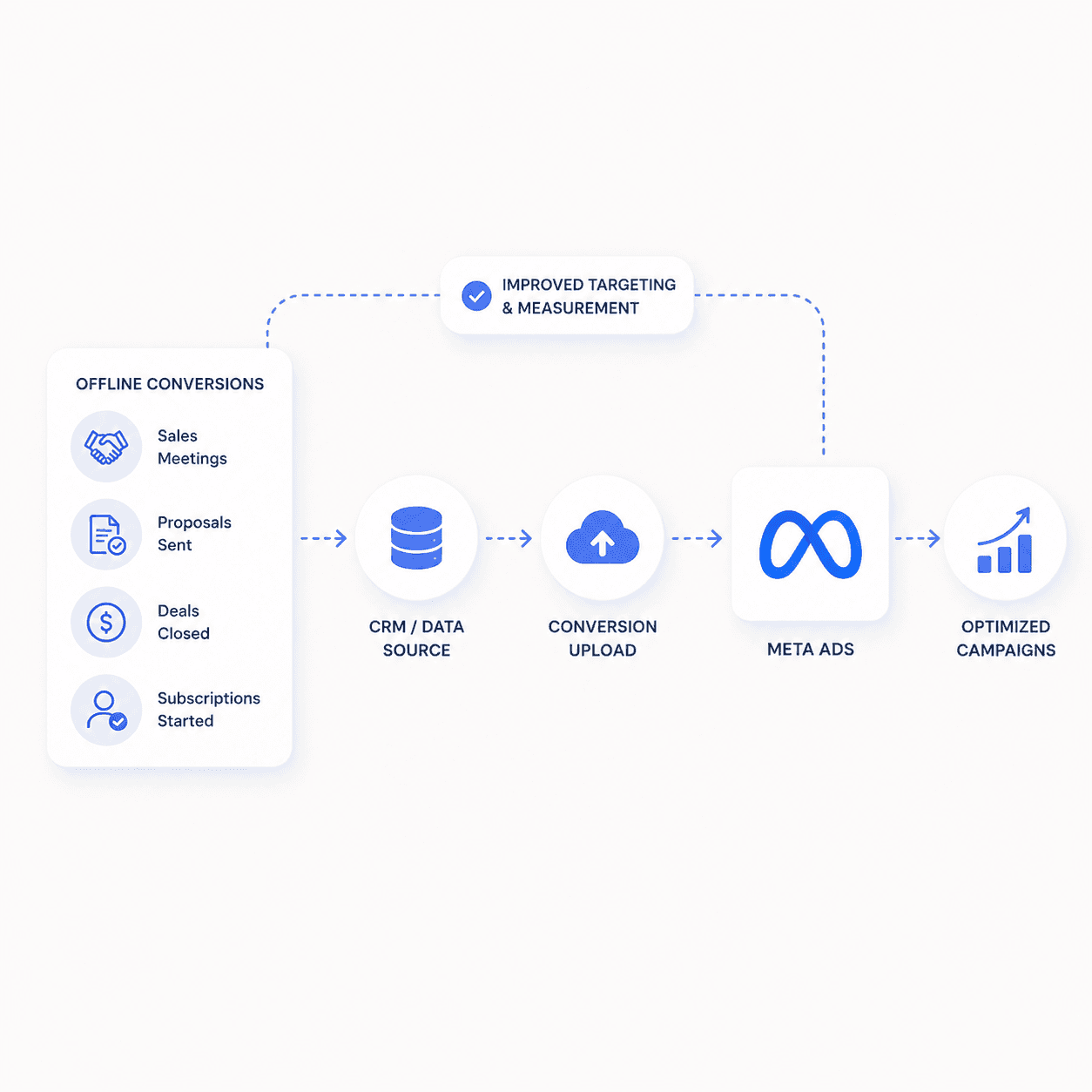
Tie ad spend to backend patient data through CRM matching using consented user data, consistent UTM tracking structures across all campaigns, and offline conversion imports where compliant. The goal is connecting what you spend on Meta to actual patients who show up, not just platform-reported conversions.
Scaling Meta Spend for Telehealth Without Compliance Risk
Scaling requires a methodical approach to avoid triggering manual reviews or account flags. Moving too fast or ignoring compliance gaps creates problems that are harder to fix at higher spend levels.
1. Audit Your Account for Policy Violations
Start with a full review of your current account structure, including ads, audiences, and tracking setups. Fix compliance gaps before increasing budget. An account with existing violations is more likely to face scrutiny when spend increases.
2. Establish a Compliant Creative Testing Cadence
Set a regular schedule for testing new creatives. Introduce new concepts weekly and scale winners every two weeks. This cadence keeps the account fresh while building a library of proven, compliant creative.
3. Increase Budget in Controlled Increments
Avoid large, sudden budget jumps. Increase spend by 15-20% every 3-4 days rather than doubling overnight. Gradual increases give the algorithm time to adjust and reduce the likelihood of triggering manual review.
4. Monitor for Categorization Changes
Meta can reclassify brands into different restriction tiers at any time. Set up alerts and perform regular checks to catch tier changes early. A reclassification can invalidate your current strategy overnight, so early detection matters.
What Full-Funnel Support Looks Like for Telehealth Meta Ads
Compliance, creative, and landing page optimization work together as a single system. Telehealth brands benefit most from partners who manage paid media, creative development, and landing page optimization holistically rather than treating each as a separate function. This unified Meta ads management approach ensures every part of the funnel is compliant and optimized for patient acquisition.
How do I appeal if Meta incorrectly categorizes my telehealth brand?
Submit a recategorization request through Meta Business Help with documentation proving your services don't fall under the assigned sensitive category. Response times typically take one to two weeks, though success rates are low in practice.
Can telehealth brands use patient testimonials in Meta ads?
Yes, but testimonials cannot include specific health outcomes, diagnosis references, or before/after claims. Focus on experience and process rather than results.
What happens to existing custom audiences if a telehealth brand gets reclassified to a higher restriction tier?
Meta automatically restricts or deletes non-compliant audiences. Export any usable first-party data and rebuild audiences using compliant methods before reclassification takes effect.
How long does Meta's ad review process typically take for telehealth ads?
Most telehealth ads are reviewed within 24 hours. Ads flagged for manual review in sensitive categories can take up to 72 hours or longer.
Should telehealth brands pause Meta ads during major policy transition periods?
Pausing is rarely necessary. Instead, reduce spend temporarily, audit for compliance, and resume scaling once your account structure aligns with new requirements.