Can Meta Ads Really Work For Driving Enterprise Leads?
Meta Ads
May 5, 2026
Table Of Contents
Looking for Meta ads support?
We're a small, hardworking US-based team. Book a call and get a free audit today.
Why B2B Ads on Facebook Are Harder Than DTC
B2B advertising on Meta comes with structural challenges that DTC advertisers don't face. The differences aren't subtle.
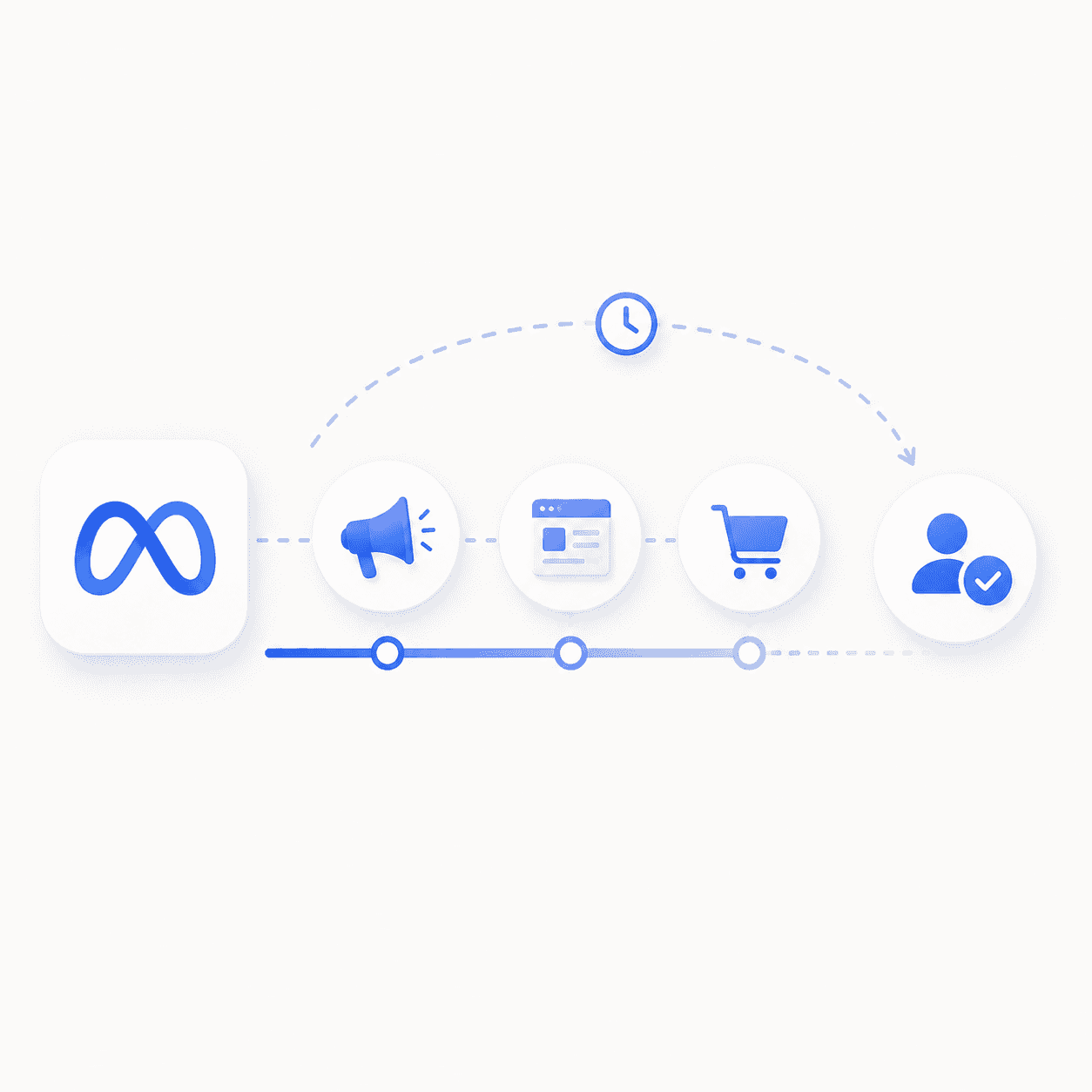
First, enterprise deals often take 90–180+ days to close. The feedback loop between ad spend and revenue is much slower, which makes optimization harder. Second, an average of 6 to 10 decision-makers typically influence the final purchase decision. Converting one person doesn't guarantee a closed deal. Third, tracking Meta's contribution to pipeline becomes harder when conversions happen later and across multiple channels.
None of this means Meta can't work for B2B. It just means you're playing a different game than someone selling skincare products.
When Meta Ads Make Sense for Enterprise Pipeline
Meta isn't the right fit for every B2B company, but it works well in specific scenarios.
Retargeting existing website visitors and warm traffic is one of the highest-ROI uses. Your audience already knows you, and Meta's lower CPMs make staying in front of them cost-effective. Meta also works as a supplement to LinkedIn. If you're already running LinkedIn campaigns, adding Meta lets you reach the same decision-makers in a lower-competition environment, often during off-hours when they're scrolling personally.
For building awareness with the 95% of your market that isn't actively buying yet, Meta's reach and frequency capabilities are hard to beat. You're not trying to close deals immediately. You're trying to be remembered when the buying window opens.
How to Target B2B Decision-Makers on Meta
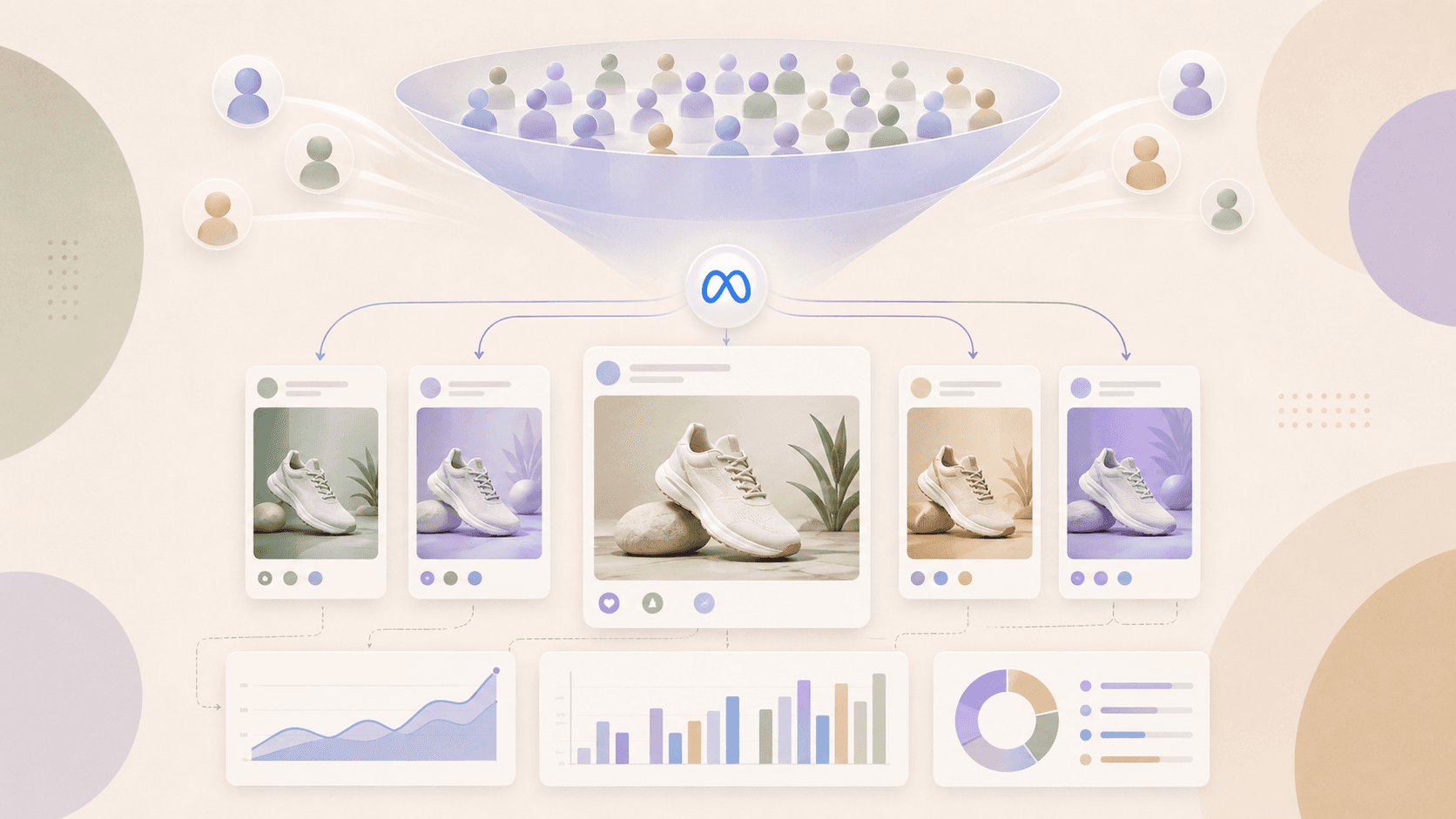
Targeting is the primary lever for B2B Meta success. The platform offers several audience types, and layering them strategically improves your odds of reaching qualified prospects.
Core Audiences and B2B Interest Targeting
Core audiences are Meta's native targeting options—the demographics, interests, and behaviors you select directly in Ads Manager. Meta's built-in B2B segments include IT decision-makers and business decision-makers based on job titles.
Direct job title targeting has limitations, though. Not everyone updates their Facebook profile with accurate job information. Layering in industry and professional interest targeting often improves reach without sacrificing relevance.
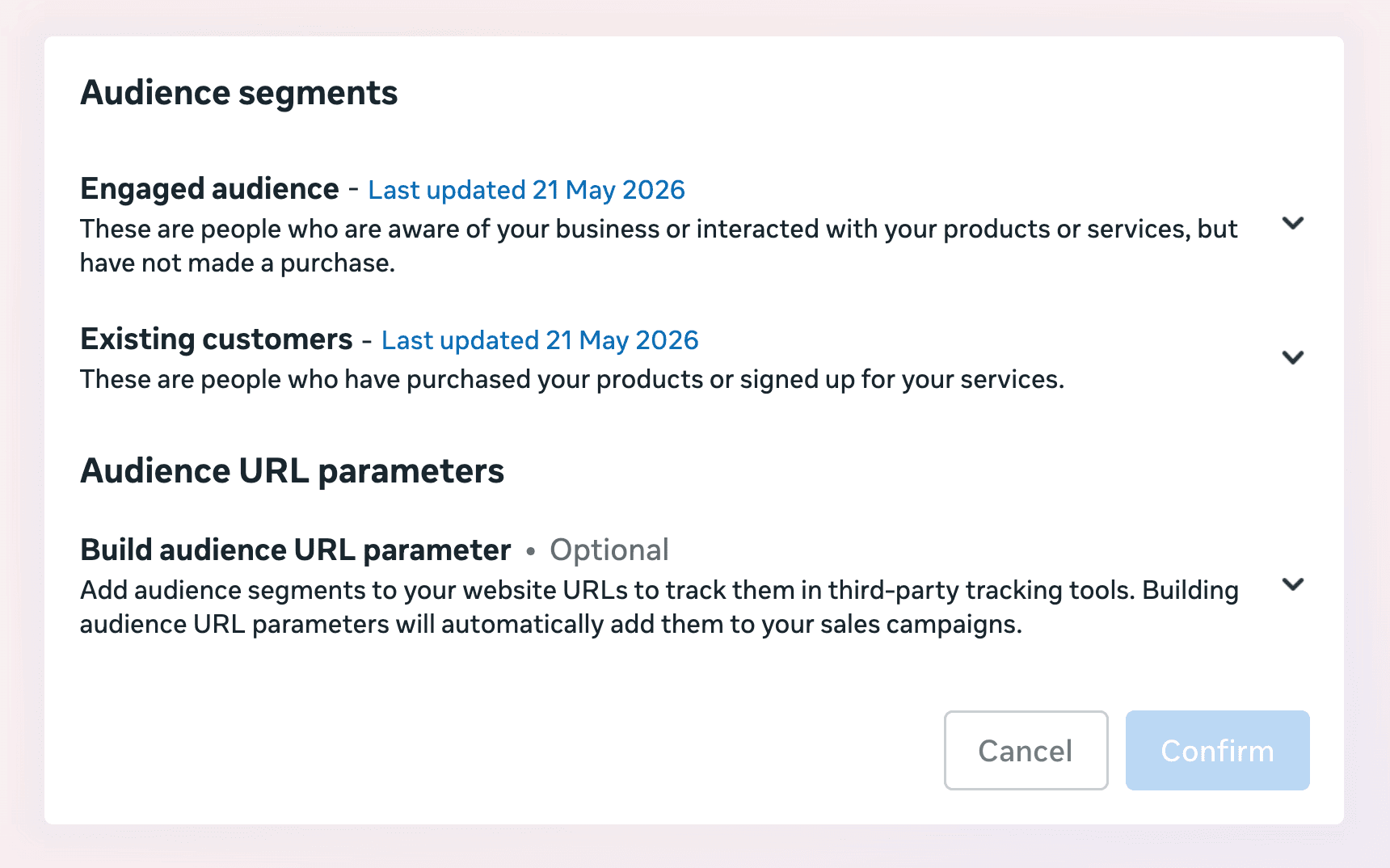
Custom Audiences From CRM and First-Party Data
Custom audiences let you upload customer lists, email lists, and closed-won account data directly into Meta. First-party data is often the highest-signal source for B2B targeting because it's based on people who've already engaged with your business.
If you have a CRM with clean email data, start here. The match rates won't be perfect, but the audience quality is typically higher than interest-based targeting alone.
Lookalike Audiences Built on Closed-Won Accounts
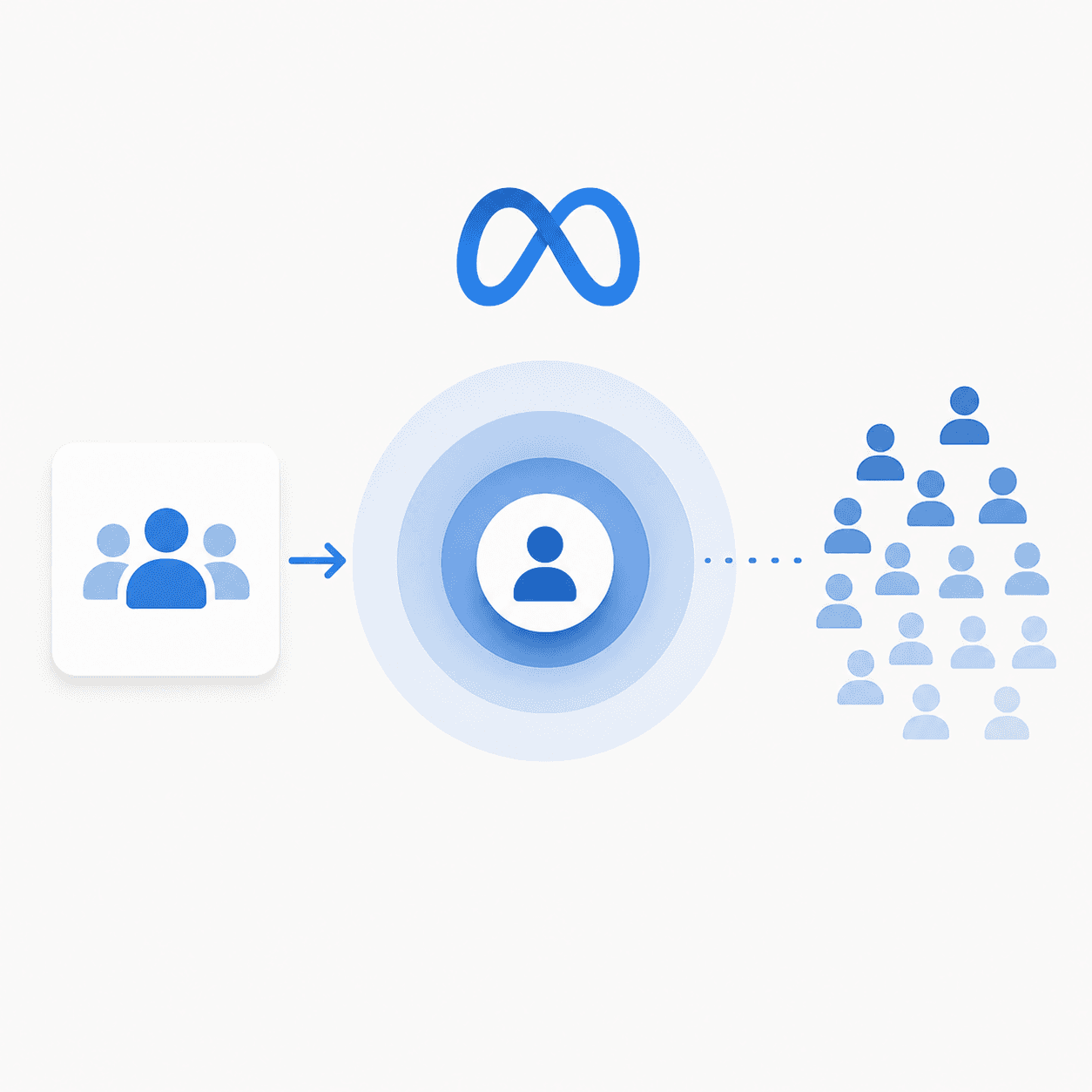
Lookalike audiences are Meta's way of finding new users who resemble your existing customers. For B2B, seed audience quality matters more than seed size.
Using closed-won customers or high-value pipeline records as your source audience typically outperforms lookalikes built on broader lists like newsletter subscribers. A smaller, higher-quality seed produces better results than a large, diluted one.
Retargeting Warm Accounts and Site Visitors
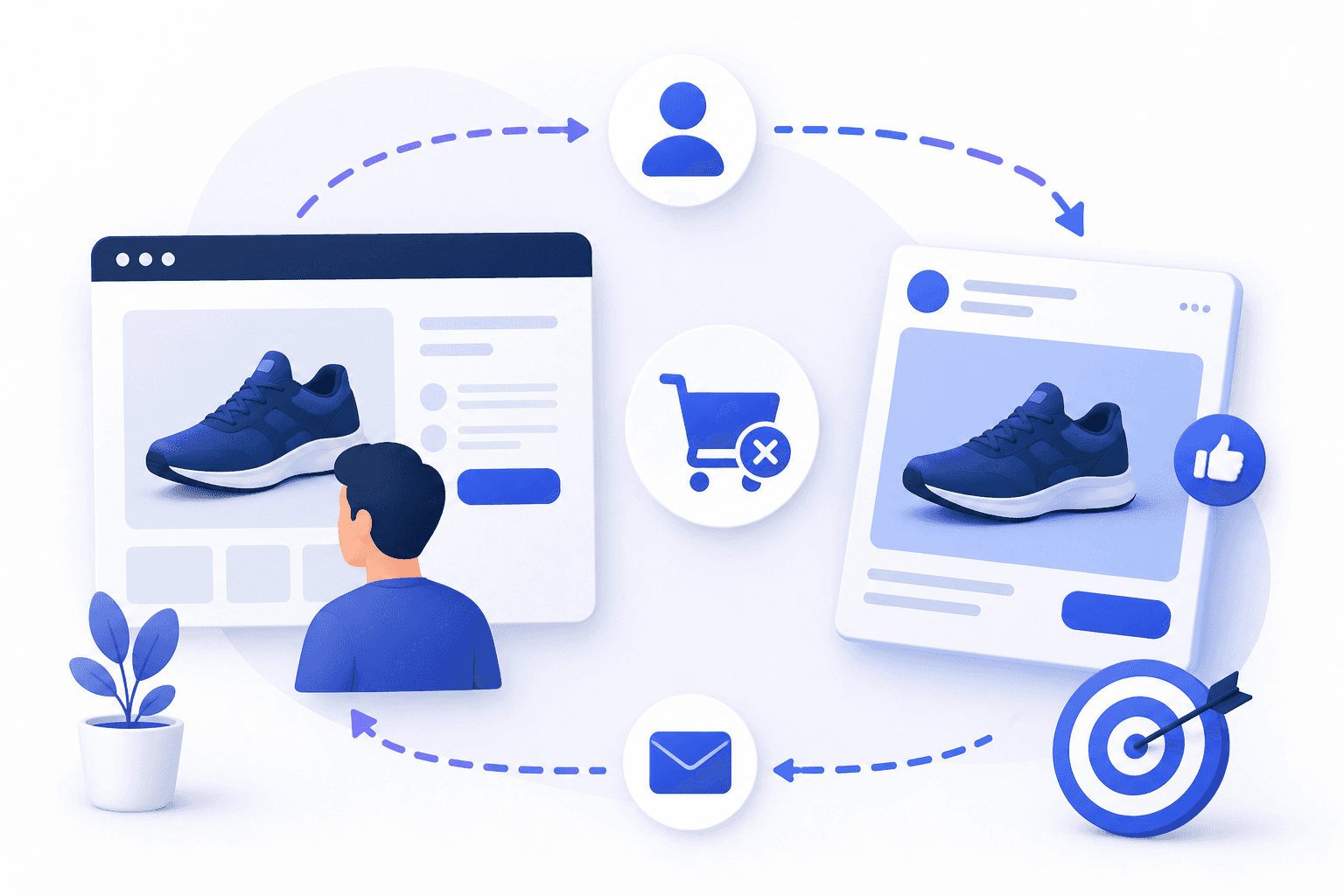
Retargeting covers website visitors, video viewers, and lead form engagers. The Rule of 7 applies here: prospects often need multiple exposures before converting.
A multi-touch retargeting strategy keeps you in front of warm accounts as they move through their buying process. You're not being annoying. You're being present when the timing is right.
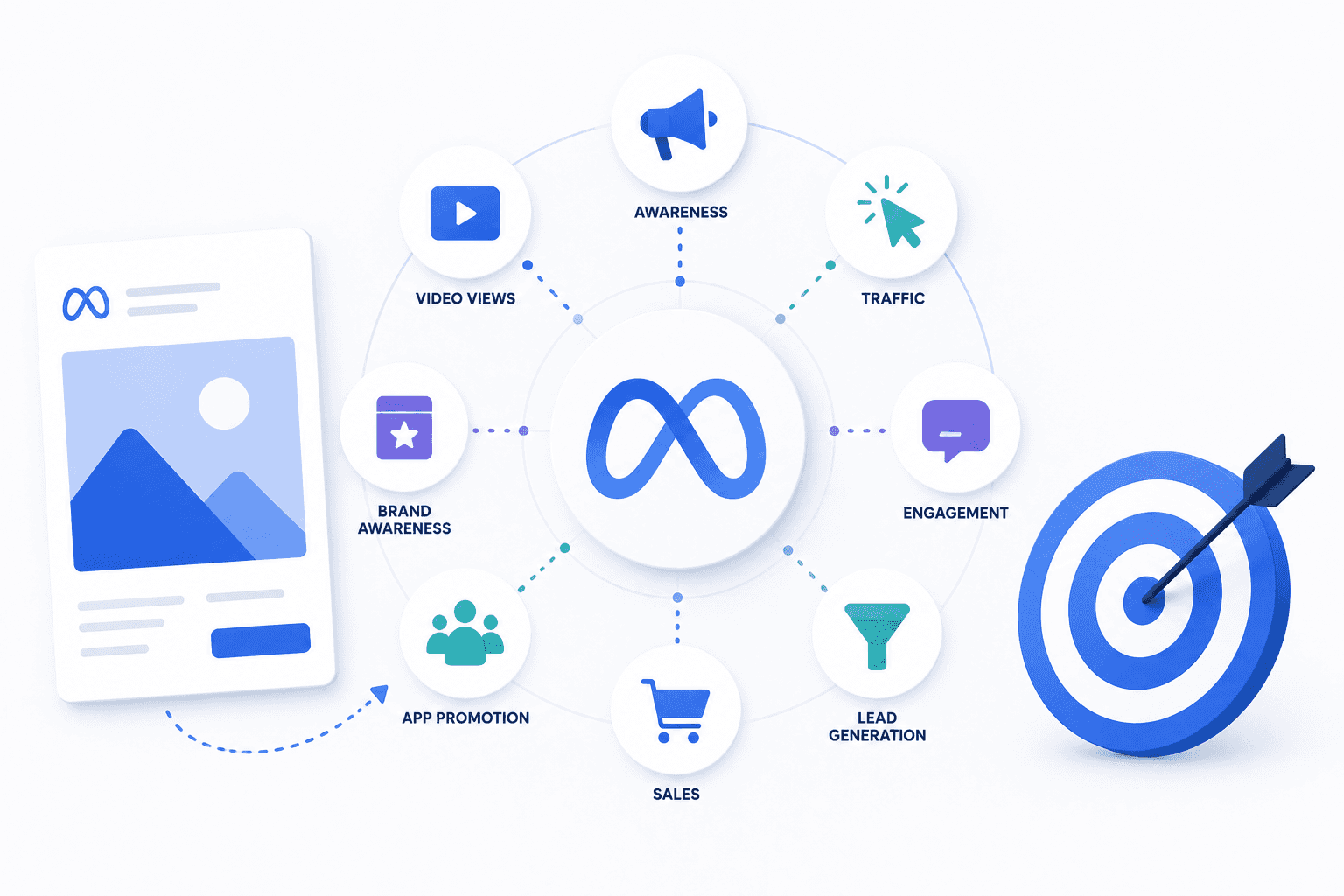
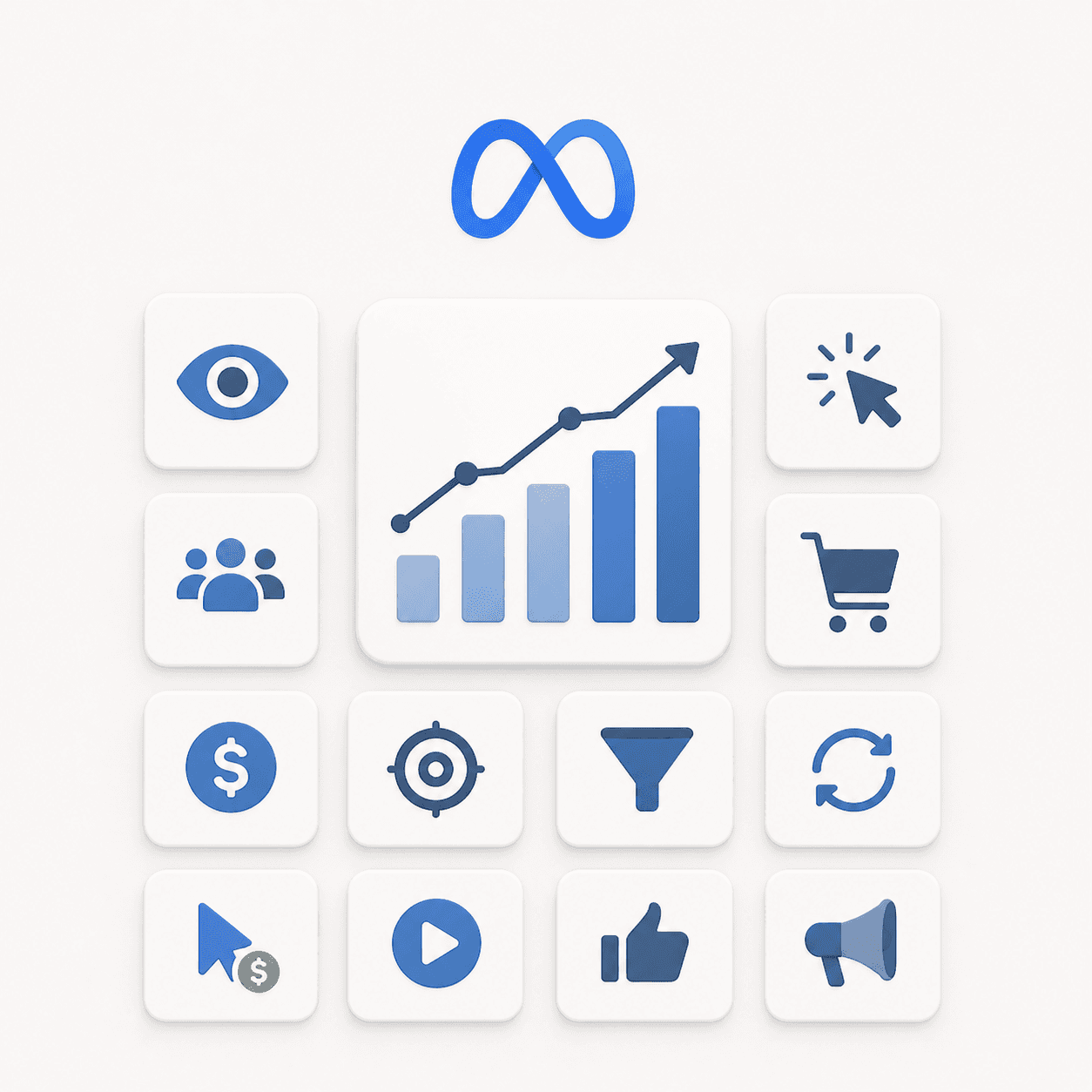
Choosing the Right Campaign Objective for B2B Facebook Ads
Campaign objective is the optimization goal you select in Meta Ads Manager. This choice matters differently for B2B than DTC because enterprise advertisers care about downstream lead quality and pipeline outcomes, not just cheap top-funnel conversions.
1. Lead Generation Campaigns
Facebook Lead Ads are native forms that capture user info without leaving the platform. They work well for lower-friction conversion paths, mobile-heavy traffic, and top-of-funnel offers.
The trade-off is lead quality. Because the friction is so minimal, you'll often see higher volume but lower intent. Some advertisers add qualifying questions to the form to filter out low-quality submissions.
2. Conversions With Offline Event Optimization
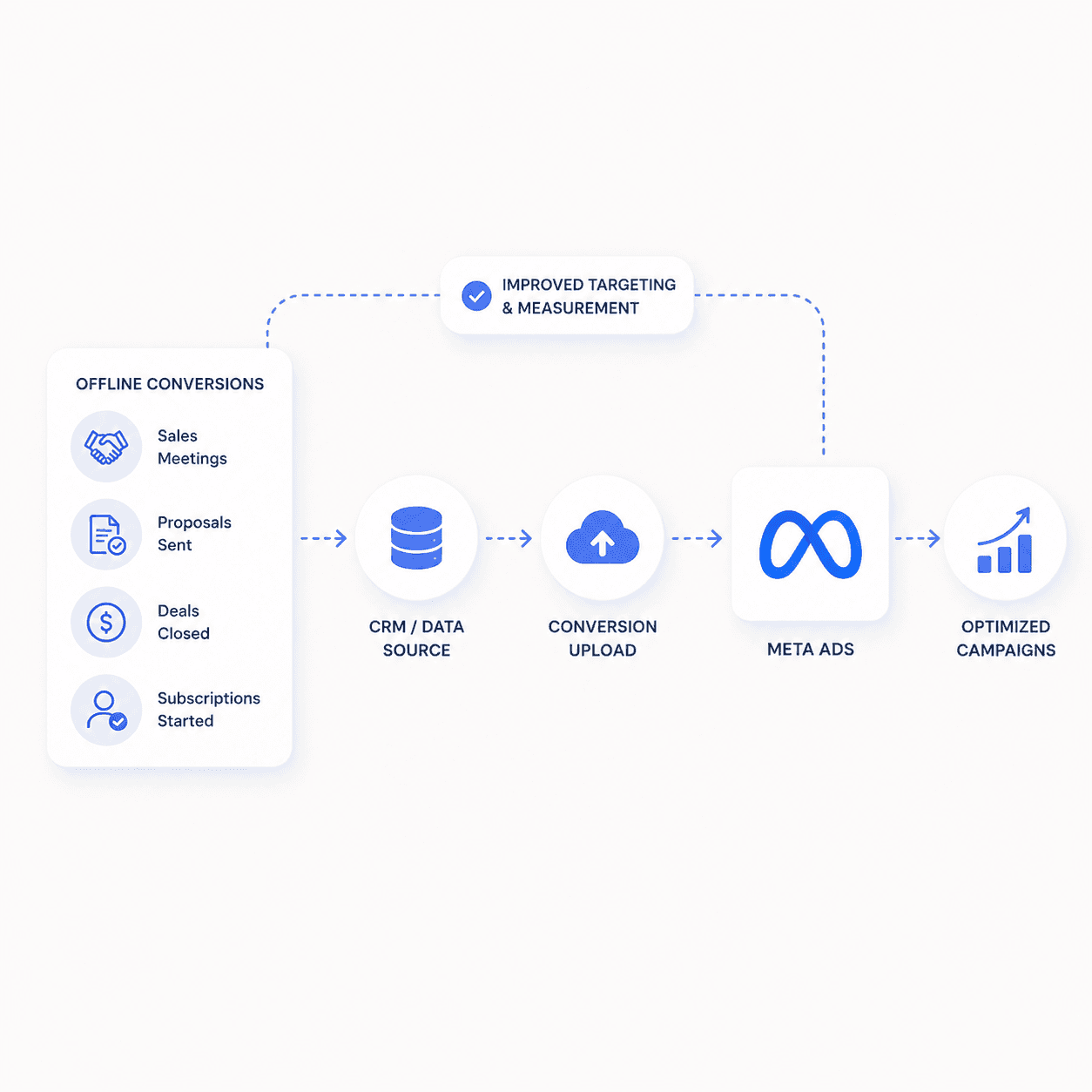
Offline conversions are CRM or sales outcomes passed back to Meta so campaigns can optimize for downstream events like SQLs or closed deals. This is the more advanced B2B setup, and it requires technical integration between your CRM and Meta.
When it works, it's powerful. You're telling Meta's algorithm what a good lead actually looks like, not just what a form submission looks like.
3. Traffic for Top of Funnel Content
Traffic objectives work when you're promoting blog posts, webinars, or ungated educational content. Use traffic campaigns sparingly and primarily for awareness-stage audiences. Don't expect direct conversions from traffic campaigns.
4. Awareness for Account Based Plays
Awareness campaigns make sense for warming named accounts, supporting ABM programs, and reaching the 95% who aren't in-market yet. Measure success by reach and frequency within your target account list, not by conversions.
B2B Meta Ads Creative Strategy That Converts Enterprise Buyers
B2B creative on Meta fails when it defaults to vague "grow your business" messaging. What works is specific, high-value business benefits and decision-maker pain points.
Meta's own B2B creative framework, called B2Bob, emphasizes focusing on one clear, unique business benefit per ad. Not three benefits. Not a feature list. One benefit that matters to your buyer.
Decision-maker pain point messaging: Lead with the problem your buyer faces, not your product's features.
Direct response statics and carousels: Static image ads and carousels work well for showcasing multiple services, use cases, or benefits in a single ad unit.
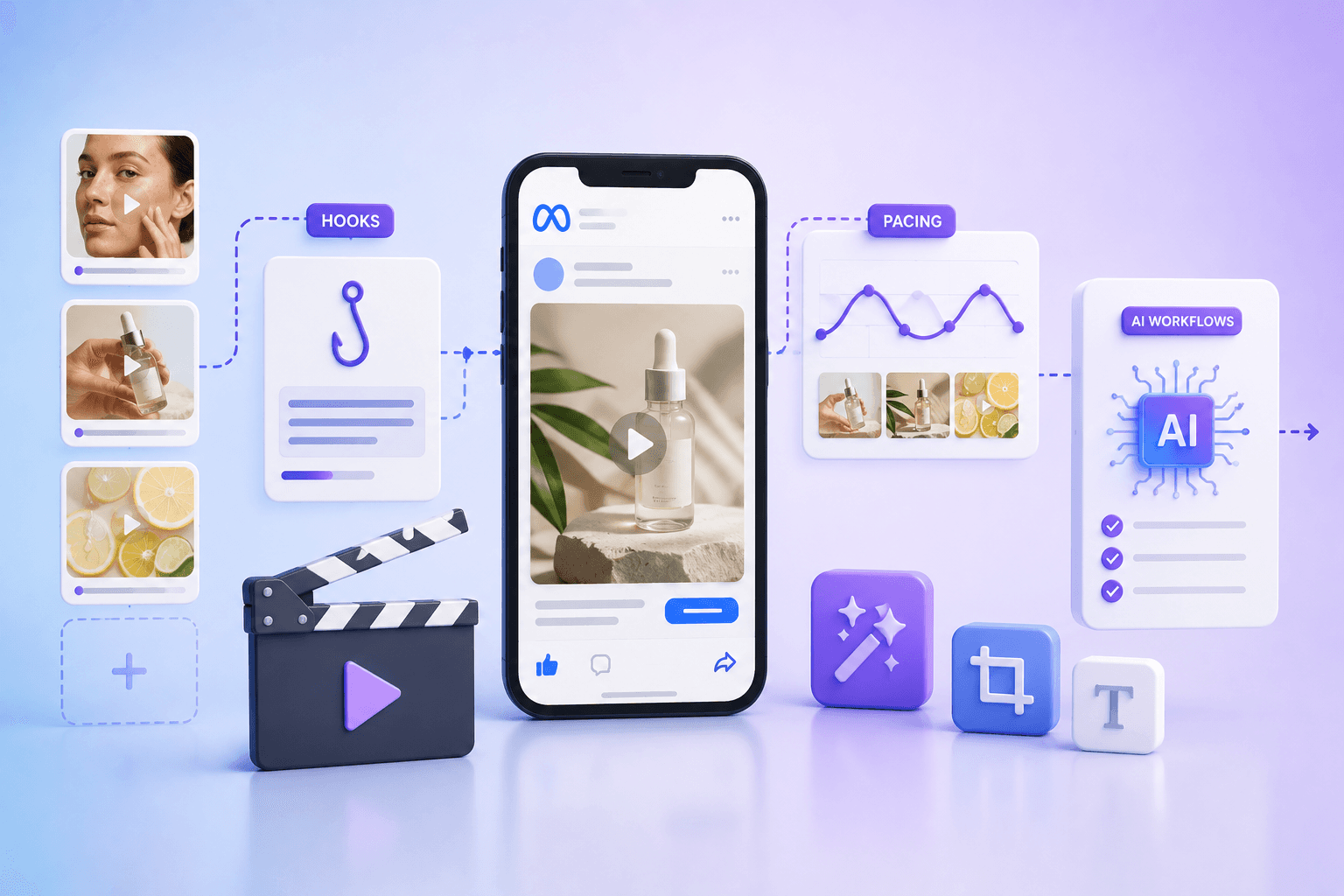
UGC and founder-led video hooks: User-generated content styles and founder-led videos build trust in high-consideration buying environments. The first 2–3 seconds are your hook.
AI voiceover VSLs for long sales cycles: Video Sales Letters work for complex B2B offers that require more education before conversion.
Creative strategy and production are central to performance on Meta. At Flighted, creative is treated as a performance lever, not a separate workstream from paid media.
B2B Facebook Lead Ads vs Landing Page Conversions
Both approaches have trade-offs. Lead Ads offer lower friction and a mobile-optimized experience, but lead quality often suffers. Landing pages give you full control over qualification and data capture, but they add friction that reduces conversion volume.
Factor | Lead Ads | Landing Page |
|---|---|---|
Friction | Lower | Higher |
Lead quality | Often lower | Often higher |
Customization | Limited | Full control |
Mobile experience | Optimized | Depends on page |
If you go the landing page route, the page itself becomes a critical performance lever. A poorly designed landing page will tank your conversion rate regardless of how well your ads perform. Landing page optimization is one of Flighted's three core pillars for exactly this reason.
How to Track and Attribute Enterprise Leads From Meta
Attribution is one of the biggest challenges in B2B Meta advertising. Standard attribution windows are often insufficient for enterprise sales cycles.
Meta Pixel and Conversions API Setup
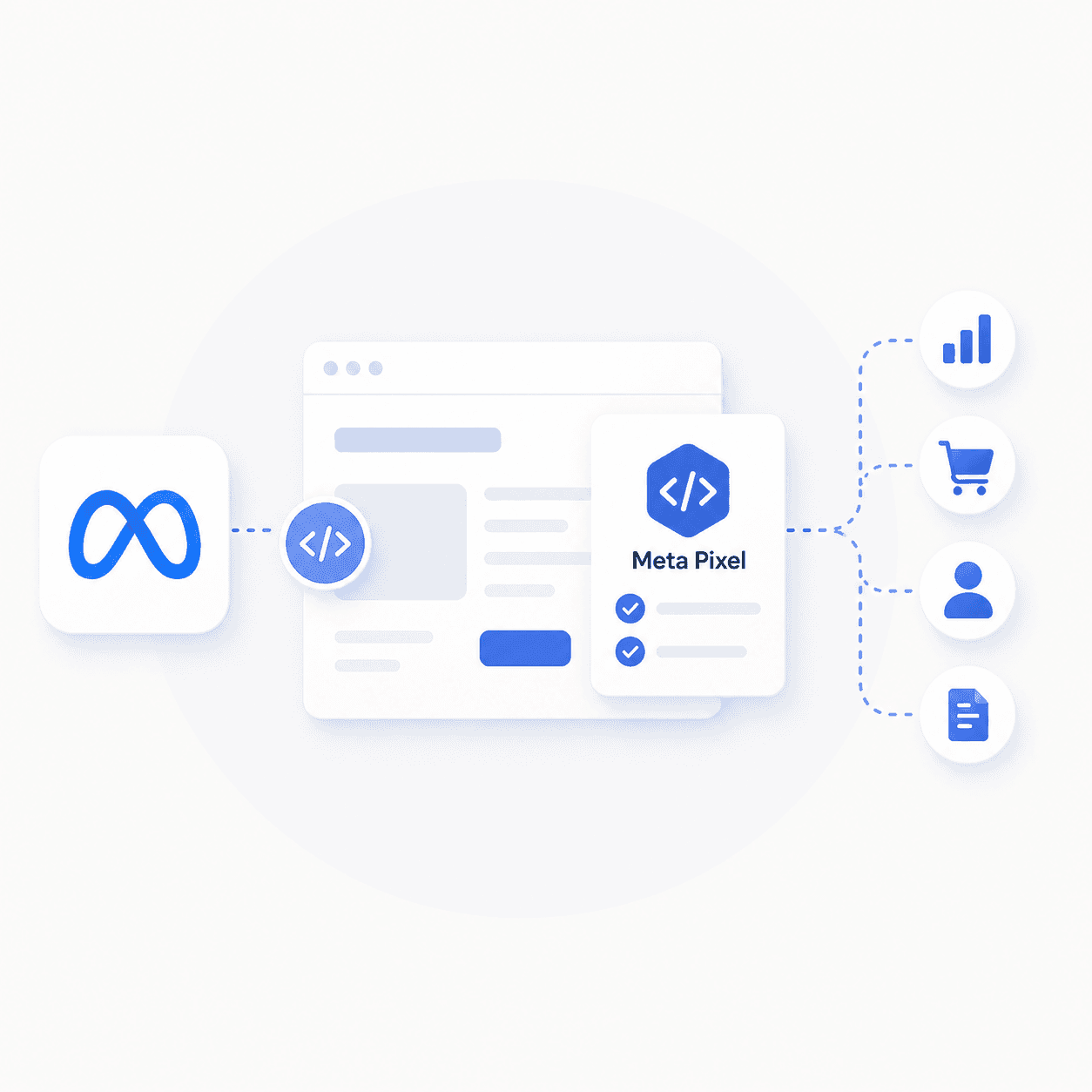
The Meta Pixel tracks on-site behavior, while CAPI (Conversions API) is server-side tracking that doesn't rely entirely on browser cookies. Both are essential for B2B measurement. Running one without the other leaves gaps in your data.
Offline Conversion Uploads From Your CRM
Passing CRM stage changes like MQL, SQL, and closed-won back into Meta lets campaigns optimize toward pipeline outcomes rather than just form completions. This is how you move from optimizing for leads to optimizing for revenue.
The technical setup takes work, but the payoff is significant. You're giving Meta's algorithm better signals about what success actually looks like for your business.
Reading Meta Performance Against Long Sales Cycles
Standard 7-day click attribution often misses B2B conversions that happen weeks later. Use leading indicators—cost per lead, lead quality scores, and early-stage pipeline metrics—while waiting for revenue outcomes to mature.
Don't panic if your ROAS (return on ad spend) looks weak in the first 30 days. B2B attribution requires patience and a longer evaluation window.
Budgeting and Scaling B2B Meta Ad Campaigns
B2B budgeting differs from DTC because feedback loops are longer and conversion volume is lower.
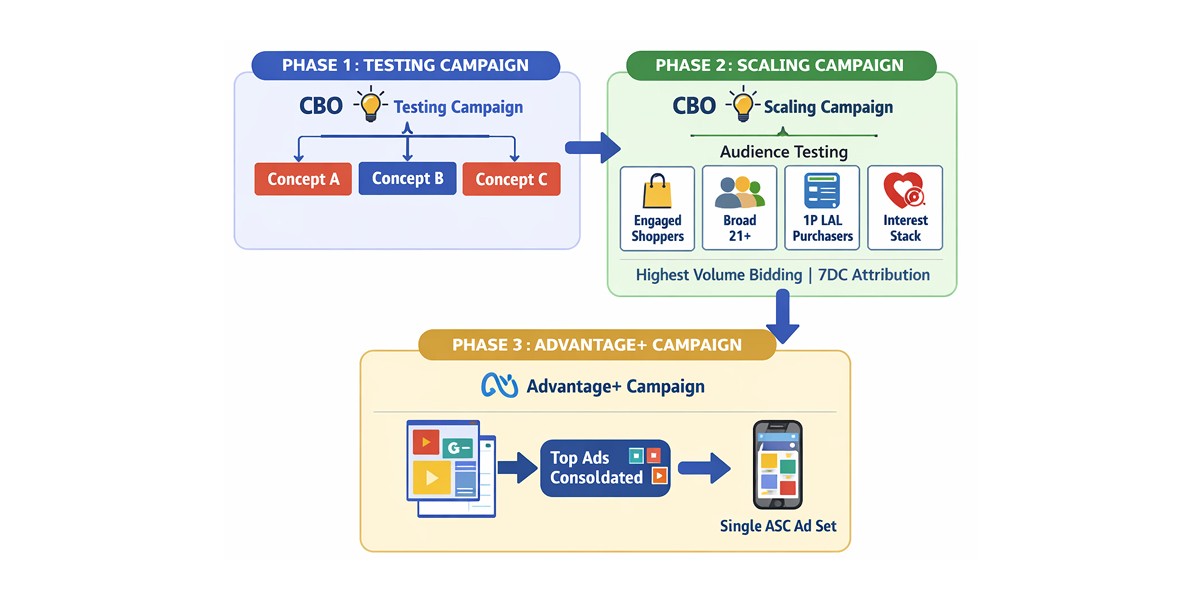
Testing phase minimums: Spend enough for Meta's algorithm to gather meaningful data—typically $1,000–$2,000 per month minimum for B2B.
Learning phase duration: Expect longer learning periods because B2B conversion volume is often lower than DTC.
Scaling signals: Increase spend only after seeing stable indicators around lead quality, cost efficiency, and downstream performance.
Budget allocation: Split spend intentionally across prospecting and retargeting based on audience warmth and funnel stage.
Scaling too fast before you have stable performance data is one of the most common mistakes in B2B Meta advertising.
Turning Meta Into a Reliable Enterprise Lead Channel
Making Meta work for B2B requires three things working together: paid media expertise to structure campaigns and optimize toward the right outcomes, creative strategy that speaks to decision-maker pain points, and landing page optimization that converts the traffic you're paying for.
Strong creative can't save a poorly structured campaign. A well-structured campaign can't overcome weak landing pages. The three pillars are interdependent.
Book a call with Flighted to talk through how Meta fits into your B2B acquisition strategy.
Frequently Asked Questions About B2B Ads on Facebook
Is $10 a day enough for B2B Facebook ads?
$10/day can generate leads in highly targeted niche campaigns, but most B2B advertisers benefit from larger budgets—typically $1,000–$2,000 per month minimum—to exit the learning phase and collect enough optimization data.
What is the 95/5 rule for B2B marketing?
The 95/5 rule means only about 5% of your target market is actively buying at any given time. The remaining 95% are future buyers who benefit from awareness, education, and retargeting before they're ready to convert.
Does the Facebook 20% text rule still apply to B2B ads?
Meta no longer enforces the 20% text rule as a strict policy, but ads with excessive text may still see weaker delivery. Keep image text minimal and benefit-focused.
How long does it take to see results from B2B Meta ads?
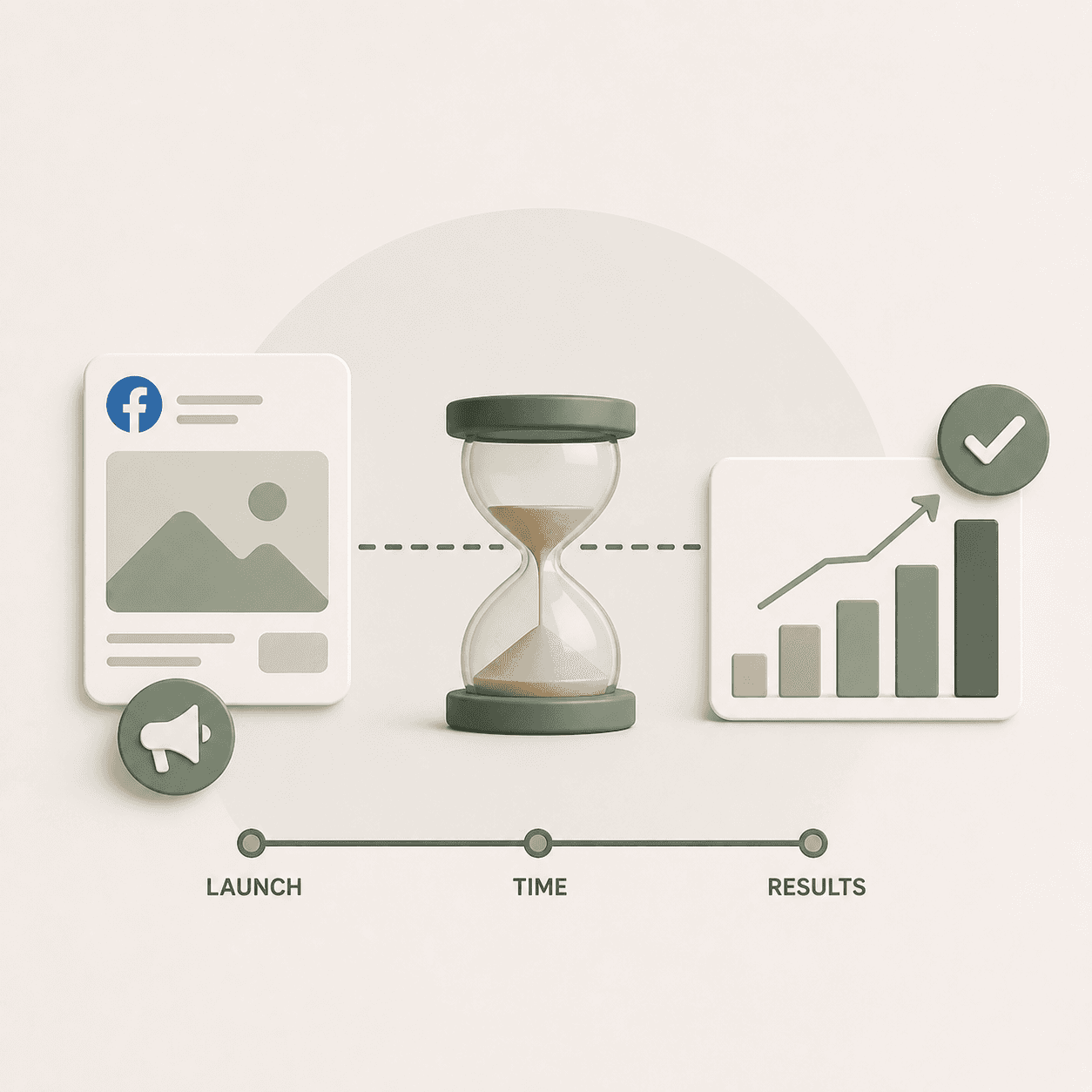
B2B campaigns often require longer evaluation windows than DTC—often 30–90 days or more depending on your sales cycle. Judge success using downstream metrics like SQLs and opportunities, not just immediate form fills.