Most B2B marketers assume Facebook is for DTC brands and LinkedIn is where serious business happens. That assumption leaves money on the table — 75% of B2B buyers use social media to help make purchasing decisions.
Meta ads can drive qualified pipeline for B2B companies—but only when the strategy reflects longer sales cycles, multiple decision-makers, and the reality that corporate brochure-style creative doesn't stop anyone from scrolling. This guide covers targeting, creative, landing pages, and measurement for B2B brands running Facebook and Instagram ads.
Key Takeaways
Facebook ads work for B2B brands when the creative avoids corporate brochure-style messaging and instead features educational content, direct-to-camera video, and social proof.
Strong B2B Meta performance depends on first-party data, custom audiences, lookalikes, and retargeting—not just cold interest targeting.
B2B campaigns perform better when optimized for qualified pipeline and revenue impact rather than low-cost leads.
Landing pages that match the ad messaging and offer a mobile-first, conversion-focused experience tend to outperform generic homepage traffic.
Success on Meta for B2B comes from aligning creative, targeting, measurement, and post-click experience as one system.
Do Facebook Ads Work for B2B Brands?
B2B Facebook ads are effective for reaching professionals who make purchasing decisions. The difference from DTC, though, is that successful B2B ads feature educational content, direct-to-camera videos from company leaders, and social proof that builds trust over a longer buying cycle. Most B2B advertising fails on Meta because the creative looks like a corporate brochure instead of something a real person would stop scrolling for.
For B2B, "working" means generating qualified pipeline and revenue potential. You might get a $15 CPL (cost per lead), but if none of those leads convert to opportunities, you've wasted budget. Here's the honest answer to "how well do B2B Facebook leads convert?": raw Facebook leads convert unevenly, and quality depends entirely on how you define "qualified." The metric that matters is cost per qualified opportunity, not raw lead volume — we break down the actual conversion rates in the section on how well B2B Facebook leads convert below.
Faces over logos: Ads featuring a real person speaking to camera about a specific pain point tend to outperform polished product graphics
Education over hard sells: Offering a guide, calculator, or industry report builds credibility before asking for a demo — buyers are 80% through their buying process before engaging with sales
Clear pain-point messaging: The first two seconds determine whether someone keeps watching or scrolls past
Social proof and trust signals: Case studies, customer logos, and testimonials reduce friction in longer sales cycles
On the other hand, generic brochure copy, hard demo asks too early in the funnel, and homepage traffic without message match tend to underperform. Optimizing only for lead volume often produces a lot of contacts that never become customers.
Why B2B Facebook Ads Are Harder Than DTC
The buying process is structurally more complex. Sales cycles are longer, an average of 6.8 decision-makers are involved, price points are higher, and conversions don't happen immediately after a click.
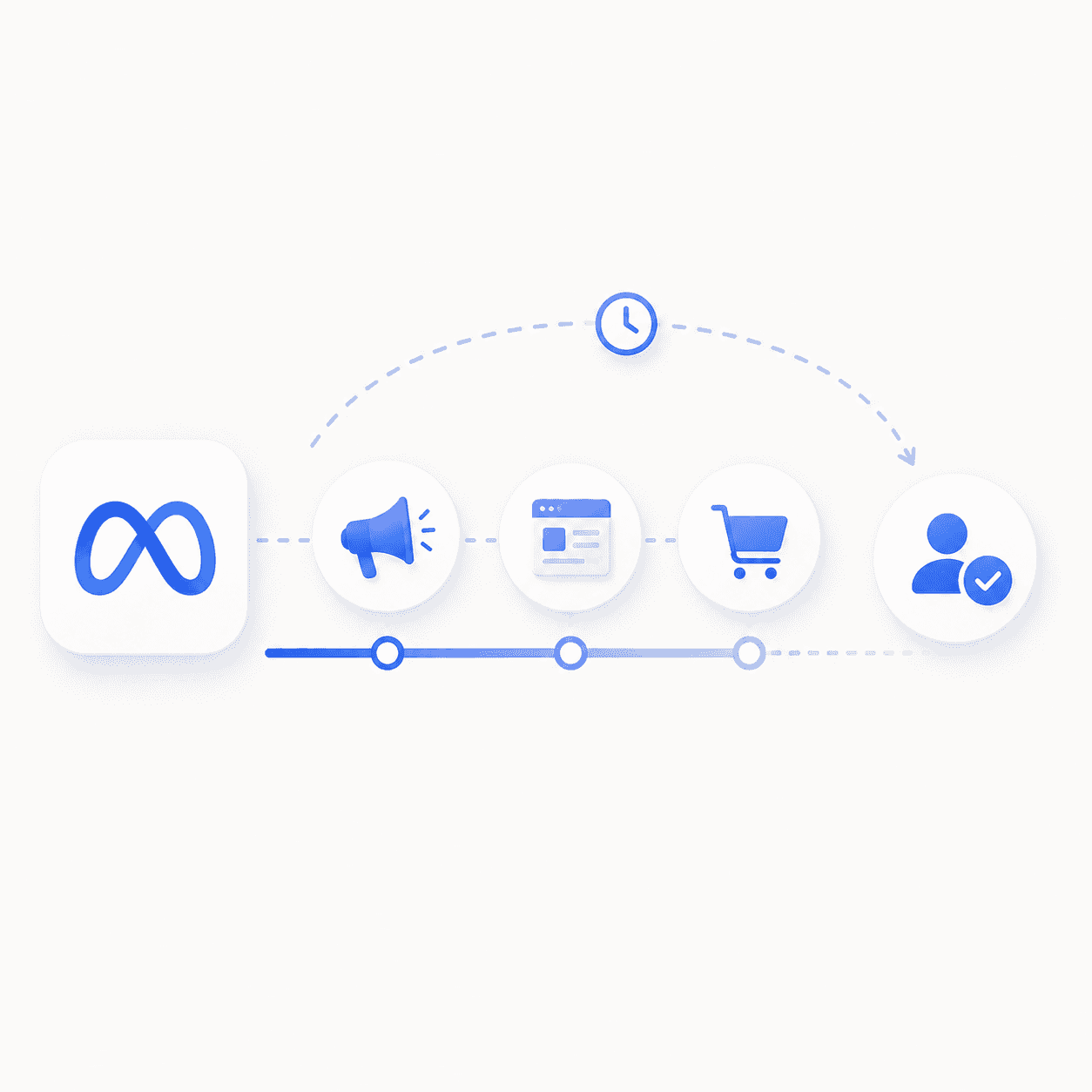
Meta's algorithm performs best when it gets fast and frequent conversion feedback. B2B campaigns, however, usually produce fewer conversion events and longer delays between ad exposure and revenue outcomes. This makes optimization harder because the algorithm has less data to learn from.
Longer sales cycles: Conversion delays make it harder for Meta to quickly learn which users are likely to become customers
Multiple stakeholders: Buying committees complicate attribution because the person who clicks may not be the final decision-maker
Higher AOV: Higher-value offers usually mean fewer total conversions, which gives the algorithm less data to optimize against
When Facebook Ads for B2B Are the Right Fit
Meta ads work well for B2B in specific situations. You'll see the best results when one or more of the following is true:
You want to retarget warm audiences like website visitors, email subscribers, or engaged social traffic.
You want to supplement LinkedIn with a lower-cost channel that expands reach.
You've maxed out or plateaued on branded and high-intent search demand.
You sell a lower-consideration SaaS product with a shorter path to conversion.
You have an email list, CRM data, or customer list to build custom audiences.
You want to seed lookalikes from closed-won customers or high-LTV accounts.
If you're only running cold prospecting with interest targeting and no retargeting infrastructure, Meta will likely underperform LinkedIn for B2B. The channel works best as part of a layered paid media approach, not a standalone acquisition source.
LinkedIn Vs Facebook For B2B
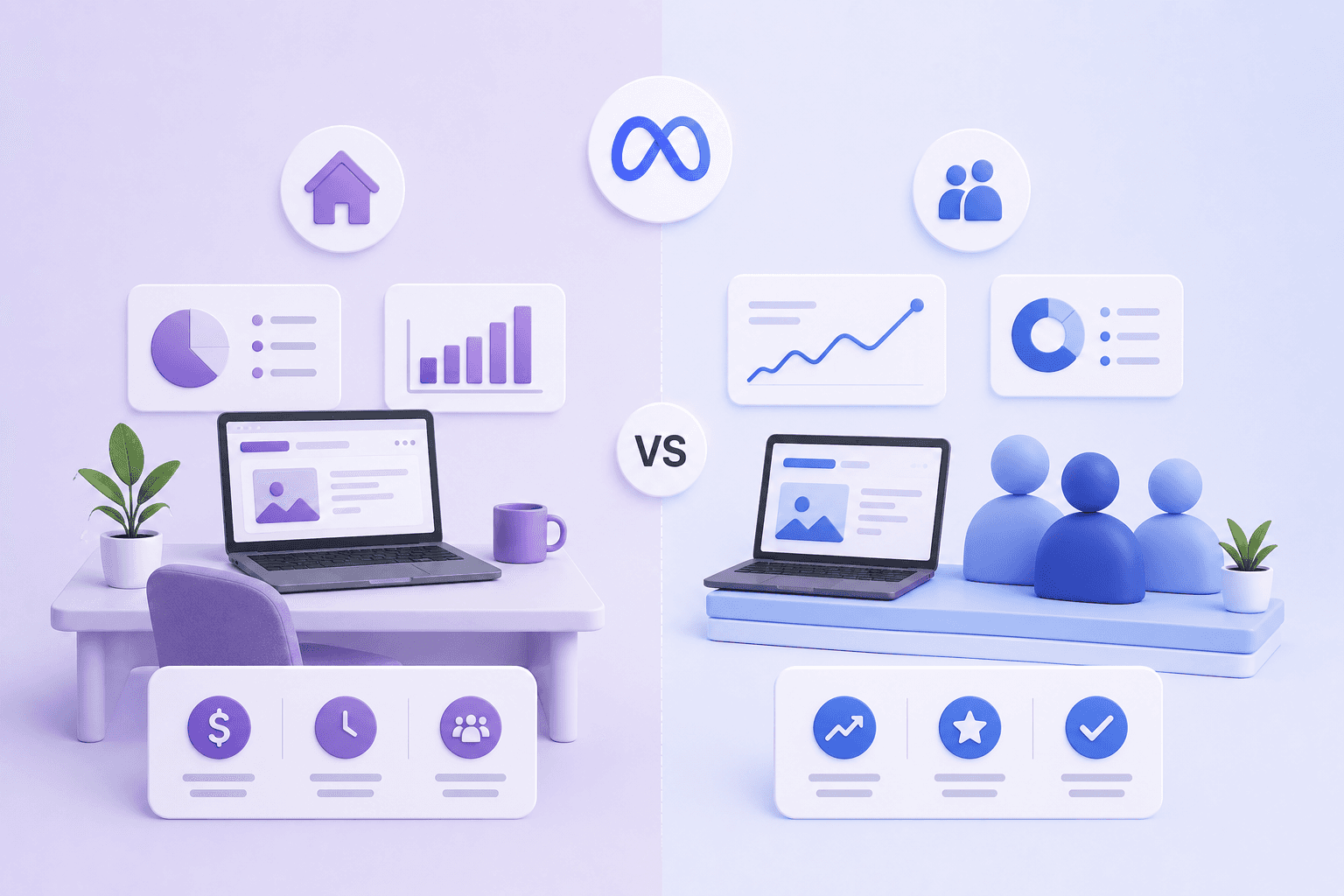
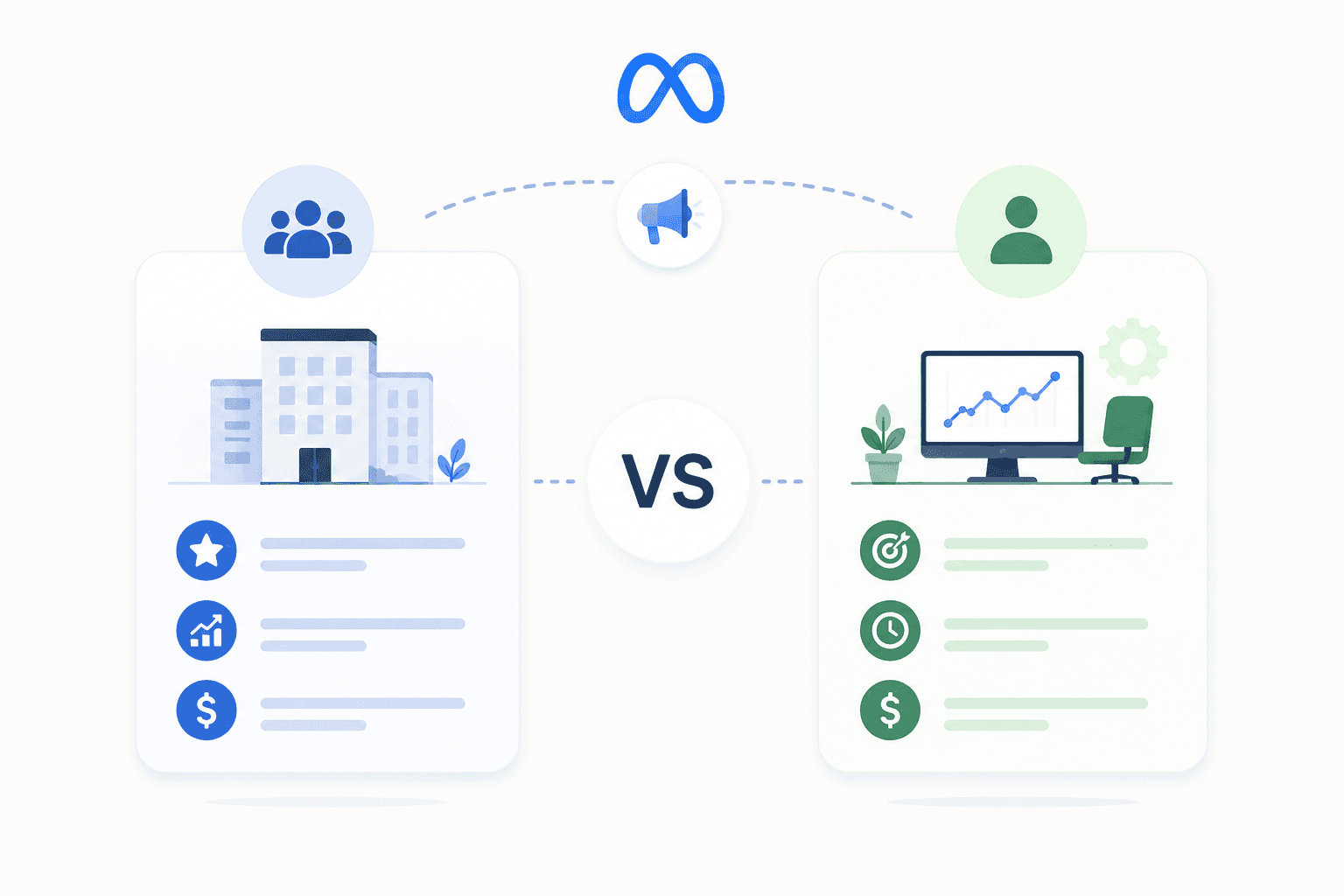
The honest answer is to use both for different jobs. LinkedIn wins on targeting precision and lead quality. Facebook wins on reach and cost per touch. The trap is comparing benchmarks from different datasets, so read the scope label on every number below before you draw conclusions.
What Each Channel Costs
Facebook and LinkedIn benchmarks come from different populations. Facebook's public benchmarks are cross-industry; LinkedIn's usable B2B benchmarks are SaaS-specific and run much higher than LinkedIn's cross-industry averages.
Cost per touch: Facebook is cheaper to get in front of people, at a $1.92 leads CPC and $0.70 traffic CPC (WordStream 2025 cross-industry medians).
Retargeting and volume: Lower costs let you run retargeting sequences and creative testing at higher frequency.
Reach expansion: Facebook is the better place to expand once you've maxed high-intent LinkedIn and search demand.
How To Choose Between Them
Use LinkedIn when you need precise ABM targeting, C-suite or enterprise reach, and quality over volume on high-ACV deals.
Use Facebook when you're retargeting warm audiences, selling lower-consideration SaaS, or expanding reach cheaply from CRM and lookalike audiences.
Run both when budget allows: LinkedIn for precise top-of-funnel demand, Facebook for cost-efficient retargeting and mid-funnel nurture.
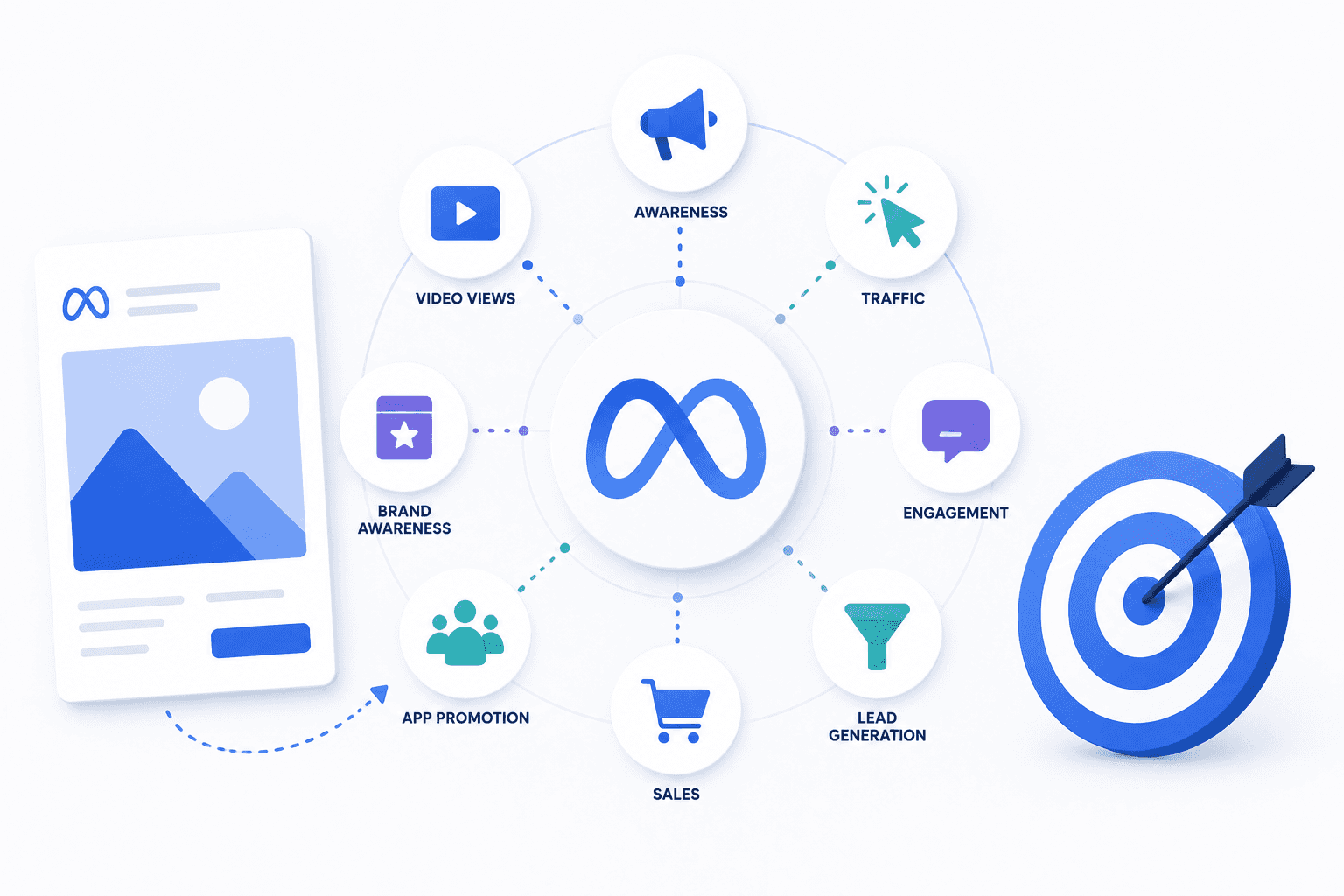
Choosing the Right Campaign Objective for B2B Facebook Ads
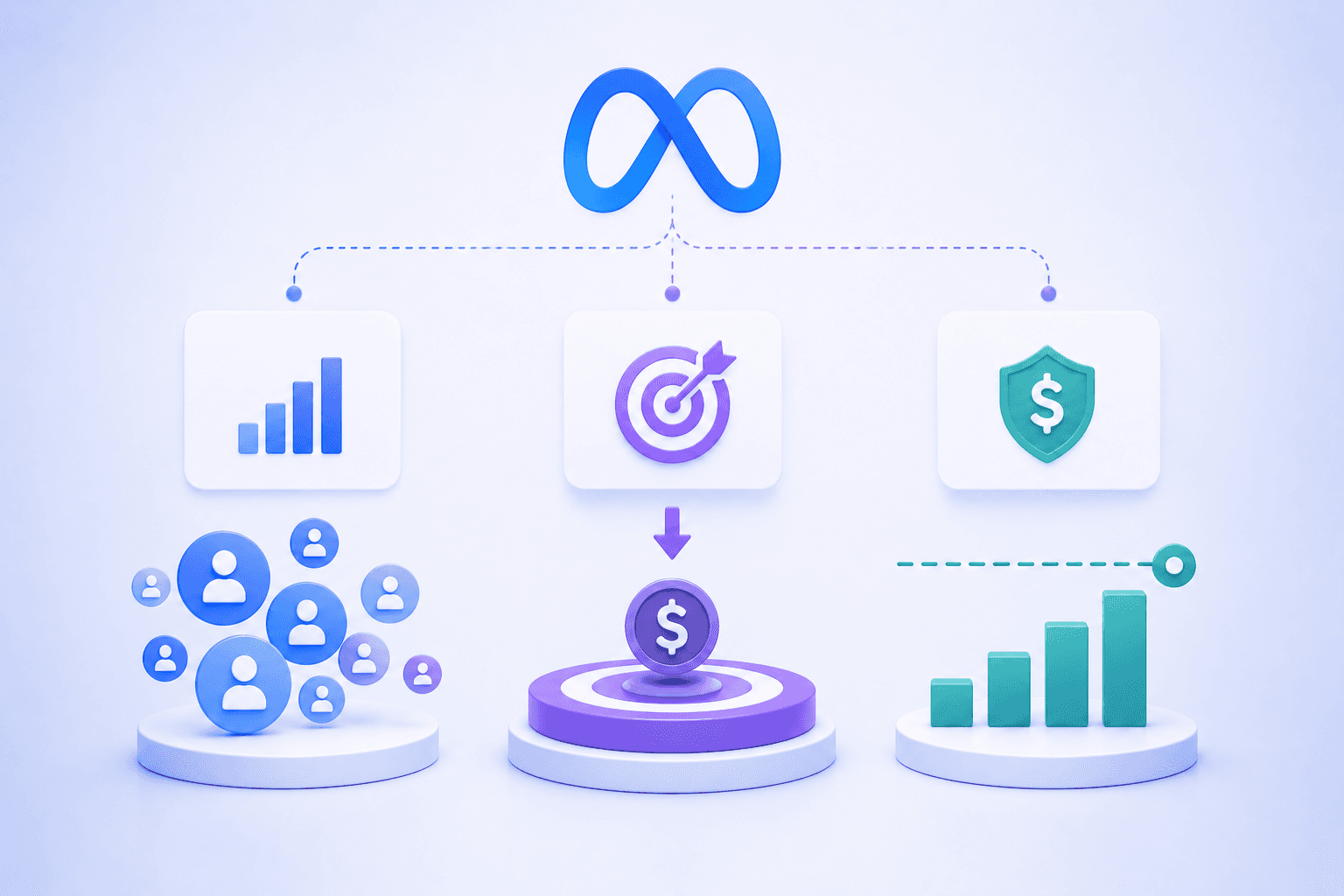
Your campaign objective tells Meta what outcome to optimize for. Selecting the wrong one can waste budget and produce the wrong type of result.
Lead Generation
Facebook Lead Ads use native forms to capture contact information without sending users off-platform. This reduces friction and can increase lead volume, but it often results in lower-quality leads because the barrier to submit is so low. Lead Ads work well for top-of-funnel offers like guides, calculators, checklists, or webinars where you're building an audience rather than qualifying buyers.
Conversions and Sales
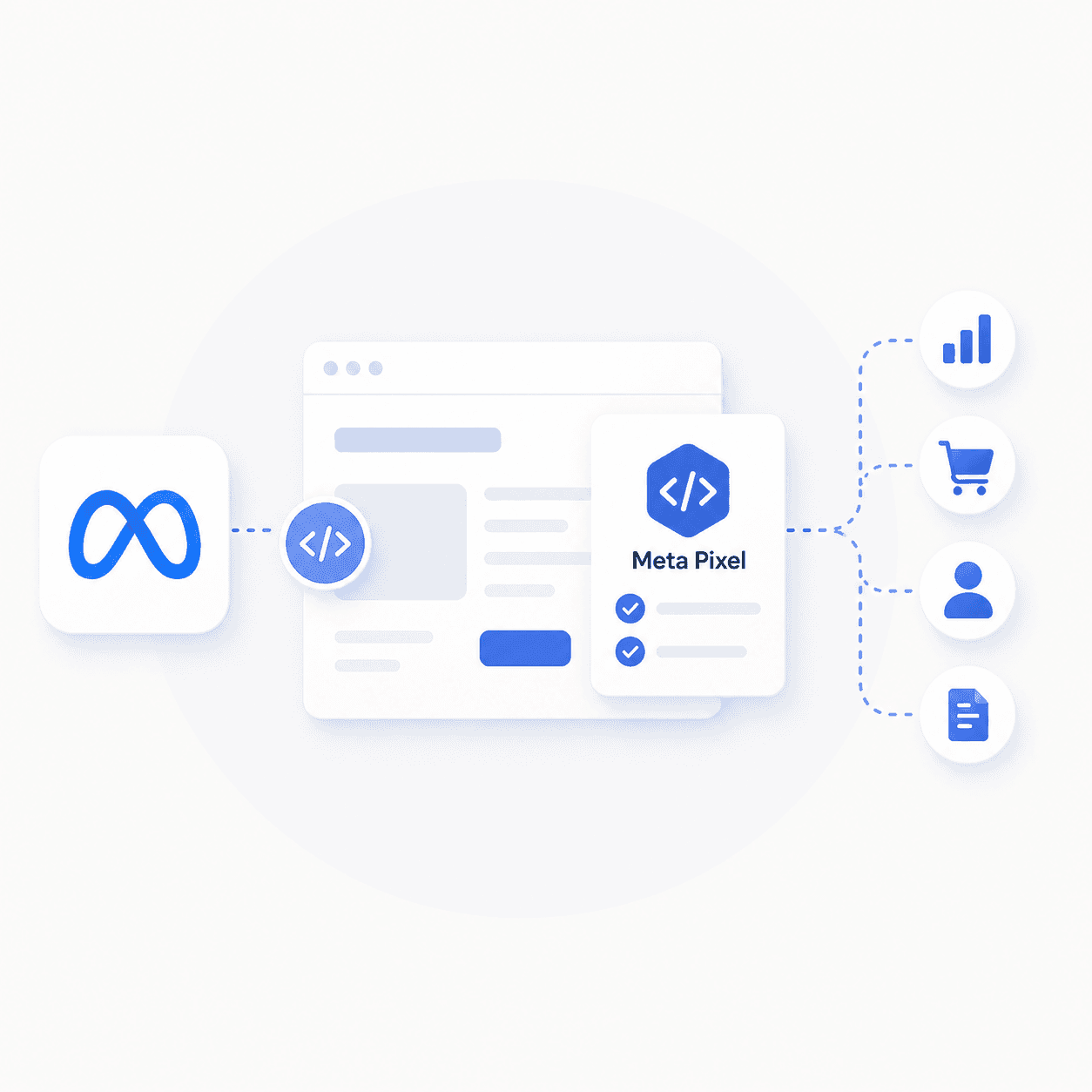
Conversion campaigns optimize for actions taken on your website, like demo requests, booked calls, or free trial signups. This approach is better for mid- and bottom-funnel goals. However, it requires proper Conversions API (CAPI) setup and enough conversion volume for Meta to learn effectively. If you're getting fewer than a handful of conversions per week, the algorithm won't have enough signal to optimize well.
Traffic and Awareness
Awareness campaigns can be useful for brand building and feeding retargeting sequences. If your real goal is leads or pipeline, though, do not optimize for traffic alone. Meta will often find people who click rather than people who buy.
How to Target B2B Buyers on Facebook and Instagram
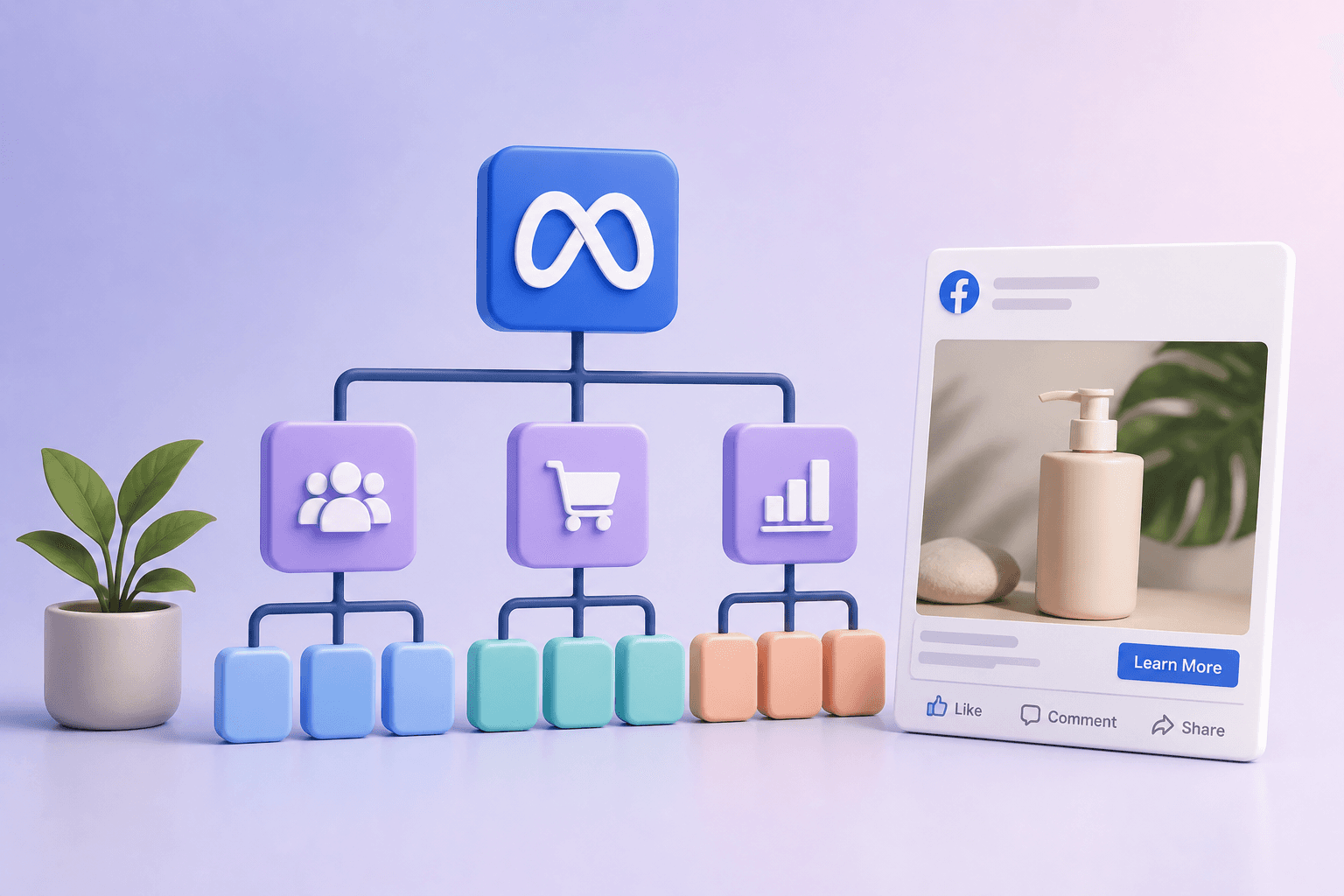
While broad targeting has become increasingly important on Meta, B2B brands still benefit from layered audience approaches built inside Meta Ads Manager.
Interest and Job Title Targeting
You can target by job titles, industries, employer-related traits, and interests. Meta's B2B targeting is less precise than LinkedIn's, though. Use interest and job title targeting as a starting point rather than your entire approach.
CRM and First-Party Custom Audiences
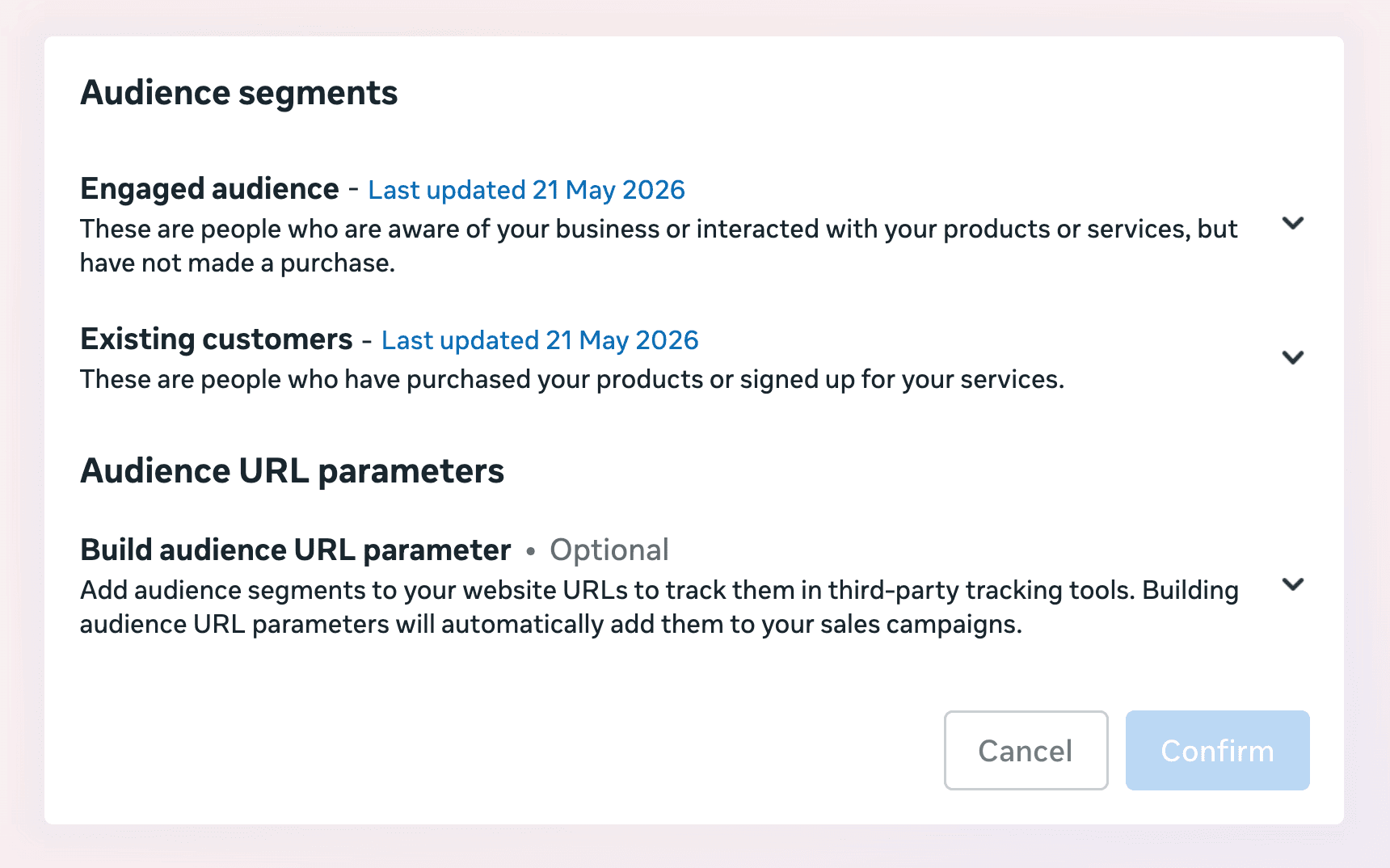
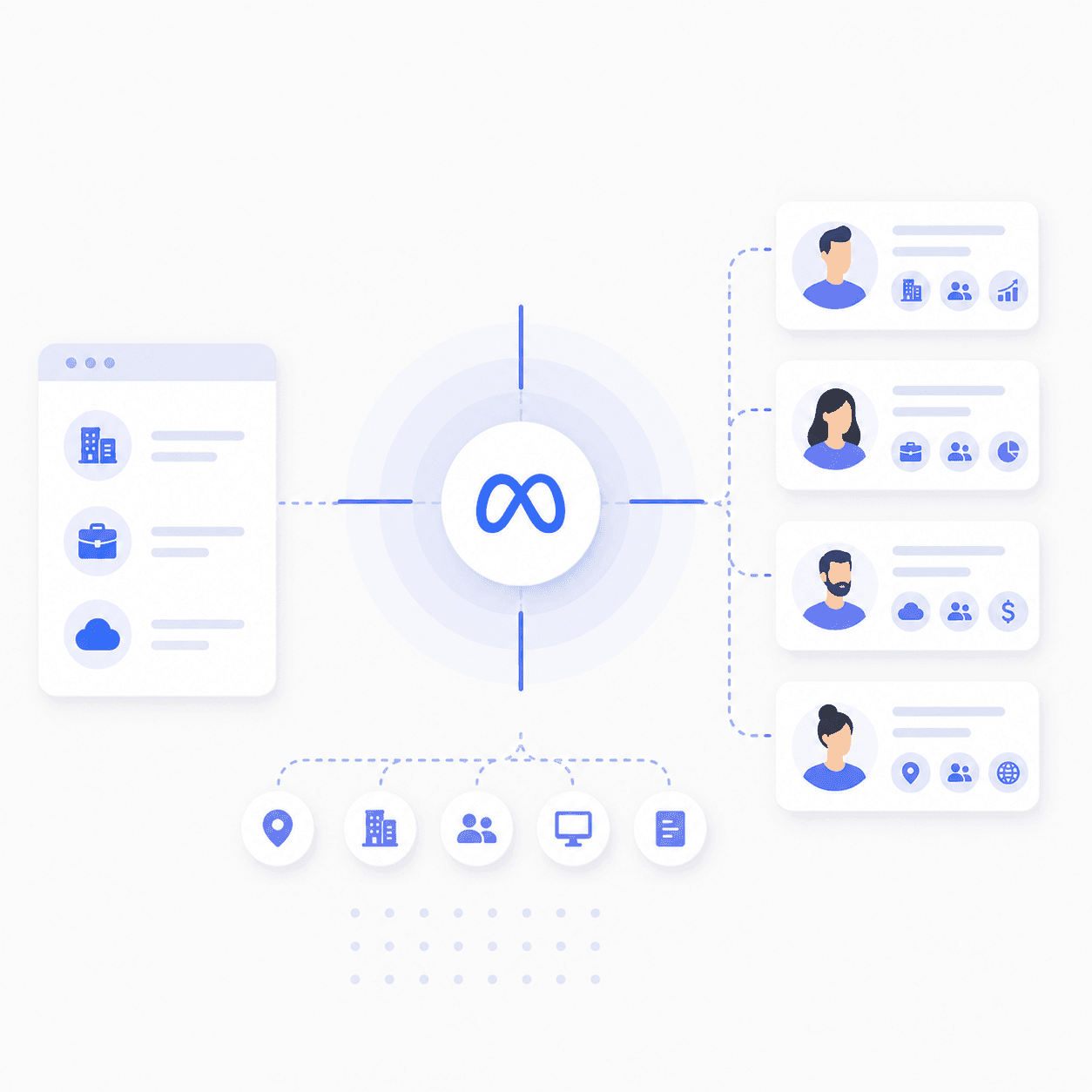
Uploading email lists or phone numbers lets you create custom audiences that Meta can match to user profiles. This is especially valuable in B2B because it allows you to reach known prospects, leads, customers, or accounts already in your pipeline. The match rate varies, but you'll typically see 30-60% of your list matched to Meta users.
Lookalike Audiences From High-Value Customers
Lookalike audiences help you reach new people who resemble an existing source audience. For B2B, seed lookalikes with your best customers, highest-LTV accounts, or closed-won deals rather than all leads. Source quality matters because Meta will find more people who look like whoever you give it.
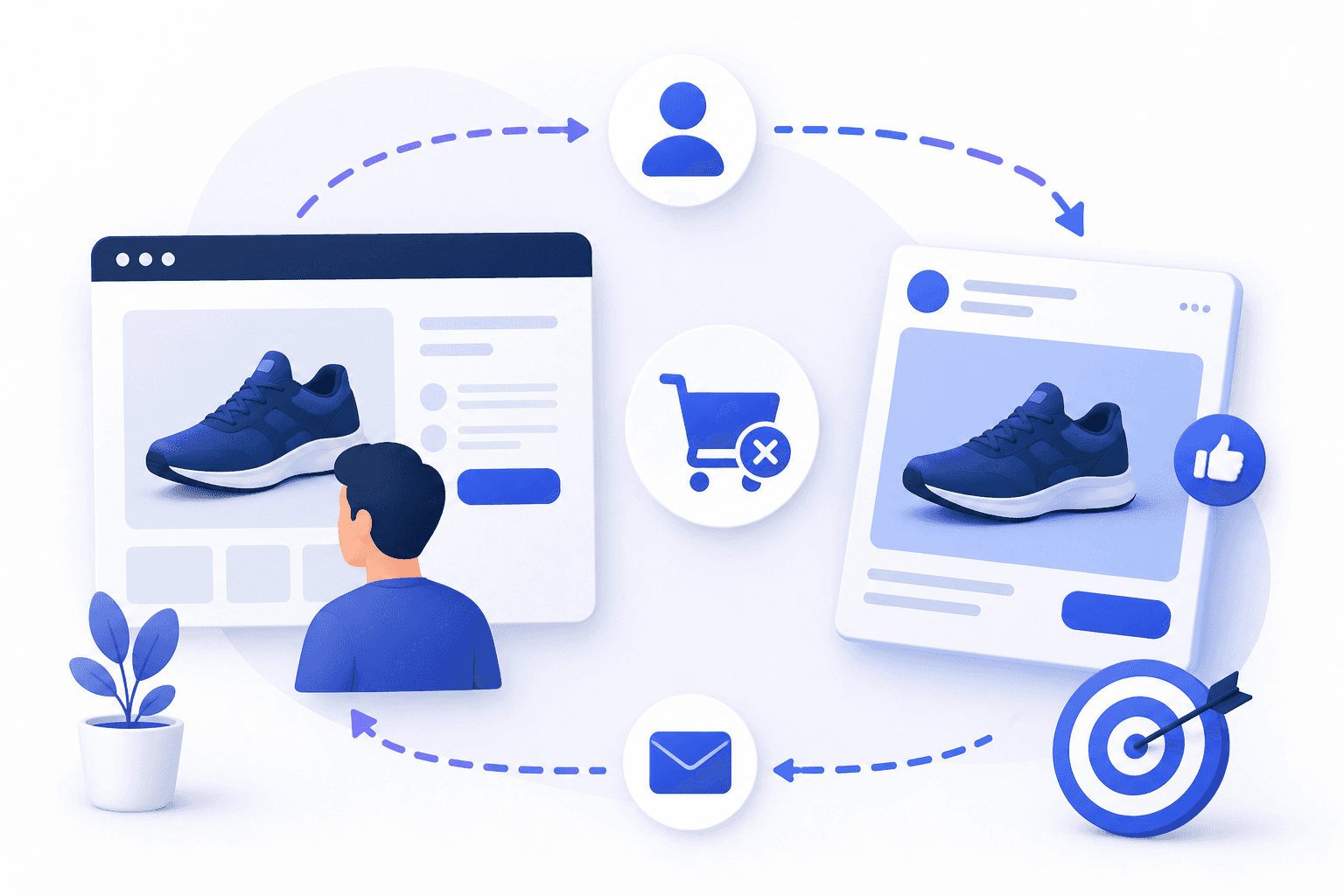
Retargeting Warm Traffic
Retargeting is non-negotiable for B2B. Target website visitors, engaged LinkedIn traffic, content consumers, and email openers with case studies, testimonials, and trust-building creative. This is where Meta performs especially well for B2B because you're reaching people who already know you exist.
Most B2B marketers assume Facebook is for DTC brands and LinkedIn is where serious business happens. That assumption leaves money on the table — 75% of B2B buyers use social media to help make purchasing decisions.
Meta ads can drive qualified pipeline for B2B companies—but only when the strategy reflects longer sales cycles, multiple decision-makers, and the reality that corporate brochure-style creative doesn't stop anyone from scrolling. This guide covers targeting, creative, landing pages, and measurement for B2B brands running Facebook and Instagram ads.
Key Takeaways
Facebook ads work for B2B brands when the creative avoids corporate brochure-style messaging and instead features educational content, direct-to-camera video, and social proof.
Strong B2B Meta performance depends on first-party data, custom audiences, lookalikes, and retargeting—not just cold interest targeting.
B2B campaigns perform better when optimized for qualified pipeline and revenue impact rather than low-cost leads.
Landing pages that match the ad messaging and offer a mobile-first, conversion-focused experience tend to outperform generic homepage traffic.
Success on Meta for B2B comes from aligning creative, targeting, measurement, and post-click experience as one system.
Do Facebook Ads Work for B2B Brands?
B2B Facebook ads are effective for reaching professionals who make purchasing decisions. The difference from DTC, though, is that successful B2B ads feature educational content, direct-to-camera videos from company leaders, and social proof that builds trust over a longer buying cycle. Most B2B advertising fails on Meta because the creative looks like a corporate brochure instead of something a real person would stop scrolling for.
For B2B, "working" means generating qualified pipeline and revenue potential. You might get a $15 CPL (cost per lead), but if none of those leads convert to opportunities, you've wasted budget. Here's the honest answer to "how well do B2B Facebook leads convert?": raw Facebook leads convert unevenly, and quality depends entirely on how you define "qualified." The metric that matters is cost per qualified opportunity, not raw lead volume — we break down the actual conversion rates in the section on how well B2B Facebook leads convert below.
Faces over logos: Ads featuring a real person speaking to camera about a specific pain point tend to outperform polished product graphics
Education over hard sells: Offering a guide, calculator, or industry report builds credibility before asking for a demo — buyers are 80% through their buying process before engaging with sales
Clear pain-point messaging: The first two seconds determine whether someone keeps watching or scrolls past
Social proof and trust signals: Case studies, customer logos, and testimonials reduce friction in longer sales cycles
On the other hand, generic brochure copy, hard demo asks too early in the funnel, and homepage traffic without message match tend to underperform. Optimizing only for lead volume often produces a lot of contacts that never become customers.
Why B2B Facebook Ads Are Harder Than DTC
The buying process is structurally more complex. Sales cycles are longer, an average of 6.8 decision-makers are involved, price points are higher, and conversions don't happen immediately after a click.
Meta's algorithm performs best when it gets fast and frequent conversion feedback. B2B campaigns, however, usually produce fewer conversion events and longer delays between ad exposure and revenue outcomes. This makes optimization harder because the algorithm has less data to learn from.
Longer sales cycles: Conversion delays make it harder for Meta to quickly learn which users are likely to become customers
Multiple stakeholders: Buying committees complicate attribution because the person who clicks may not be the final decision-maker
Higher AOV: Higher-value offers usually mean fewer total conversions, which gives the algorithm less data to optimize against
When Facebook Ads for B2B Are the Right Fit
Meta ads work well for B2B in specific situations. You'll see the best results when one or more of the following is true:
You want to retarget warm audiences like website visitors, email subscribers, or engaged social traffic.
You want to supplement LinkedIn with a lower-cost channel that expands reach.
You've maxed out or plateaued on branded and high-intent search demand.
You sell a lower-consideration SaaS product with a shorter path to conversion.
You have an email list, CRM data, or customer list to build custom audiences.
You want to seed lookalikes from closed-won customers or high-LTV accounts.
If you're only running cold prospecting with interest targeting and no retargeting infrastructure, Meta will likely underperform LinkedIn for B2B. The channel works best as part of a layered paid media approach, not a standalone acquisition source.
LinkedIn Vs Facebook For B2B
The honest answer is to use both for different jobs. LinkedIn wins on targeting precision and lead quality. Facebook wins on reach and cost per touch. The trap is comparing benchmarks from different datasets, so read the scope label on every number below before you draw conclusions.
What Each Channel Costs
Facebook and LinkedIn benchmarks come from different populations. Facebook's public benchmarks are cross-industry; LinkedIn's usable B2B benchmarks are SaaS-specific and run much higher than LinkedIn's cross-industry averages.
Cost per touch: Facebook is cheaper to get in front of people, at a $1.92 leads CPC and $0.70 traffic CPC (WordStream 2025 cross-industry medians).
Retargeting and volume: Lower costs let you run retargeting sequences and creative testing at higher frequency.
Reach expansion: Facebook is the better place to expand once you've maxed high-intent LinkedIn and search demand.
How To Choose Between Them
Use LinkedIn when you need precise ABM targeting, C-suite or enterprise reach, and quality over volume on high-ACV deals.
Use Facebook when you're retargeting warm audiences, selling lower-consideration SaaS, or expanding reach cheaply from CRM and lookalike audiences.
Run both when budget allows: LinkedIn for precise top-of-funnel demand, Facebook for cost-efficient retargeting and mid-funnel nurture.
Choosing the Right Campaign Objective for B2B Facebook Ads
Your campaign objective tells Meta what outcome to optimize for. Selecting the wrong one can waste budget and produce the wrong type of result.
Lead Generation
Facebook Lead Ads use native forms to capture contact information without sending users off-platform. This reduces friction and can increase lead volume, but it often results in lower-quality leads because the barrier to submit is so low. Lead Ads work well for top-of-funnel offers like guides, calculators, checklists, or webinars where you're building an audience rather than qualifying buyers.
Conversions and Sales
Conversion campaigns optimize for actions taken on your website, like demo requests, booked calls, or free trial signups. This approach is better for mid- and bottom-funnel goals. However, it requires proper Conversions API (CAPI) setup and enough conversion volume for Meta to learn effectively. If you're getting fewer than a handful of conversions per week, the algorithm won't have enough signal to optimize well.
Traffic and Awareness
Awareness campaigns can be useful for brand building and feeding retargeting sequences. If your real goal is leads or pipeline, though, do not optimize for traffic alone. Meta will often find people who click rather than people who buy.
How to Target B2B Buyers on Facebook and Instagram
While broad targeting has become increasingly important on Meta, B2B brands still benefit from layered audience approaches built inside Meta Ads Manager.
Interest and Job Title Targeting
You can target by job titles, industries, employer-related traits, and interests. Meta's B2B targeting is less precise than LinkedIn's, though. Use interest and job title targeting as a starting point rather than your entire approach.
CRM and First-Party Custom Audiences
Uploading email lists or phone numbers lets you create custom audiences that Meta can match to user profiles. This is especially valuable in B2B because it allows you to reach known prospects, leads, customers, or accounts already in your pipeline. The match rate varies, but you'll typically see 30-60% of your list matched to Meta users.
Lookalike Audiences From High-Value Customers
Lookalike audiences help you reach new people who resemble an existing source audience. For B2B, seed lookalikes with your best customers, highest-LTV accounts, or closed-won deals rather than all leads. Source quality matters because Meta will find more people who look like whoever you give it.
Retargeting Warm Traffic
Retargeting is non-negotiable for B2B. Target website visitors, engaged LinkedIn traffic, content consumers, and email openers with case studies, testimonials, and trust-building creative. This is where Meta performs especially well for B2B because you're reaching people who already know you exist.
Looking for b2b Meta ads support?
We're a small, hardworking, US-based team. Book a call and get a free audit today.
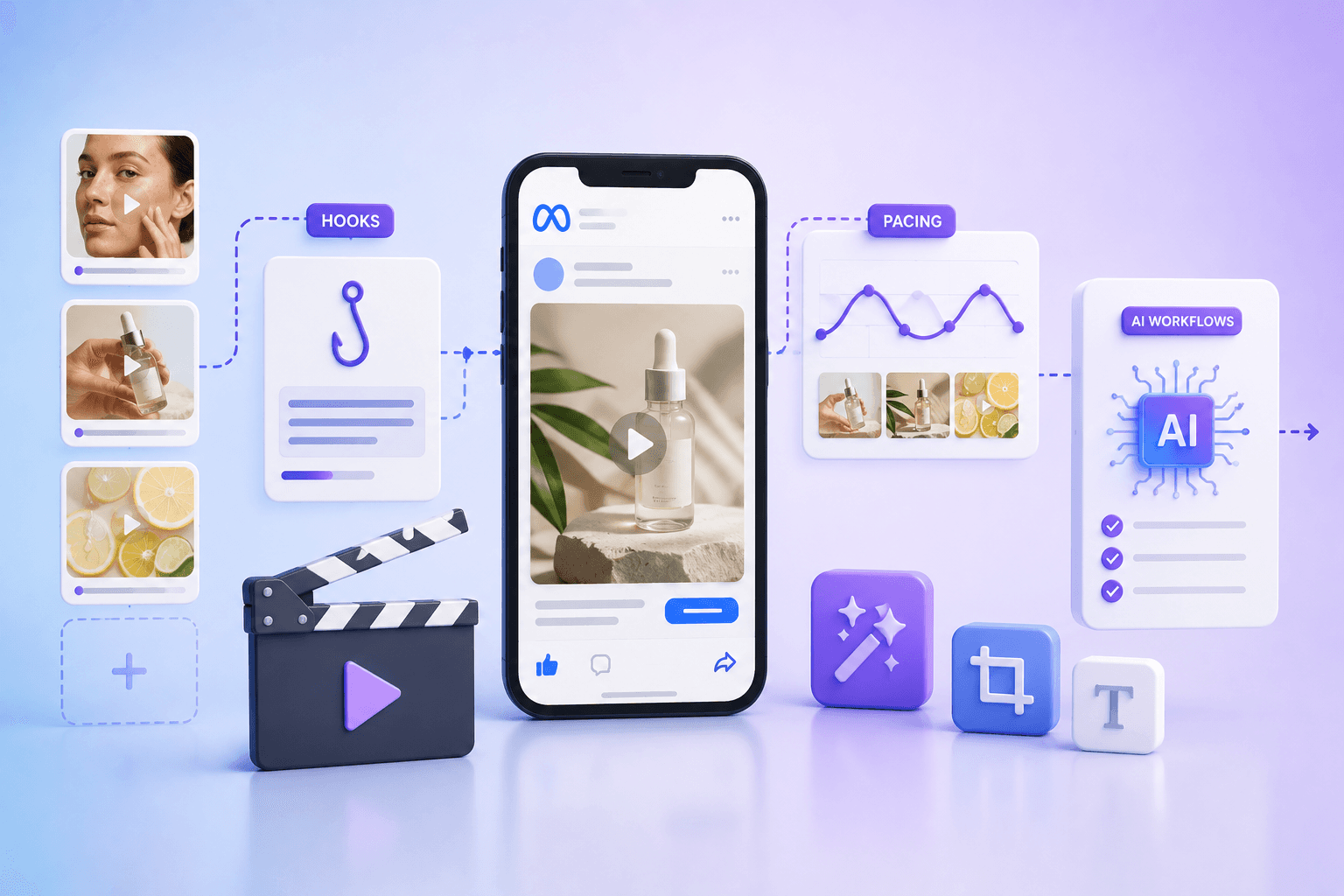
Most B2B Meta creative fails because it's too dry, too polished, or too corporate. Strong ads quickly communicate what you do, who it's for, why you're better, and what action the viewer can take.
Lead With the Problem in the First Two Seconds
Hooks matter. If you don't capture attention immediately, the ad loses. Open with a specific industry pain point or buyer frustration instead of leading with your logo or product name. The first frame determines whether someone keeps watching.
Direct-Response Statics and Carousels
Static image ads and carousel formats work well for highlighting multiple benefits, product features, or proof points. Keep the copy focused on benefits and outcomes rather than just features. Carousels let you tell a sequential story or showcase different use cases in a single ad unit.
UGC and Founder-Led Video
Faces tend to outperform logos. A real person speaking directly to camera about a specific pain point usually works better than stock photography. Founder-led video can be especially effective for building trust in B2B because it puts a human face on the company.
High-Frequency Creative Testing
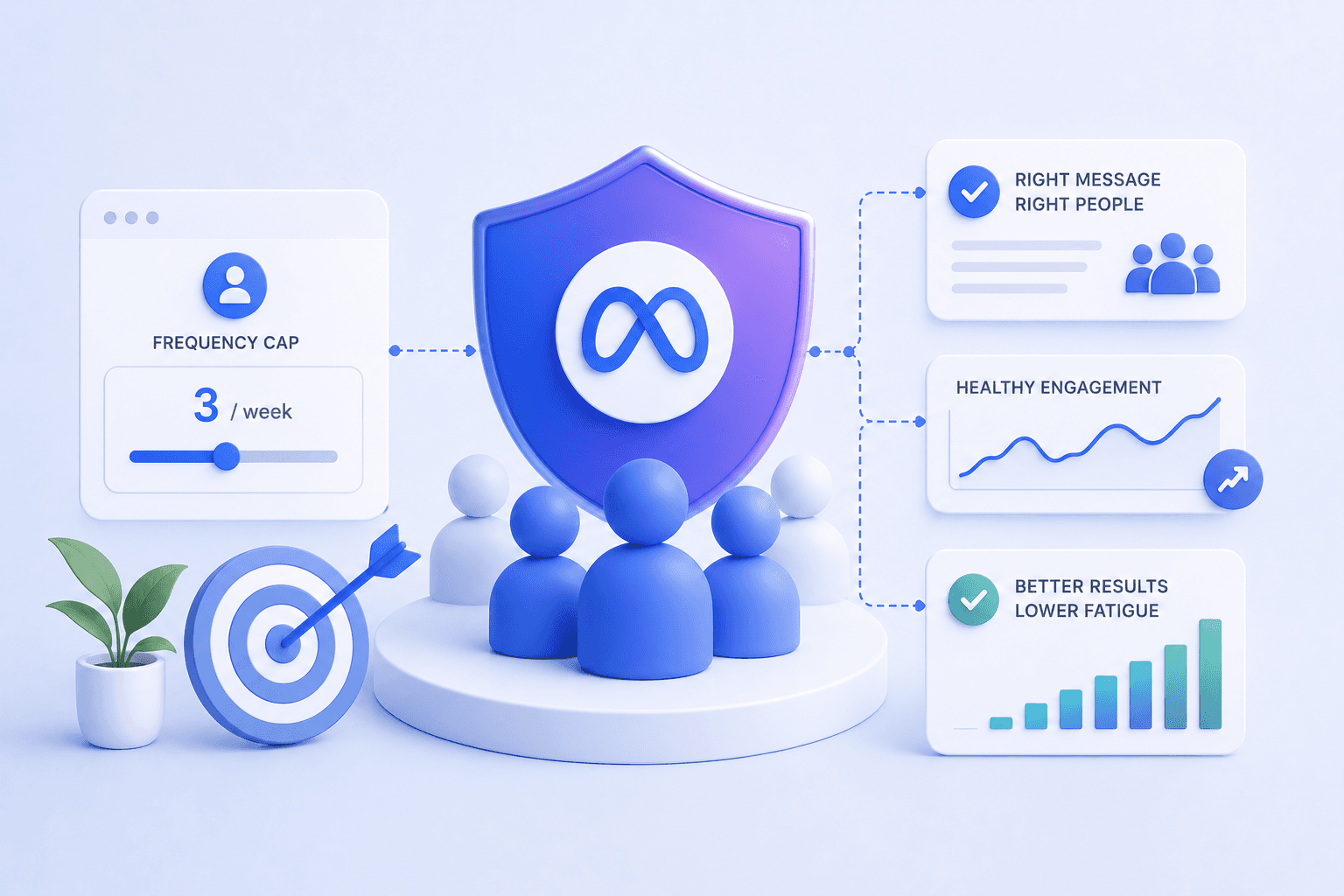
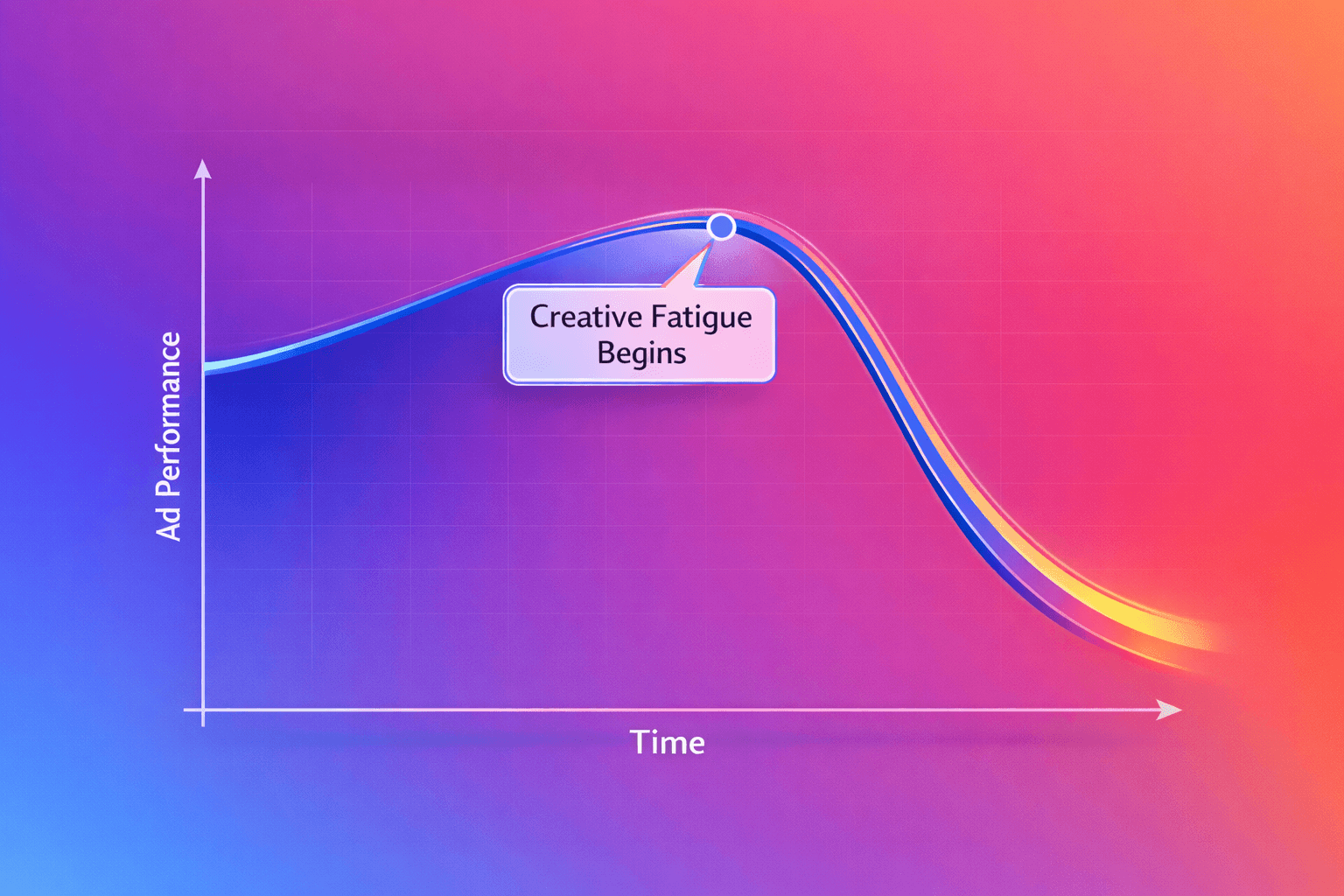
B2B brands benefit from continuous creative testing to prevent fatigue and improve performance over time. Test hooks, formats, concepts, and messaging angles systematically. This is where many B2B companies under-invest, and it's where Flighted's approach to Creative Strategy creates an advantage by treating creative as a performance lever rather than a one-time deliverable.
Landing Pages That Convert B2B Meta Traffic
Ad performance depends heavily on the landing page experience. Do not send paid traffic to your homepage.
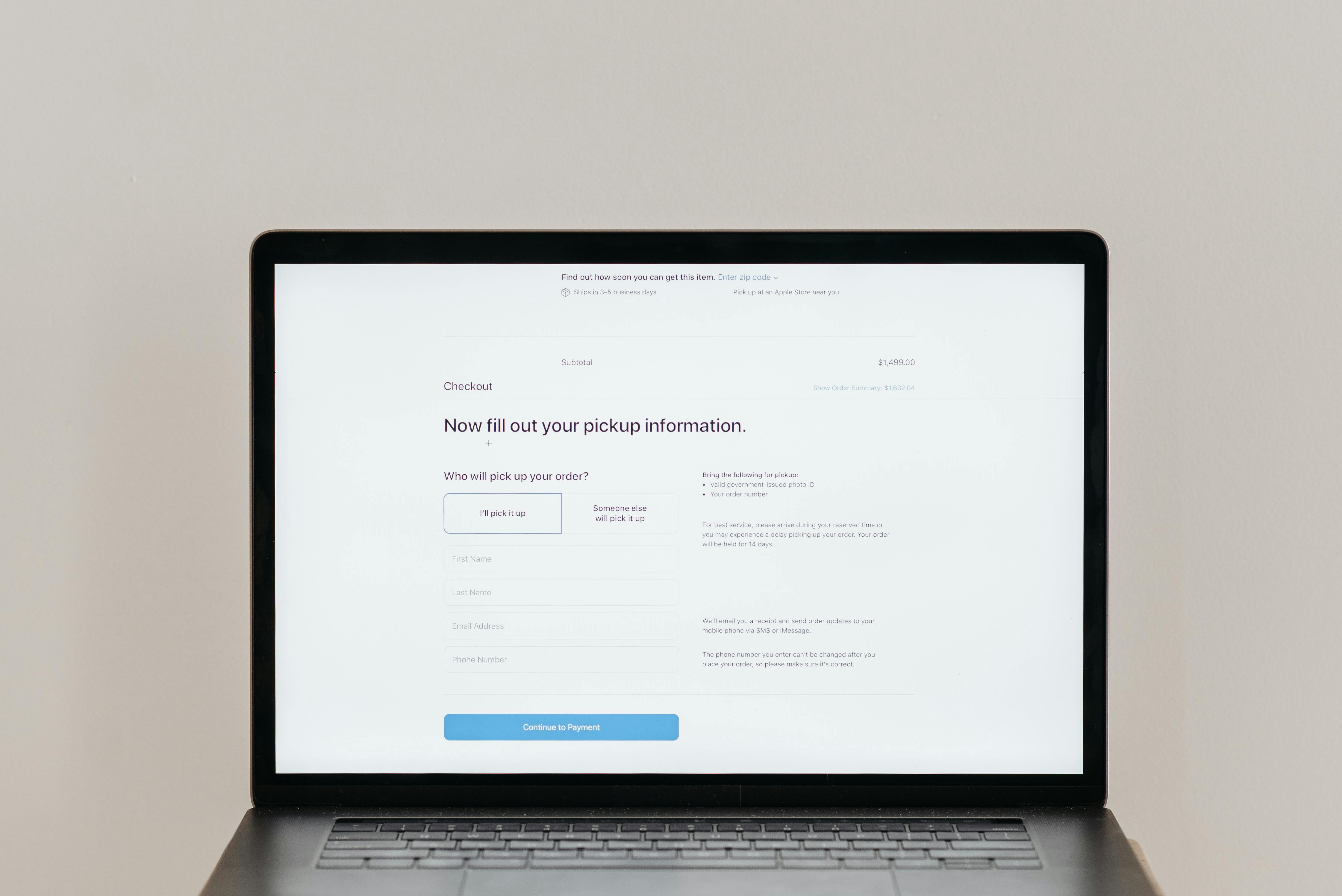
B2B landing pages work best when they're mobile-first, message-matched to the ad, and designed for conversion. A/B testing is ongoing work rather than a one-time project. Flighted's three pillars of Paid Media, Creative Strategy, and Landing Page Design work together precisely because each one affects the others.
Landing Page Element
What Works
What Fails
Message match
Ad copy mirrors page headline
Generic homepage messaging
Design
Mobile-first, focused layout
Desktop-only, cluttered navigation
CTA
Clear, prominent, single action
Multiple competing CTAs
Social proof
Case studies, logos, testimonials
No proof or buried at bottom
How Well Do B2B Facebook Leads Convert?
The short answer: a small fraction of raw leads become revenue. That's true across channels, but it's especially important to internalize for paid social, where low CPLs can mask poor down-funnel performance.
Stack those rates and you see why raw lead volume is the wrong target: even with strong qualification at every gate, only a thin slice of top-of-funnel leads reach closed-won.
Channel matters too. First Page Sage found that roughly 30% of social-media-sourced leads become MQLs, where an MQL is defined as a contact fitting the ideal-customer profile.
Timeline compounds the challenge. Optifai reports a median B2B SaaS sales cycle of 84 days, with SMB deals (under $15K ACV) closing in 14–30 days, mid-market ($15K–$100K) in 30–90 days, and enterprise (over $100K) in 90–180+ days. You won't know if Facebook leads convert to revenue for months.
What about cost? WordStream puts the 2025 median Facebook cost per lead at $27.66 across all industries. Caveat: this is an all-industry median with no B2B SaaS category, and it measures form-fill cost — not cost per qualified lead. B2B SaaS costs are typically higher.
The practical fix: decide what "qualified" means before you spend. A firm might define qualified as a company with annual revenue of at least $500,000. Then feed Meta two conversion signals — a Lead event and a down-funnel Qualified-Lead event — so the algorithm optimizes toward good-fit buyers, not cheap form fills. To map every stage from cold to closed-won, you need Paid Media Expertise, Creative Strategy, and Landing Page Design working together: the right targeting and conversion signals, messaging that qualifies prospects in the ad itself, and pages built to convert the traffic you're paying for.
Measuring ROI on B2B Facebook Ads With Long Sales Cycles
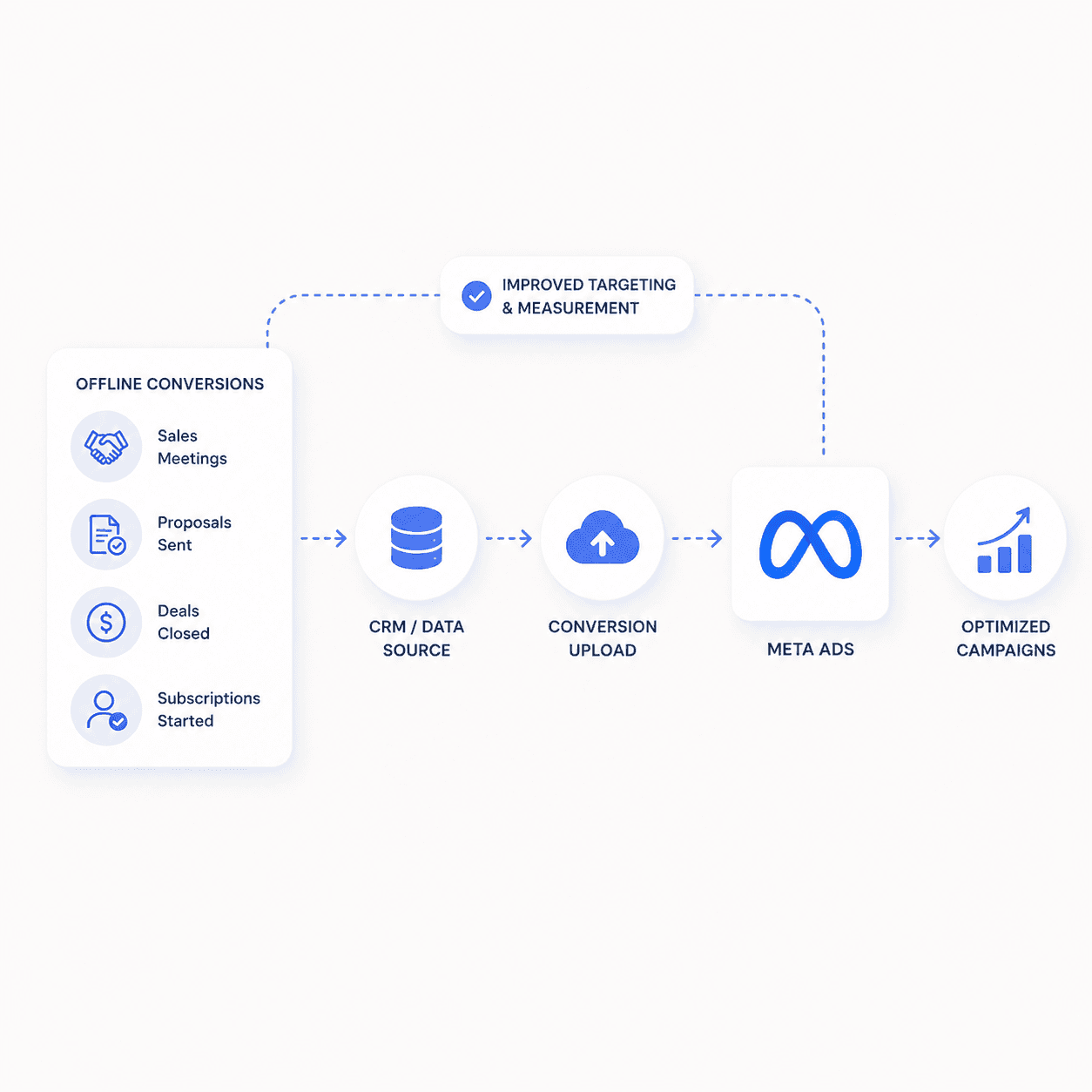
B2B attribution is more difficult because conversions are delayed and revenue often happens offline through a sales process.
Set Up Offline Conversion Tracking and CAPI
Conversions API (CAPI) and offline conversion tracking allow you to send CRM outcomes back to Meta. Qualified opportunities, closed deals, and pipeline stages can all be passed back so Meta can optimize toward real business outcomes rather than shallow lead events. For B2B, this setup is essential.
Track Pipeline Metrics Alongside CPL
CPL alone can be misleading. A $50 CPL that converts to pipeline at 20% is better than a $15 CPL that converts at 2%. Track cost per qualified lead, cost per opportunity, pipeline value, and revenue contribution so you don't optimize toward cheap leads that never close.
Common B2B Facebook Ads Mistakes to Avoid
Copying DTC Playbooks
B2B buyers behave differently than DTC consumers. Direct-response tactics built around impulse purchases often don't translate. Lead with education and trust-building instead of pushing immediately for a demo.
Optimizing for Cheap Leads Over Qualified Pipeline
A low CPL is meaningless if the leads don't become opportunities or customers. Focus optimization on down-funnel quality and pipeline impact rather than raw lead volume.
Neglecting the Landing Page
Even strong ads will underperform if the landing page doesn't convert. Sending paid traffic to a generic homepage is one of the most common ways to waste spend.
B2B Facebook Ads Best Practices
Use this as a pre-launch and optimization checklist. Each item maps to one of Flighted's three pillars: Paid Media Expertise, Creative Strategy, and Landing Page Design working together.
Do:
Define "qualified" before you spend, then optimize to cost per qualified opportunity, not raw CPL.
Feed Meta two conversion signals: a Lead event and a down-funnel Qualified-Lead event.
Set up CAPI and offline conversion tracking so closed deals flow back to Meta.
Build custom audiences from CRM data and seed lookalikes from closed-won or high-LTV accounts.
Make retargeting non-negotiable, and serve warm audiences case studies and testimonials.
Lead creative with a specific pain point in the first two seconds, and use faces over logos.
Test hooks, formats, and angles continuously to prevent creative fatigue.
Send clicks to mobile-first, message-matched landing pages, never the homepage.
Don't:
Copy DTC impulse-purchase playbooks or ask for a demo too early in the funnel.
Optimize for cheap leads, traffic, or raw lead volume that never becomes pipeline.
Run cold interest targeting with no retargeting infrastructure behind it.
Judge performance before the sales cycle plays out, which is often 60–90+ days.
Making Facebook Ads Work for Your B2B Brand
Facebook ads can work for B2B brands when creative, targeting, and landing pages operate together as a system. The days of button-pushing are over. Sustainable Meta performance requires a structured, data-driven approach where Paid Media expertise, Creative Strategy, and Landing Page optimization work interdependently.
Frequently Asked Questions About B2B Facebook Ads
What is a good cost per lead for B2B Facebook ads?
There's no universal CPL benchmark because results vary by industry, product price point, and funnel stage. A $50 CPL that converts to pipeline at 20% is better than a $15 CPL that converts at 2%. Focus more on cost per qualified lead or cost per opportunity than raw CPL.
Is a small daily budget enough for B2B Facebook ads?
Small budgets can limit Meta's ability to exit the learning phase and gather enough data to optimize well. You typically want enough spend to generate meaningful conversion signals, which varies by your conversion event and audience size.
How long does it take to see results from B2B Facebook ads?
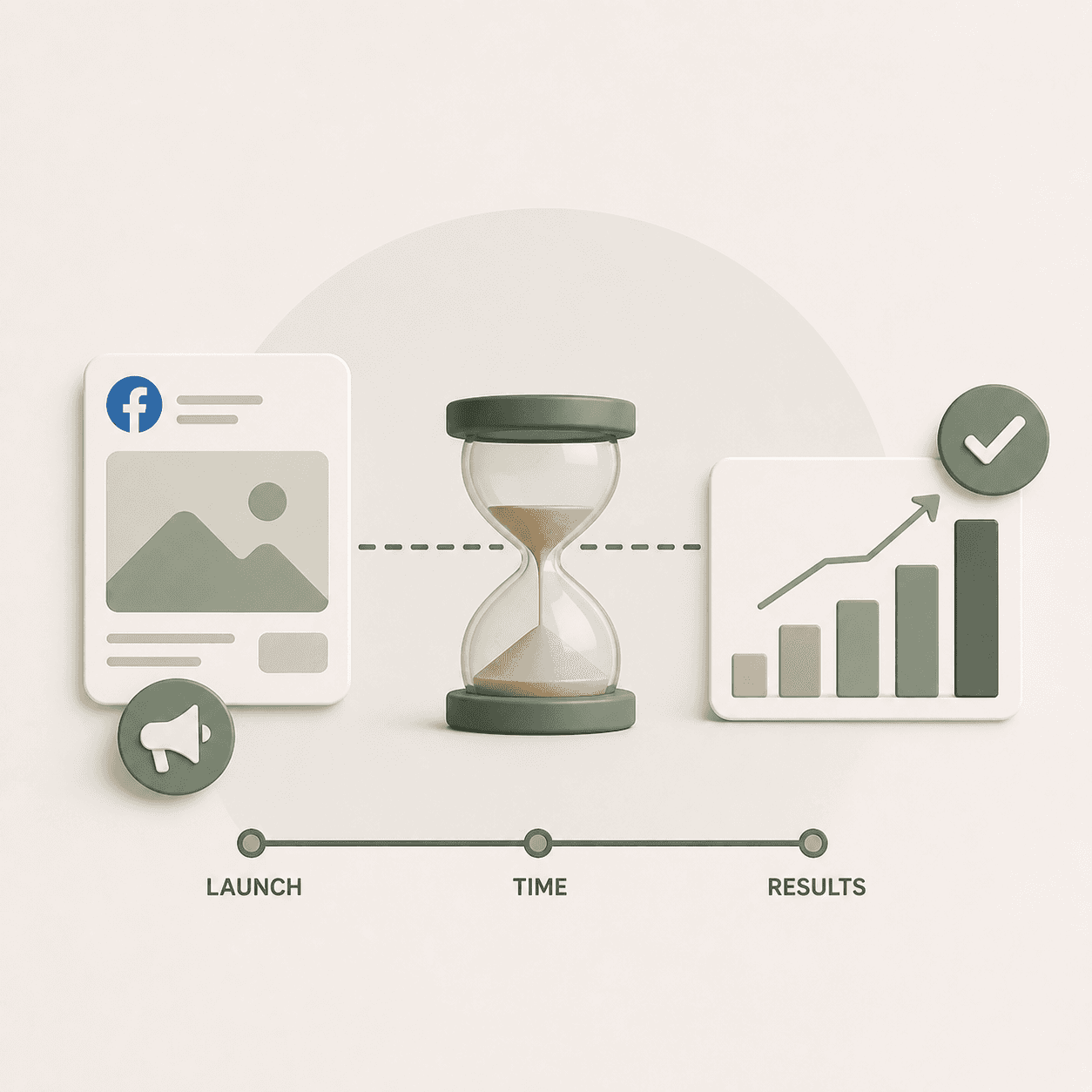
B2B timelines are usually longer than DTC because of the sales cycle. You may see early performance indicators within 2-4 weeks, but true ROI measurement often requires tracking through closed deals over 60-90+ days.