DTC Meta Ads Creative in 2026: A Performance Editor's Playbook for Hooks, Pacing, and AI Workflows
Meta Ads
June 5, 2026

Table Of Contents
Looking for Meta ads support?
We're a small, hardworking, US-based team. Book a call and get a free audit today.
How Long Should DTC Meta Video Ads Be?
There's no universal magic number, and anyone who gives you one is selling something. Length should follow the job the ad is doing and the audience temperature.
For cold prospecting, the useful range for most DTC video ads sits somewhere around 15 to 45 seconds — long enough to deliver a hook, build momentum, and make the case, but short enough that you're not betting on a mobile viewer's patience. The real rule isn't the runtime; it's that every second has to earn its place. A tight 20-second ad beats a flabby 45-second one every time, because the flabby one has dead space and the tight one doesn't.
The principle from the pacing section is what actually governs length: cut before energy drops. If you can tell the story in 18 seconds, don't pad it to 30 to hit some arbitrary target. If the concept genuinely needs 60 seconds and holds attention the whole way, let it run. Let the Meta ad metrics that actually matter — retention curves, thumbstop rate, hold rate — tell you where to trim, not a guru's rule of thumb.
How Often Should You Refresh Creative?
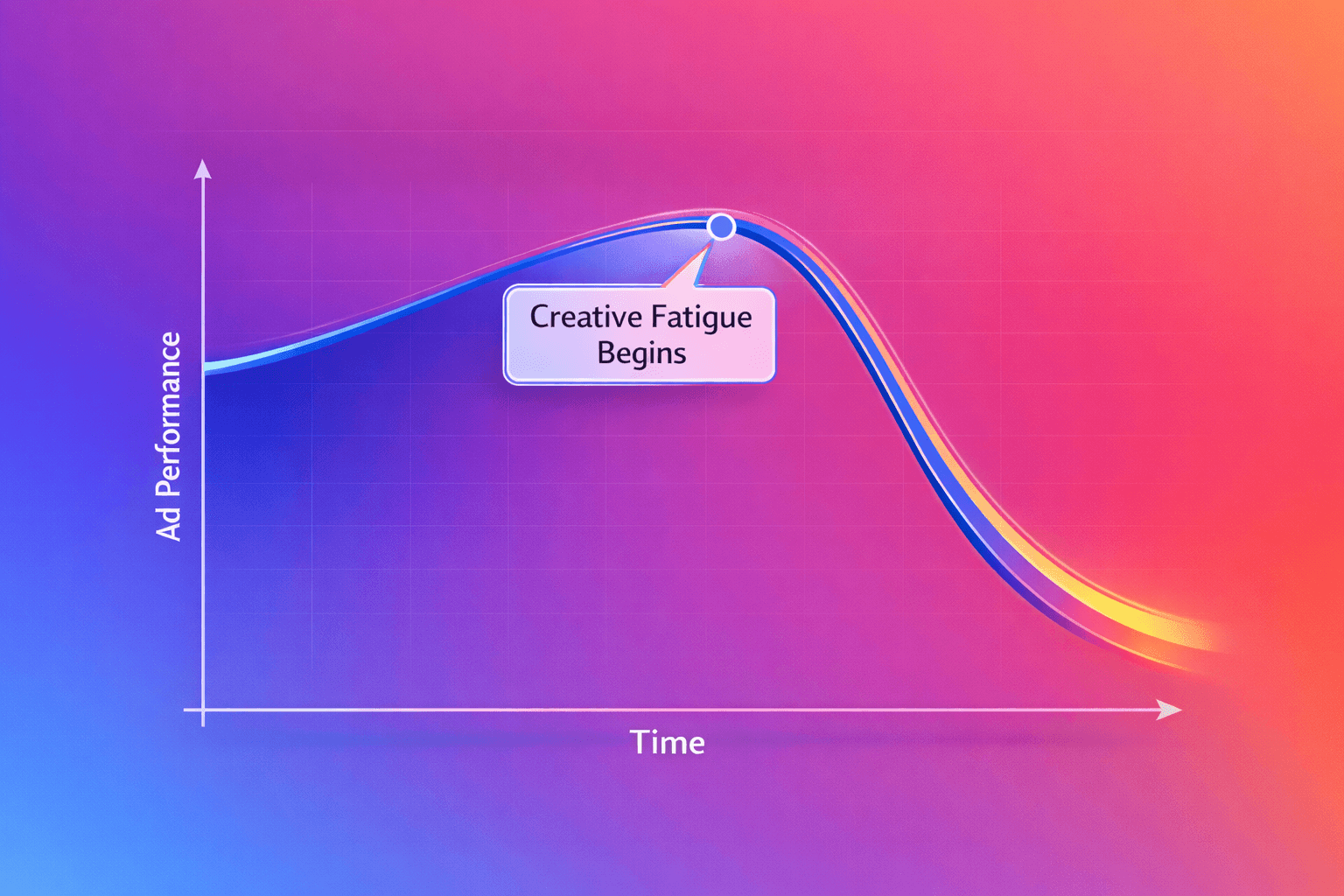
Creative fatigue is real, and on Meta it usually shows up as rising frequency and slowly declining performance on ads that used to win. There's a deeper diagnostic process for catching it — we covered it in detail in our guide to identifying and fixing Meta ad fatigue — but the short version is that the answer to "how often should I refresh?" is less about a calendar and more about maintaining a steady cadence so you're never caught without fresh winners in the pipeline.
For most DTC accounts, a practical baseline for creative health includes:
Weekly Cadence: Launch a handful of new concepts and variations every week.
Fatigue Monitoring: Watch for rising frequency paired with declining performance at the account level.
Proactive Pipeline: Treat creative production as a permanent, funded function rather than a quarterly project.
The deeper point is that creative volume is the real constraint on scaling DTC Meta ads in 2026 — not bidding, not targeting. The brands that win are the ones who've built a system that reliably produces testable concepts, so refreshing isn't a fire drill. It's just the engine running.
Creative Performance Is Pattern Recognition
Over enough reps, you start noticing patterns: which types of hooks repeatedly work, which emotions convert best, which pacing structures hold attention, which visuals build trust, which styles feel overused, and what instantly reads as "an ad." After enough volume, editing becomes less about making cool visuals and more about quickly recognizing what's likely to perform before you've spent a dollar testing it. It's the same instinct behind our DTC Facebook ads growth hack — pattern-matching against what already worked, fast.
That's the real reason volume and repetition matter so much. The goal was never perfection on every edit. The goal is to learn fast enough that good decisions become instinctive — so the right hook, the right cut, and the right concept start to feel obvious instead of agonized over.
Final Thoughts
I don't think there's one formula that guarantees a winning creative. But the editors and DTC brands that consistently improve almost always focus on the same things: stronger concept selection, a faster grasp of attention psychology, emotional clarity, retention over decoration, realism over polish, and continuous repetition over time.
The technical side of editing matters. But creative judgment is the bigger multiplier — and judgment is something you build, rep by rep, by paying attention to what actually performs. If you'd rather have a team that's already built that pattern library across hundreds of accounts, that's exactly what a Meta ads agency for DTC brands like Flighted is for.
Frequently Asked Questions
Should DTC Meta ads use static images or video? Both. Lead cold, top-of-funnel prospecting with video, since it gives you the runway to deliver a hook and build momentum. Use statics — value-prop images, before/afters, review screenshots, comparisons — to convert warmer, solution-aware buyers cheaply and to iterate quickly. Let Meta allocate spend across both inside the same testing engine rather than choosing one format.
How do I script UGC ads for a DTC brand? Open on the hook, not an intro. Name a specific, recognizable pain, bridge naturally to the product as the obvious fix, show proof, and close with a low-friction CTA. Write the way real people talk — short sentences, small imperfections, natural pauses — and brief the creator on the emotional beat rather than a word-for-word teleprompter read. Over-scripting is what makes UGC feel like an ad.
How often should I refresh creative for DTC Meta ad campaigns? Think cadence, not calendar. Feed a handful of new concepts into testing every week so you always have fresh winners ready as older ads fatigue. Watch account-level frequency and performance trends: when an aging winner slides and frequency climbs, your next batch should already be ready. Creative volume is the real bottleneck for scaling on Meta in 2026.
What length should DTC Meta video ads be? There's no universal number. For cold prospecting, most DTC video ads land somewhere around 15 to 45 seconds. The real rule is that every second has to earn its place — a tight 20-second ad beats a flabby 45-second one. Cut before energy drops, and let retention curves tell you where to trim rather than an arbitrary target.
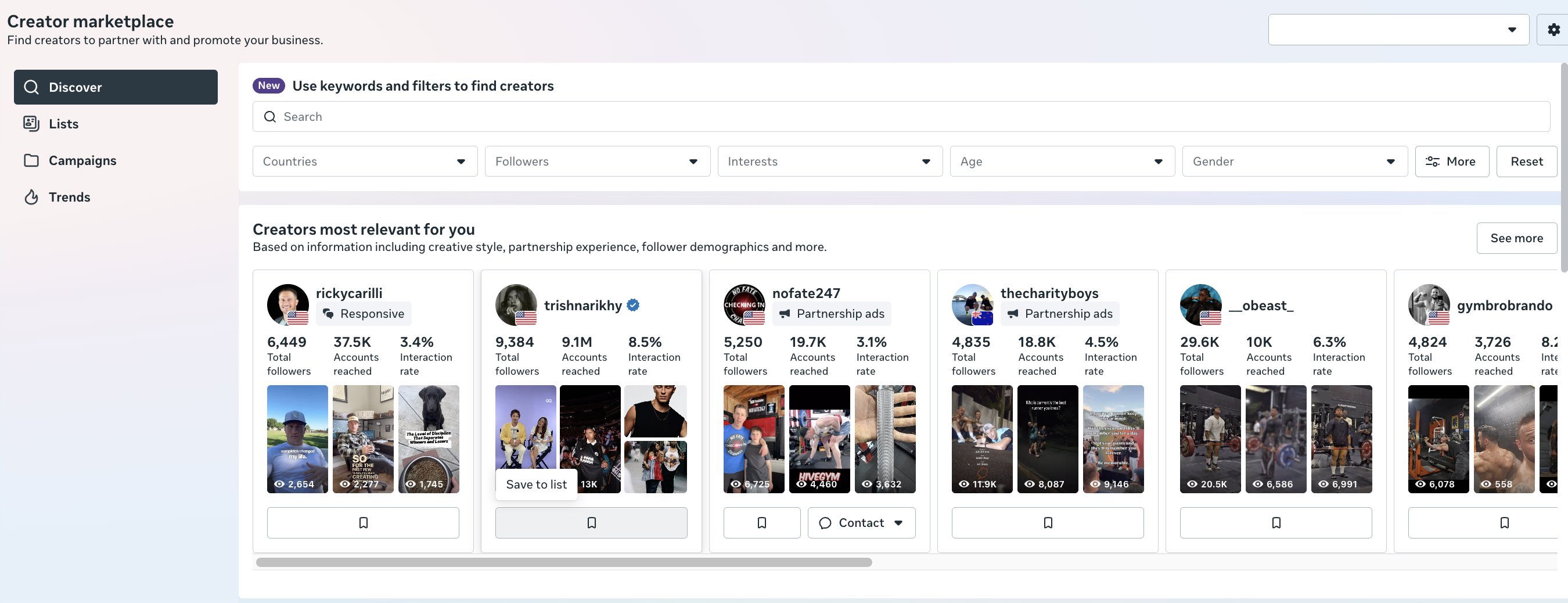
Should DTC Meta ads use influencer content or brand-shot content? Both, for different jobs. Influencer and creator content carries native, in-feed trust and tends to win on cold audiences, with the trade-off of less control. Brand-shot content gives you full control over messaging and product accuracy, ideal for hero moments and precise demos. Run both through the same testing engine and judge them on incremental performance, not on how premium they look.
Why do raw, unpolished ads often beat polished ones? Because believability drives performance more than production value. Raw, emotionally direct creative reads as authentic and native to the feed, while overly polished work signals "ad" and triggers scrolling. The same principle applies to AI creative — the goal is realism and believable human behavior, not cinematic perfection.
What's the most important part of a DTC Meta ad? The hook. Most ads are won or lost in the first few seconds, and the hook decides whether anyone stays long enough to see the rest. Just as important is the concept behind it — a mediocre edit on a strong concept routinely beats a beautiful edit on a weak angle.