Frequency Capping: Best Practices for B2B SaaS Meta Advertisers

Meta Ads

June 16, 2026
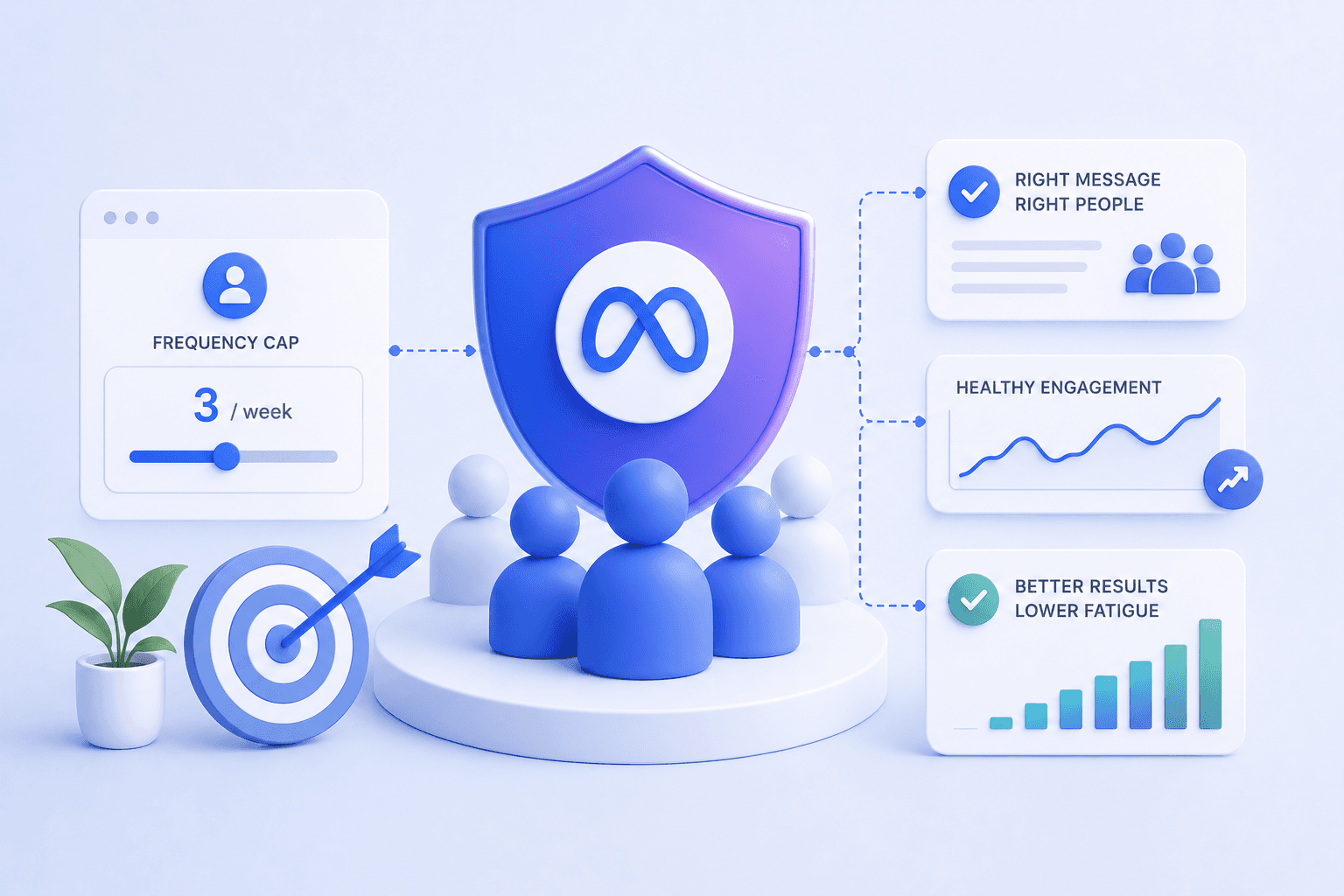
Table Of Contents

No headings found on page

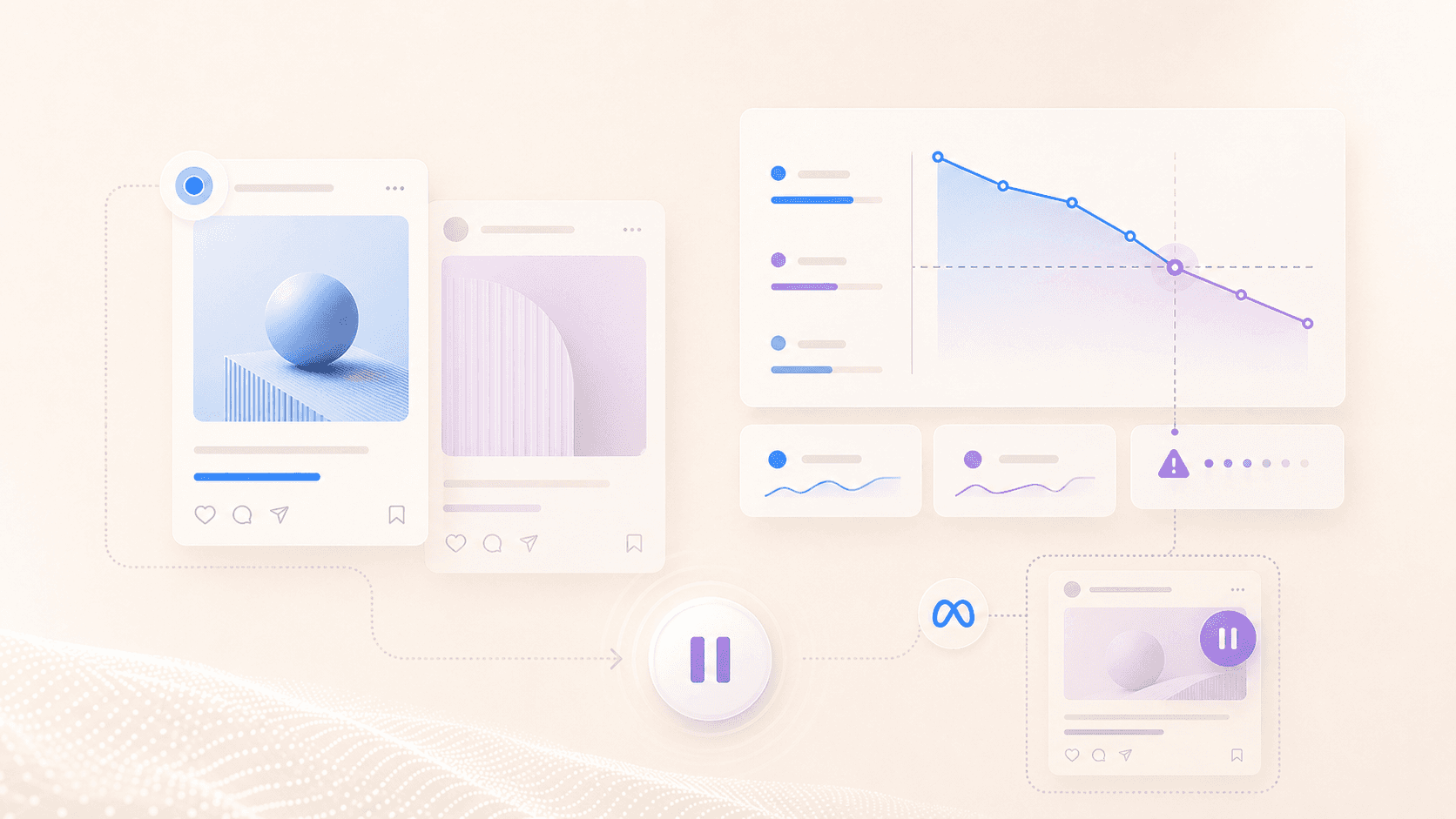
Your Meta ads are showing to the same 500 people twelve times a week, and you're wondering why CPA keeps climbing. That's not a targeting problem—it's a frequency problem.

Frequency capping limits how many times a single user sees your ad within a set time window. For B2B SaaS advertisers working with smaller audiences and longer sales cycles, getting this right determines whether you scale efficiently or burn through budget annoying the same prospects repeatedly. This guide covers how frequency capping works on Meta, how to set caps by funnel stage, and the specific benchmarks and mistakes that matter for B2B campaigns.

Key Takeaways

  1. Frequency capping limits how many times a single user sees your ad within a set time window, preventing ad fatigue and wasted spend.

  2. B2B SaaS advertisers face unique challenges because smaller audiences and longer sales cycles make over-exposure more damaging.

  3. The right cap depends on funnel stage, audience size, sales cycle length, and creative variety in rotation.

  4. Start with conservative caps of 1–2 impressions per week for prospecting, then increase only if performance data supports it.

  5. Cap by funnel stage rather than applying one frequency rule across every campaign.

What Is Frequency Capping

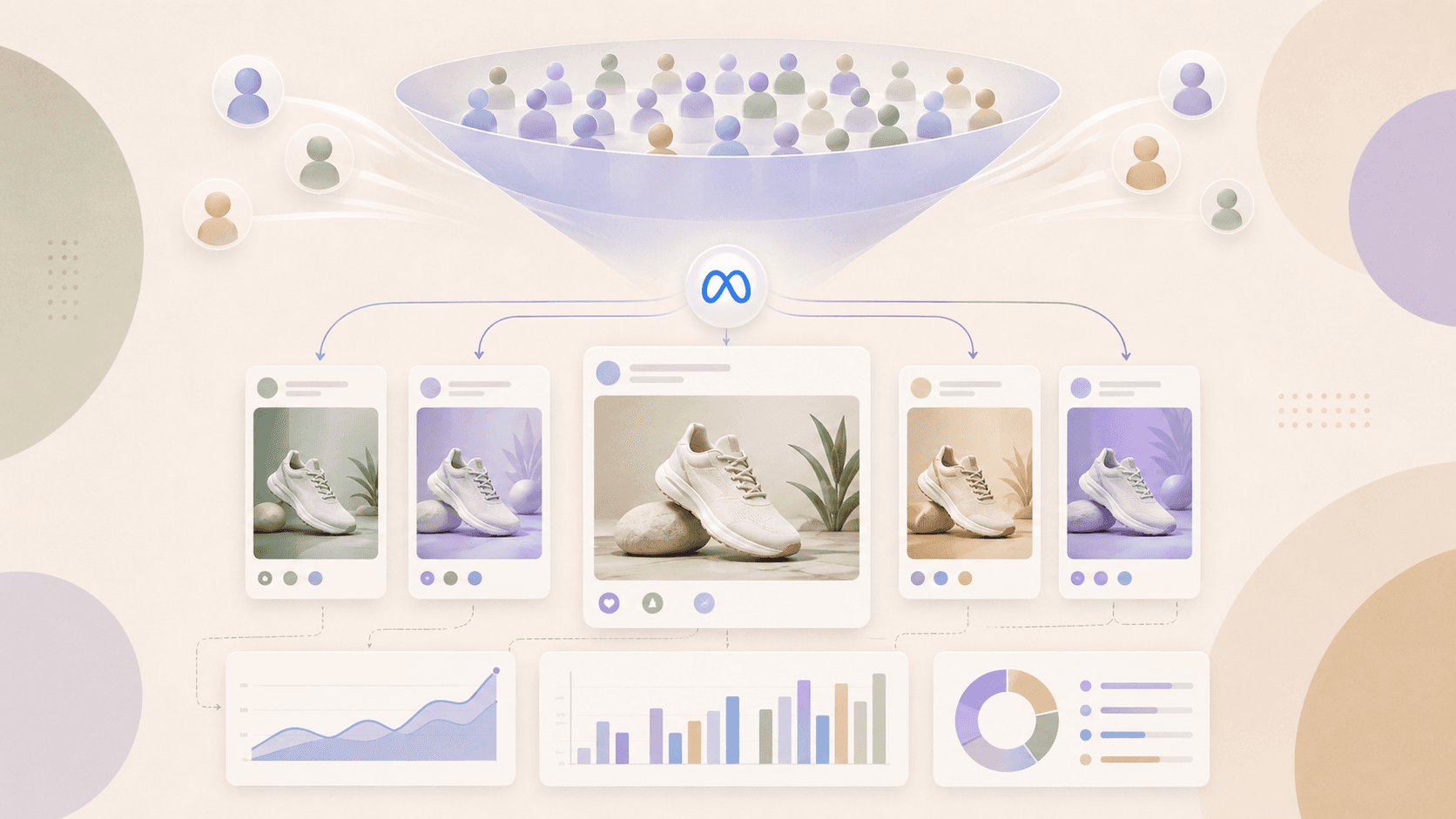
Frequency capping is a rule that tells an ad platform: do not show my ad to the same user more than X times in Y period. Think of it as a speed limit for ad delivery. Without one, Meta's algorithm will keep serving your ads to whoever it thinks will engage—even if that means showing the same person your ad eight times in three days.

Two terms come up constantly in this conversation:

  • Frequency: The average number of times your ad was shown to each user

  • Frequency cap: The maximum number of times you allow your ad to be shown to the same user within a defined window

On Meta, frequency capping is most commonly associated with the Reach and Frequency buying type. When you don't set a cap, Meta optimizes for delivery volume, which often means hammering the same users repeatedly rather than expanding your reach.

Why Frequency Capping Matters for B2B SaaS Meta Campaigns

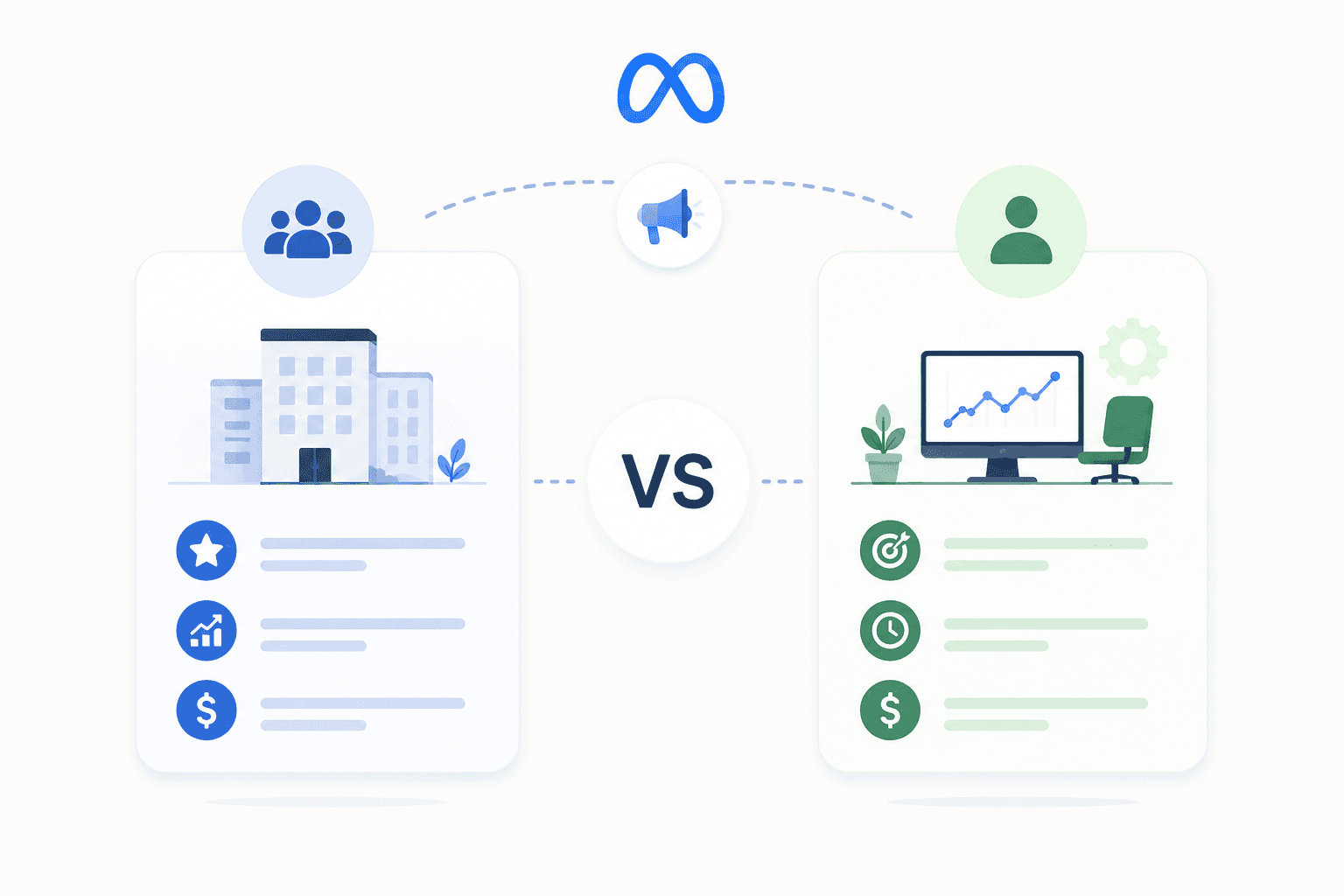
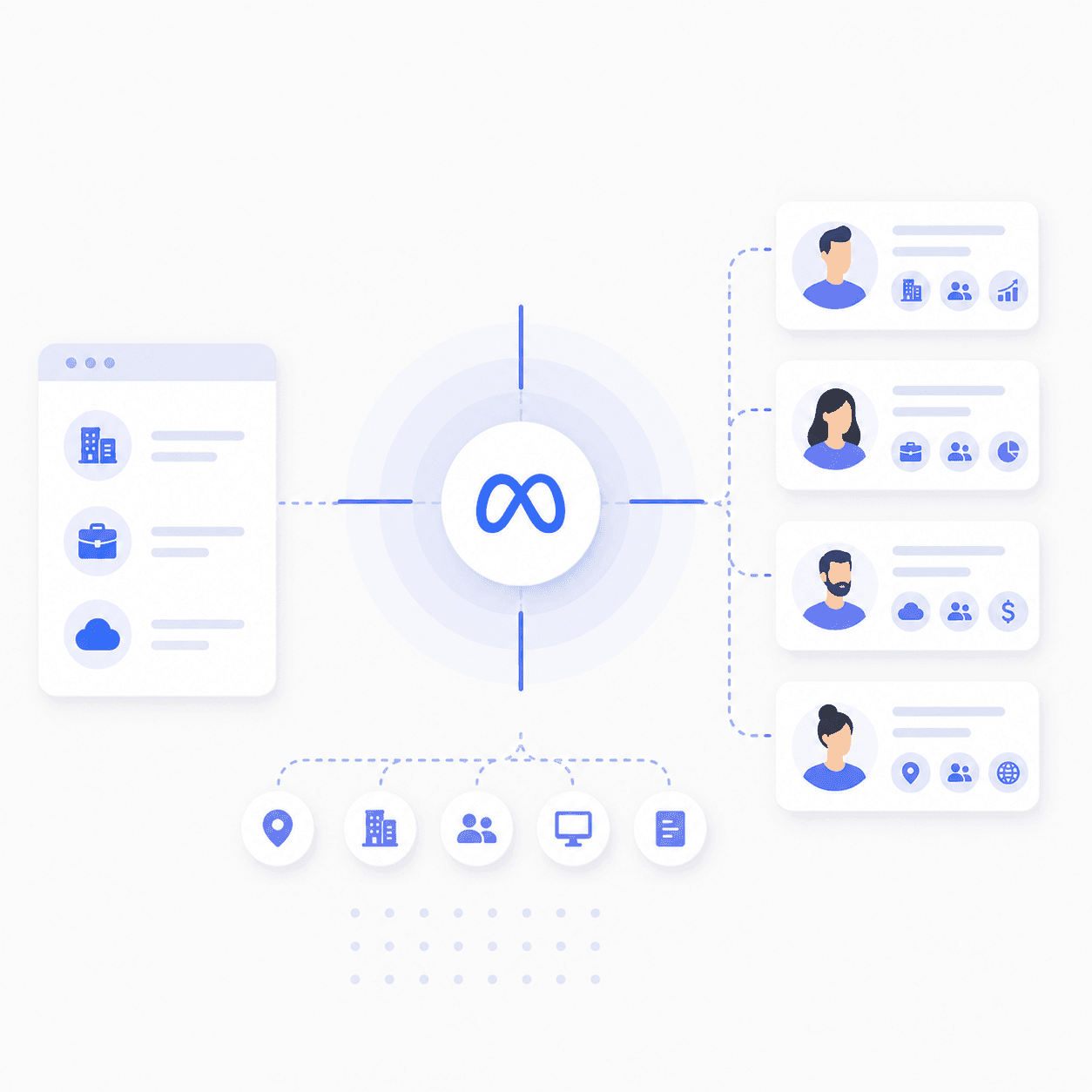
B2B SaaS audiences on Meta are typically much smaller than DTC audiences. When you're targeting job titles, company sizes, or specific industries, you might be working with an addressable audience of 50,000 people instead of 5 million. That difference changes everything about how frequency affects your campaigns.

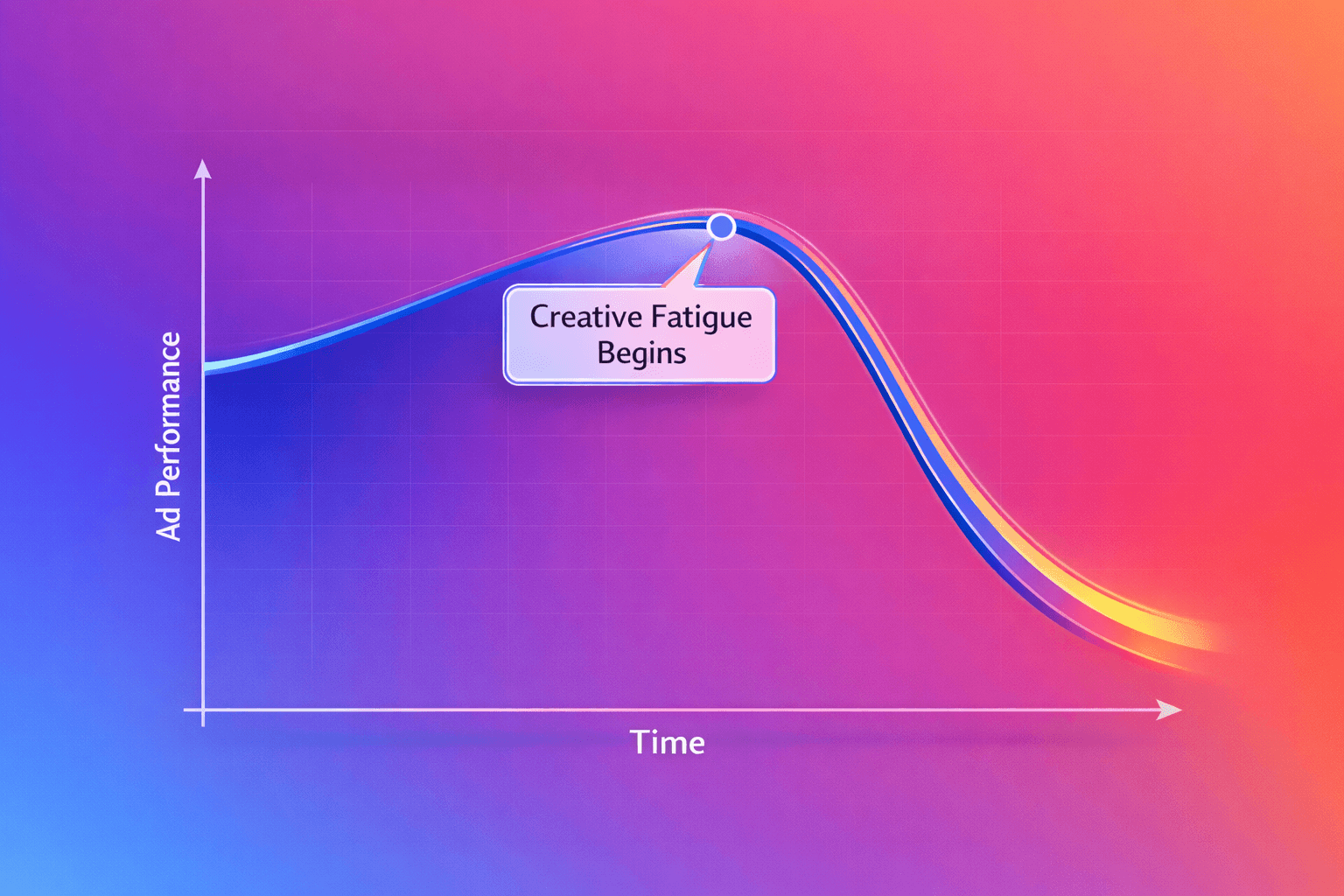
Repeated exposure without control creates three problems. First, ad fatigue sets in—users stop responding after seeing the same ad too many times, which lowers CTR (click-through rate) and raises CPA—in one analysis, CPA more than doubled as frequency rose from 1.5 to 5.2. Second, budget gets wasted because Meta can over-deliver to the same small segment, burning through spend without expanding reach. Third, and this one matters most for B2B, you can damage your pipeline. B2B buyers often take weeks or months to convert, and 6 in 10 are less likely to buy from brands that show repetitive ads, so burning them out early can reduce eventual pipeline.

How Frequency Capping Works on Meta

In Meta Ads Manager, frequency caps come with important limitations. Caps are only available when using the Reach or Brand Awareness objectives—not Conversions or Lead Gen by default. You set caps at the ad set level, not the campaign level, which gives you flexibility to apply different rules to different audiences.

The cap itself is defined as impressions per user over a rolling time window. For example, 1 impression every 7 days. Meta uses cookies and logged-in user data to estimate and track frequency across devices.

One critical limitation worth knowing upfront: Advantage+ campaigns do not allow manual frequency capping. The algorithm controls delivery entirely, so if you're running Advantage+ and worried about frequency, you have limited options.

How to Determine Your Optimal Frequency Cap

There's no universal best cap. The right number depends on your campaign context, and you'll likely end up with different caps for different campaigns running at the same time.

Four factors drive the decision:

  • Funnel stage: Cold prospecting usually benefits from lower caps than warm retargeting, since cold audiences haven't asked to hear from you yet.

  • Sales cycle length: Longer B2B sales cycles can support higher lifetime frequency spread across a longer window.

  • Audience size: Smaller audiences hit caps faster and fatigue sooner.

  • Creative volume: More creative variations in rotation generally allow for higher caps with less fatigue, since users see different ads rather than the same one repeatedly.

Funnel Stage

Suggested Cap Range

Time Window

Prospecting

1–2 impressions

Per week

Retargeting

3–5 impressions

Per week

Brand awareness

5–8 impressions

Per month

Start conservative. Increase only after reviewing actual performance data showing your audience can handle more exposure.

Frequency Capping Best Practices for B2B SaaS Meta Advertisers

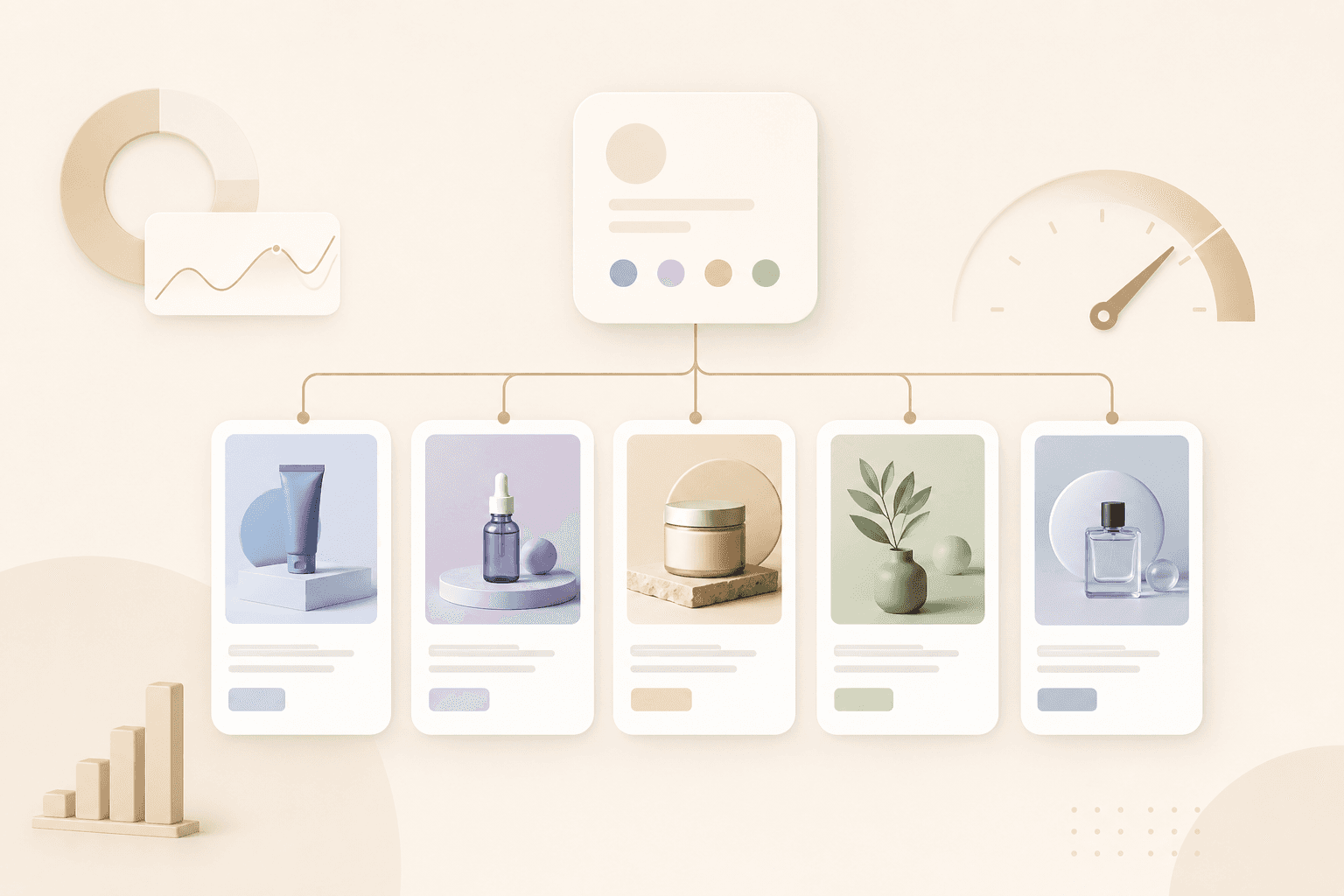
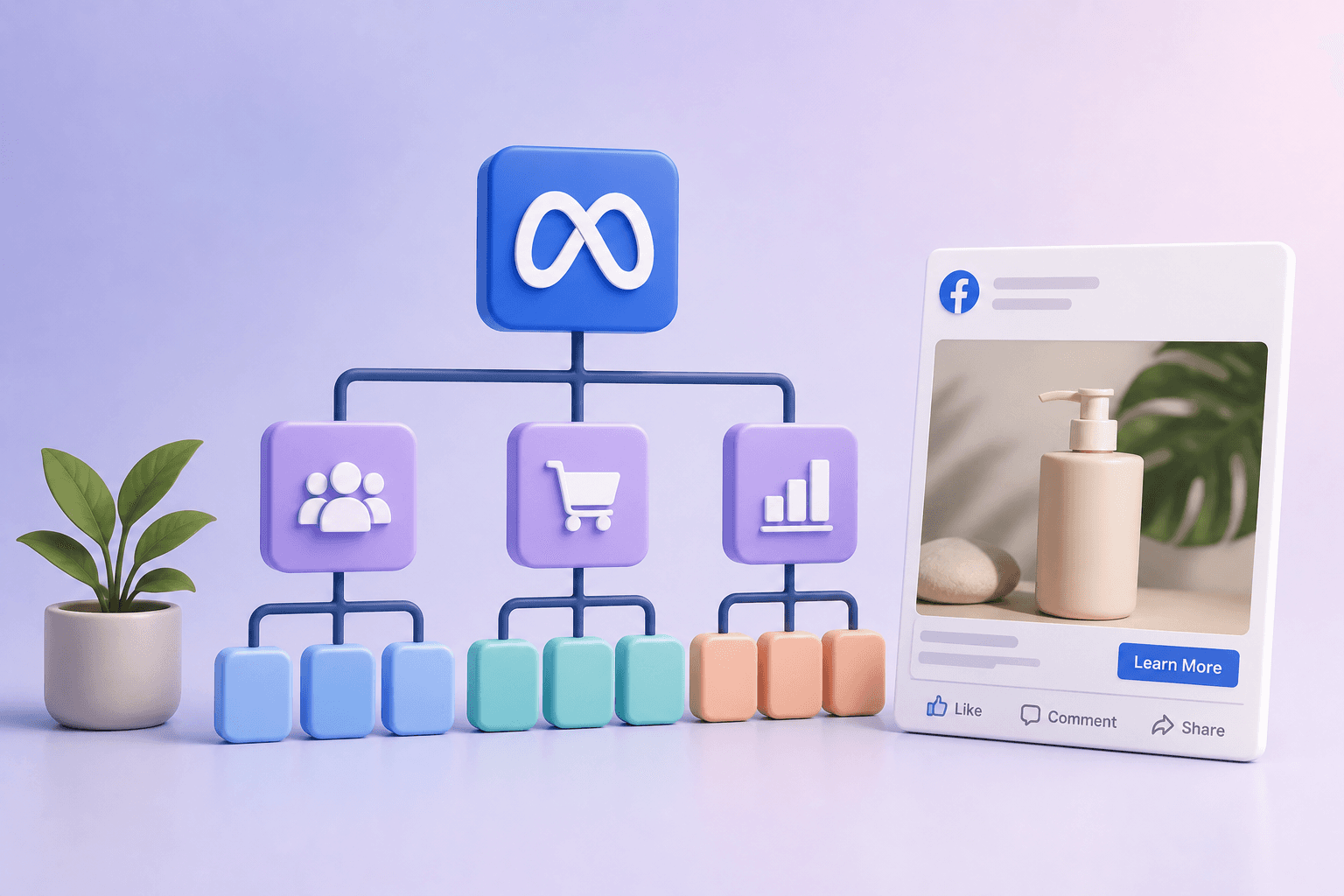
1. Cap by funnel stage, not account-wide

A single cap across all campaigns ignores differences in intent and audience temperature. Prospecting audiences typically respond better to lower frequency limits because they haven't engaged with your brand yet. Retargeting audiences, on the other hand, already know who you are and can tolerate more repetition.

Set separate caps at the ad set level based on where users sit in the funnel. A prospecting campaign might run at 1 impression per 7 days while a retargeting campaign runs at 1 impression per 2 days.

2. Refresh creative before you hit the cap

Frequency caps alone don't stop fatigue if the audience keeps seeing the same exact ad. Even at 2 impressions per week, seeing the identical creative twice gets old fast.

Rotate in new creatives on a planned schedule—every 2–3 weeks for active campaigns—rather than waiting for results to decline. By the time you notice performance dropping, you've already wasted spend.

3. Exclude converters and existing customers

Use audience exclusions so users who already converted stop seeing acquisition ads. This sounds obvious, but it's easy to forget when you're focused on scaling.

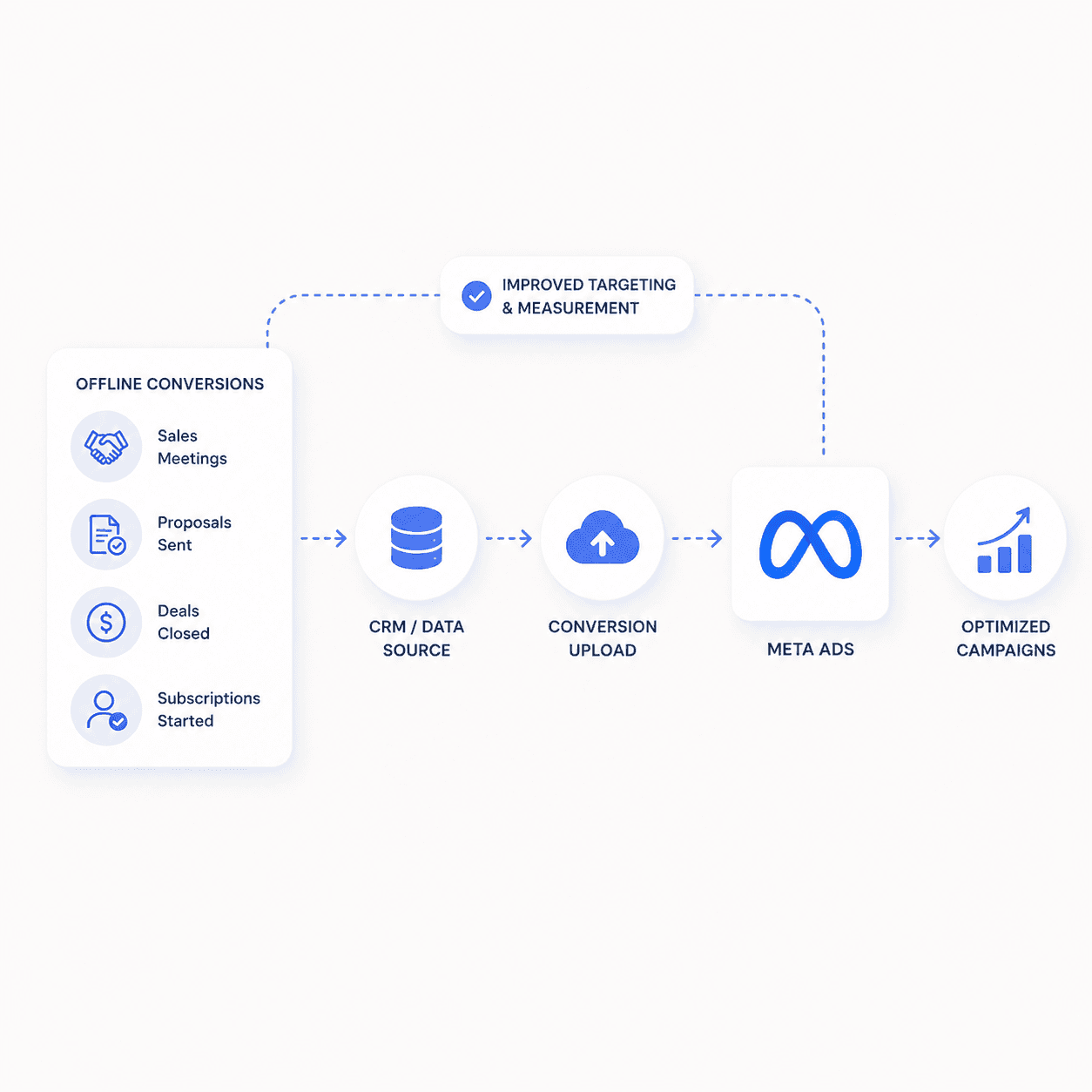
Combine CRM list exclusions with pixel-based exclusions where possible. Upload your customer list and exclude anyone who completed your conversion event in the past 30–90 days. This protects budget and avoids frustrating paying customers with ads asking them to sign up for something they already bought.

4. Match your cap to your sales cycle length

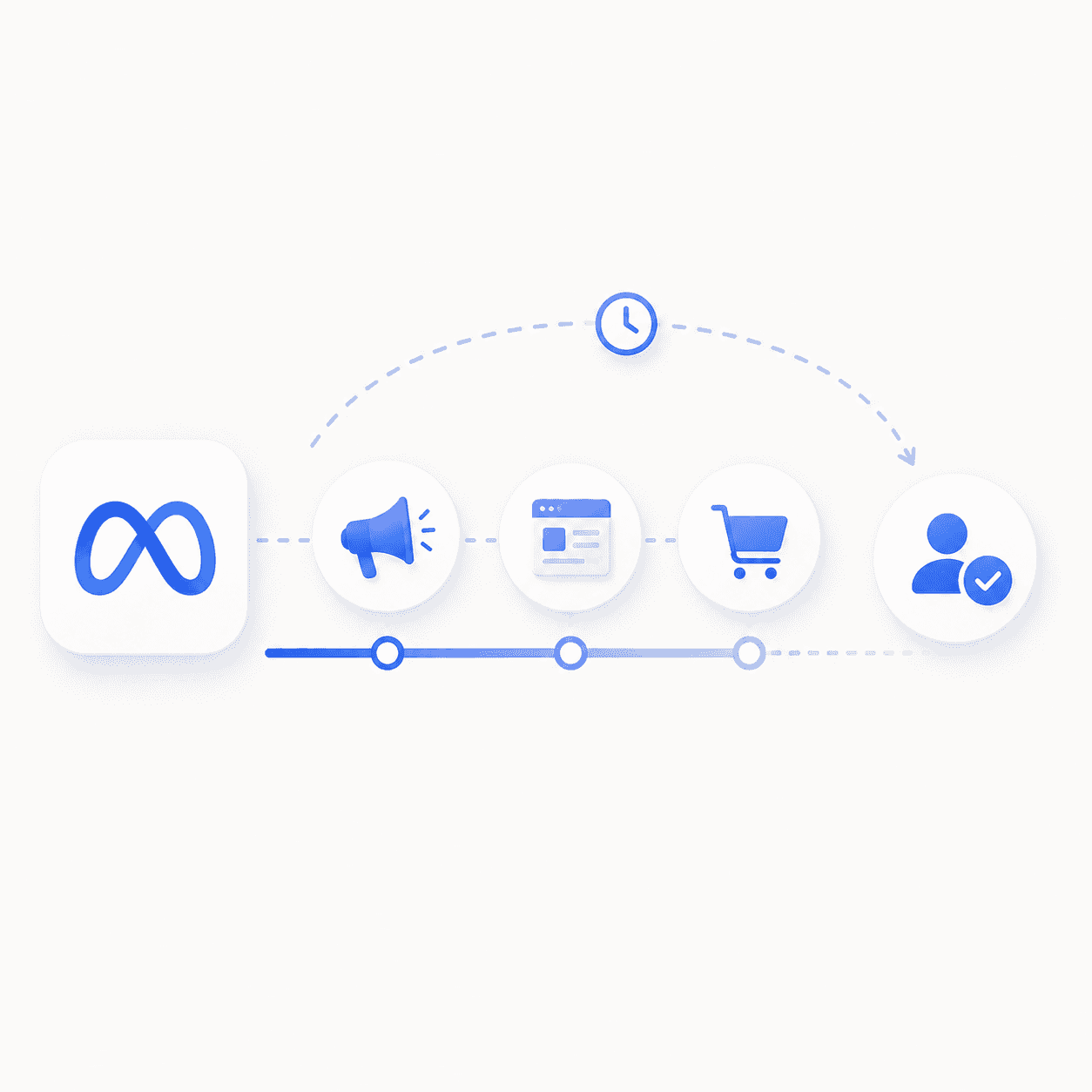
B2B SaaS sales cycles can range from 2 weeks to 6 months depending on deal size and buying committees of 6–10 decision-makers. Weekly caps may work for shorter cycles where decisions happen quickly. Monthly windows make more sense for enterprise sales motions where decisions take longer and you want sustained presence without overwhelming anyone.

5. Monitor first-time impression ratio weekly

First-Time Impression Ratio (FTIR) measures the percentage of impressions going to users who haven't seen your ad before. This metric tells you whether you're actually reaching new people or just re-serving the same audience.

If FTIR drops below 50%, your audience may be saturated or your cap may be too loose. Check this in Meta reporting every week—it's one of the earliest warning signs that frequency is becoming a problem.

Frequency Cap Benchmarks by Ad Platform

Meta Ads

Meta requires Reach or Brand Awareness objectives for manual frequency caps. B2B SaaS advertisers often use lower caps than DTC brands—1–2 impressions per week for prospecting versus 3–5 for consumer brands—because target audiences are smaller and fatigue happens faster.

Google Ads and YouTube

Google Display and YouTube allow frequency capping directly in campaign settings. For YouTube video ads, caps are often set at 3–5 impressions per week. Display campaigns typically use similar ranges, though the exact number depends on audience size and campaign goals.

LinkedIn Ads

LinkedIn does not offer native frequency capping. You control frequency indirectly through budget, audience size, and campaign duration. This is a major limitation for B2B marketers who want precise control over how often prospects see their ads.

Programmatic and DSPs

DSPs like The Trade Desk and DV360 offer more advanced controls, including capping by user, device, and time period. If you're running programmatic alongside Meta, you can often get more granular with frequency rules on the DSP side.

How Audience Size Changes Your Frequency Cap Strategy

Audience size has an inverse relationship with frequency: the smaller the audience, the faster frequency rises. If you're targeting 30,000 people with a $5,000 weekly budget, you'll hit high frequency much faster than targeting 300,000 people with the same spend.

For audiences under 100,000 people, monitor frequency daily rather than weekly. Consider expanding targeting slightly—adding adjacent job titles or industries—if frequency rises above your cap threshold within the first few days. Niche B2B audiences are especially vulnerable to saturation, so proactive management is critical. Sometimes the fix isn't a tighter cap but a larger pool of people to reach.

Common Frequency Capping Mistakes to Avoid

Setting caps too low and missing reach

If caps are too restrictive, users may only see your ad once and never remember your brand. A single impression rarely drives action in B2B, where decisions involve multiple stakeholders and long consideration periods. Over-capping can limit awareness and campaign effectiveness just as much as under-capping.

Setting caps too high and burning your audience

This is the more common problem. Without sensible limits, Meta can deliver the same ad 10+ times to the same users, causing fatigue, lower response rates, and negative brand perception. Nobody wants to be the company that follows people around the internet relentlessly.

Treating frequency caps as set-and-forget

Caps require adjustment as campaigns age, audiences shrink, and creatives fatigue. Review them every 2 weeks rather than assuming initial settings will stay effective. What worked in month one may not work in month three.

Ignoring cross-channel saturation

A user may encounter your ads on Meta, Google Display, and LinkedIn in the same day. Platform-level frequency caps don't account for total ad exposure across channels. Coordinate where possible, especially for retargeting audiences who are likely seeing you everywhere.

Your Meta ads are showing to the same 500 people twelve times a week, and you're wondering why CPA keeps climbing. That's not a targeting problem—it's a frequency problem.

Frequency capping limits how many times a single user sees your ad within a set time window. For B2B SaaS advertisers working with smaller audiences and longer sales cycles, getting this right determines whether you scale efficiently or burn through budget annoying the same prospects repeatedly. This guide covers how frequency capping works on Meta, how to set caps by funnel stage, and the specific benchmarks and mistakes that matter for B2B campaigns.

Key Takeaways

  1. Frequency capping limits how many times a single user sees your ad within a set time window, preventing ad fatigue and wasted spend.

  2. B2B SaaS advertisers face unique challenges because smaller audiences and longer sales cycles make over-exposure more damaging.

  3. The right cap depends on funnel stage, audience size, sales cycle length, and creative variety in rotation.

  4. Start with conservative caps of 1–2 impressions per week for prospecting, then increase only if performance data supports it.

  5. Cap by funnel stage rather than applying one frequency rule across every campaign.

What Is Frequency Capping

Frequency capping is a rule that tells an ad platform: do not show my ad to the same user more than X times in Y period. Think of it as a speed limit for ad delivery. Without one, Meta's algorithm will keep serving your ads to whoever it thinks will engage—even if that means showing the same person your ad eight times in three days.

Two terms come up constantly in this conversation:

  • Frequency: The average number of times your ad was shown to each user

  • Frequency cap: The maximum number of times you allow your ad to be shown to the same user within a defined window

On Meta, frequency capping is most commonly associated with the Reach and Frequency buying type. When you don't set a cap, Meta optimizes for delivery volume, which often means hammering the same users repeatedly rather than expanding your reach.

Why Frequency Capping Matters for B2B SaaS Meta Campaigns

B2B SaaS audiences on Meta are typically much smaller than DTC audiences. When you're targeting job titles, company sizes, or specific industries, you might be working with an addressable audience of 50,000 people instead of 5 million. That difference changes everything about how frequency affects your campaigns.

Repeated exposure without control creates three problems. First, ad fatigue sets in—users stop responding after seeing the same ad too many times, which lowers CTR (click-through rate) and raises CPA—in one analysis, CPA more than doubled as frequency rose from 1.5 to 5.2. Second, budget gets wasted because Meta can over-deliver to the same small segment, burning through spend without expanding reach. Third, and this one matters most for B2B, you can damage your pipeline. B2B buyers often take weeks or months to convert, and 6 in 10 are less likely to buy from brands that show repetitive ads, so burning them out early can reduce eventual pipeline.

How Frequency Capping Works on Meta

In Meta Ads Manager, frequency caps come with important limitations. Caps are only available when using the Reach or Brand Awareness objectives—not Conversions or Lead Gen by default. You set caps at the ad set level, not the campaign level, which gives you flexibility to apply different rules to different audiences.

The cap itself is defined as impressions per user over a rolling time window. For example, 1 impression every 7 days. Meta uses cookies and logged-in user data to estimate and track frequency across devices.

One critical limitation worth knowing upfront: Advantage+ campaigns do not allow manual frequency capping. The algorithm controls delivery entirely, so if you're running Advantage+ and worried about frequency, you have limited options.

How to Determine Your Optimal Frequency Cap

There's no universal best cap. The right number depends on your campaign context, and you'll likely end up with different caps for different campaigns running at the same time.

Four factors drive the decision:

  • Funnel stage: Cold prospecting usually benefits from lower caps than warm retargeting, since cold audiences haven't asked to hear from you yet.

  • Sales cycle length: Longer B2B sales cycles can support higher lifetime frequency spread across a longer window.

  • Audience size: Smaller audiences hit caps faster and fatigue sooner.

  • Creative volume: More creative variations in rotation generally allow for higher caps with less fatigue, since users see different ads rather than the same one repeatedly.

Funnel Stage

Suggested Cap Range

Time Window

Prospecting

1–2 impressions

Per week

Retargeting

3–5 impressions

Per week

Brand awareness

5–8 impressions

Per month

Start conservative. Increase only after reviewing actual performance data showing your audience can handle more exposure.

Frequency Capping Best Practices for B2B SaaS Meta Advertisers

1. Cap by funnel stage, not account-wide

A single cap across all campaigns ignores differences in intent and audience temperature. Prospecting audiences typically respond better to lower frequency limits because they haven't engaged with your brand yet. Retargeting audiences, on the other hand, already know who you are and can tolerate more repetition.

Set separate caps at the ad set level based on where users sit in the funnel. A prospecting campaign might run at 1 impression per 7 days while a retargeting campaign runs at 1 impression per 2 days.

2. Refresh creative before you hit the cap

Frequency caps alone don't stop fatigue if the audience keeps seeing the same exact ad. Even at 2 impressions per week, seeing the identical creative twice gets old fast.

Rotate in new creatives on a planned schedule—every 2–3 weeks for active campaigns—rather than waiting for results to decline. By the time you notice performance dropping, you've already wasted spend.

3. Exclude converters and existing customers

Use audience exclusions so users who already converted stop seeing acquisition ads. This sounds obvious, but it's easy to forget when you're focused on scaling.

Combine CRM list exclusions with pixel-based exclusions where possible. Upload your customer list and exclude anyone who completed your conversion event in the past 30–90 days. This protects budget and avoids frustrating paying customers with ads asking them to sign up for something they already bought.

4. Match your cap to your sales cycle length

B2B SaaS sales cycles can range from 2 weeks to 6 months depending on deal size and buying committees of 6–10 decision-makers. Weekly caps may work for shorter cycles where decisions happen quickly. Monthly windows make more sense for enterprise sales motions where decisions take longer and you want sustained presence without overwhelming anyone.

5. Monitor first-time impression ratio weekly

First-Time Impression Ratio (FTIR) measures the percentage of impressions going to users who haven't seen your ad before. This metric tells you whether you're actually reaching new people or just re-serving the same audience.

If FTIR drops below 50%, your audience may be saturated or your cap may be too loose. Check this in Meta reporting every week—it's one of the earliest warning signs that frequency is becoming a problem.

Frequency Cap Benchmarks by Ad Platform

Meta Ads

Meta requires Reach or Brand Awareness objectives for manual frequency caps. B2B SaaS advertisers often use lower caps than DTC brands—1–2 impressions per week for prospecting versus 3–5 for consumer brands—because target audiences are smaller and fatigue happens faster.

Google Ads and YouTube

Google Display and YouTube allow frequency capping directly in campaign settings. For YouTube video ads, caps are often set at 3–5 impressions per week. Display campaigns typically use similar ranges, though the exact number depends on audience size and campaign goals.

LinkedIn Ads

LinkedIn does not offer native frequency capping. You control frequency indirectly through budget, audience size, and campaign duration. This is a major limitation for B2B marketers who want precise control over how often prospects see their ads.

Programmatic and DSPs

DSPs like The Trade Desk and DV360 offer more advanced controls, including capping by user, device, and time period. If you're running programmatic alongside Meta, you can often get more granular with frequency rules on the DSP side.

How Audience Size Changes Your Frequency Cap Strategy

Audience size has an inverse relationship with frequency: the smaller the audience, the faster frequency rises. If you're targeting 30,000 people with a $5,000 weekly budget, you'll hit high frequency much faster than targeting 300,000 people with the same spend.

For audiences under 100,000 people, monitor frequency daily rather than weekly. Consider expanding targeting slightly—adding adjacent job titles or industries—if frequency rises above your cap threshold within the first few days. Niche B2B audiences are especially vulnerable to saturation, so proactive management is critical. Sometimes the fix isn't a tighter cap but a larger pool of people to reach.

Common Frequency Capping Mistakes to Avoid

Setting caps too low and missing reach

If caps are too restrictive, users may only see your ad once and never remember your brand. A single impression rarely drives action in B2B, where decisions involve multiple stakeholders and long consideration periods. Over-capping can limit awareness and campaign effectiveness just as much as under-capping.

Setting caps too high and burning your audience

This is the more common problem. Without sensible limits, Meta can deliver the same ad 10+ times to the same users, causing fatigue, lower response rates, and negative brand perception. Nobody wants to be the company that follows people around the internet relentlessly.

Treating frequency caps as set-and-forget

Caps require adjustment as campaigns age, audiences shrink, and creatives fatigue. Review them every 2 weeks rather than assuming initial settings will stay effective. What worked in month one may not work in month three.

Ignoring cross-channel saturation

A user may encounter your ads on Meta, Google Display, and LinkedIn in the same day. Platform-level frequency caps don't account for total ad exposure across channels. Coordinate where possible, especially for retargeting audiences who are likely seeing you everywhere.

Looking for Meta ads support?

We're a small, hardworking, US-based team. Book a call and get a free audit today.

How to Measure the Impact of Frequency Capping

Monitor four metrics to determine whether your frequency caps are helping or hurting:

  • CTR by frequency bucket: If CTR declines at higher frequency levels, your cap may be too high.

  • CPA by frequency: If conversions become more expensive as frequency rises, repeated exposure may be inefficient.

  • First-Time Impression Ratio: If this falls below 50%, your campaign may be over-serving the same users.

  • Reach vs. Impressions gap: If the gap widens over time, frequency is increasing and audience saturation may be setting in.

Review these metrics weekly to catch wasted spend early. By the time monthly reports show a problem, you've already lost budget.

How to Set Frequency Caps in Meta Ads Manager

1. Choose a Reach or Awareness objective

Frequency capping is only available with Reach or Brand Awareness-style setups. If your campaign uses Lead Gen or Conversions, manual caps aren't available—you'll have to manage frequency through other means like audience size and budget.

2. Set your frequency cap at the ad set level

Navigate to ad set settings, find Optimization & Delivery, choose Reach, and define your cap. For B2B prospecting, start with 1 impression every 7 days and adjust from there based on performance.

3. Layer audience exclusions

Add exclusions for converters, existing customers, and highly engaged users who no longer need acquisition messaging. Exclusions work alongside caps to reduce wasted impressions.

4. Build a creative rotation schedule

Upload multiple ad variants so Meta can rotate delivery. Plan to refresh creative every 2–3 weeks even with caps in place. Fresh creative extends the life of your frequency cap settings.

5. Review frequency and CPA weekly

Check the frequency column in Ads Manager each week. If frequency rises too high or CPA worsens, adjust the cap or refresh creative. Don't wait for monthly reviews to catch problems.

Scale Meta Campaigns Without Burning Your Audience

Frequency capping is one part of efficient B2B SaaS growth on Meta. It works best as part of a larger system that connects Paid Media Expertise (setting caps correctly, monitoring FTIR, managing spend), Creative Strategy (refreshing ad creative before fatigue hurts performance), and Landing Page Optimization (improving conversion rates so the traffic you pay for goes further).

When all three work together, you can scale spend without watching CPA climb or audiences burn out.

Book a call with Flighted to discuss how paid media, creative, and landing pages work together for your B2B SaaS campaigns.

Frequently Asked Questions About Frequency Capping

What is the 3-2-2 method for Facebook ads?

The 3-2-2 method is a creative testing framework where you test three hooks, two thumbnails, and two primary text variations to find strong combinations quickly. It's not a frequency capping tactic, but it helps reduce creative fatigue by identifying winning creative faster—which means you can rotate fresh ads into your campaigns before frequency becomes a problem.

Does Meta Advantage Plus allow frequency capping?

No. Meta Advantage+ campaigns don't support manual frequency capping because delivery is controlled entirely by the algorithm. If frequency control is important to your campaign, you'll want to use Reach or Brand Awareness objectives instead.

What frequency is considered too high on Meta ads?

There's no universal cutoff. Frequency is too high when performance deteriorates—typically a meaningful drop in CTR or a rise in CPA. For B2B SaaS, many advertisers see diminishing returns above 3–4 impressions per week for prospecting audiences, though retargeting audiences can often handle more.

Related Posts

Related Posts

Related Posts

Related Posts

Ready to talk?

Book A Call

We are a Paid Media agency based in New York, NY.
Flighted

New York, NY 11217

hello@flighted.co

© Flighted, 2026

Ready to talk?

Book A Call

We are a Paid Media agency based in New York, NY.

Flighted

New York, NY 11217

hello@flighted.co

© Flighted, 2026