Most brands running Facebook ads already know retargeting exists. Fewer understand why their retargeting campaigns look incredible in Ads Manager while their overall business results stay flat.
The gap comes down to attribution mechanics and strategy. This guide covers how Facebook retargeting actually works, which audiences to build, how to structure campaigns, and how to avoid the common mistake of overspending on warm traffic at the expense of growth.
Key Takeaways
Facebook retargeting uses the Meta Pixel to serve ads to people who already visited your site, added items to cart, or watched your videos—and these warm audiences convert at higher rates than cold traffic.
Segment retargeting audiences by behavior: someone who abandoned a cart has different intent than someone who only viewed your homepage, so your ads and offers should reflect that difference.
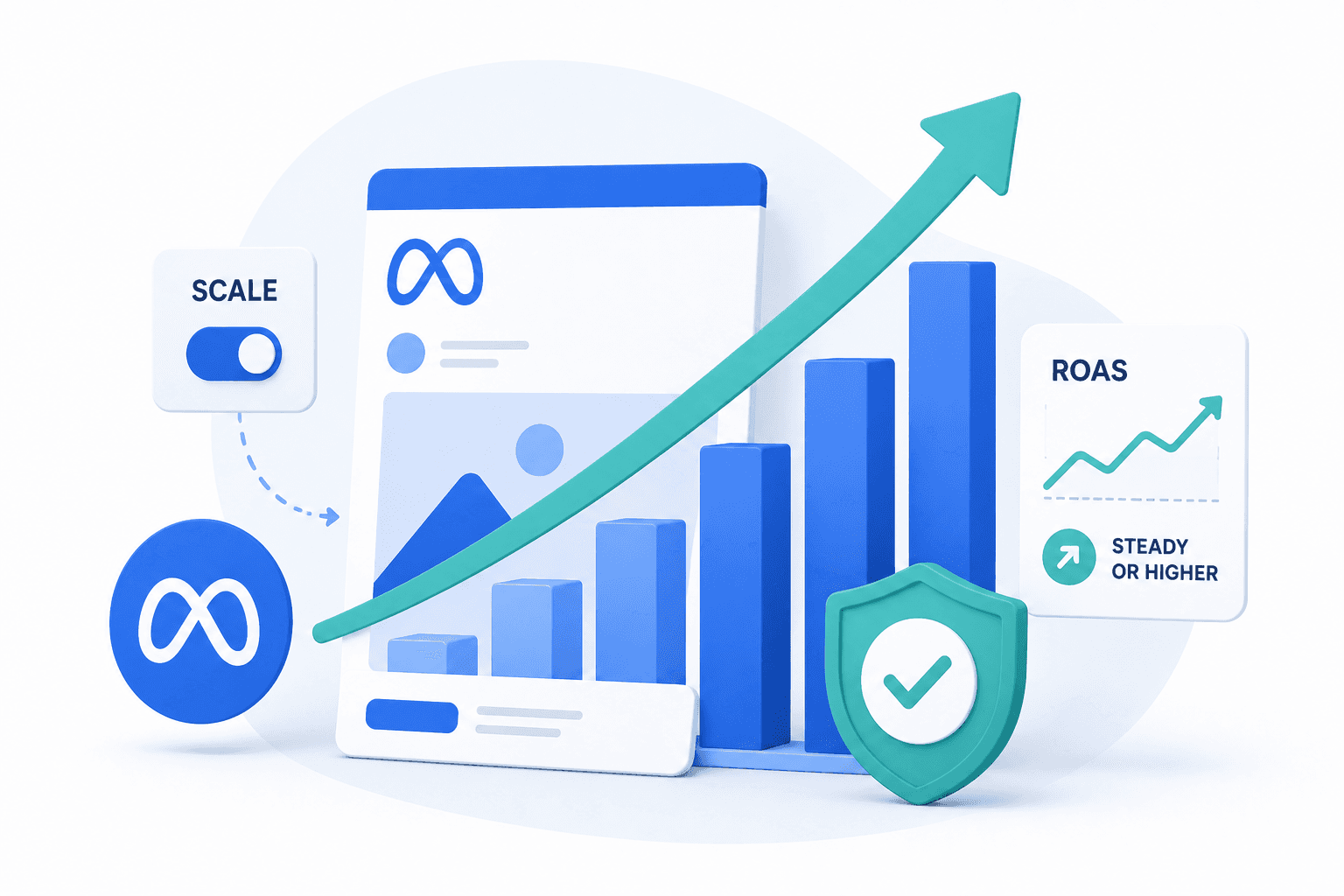
Keep retargeting spend at 10% or less of your total ad budget, because overspending on warm audiences starves your prospecting and limits how much you can scale.
Exclude recent purchasers from every retargeting campaign to avoid wasting money showing ads to people who already bought.
Swap in fresh creatives when frequency climbs above 3-4, before ad fatigue tanks your performance.
Dynamic Product Ads pull directly from your catalog to show users the exact items they viewed, which works well for e-commerce brands with large product lines.
Why Facebook Retargeting Always Appears to Outperform Cold Prospecting
Retargeting ads on Facebook almost always show better metrics than prospecting campaigns—Focus Digital's benchmarks show retargeting conversion rates 367% higher than cold audiences. The reason is simple: you're advertising to people who already know you. They visited your site, browsed a product, or watched one of your videos. That familiarity drives higher click-through rates and conversion rates compared to cold traffic.
Lower cost per acquisition: Warm audiences convert more efficiently because they've already shown interest in what you sell
Higher intent signals: A person who added something to cart is much closer to buying than someone seeing your brand for the first time
Built-in trust: Repeated exposure to your brand reduces the friction that comes with buying from a stranger
Here's the catch, though. Facebook uses last-click attribution, which means the final touchpoint before a conversion gets all the credit. Your prospecting campaigns do the heavy lifting by introducing new people to your brand, but retargeting campaigns swoop in at the end and capture the conversion. In the data, retargeting looks like the hero.
This creates a real risk. If you pour too much budget into retargeting because the numbers look great, you end up starving your top-of-funnel. You stop bringing in new people, your retargeting audiences shrink, and eventually the whole system collapses. Retargeting often isn't as incremental as it appears—some of those people would have purchased anyway without seeing another ad.
How Facebook Retargeting Works
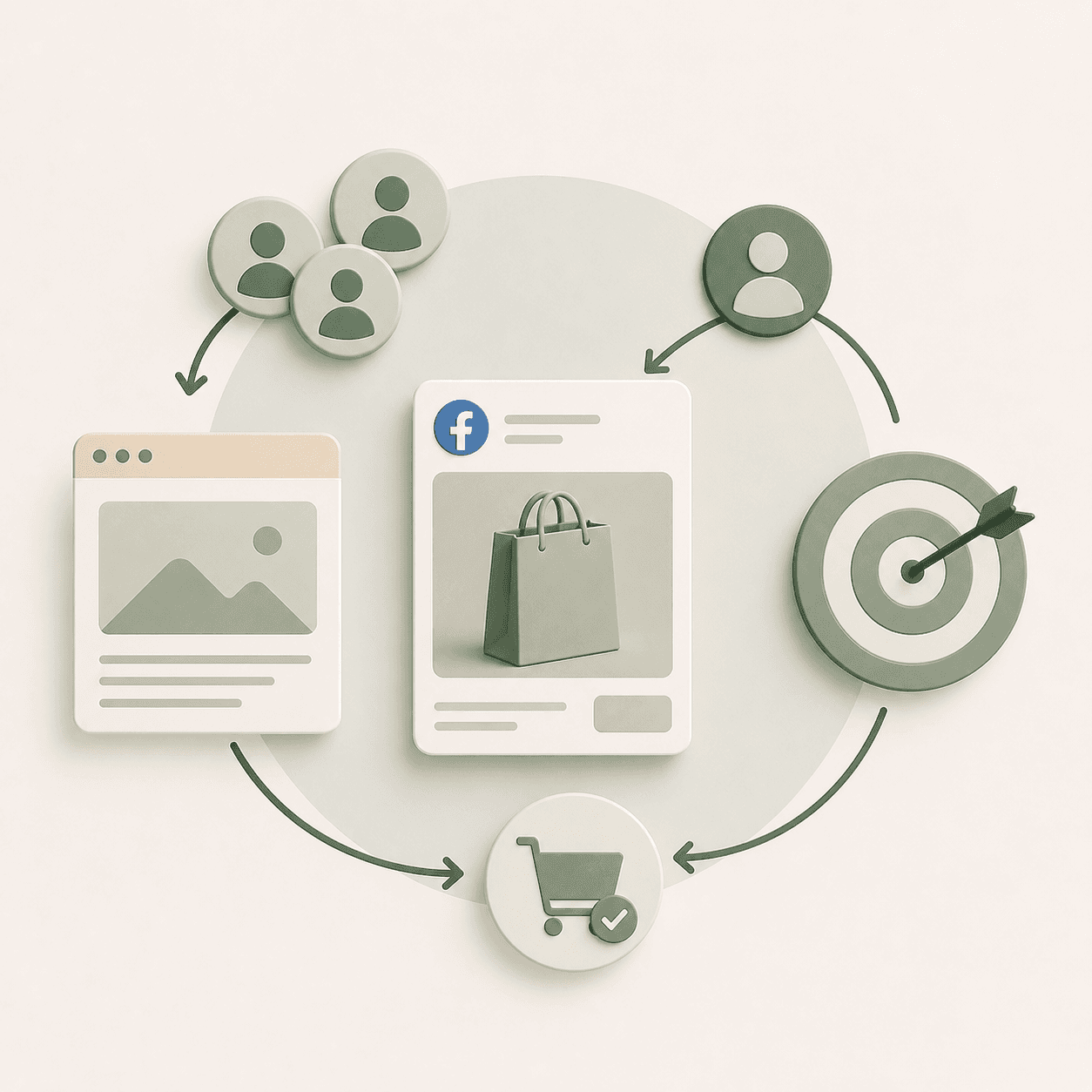
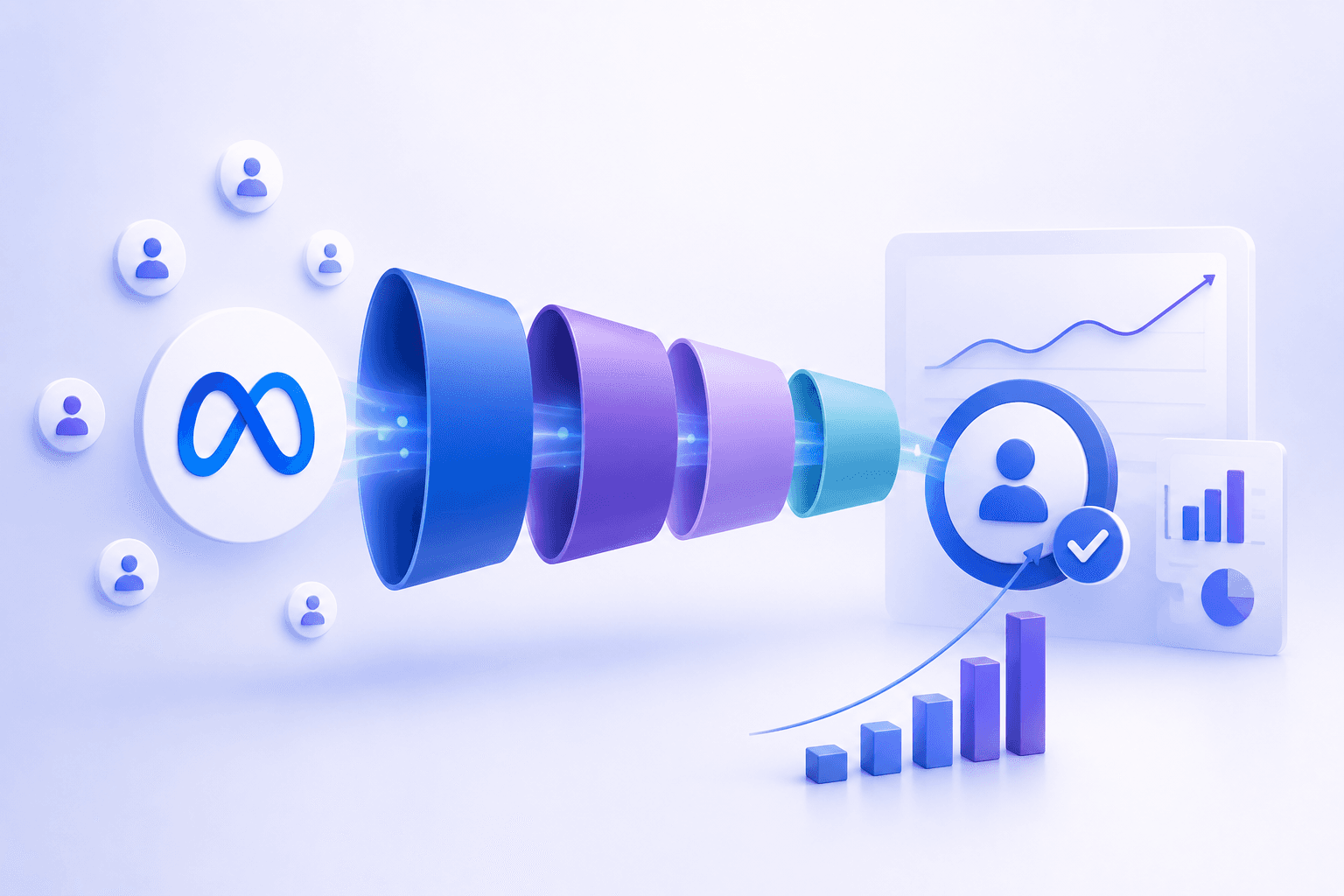
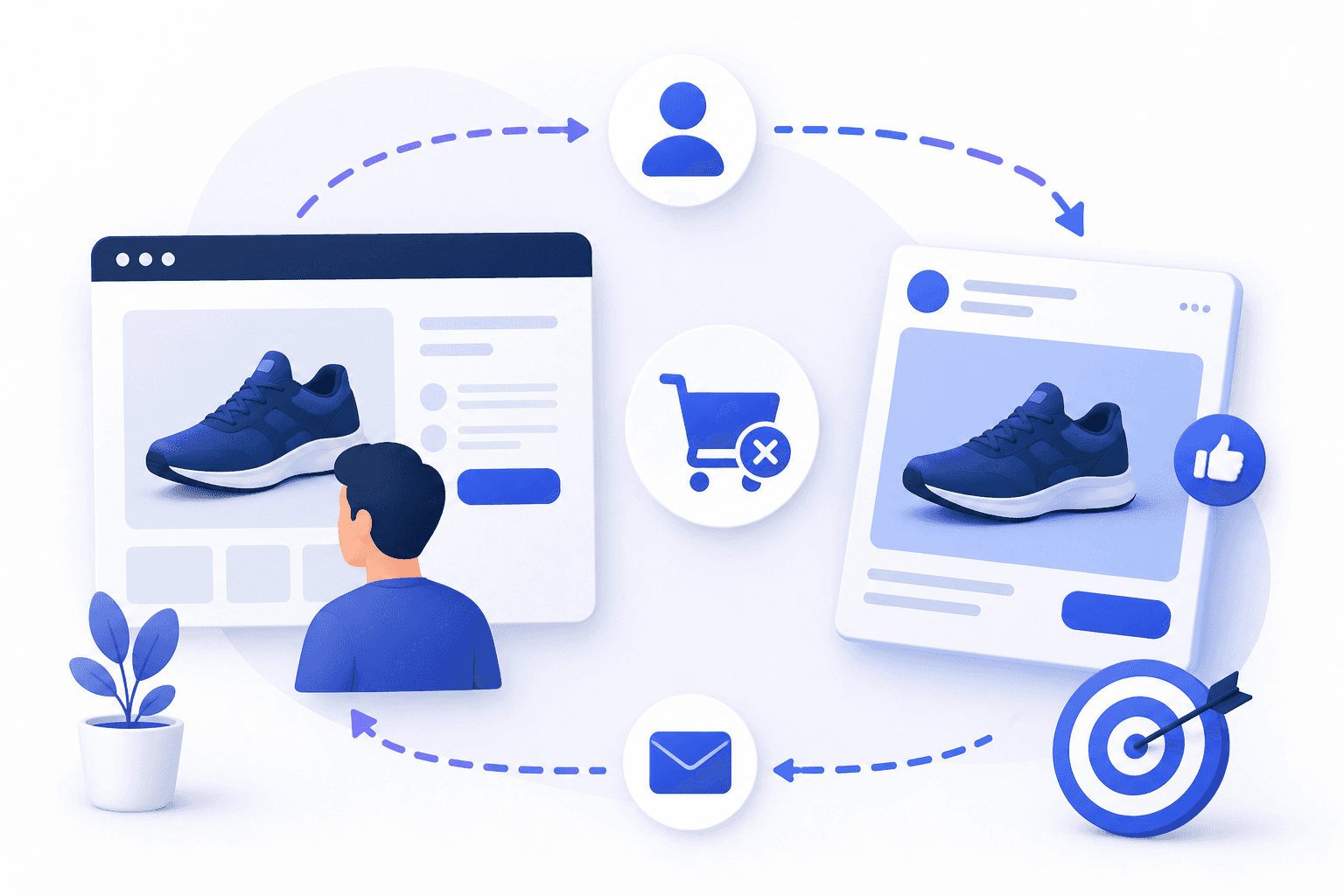
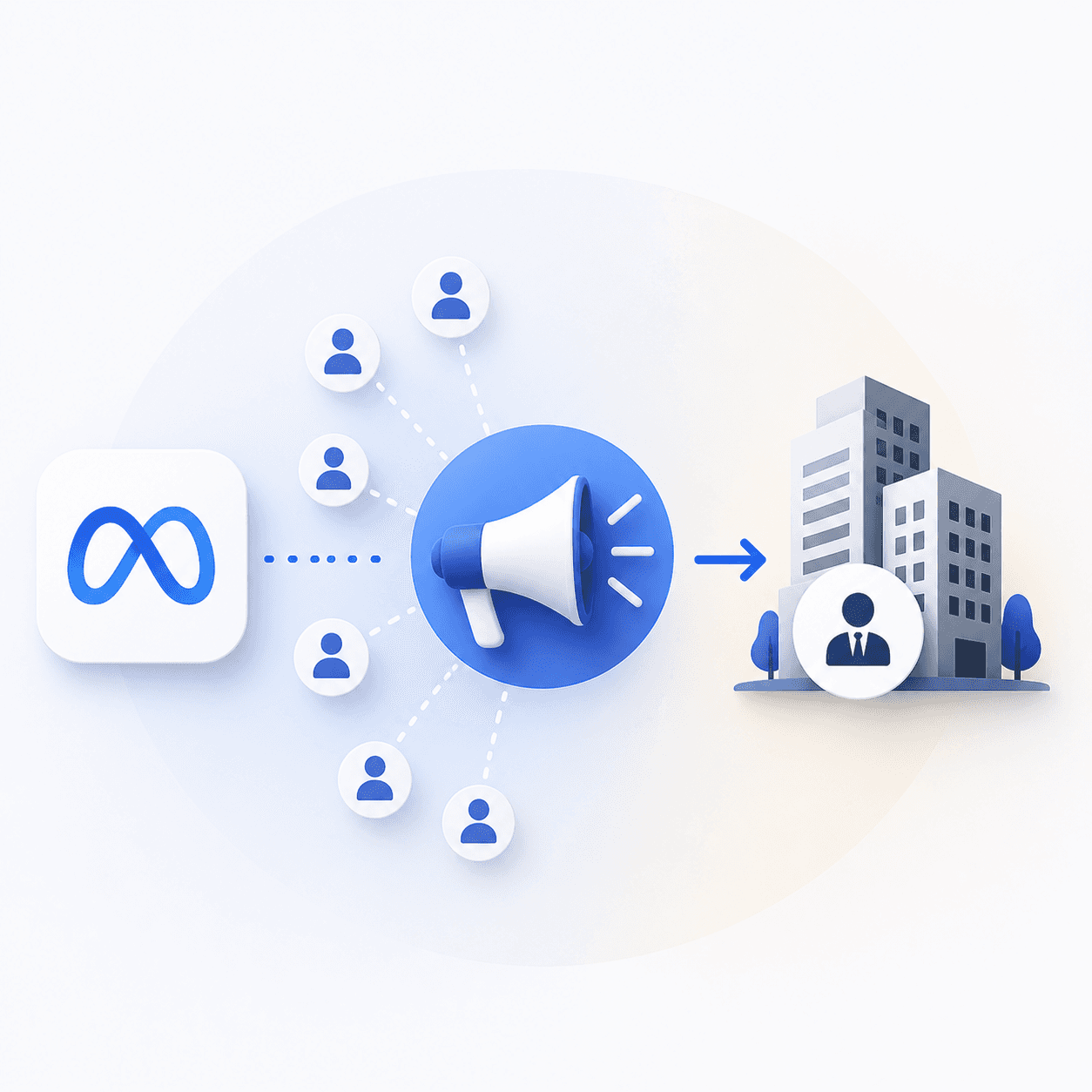
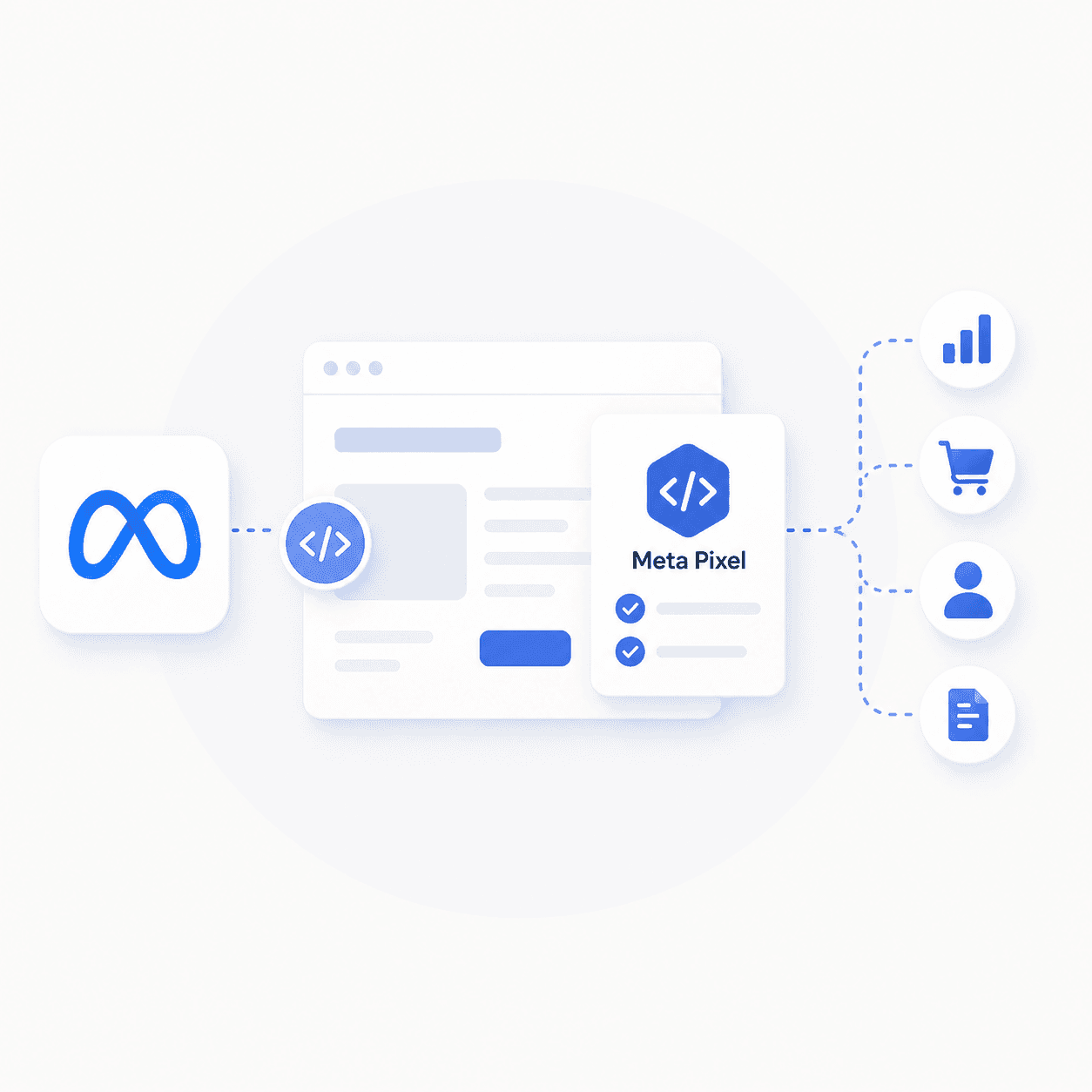
The mechanics behind Facebook retargeting are straightforward once you see the pieces. Everything starts with the Meta Pixel, a small snippet of code you install on your website. When someone visits your site, the pixel fires and records that visit. Facebook then matches that visitor to their user profile, and you can serve ads to them later through what's called a Custom Audience.
The flow looks like this:
A user visits your website or engages with your content on Facebook or Instagram
The Meta Pixel records that behavior and sends the data to Facebook
Facebook matches the user to their profile
Your retargeting campaign serves ads to that matched user the next time they're on the platform
Without the pixel installed correctly, website retargeting doesn't work. You can still retarget people who engaged with your videos or Facebook Page without a pixel, but reaching site visitors requires it.
Types of Facebook Retargeting Audiences You Should Build
The more specific you get with audience definitions, the better you can match your message to what each group actually cares about. Here are the main audience types worth building.
Website visitors
This is the broadest retargeting audience—anyone who landed on any page of your site. You can get more granular by segmenting based on which pages they visited. Someone who hit your pricing page has different intent than someone who bounced from your homepage after three seconds. Start broad if your traffic is limited, then segment as your audience sizes grow.
Cart abandoners
Cart abandoners are your highest-intent segment. They picked a product, added it to cart, and left without buying—something over 70% of online shoppers do. They were one step away from converting. This audience typically delivers the best ROAS (Return on Ad Spend, which is revenue divided by ad spend) of any retargeting group.
Video viewers and page engagers
Facebook lets you build audiences based on how people interacted with your content. You can target people who watched 25%, 50%, 75%, or 95% of a video, or people who engaged with your Facebook or Instagram Page. Video viewer audiences work well for mid-funnel nurturing when you want to move people from awareness toward consideration.
Customer lists and CRM data
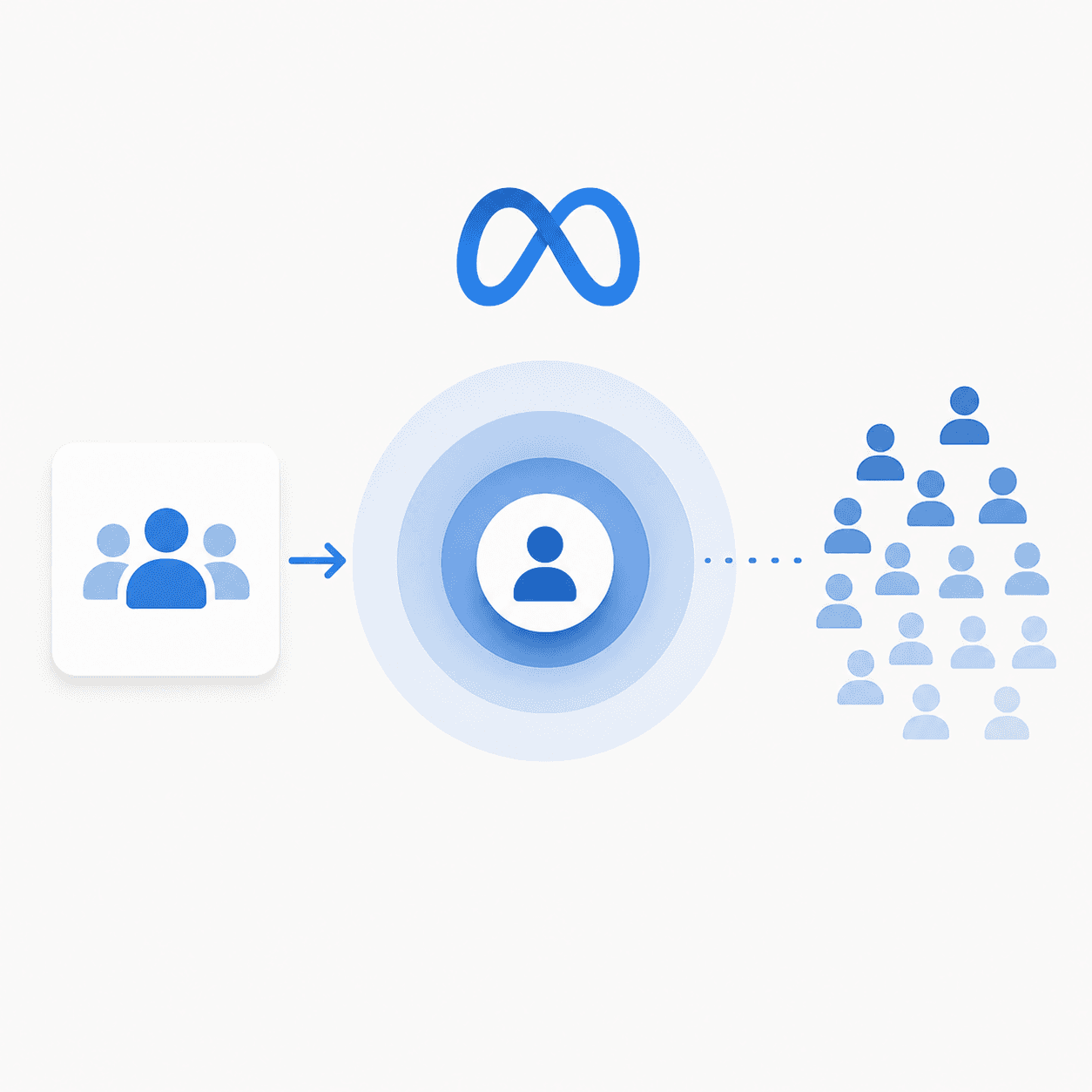
You can upload your own customer data—email addresses, phone numbers—and Facebook will match those records to user profiles. Match rates typically fall between 30-60% depending on data quality. First-party data becomes more valuable as third-party tracking continues to degrade. Vendors like Shopify Audiences or Revenue Roll can supplement your own lists.
Past purchasers for upselling and cross-selling
Existing customers are often your most profitable audience for repeat purchases. Build audiences of past buyers and target them with complementary products, new releases, or replenishment reminders. This is different from acquisition-focused retargeting—you're not converting them for the first time, you're bringing them back.
Most brands running Facebook ads already know retargeting exists. Fewer understand why their retargeting campaigns look incredible in Ads Manager while their overall business results stay flat.
The gap comes down to attribution mechanics and strategy. This guide covers how Facebook retargeting actually works, which audiences to build, how to structure campaigns, and how to avoid the common mistake of overspending on warm traffic at the expense of growth.
Key Takeaways
Facebook retargeting uses the Meta Pixel to serve ads to people who already visited your site, added items to cart, or watched your videos—and these warm audiences convert at higher rates than cold traffic.
Segment retargeting audiences by behavior: someone who abandoned a cart has different intent than someone who only viewed your homepage, so your ads and offers should reflect that difference.
Keep retargeting spend at 10% or less of your total ad budget, because overspending on warm audiences starves your prospecting and limits how much you can scale.
Exclude recent purchasers from every retargeting campaign to avoid wasting money showing ads to people who already bought.
Swap in fresh creatives when frequency climbs above 3-4, before ad fatigue tanks your performance.
Dynamic Product Ads pull directly from your catalog to show users the exact items they viewed, which works well for e-commerce brands with large product lines.
Why Facebook Retargeting Always Appears to Outperform Cold Prospecting
Retargeting ads on Facebook almost always show better metrics than prospecting campaigns—Focus Digital's benchmarks show retargeting conversion rates 367% higher than cold audiences. The reason is simple: you're advertising to people who already know you. They visited your site, browsed a product, or watched one of your videos. That familiarity drives higher click-through rates and conversion rates compared to cold traffic.
Lower cost per acquisition: Warm audiences convert more efficiently because they've already shown interest in what you sell
Higher intent signals: A person who added something to cart is much closer to buying than someone seeing your brand for the first time
Built-in trust: Repeated exposure to your brand reduces the friction that comes with buying from a stranger
Here's the catch, though. Facebook uses last-click attribution, which means the final touchpoint before a conversion gets all the credit. Your prospecting campaigns do the heavy lifting by introducing new people to your brand, but retargeting campaigns swoop in at the end and capture the conversion. In the data, retargeting looks like the hero.
This creates a real risk. If you pour too much budget into retargeting because the numbers look great, you end up starving your top-of-funnel. You stop bringing in new people, your retargeting audiences shrink, and eventually the whole system collapses. Retargeting often isn't as incremental as it appears—some of those people would have purchased anyway without seeing another ad.
How Facebook Retargeting Works
The mechanics behind Facebook retargeting are straightforward once you see the pieces. Everything starts with the Meta Pixel, a small snippet of code you install on your website. When someone visits your site, the pixel fires and records that visit. Facebook then matches that visitor to their user profile, and you can serve ads to them later through what's called a Custom Audience.
The flow looks like this:
A user visits your website or engages with your content on Facebook or Instagram
The Meta Pixel records that behavior and sends the data to Facebook
Facebook matches the user to their profile
Your retargeting campaign serves ads to that matched user the next time they're on the platform
Without the pixel installed correctly, website retargeting doesn't work. You can still retarget people who engaged with your videos or Facebook Page without a pixel, but reaching site visitors requires it.
Types of Facebook Retargeting Audiences You Should Build
The more specific you get with audience definitions, the better you can match your message to what each group actually cares about. Here are the main audience types worth building.
Website visitors
This is the broadest retargeting audience—anyone who landed on any page of your site. You can get more granular by segmenting based on which pages they visited. Someone who hit your pricing page has different intent than someone who bounced from your homepage after three seconds. Start broad if your traffic is limited, then segment as your audience sizes grow.
Cart abandoners
Cart abandoners are your highest-intent segment. They picked a product, added it to cart, and left without buying—something over 70% of online shoppers do. They were one step away from converting. This audience typically delivers the best ROAS (Return on Ad Spend, which is revenue divided by ad spend) of any retargeting group.
Video viewers and page engagers
Facebook lets you build audiences based on how people interacted with your content. You can target people who watched 25%, 50%, 75%, or 95% of a video, or people who engaged with your Facebook or Instagram Page. Video viewer audiences work well for mid-funnel nurturing when you want to move people from awareness toward consideration.
Customer lists and CRM data
You can upload your own customer data—email addresses, phone numbers—and Facebook will match those records to user profiles. Match rates typically fall between 30-60% depending on data quality. First-party data becomes more valuable as third-party tracking continues to degrade. Vendors like Shopify Audiences or Revenue Roll can supplement your own lists.
Past purchasers for upselling and cross-selling
Existing customers are often your most profitable audience for repeat purchases. Build audiences of past buyers and target them with complementary products, new releases, or replenishment reminders. This is different from acquisition-focused retargeting—you're not converting them for the first time, you're bringing them back.
Setting up retargeting involves four steps: installing the pixel, creating audiences, structuring your campaigns, and setting exclusions.
Step 1. Install the Meta Pixel and configure events
First, install the Meta Pixel on your website. Then configure standard events, which are specific actions you want to track. Common events include ViewContent (someone viewed a product), AddToCart, InitiateCheckout, and Purchase. Each event creates a potential audience segment. Without events configured, you can only retarget "all website visitors" without any behavioral detail.
Step 2. Create Custom Audiences in Ads Manager
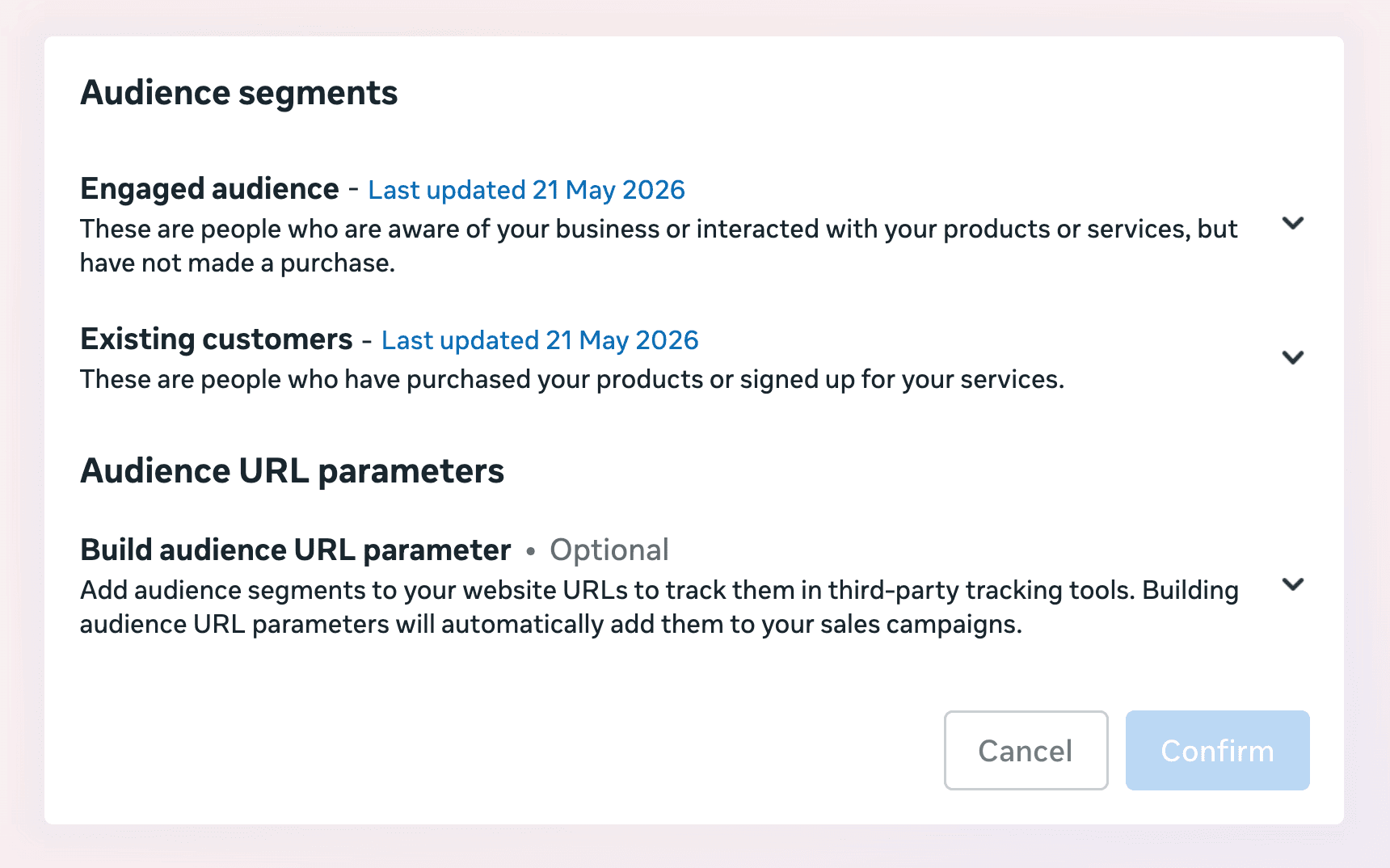
In Ads Manager, go to Audiences, then Create Audience, then Custom Audience. Pick your source: website, customer list, app activity, or engagement. For website audiences, define the URL rules (which pages count) and the lookback window (how far back to include visitors). For customer lists, upload your file and wait for Facebook to match users.
Step 3. Build your retargeting campaign structure
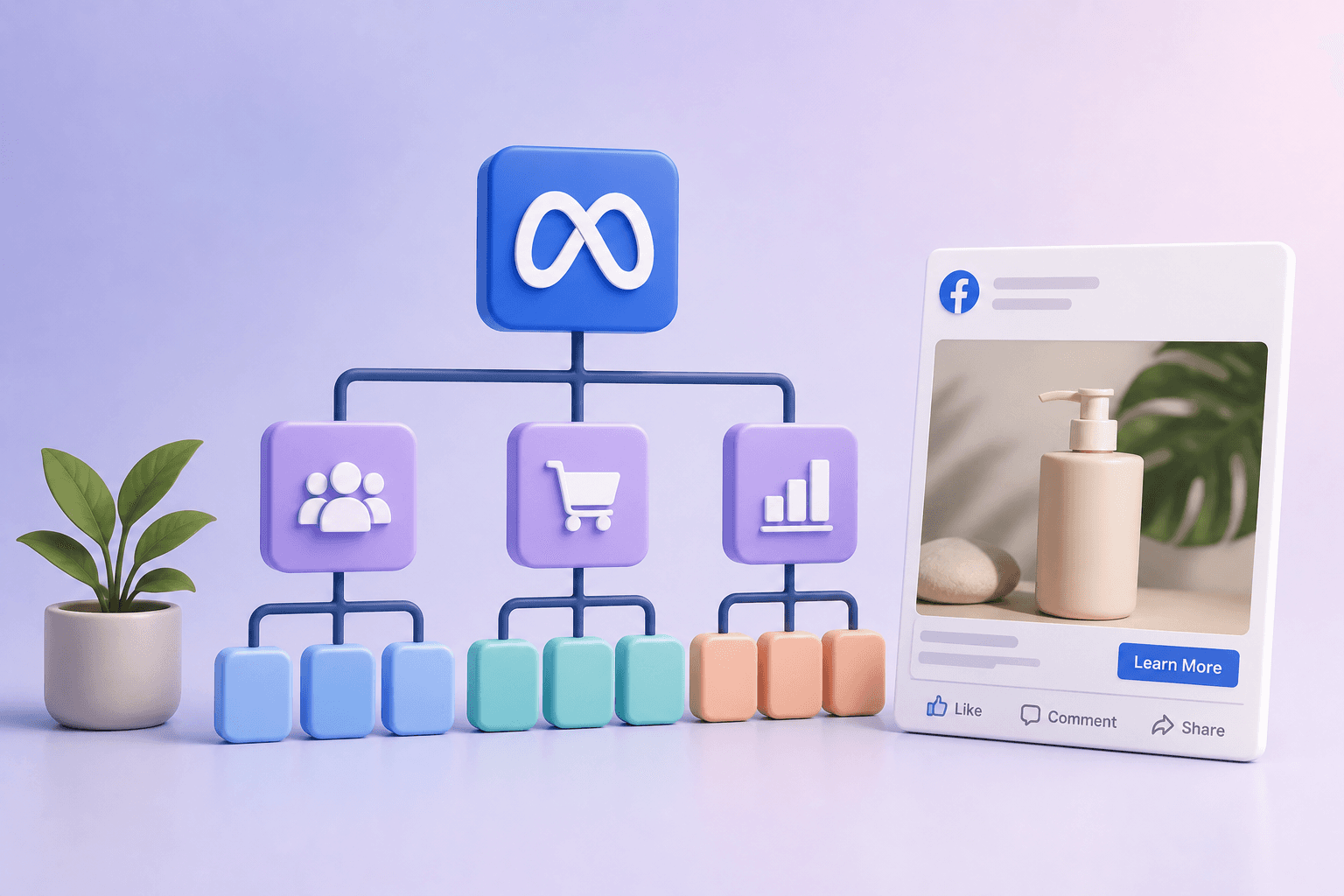
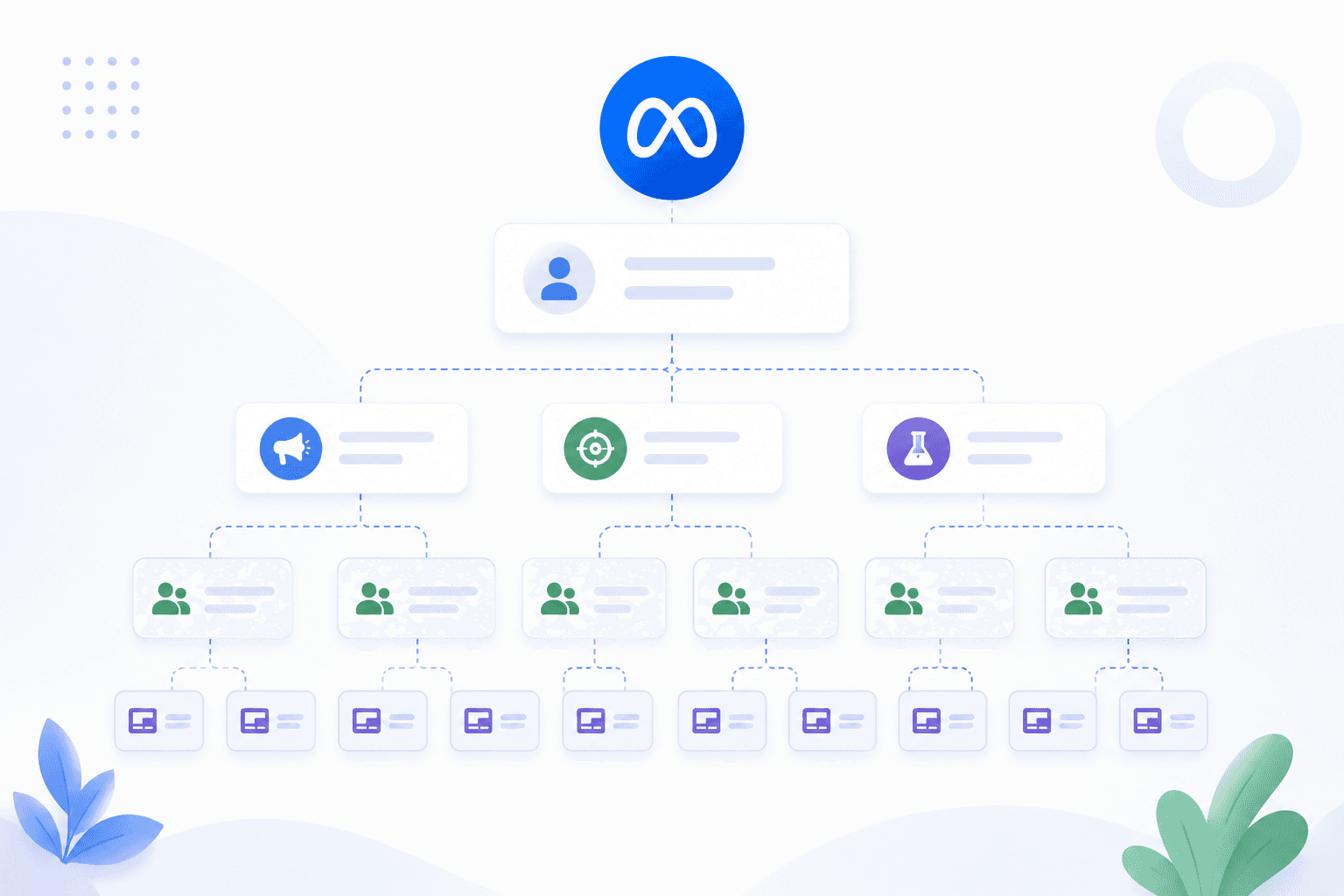
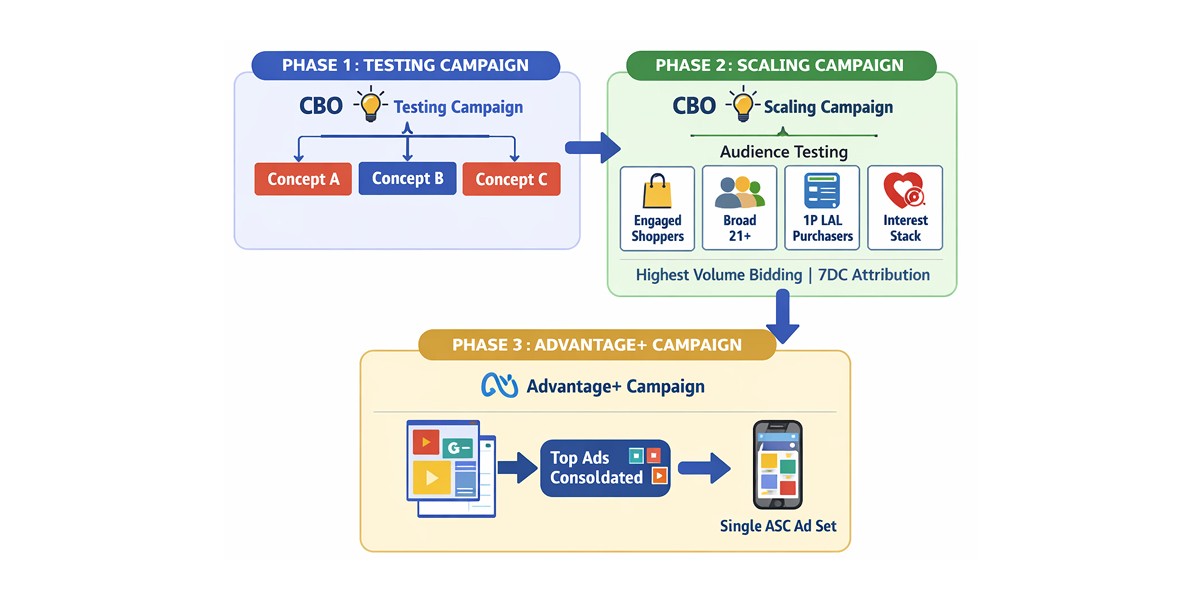
Separate retargeting from prospecting in your ad account structure. This makes reporting cleaner and prevents budget from bleeding between audience types. Within your retargeting campaign, create different ad sets for different segments—cart abandoners in one ad set, product page visitors in another.
A good starting point: keep retargeting spend at 10% or less of your total ad account budget.
Step 4. Set exclusion audiences to prevent wasted spend
Excluding recent purchasers is non-negotiable. Create an audience of people who purchased in the last 30 days and exclude them from your retargeting campaigns. Also exclude cart abandoners from your broader website visitor campaigns so each audience sees the most relevant message without overlap.
Facebook Retargeting Best Practices
1. Keep retargeting to less than 10% of overall spend
When you spend too much on retargeting, you stop generating new demand. Your prospecting campaigns shrink, fewer new people enter your funnel, and your retargeting audiences get smaller over time. Even when retargeting metrics look great in-platform, keep the budget capped.
2. Experiment with shorter lookback windows for higher intent segments
Lookback windows determine how far back Facebook looks when building your audience. A 7-day cart abandoner has higher intent than a 30-day cart abandoner—the purchase was more recent, so the interest is fresher. Use shorter windows (7-14 days) for high-intent segments and longer windows (30-180 days) for awareness-level retargeting where you want larger audience pools.
3. Match your offer to audience temperature
A cart abandoner might respond to free shipping or a limited-time discount. A product page visitor might want social proof or a customer testimonial. Don't serve the same creative to every retargeting segment. The closer someone is to purchasing, the more direct your offer can be.
4. Refresh creatives before frequency kills performance
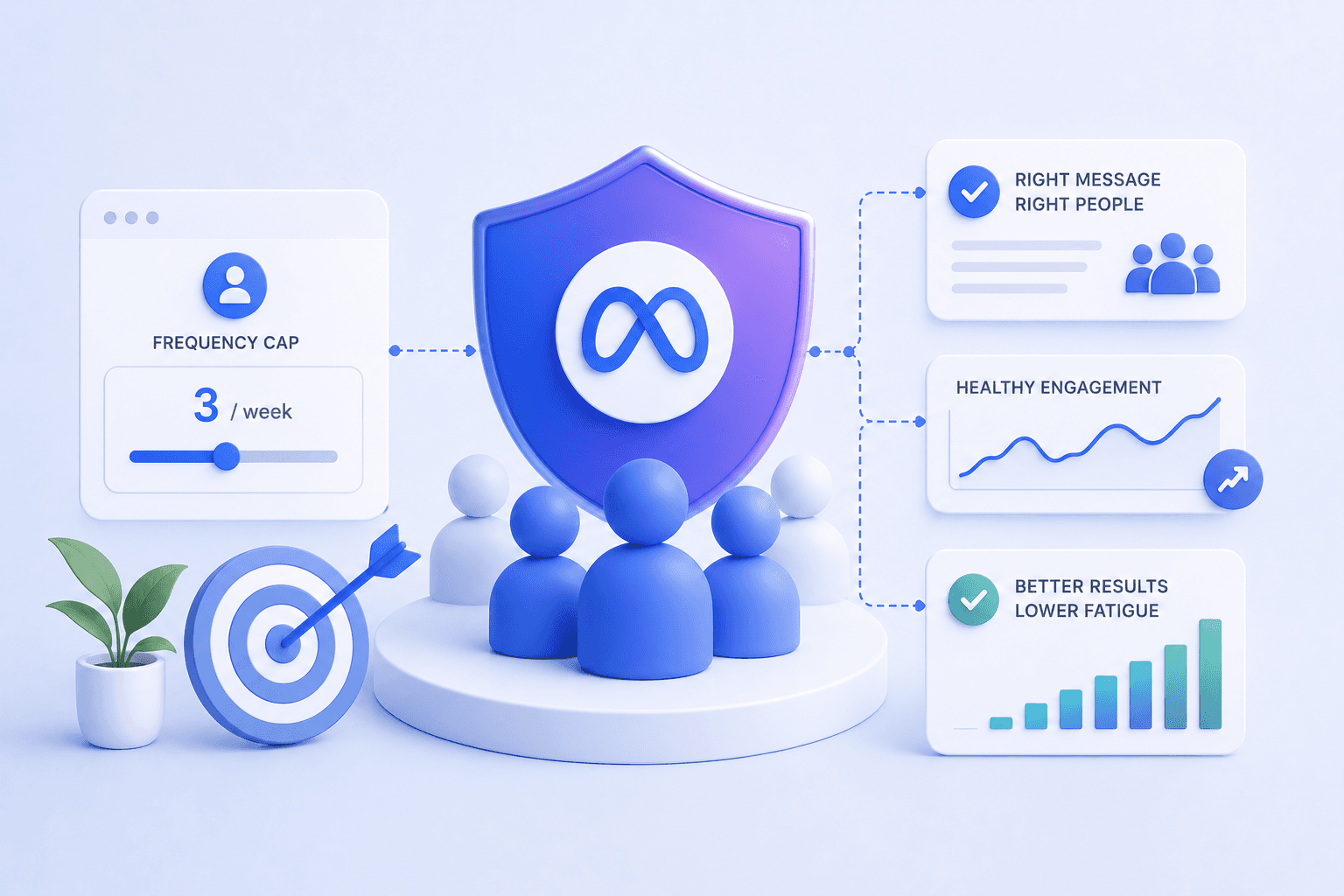
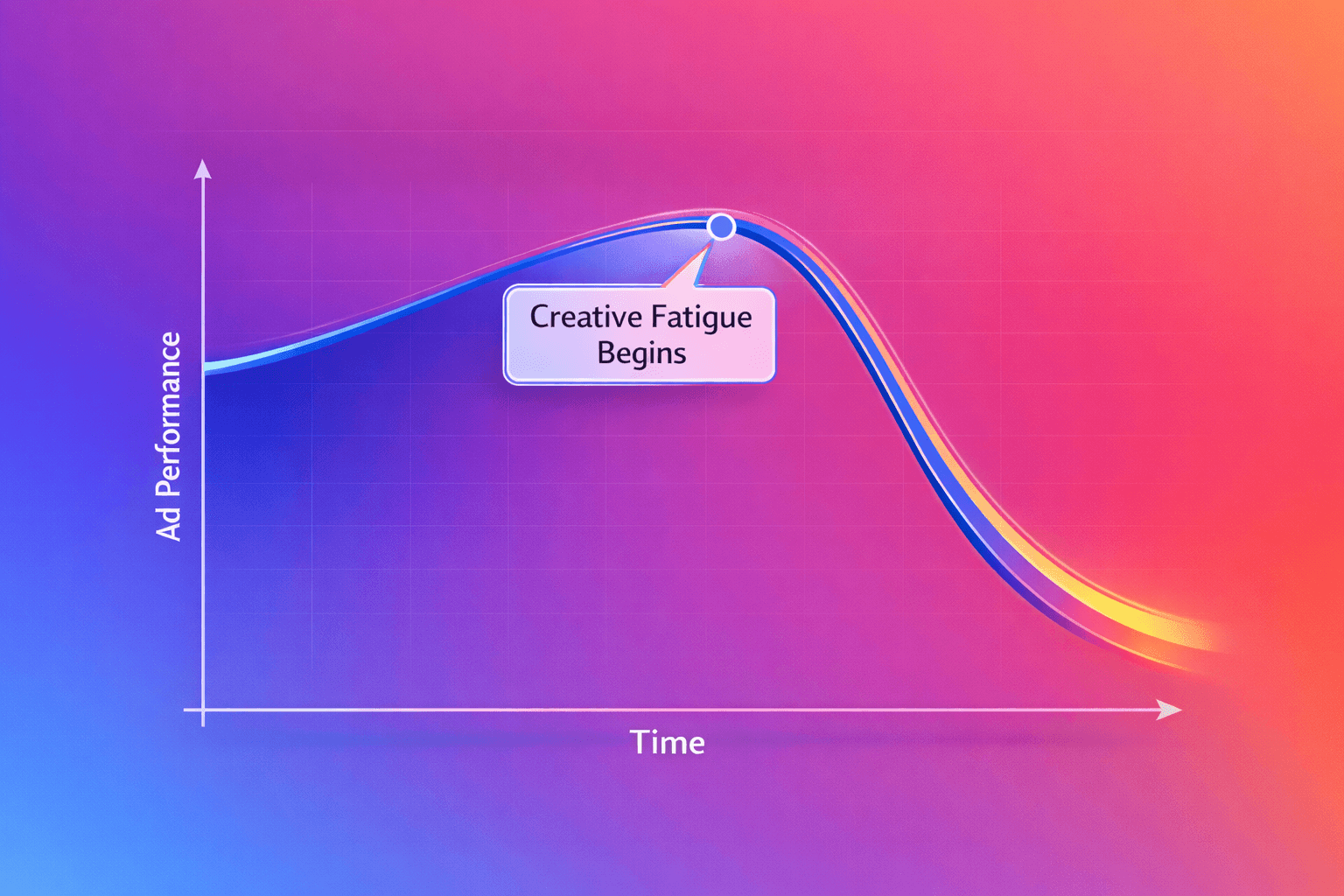
Frequency measures how many times each person has seen your ad. When frequency climbs above 3-4 and performance starts dropping, you're hitting creative fatigue. Swap in new creatives before metrics crater rather than reacting after the damage is done. Creative strategy and media buying are inseparable here—you can't run great retargeting without a system for producing fresh ads.
5. Send retargeted traffic to dedicated landing pages
The post-click experience matters as much as the ad. Retargeted visitors already know your brand, so they don't need your homepage. Send them to landing pages that match the ad's message and remove friction from the conversion path. Landing page optimization is the third pillar that makes retargeting actually convert.
6. Test incremental attribution
Because retargeting often captures conversions rather than causing them, pairing retargeting with holdout tests helps you understand true impact. Run a test where a portion of your retargeting audience sees no ads, then compare conversion rates between the two groups. The difference tells you how many conversions retargeting actually drove versus how many would have happened anyway.
How Dynamic Facebook Retargeting Ads Work
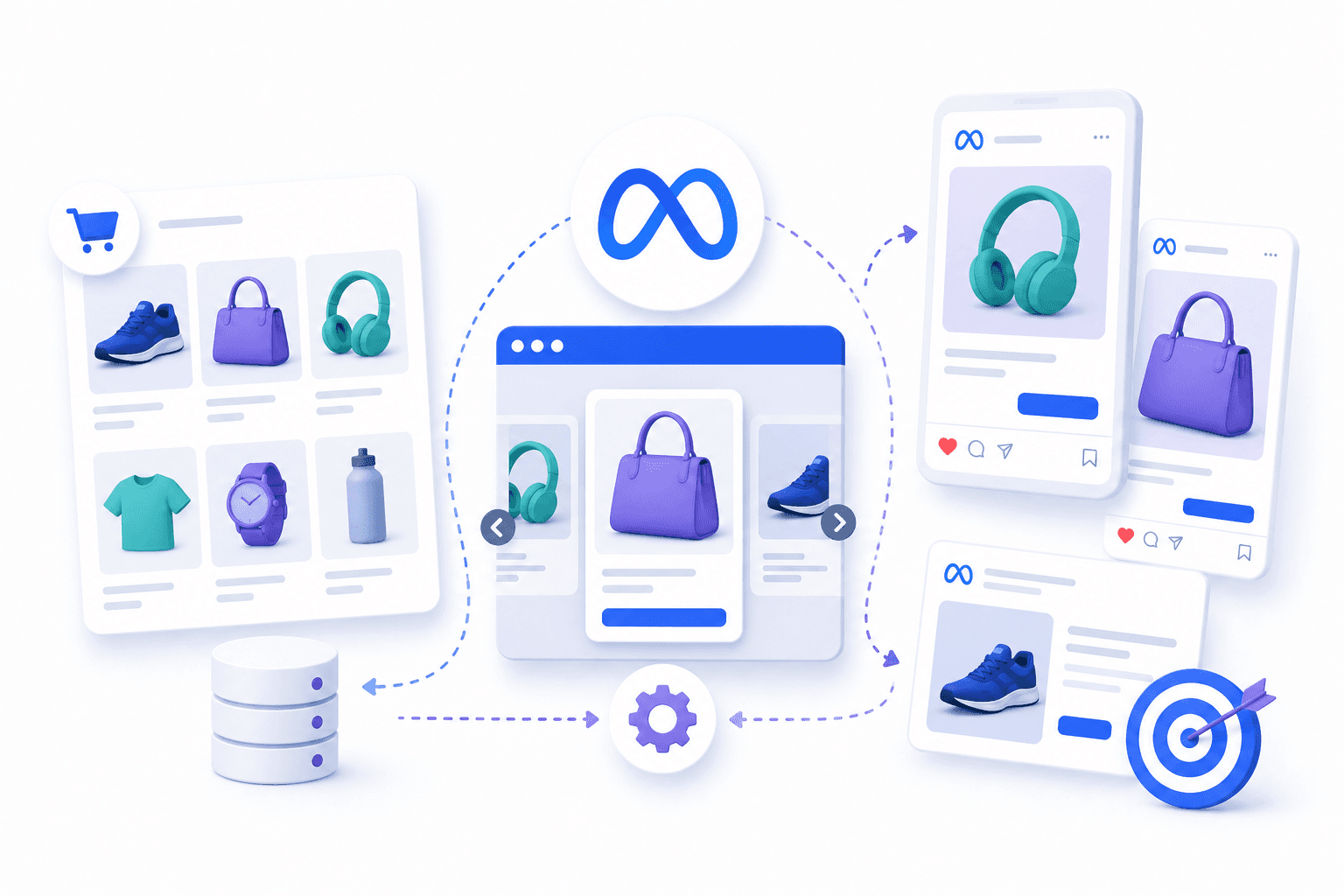
Dynamic Product Ads (DPAs) automatically show users the exact products they viewed on your site. Instead of manually creating ads for each product, you connect your product catalog to Facebook, and the platform generates personalized ads at scale.
Feature
Standard Retargeting Ads
Dynamic Retargeting Ads
Creative
Manually created
Auto-generated from catalog
Product shown
Generic or selected
Exact product user viewed
Best for
Service businesses, small catalogs
E-commerce with large catalogs
Setup complexity
Lower
Higher (requires product feed)
DPAs work best for e-commerce brands with large catalogs where creating individual ads for every SKU isn't practical. Setup requires a product feed connected to your Meta catalog, plus the pixel firing ViewContent events with product IDs so Facebook knows which products each user viewed.
How to Measure Facebook Retargeting Campaign Performance
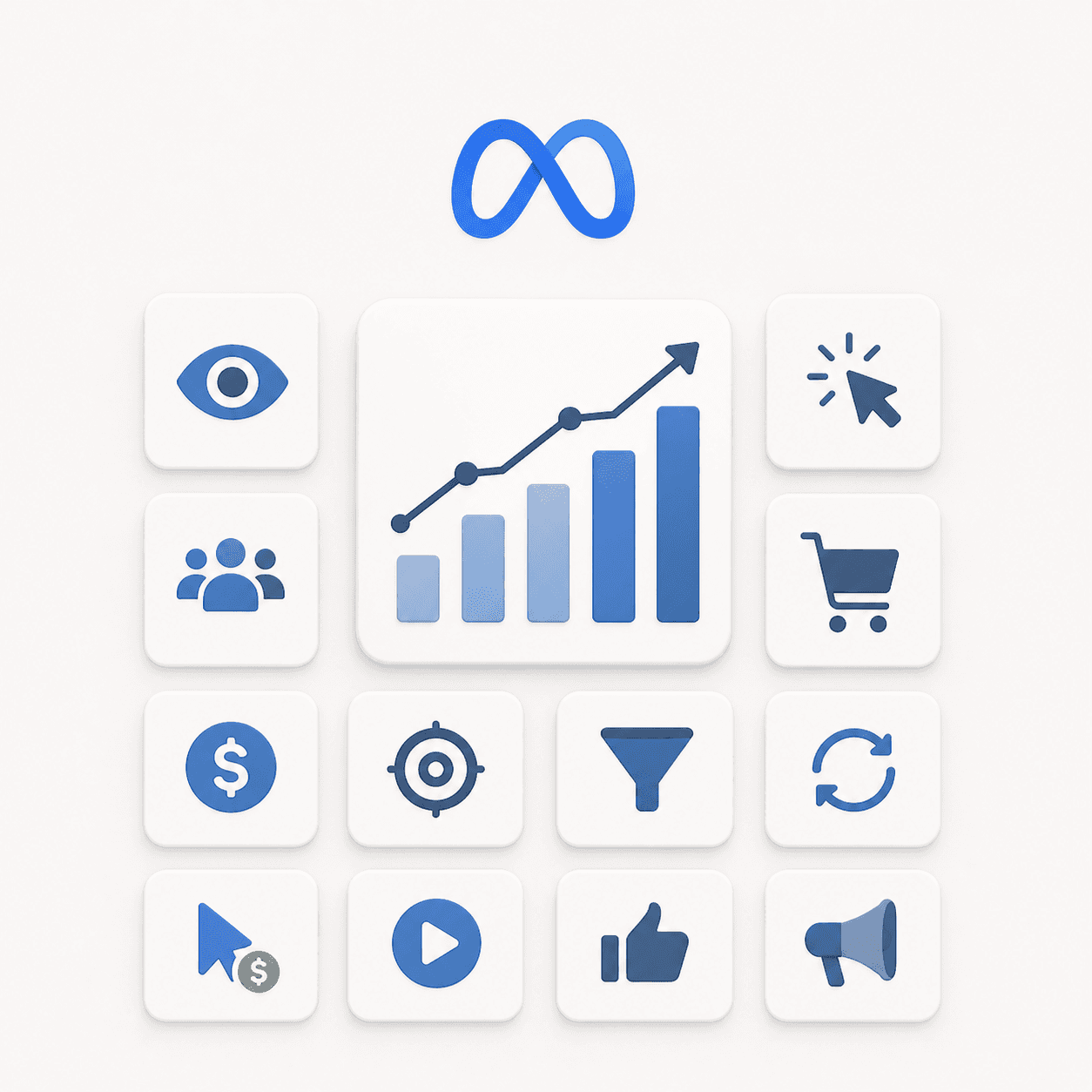
Track performance at the audience segment level, not just the campaign level. Here are the metrics that matter:
ROAS: Revenue generated divided by ad spend. This is your primary efficiency metric for retargeting.
CPA: Cost per acquisition. Compare your retargeting CPA against your prospecting CPA and your target threshold.
Frequency: Average impressions per person. When frequency climbs above 4-5, performance usually suffers.
First-Time Impression Rate: The percentage of impressions going to new users in that audience. This helps you spot audience saturation.
Don't evaluate retargeting in isolation. Retargeting will almost always look better than prospecting due to attribution mechanics. The real question isn't whether retargeting has better metrics—it's whether retargeting is actually incremental to your business.
How to Allocate Budget Between Retargeting and Prospecting
Your retargeting budget has a natural ceiling: audience size. You cannot spend more than your retargeting pool supports without frequency skyrocketing and performance collapsing.
Retargeting budget ceiling: Small audiences can't absorb large budgets. If you try to force more spend, frequency spikes and results tank.
Prospecting feeds retargeting: Your broader Meta ads strategy should prioritize prospecting—more top-of-funnel traffic creates larger retargeting audiences over time, and scaling retargeting starts with scaling prospecting first.
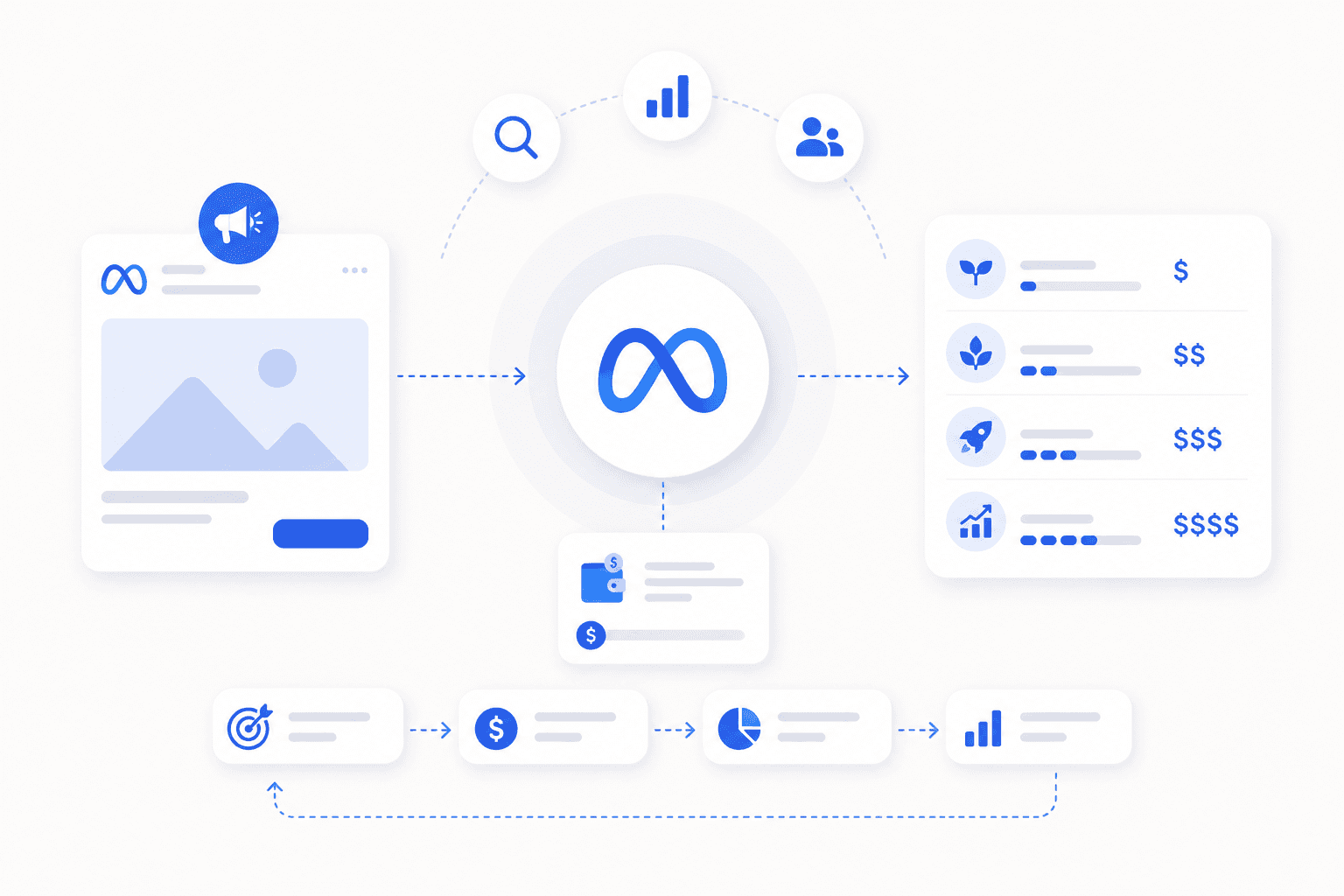
Budget ratio guidance: Start with 90% or more on prospecting and adjust based on audience size and retargeting ROAS.
There's no shortcut here. Retargeting is a function of how many new people you bring into the funnel.
Build a Retargeting Strategy That Scales
The best Facebook retargeting combines three elements working together: paid media expertise to structure campaigns and allocate budget correctly, creative strategy to match messaging to audience intent and prevent fatigue, and landing page optimization to convert the traffic you're paying to retarget.
Retargeting alone won't fix a broken funnel. It amplifies what's already working—or exposes what isn't.
Book a call with Flighted if you want a partner to manage your Meta retargeting campaigns alongside creative and landing page strategy.
FAQs About Facebook Ads Retargeting Strategy
What is the minimum audience size for Facebook retargeting?
Facebook requires at least 100 people in a Custom Audience before you can target it. In practice, you want closer to 1,000-2,000 for meaningful delivery and optimization.
How does Facebook retargeting work after iOS 14.5?
iOS 14.5 limited tracking for users who opted out of app tracking—only 35% of users opt in according to Adjust's 2025 data. First-party data and server-side tracking through the Conversions API have become more important for maintaining retargeting audience accuracy.
How often should you refresh Facebook retargeting ad creatives?
Refresh creatives when frequency climbs above 3-4 and performance metrics start declining. For active retargeting campaigns, this typically means every 2-4 weeks, though the timing varies by audience size.
Can you run Facebook retargeting campaigns without a pixel?
You can retarget engagement audiences like video viewers or page engagers without a pixel. However, website visitor retargeting requires either the Meta Pixel or Conversions API installed on your site.
Is Facebook or Google better for retargeting ads?
Facebook works well for visual storytelling and reaching users during passive browsing. Google captures active search intent. Most brands benefit from running both, with budget allocation depending on where your audience spends time and how they research purchases.