The Ultimate Guide to B2B SaaS Meta Ad Creative (With Examples)
Meta Ads
April 21, 2026

Table Of Contents


Messaging Strategy: Avoid the "Blank Page" Problem
Creativity in ads shouldn't rely on inspiration. If your next winning ad depends on someone on your team having a shower thought, you don't have a creative strategy, you have a creative lottery. Systematize the "what to say" using a messaging testing framework so you eliminate the blank-page problem and can scale output reliably.
Winning B2B ads almost always hinge on one of three variables: the customer pain points your product solves, the specific features and how those features translate to benefits in the end user's life, or highly specific customer avatars that resonate deeply when spoken to directly.
The practical version of this is a "messaging matrix." Exhaustively list out all three variables: every pain point you solve, every feature-to-benefit translation, every customer avatar you could conceivably target, from general to specific. Use structured prompts against your product data to extract emotionally-driven, ad-ready insights from each variable - ask AI to produce 4 pain points for each avatar, for example. The output is a spreadsheet of ready-to-produce ad concepts instead of a Slack channel full of vague inspo links.
Then, test each variable across the ad formats above (as well as any additional formats you come up with or find from inspo brands) using a structured approach. The combination of three messaging variables x 10+ ad format archetypes gives you dozens of ad variations without a single moment of creative block. Even a junior team member can execute against it.
Creative Production System: How to Consistently Ship Winners
A messaging matrix only matters if you can actually ship the ads. Here's the production system we'd recommend for a B2B SaaS creative team.
The 50/50 Model: Iteration vs. Exploration
Split your monthly creative output roughly 50/50. Half of your new ads each month should iterate on winning messaging you've already observed in your ad account — new angles on a proven hook, new formats for a proven headline, new iterations of a proven avatar call-out. The other half should pull from the hypotheses in your messaging matrix — things you think might work but haven't proven yet.
Too much iteration and you'll plateau. Too much exploration and you'll burn budget on unvalidated ideas. The 50/50 split keeps you compounding wins while still feeding the funnel with new concepts.
Creative Sourcing
You need at least one or two in-house editors and designers on the team. Without them, you can't execute on inspo ads quickly enough to keep up with the iteration side of the model. External production partners move too slowly for the pace B2B creative testing requires.
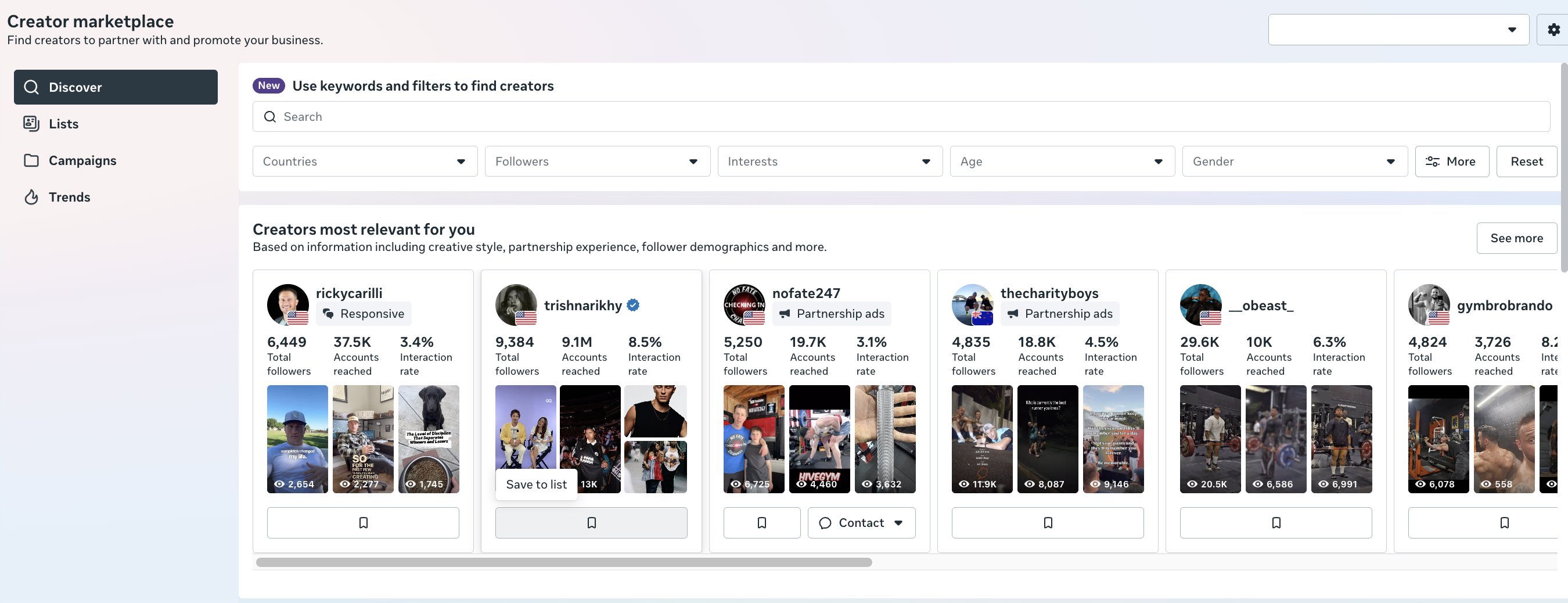
Supplement the in-house team by sourcing from third-party UGC creators. Platforms like Billo make this easy, and UGC agencies can handle higher-volume needs. For brand authenticity, form deep relationships with thought leaders in your space who can create content for you on an ongoing basis — sort of the DTC influencer marketing approach, but with a smaller roster of total creators who genuinely understand your product.
Designing Ads for Conversion Quality, Not Just Leads
The final piece is making sure your ads attract the right people, not just a lot of people. In B2B, this matters more than in any other channel.
Pre-qualify prospects directly in your copy and headlines. An ad that says "Shopify store owners doing $1M/month in revenue" is going to produce a meaningfully different lead pool than one that says "grow your Shopify store." The second one will pull more leads, but your sales team will hate the quality. The first one will pull fewer, but every lead is closer to your ICP.
Align your messaging with your downstream qualification criteria. Your creative should speak to the problems of your qualified lead cohort, not to everyone who might vaguely benefit from your product. Catch-all value props sound inclusive in a brief, but they cost you money in sales calls that never had a chance.
Summary
B2B SaaS creative strategy isn't about being clever. It's about being clear, being fast, and being specific. This is a critical component of your overall Meta Ads strategy, and is something Flighted specializes in as a best-in-class growth agency for B2B SaaS brands.
Build ads that respect your buyer's time, speak to their actual role, and call out their actual problem. Systematize your messaging so you're not dependent on inspiration. Split your production 50/50 between iteration and exploration. And pre-qualify in the copy so you stop handing your sales team leads that were never going to close.