Best Meta Ads Exclusion Strategy For Prospecting Campaigns
Meta Ads
July 2, 2026
Table Of Contents
Looking for Meta ads support?
We're a small, hardworking, US-based team. Book a call and get a free audit today.
5. Frequency: The Metric That Tells You When to Stop
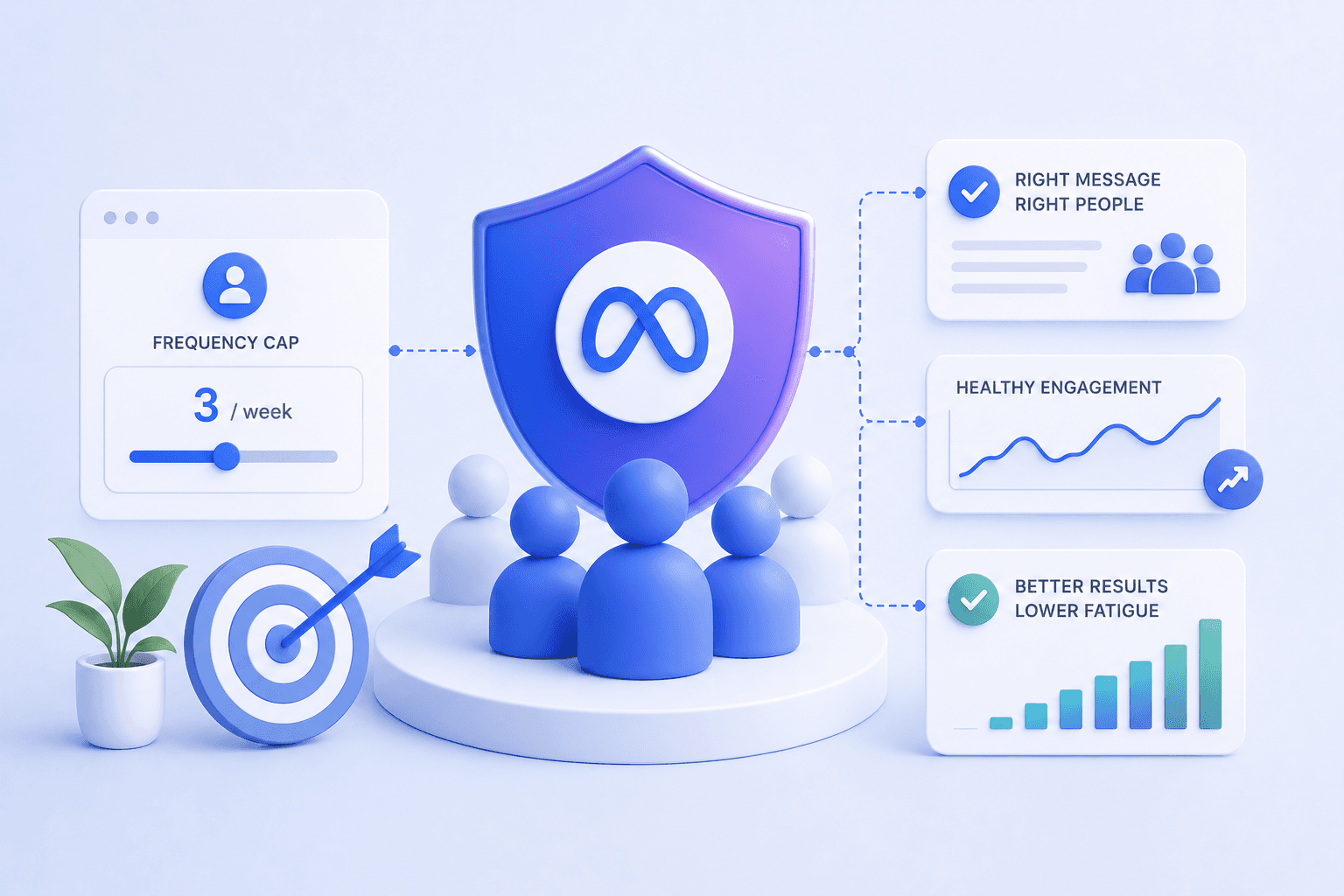
Frequency is the single most overlooked metric in retention and existing-customer campaigns.
Keep frequency under 7 impressions per user on a 30-day window. If you are retargeting the same person 30+ times per month, you are almost certainly overspending with zero incremental return.
Here is how to check:
Pull frequency data at the adset level for any campaign targeting existing customers or engaged audiences.
Filter to a 30-day window.
If any adset shows frequency above 7, reduce budget or narrow the audience.
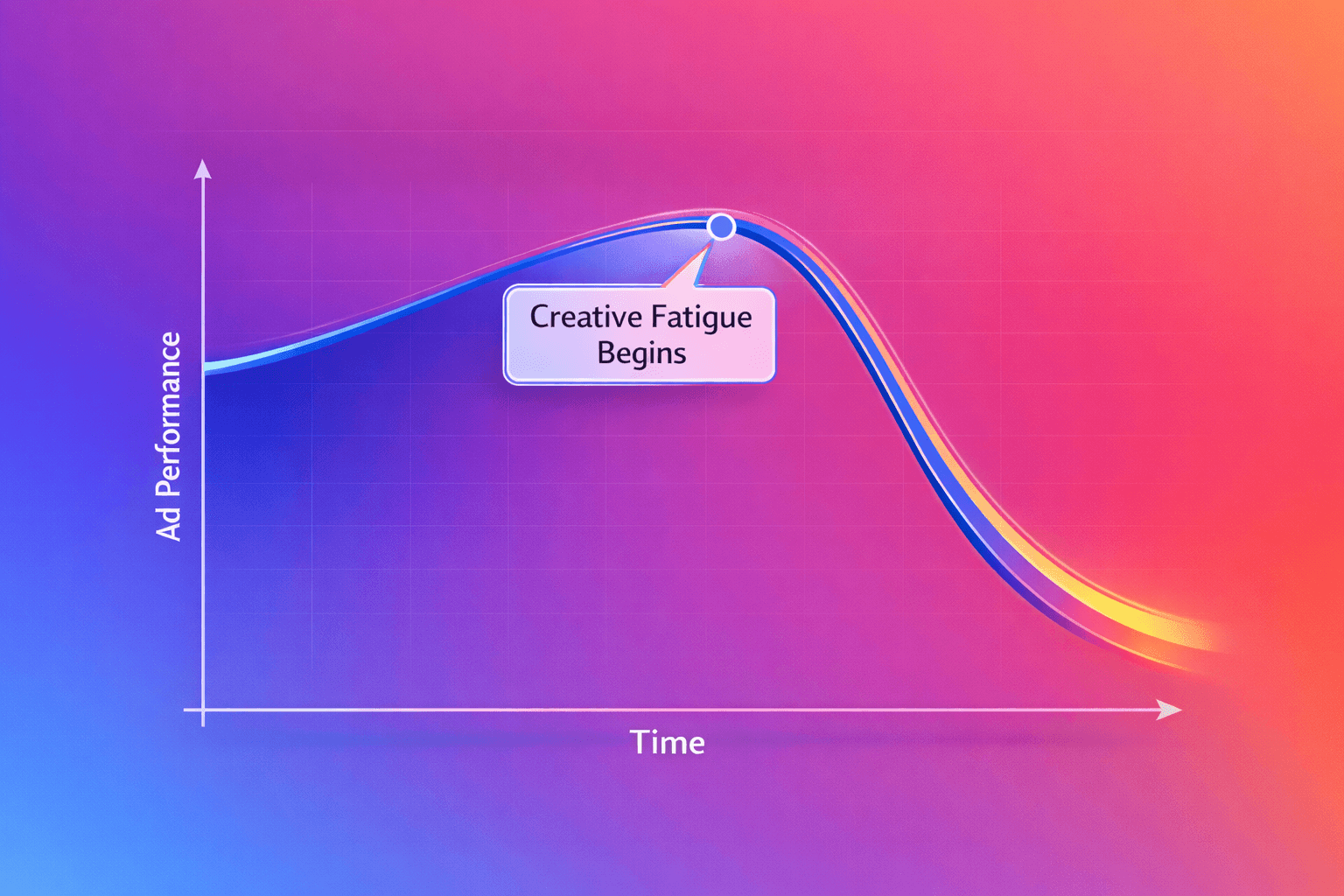
High frequency does not mean high intent. It means a small audience pool being hammered with impressions. The cost climbs, the incremental conversions drop, and you are paying for annoyance rather than engagement.
This applies equally to retargeting campaigns and any Advantage+ campaign where existing customers are not excluded. Without exclusions, Meta will over-serve your warmest audiences because they convert cheaply, regardless of whether those conversions are incremental.
6. How to Set Up Customer List Exclusions in Meta
Setting up exclusions correctly matters. Done wrong, they break your segmentation logic and create data you cannot trust. Here is the practical setup.
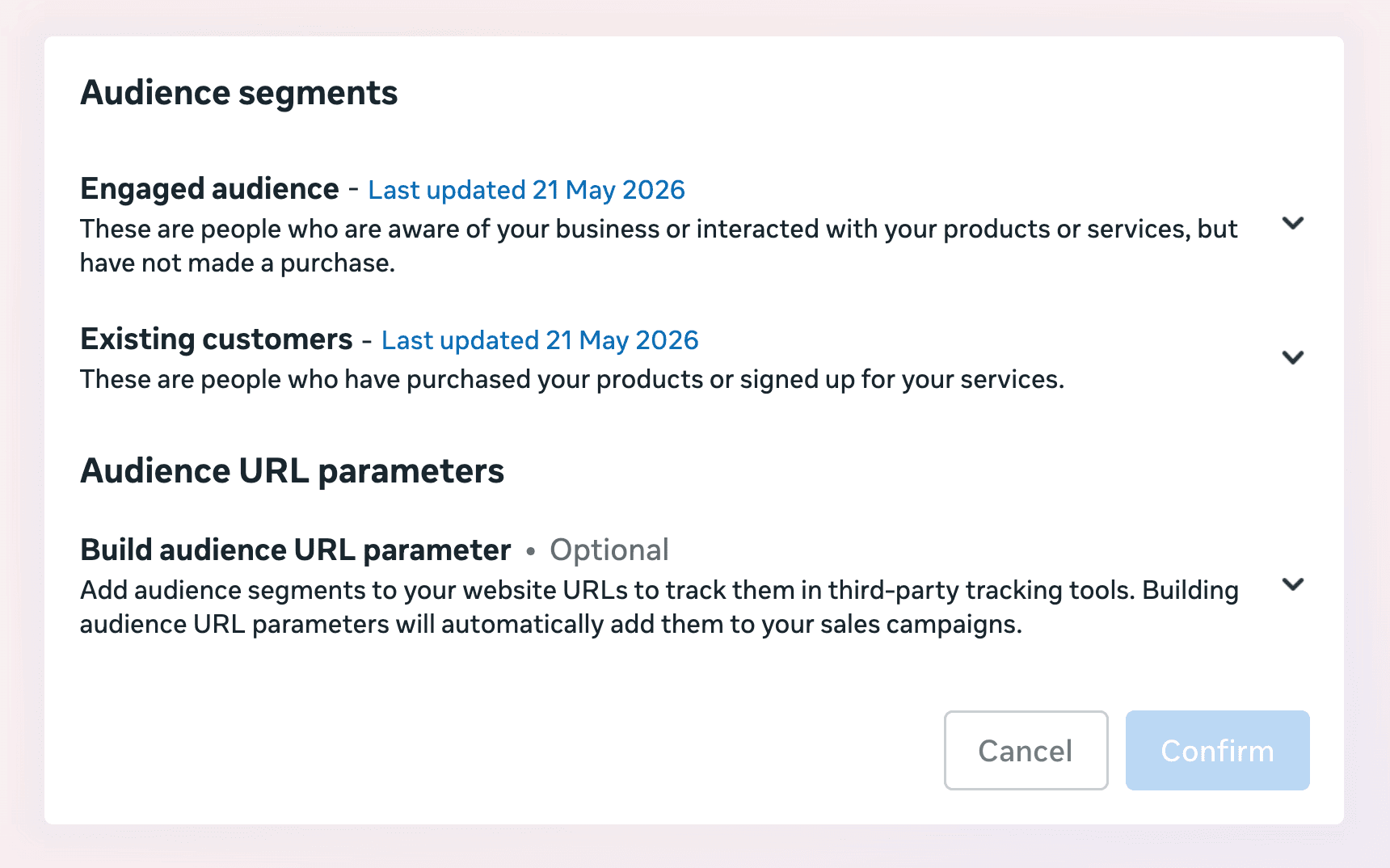
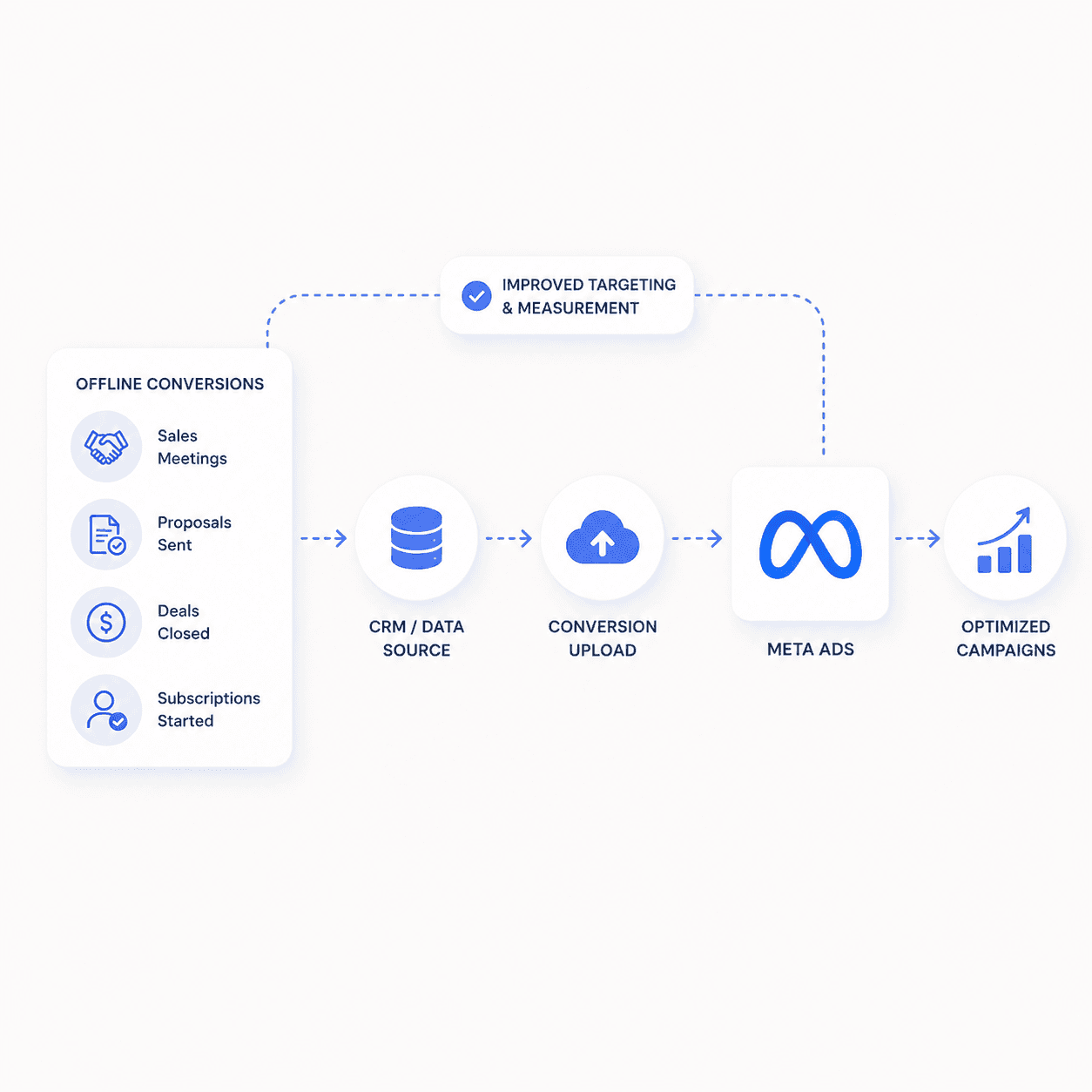
Step 1: Build your customer list. Export your customer email list from your CRM or Shopify. Upload it as a Custom Audience in Meta Business Manager. Update this list at least monthly; weekly is better for high-volume brands.
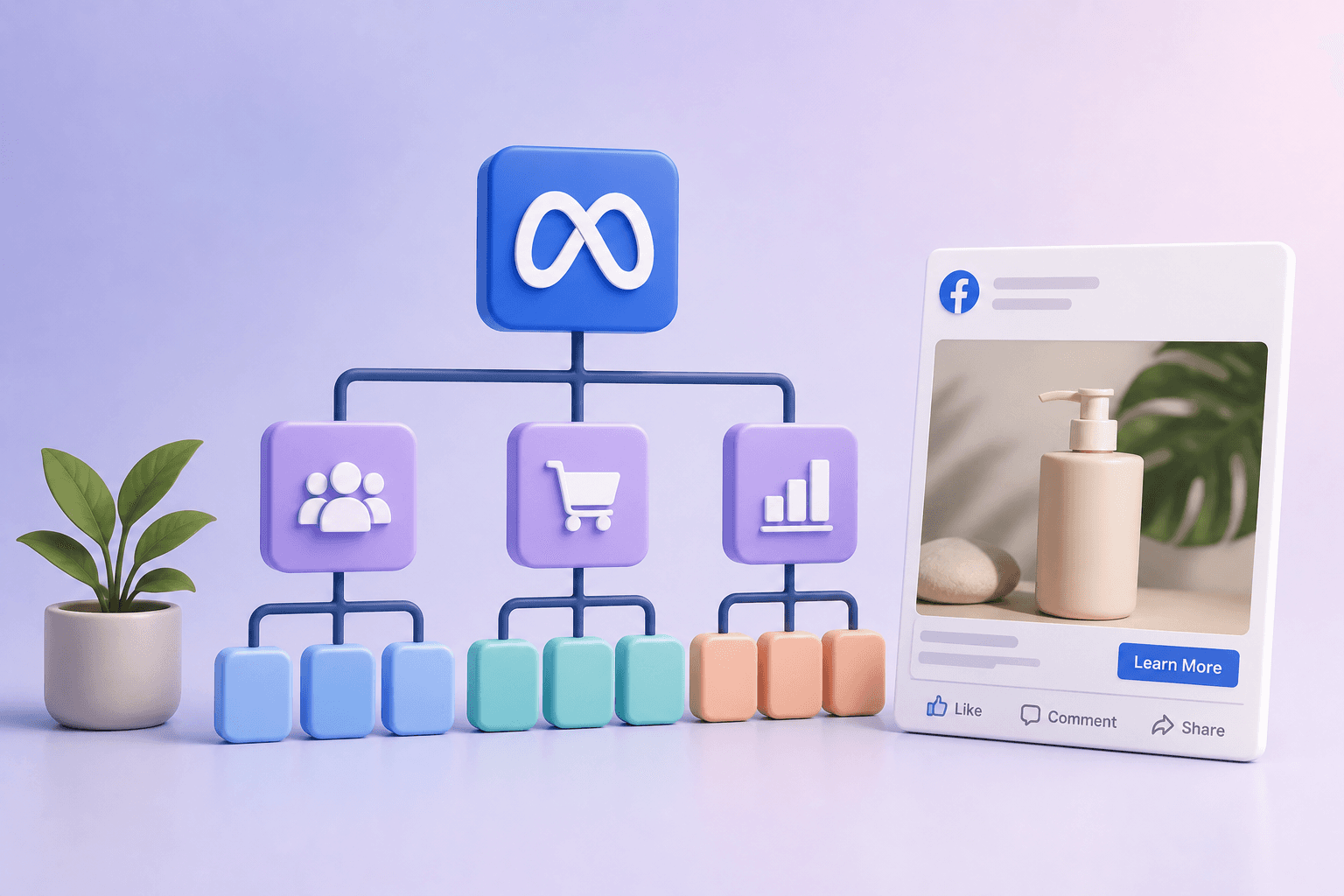
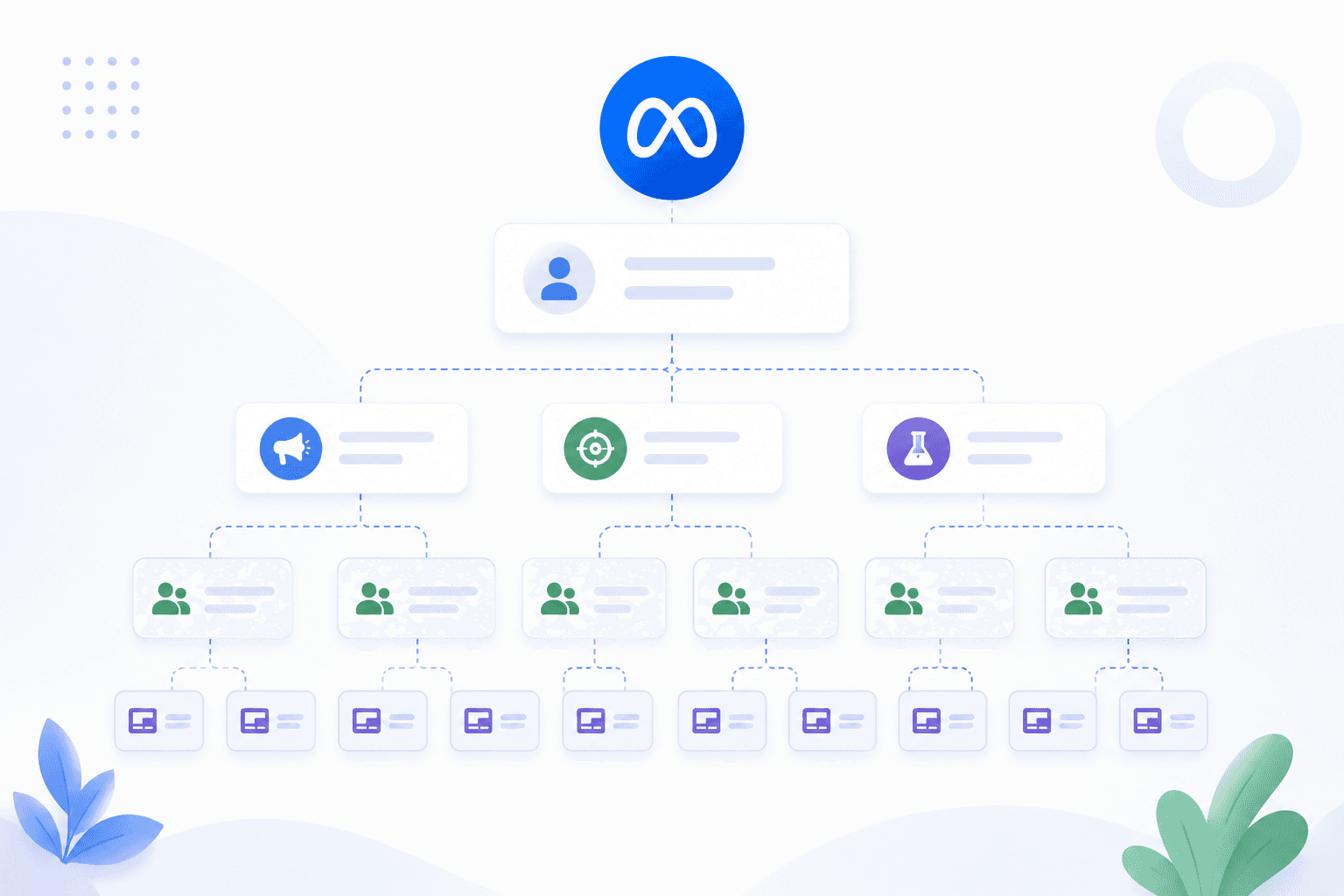
Step 2: Apply exclusions at the adset level. This is critical. Apply your customer list exclusion at the adset level within your prospecting campaigns. This preserves your account's core segmentation logic and keeps your campaign-level data readable.
Step 3: Create a separate retention campaign (if applicable). If your business model supports re-engaging past buyers, set up a dedicated retention campaign with its own budget, frequency controls, and creative. Do not mix retention and prospecting audiences in the same campaign.
Step 4: Monitor and adjust. Check your prospecting campaigns weekly for existing-customer contamination. Look at audience overlap reports and conversion breakdowns. If existing customers are still converting inside prospecting campaigns, your exclusion list may be stale or incomplete.
Use a 180-day purchase window for your exclusion list as a starting point. Adjust based on your product's repurchase cycle.
For subscription brands, exclude only active subscribers and keep lapsed subscribers in your prospecting pool.
Re-upload your customer list on a regular cadence. A list that is 60+ days old will have significant gaps.
7. Decision Framework: Should You Exclude or Include?
Use this framework to decide.
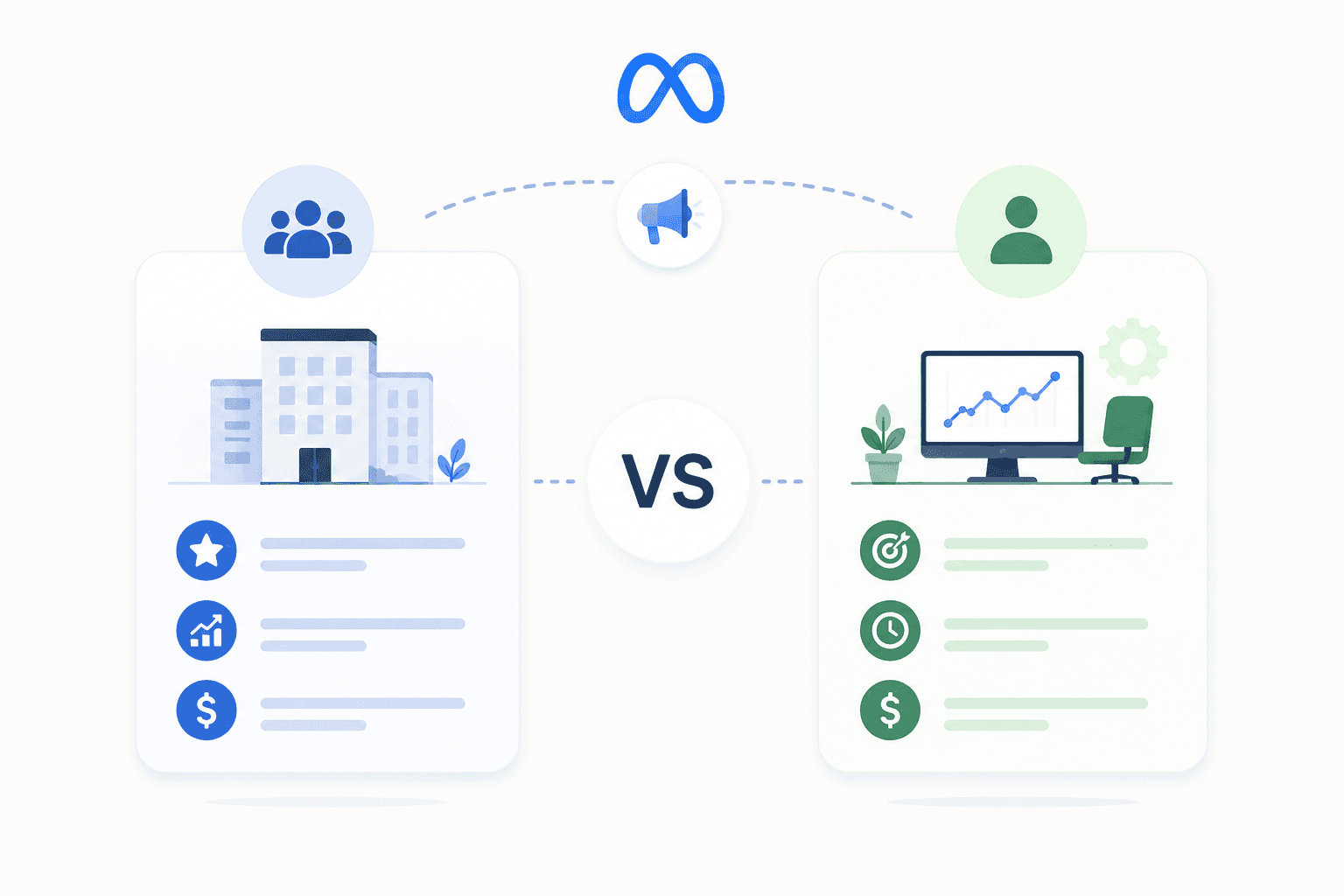
Exclude existing customers from prospecting if:
You spend under $50k/month on Meta
Your product has a low repeat-purchase rate (fewer than 2 purchases per customer per year)
You sell durable goods, high-AOV one-time purchases, or products with long repurchase cycles
Your account audit shows more than 25-30% of spend going to existing/engaged audiences
You cannot clearly separate prospecting CAC from retention CAC in your current structure
Allow some existing-customer exposure if:
You sell consumables, supplements, or subscription products with high repeat-purchase rates (3+ purchases per customer per year)
You have a dedicated retention budget calculated using the formula above
You can maintain frequency under 7 on a 30-day window
You have separate campaign structures for prospecting and retention with clean data segmentation
In either case, never let Meta decide how much to spend on existing customers by default. Control it explicitly through list exclusions and dedicated budgets.
Conclusion
The question of whether to exclude customers from Facebook prospecting is really a question about your business model. One-time-purchase and low-repeat brands should exclude aggressively and redirect every prospecting dollar toward net-new acquisition. High-repeat and subscription brands can justify some existing-customer spend, but only with precise budget controls, frequency caps under 7 per 30-day window, and clean campaign separation.
Regardless of which camp you fall into, the non-negotiable rule is this: your account structure must produce clean, readable data. If you cannot tell whether a conversion came from a new buyer or an existing one, your performance data is unreliable and your scaling decisions are built on guesswork.
Get the segmentation right first. Everything else follows.