Why Lookalike Audiences Are No Longer Effective in Meta Ads
Meta Ads
July 6, 2026

Table Of Contents
Looking for Meta ads support?
We're a small, hardworking, US-based team. Book a call and get a free audit today.
5. The Nuanced Take: When Lookalikes Still Have a Role
Lookalikes are not dead. They are just no longer the primary lever.
There are specific scenarios where a lookalike audience still adds value:
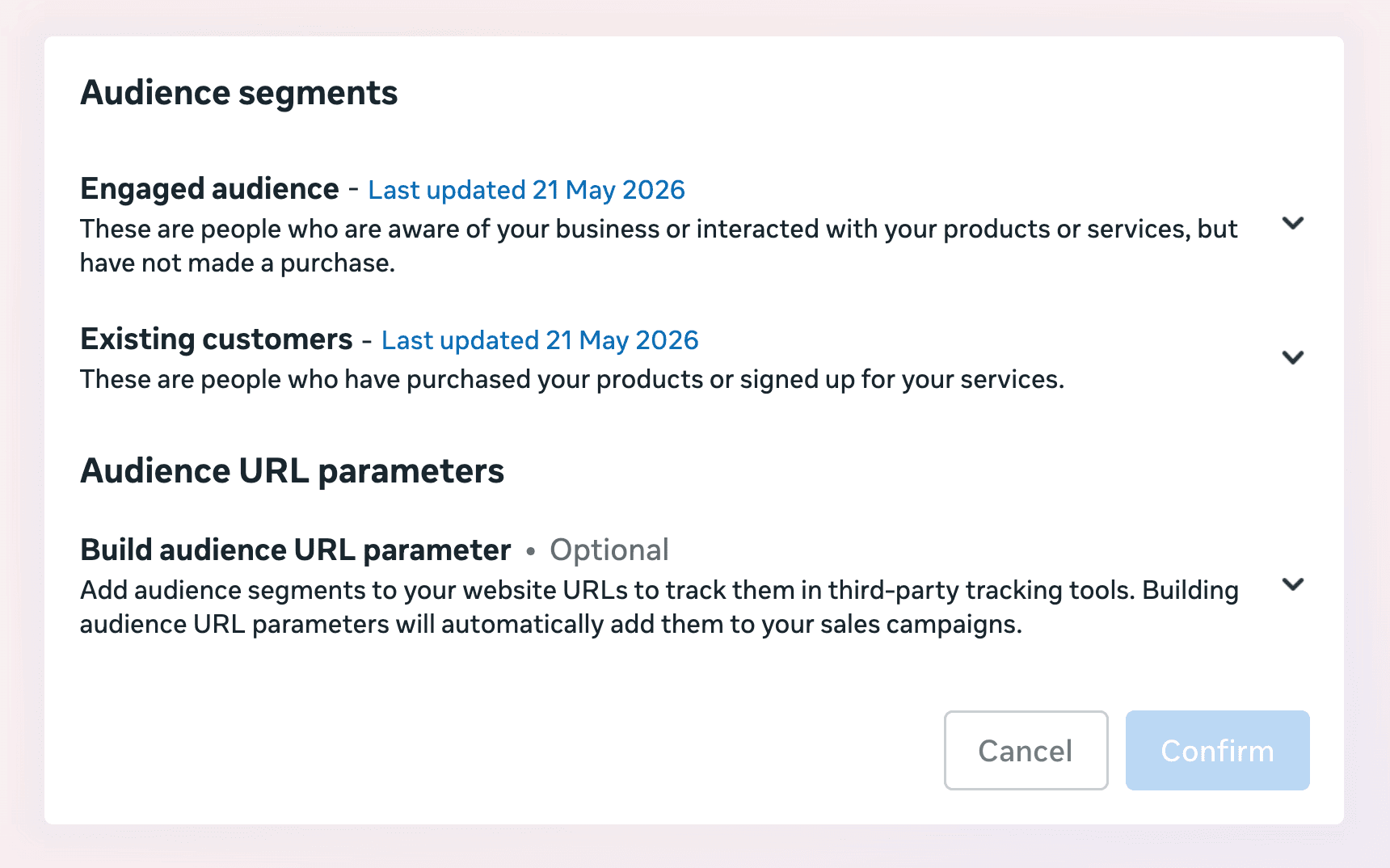
As an Advantage+ audience suggestion. Uploading a high-quality customer list as a suggested audience in ASC gives Meta a directional signal without constraining delivery. This is the highest-ROI use of lookalikes in 2026: a starting hint, not a hard boundary.
For cold-start accounts with zero conversion data. If you are launching a brand-new ad account with no pixel data and no purchase history, a lookalike built from an email list of actual buyers can help Meta's exploration phase. But even here, plan to phase it out within 30 to 60 days as the account accumulates its own conversion data.
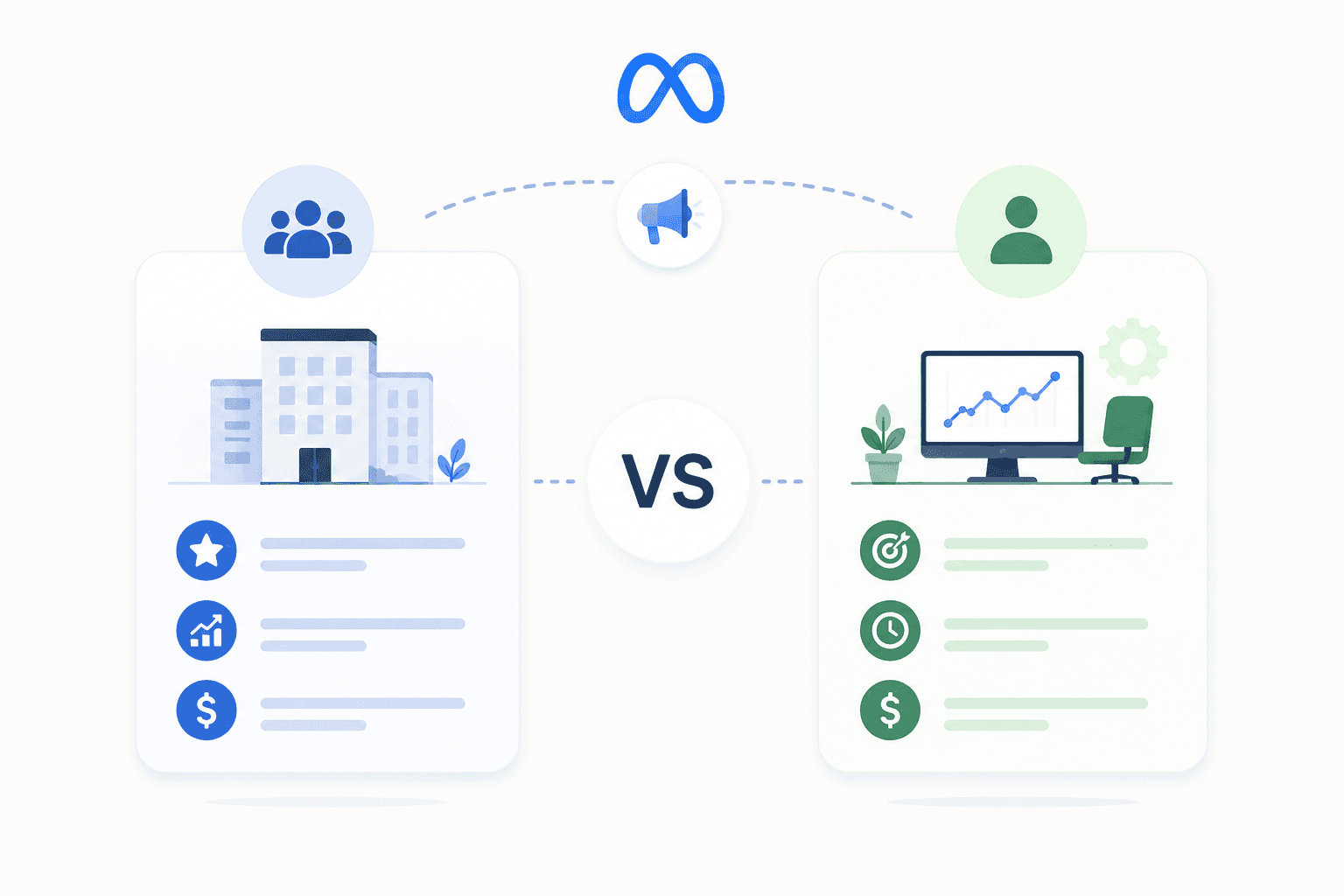
For niche B2B audiences where the total addressable market is small. If your total addressable market (TAM) on Meta is under 500,000 people, a lookalike can help Meta avoid wasting budget in clearly irrelevant segments. But pair it with broad creative testing, not layered interest targeting.
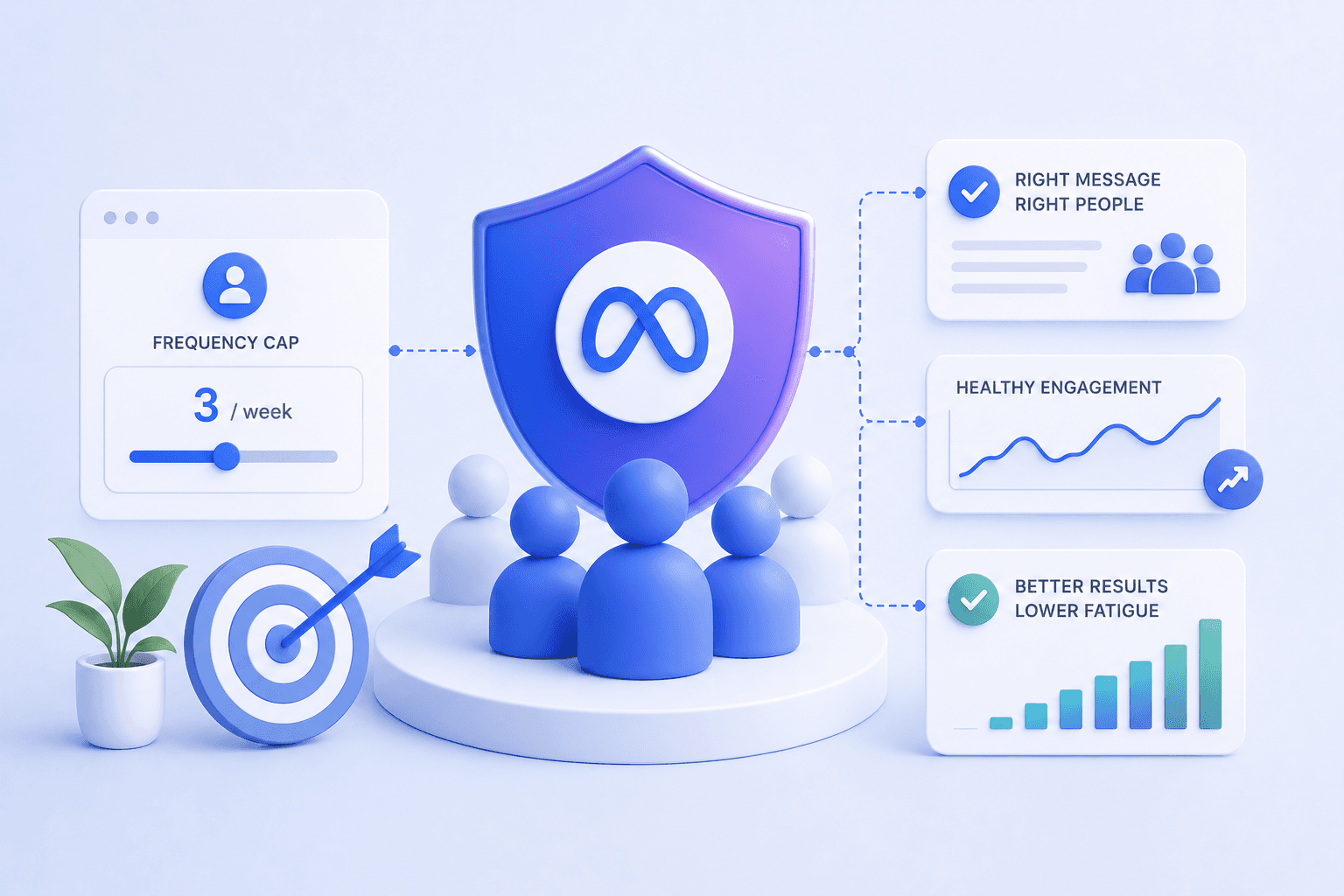
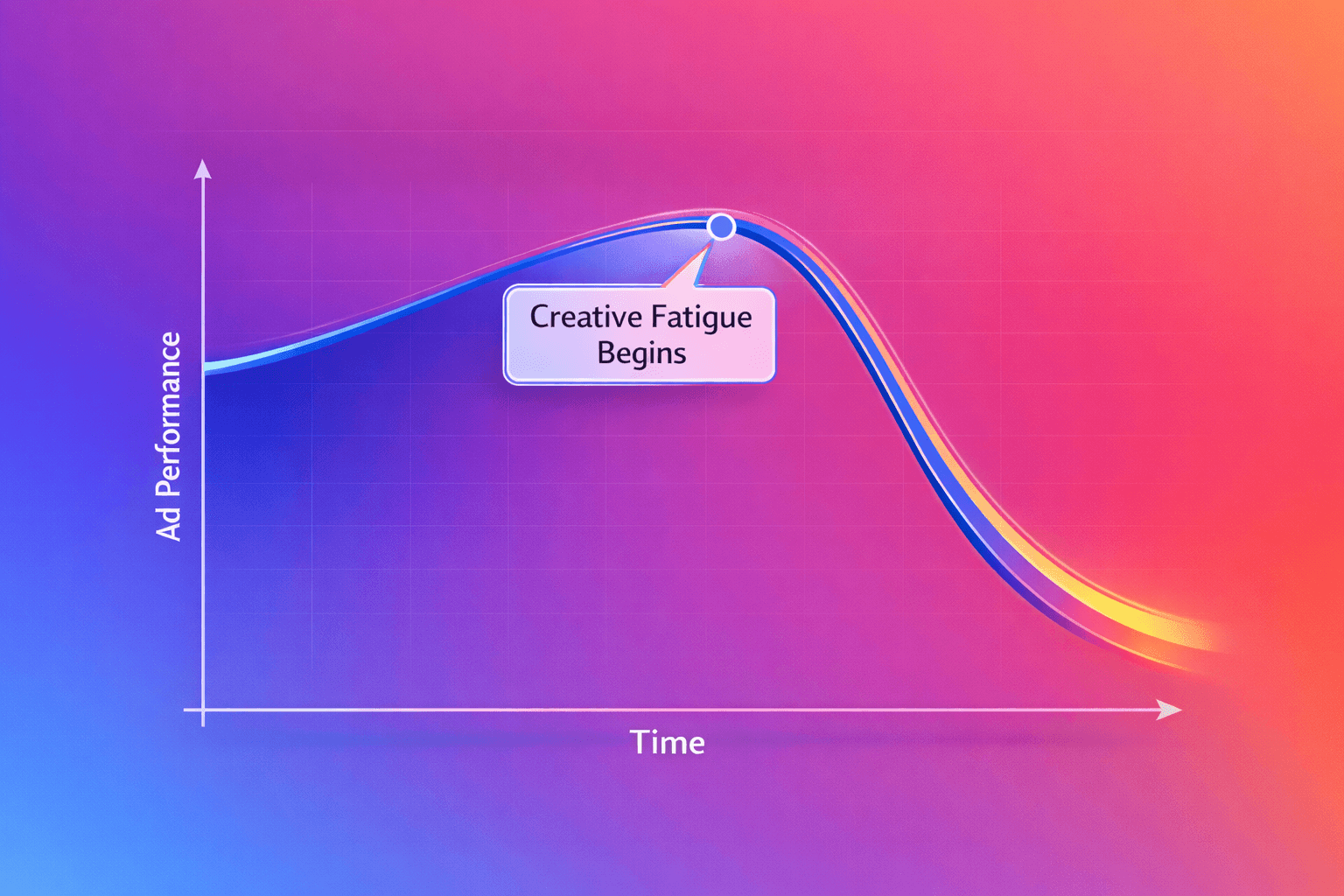
The risk with lookalikes in 2026 is treating them as the core strategy. Teams that over-index on seed quality and audience segmentation tend to hit diminishing returns as they scale into colder portions of the lookalike pool. Fatigue sets in faster because the addressable population is artificially constrained.
6. What Actually Moves the Needle Now
If lookalikes are no longer your primary targeting lever, what replaces them?
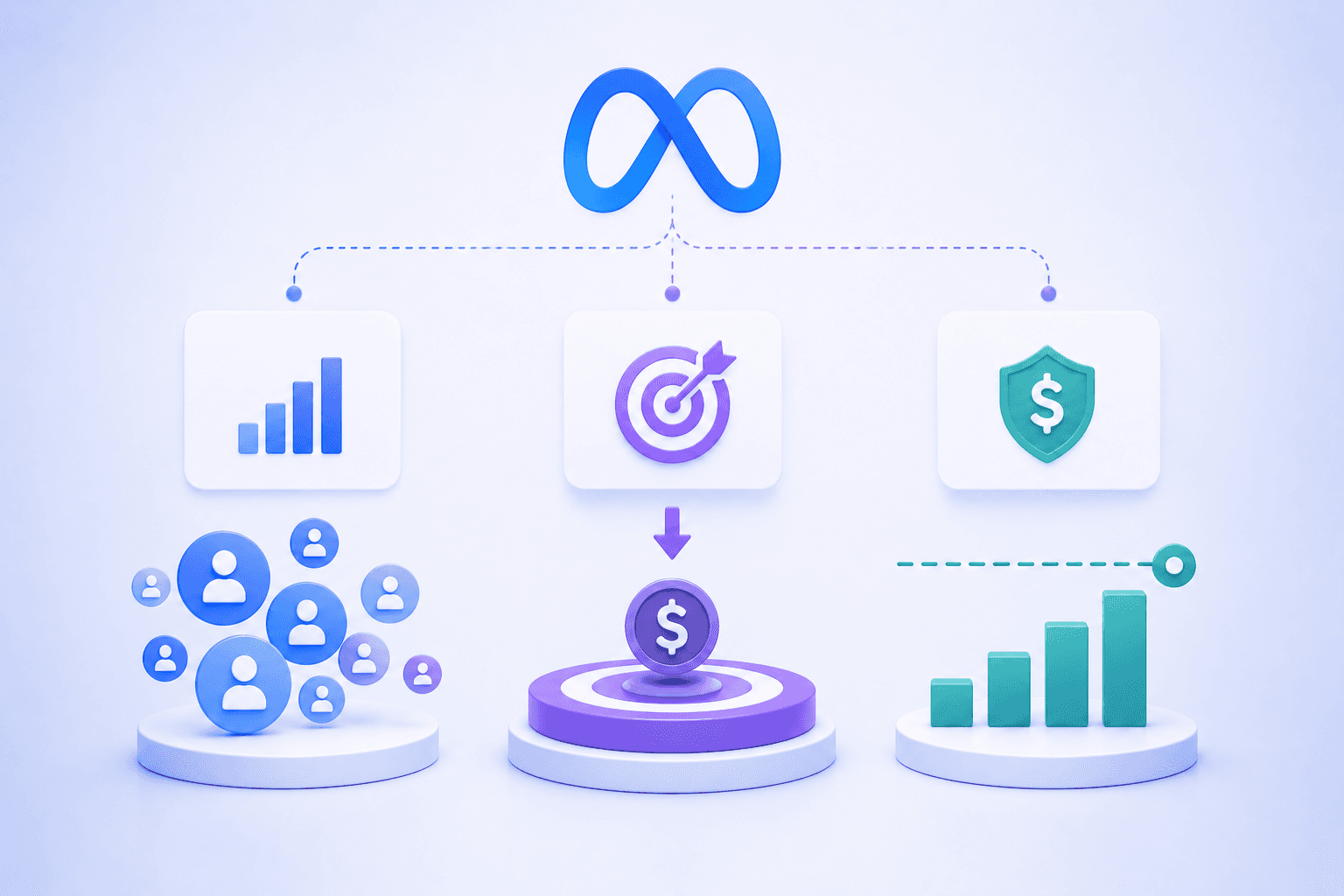
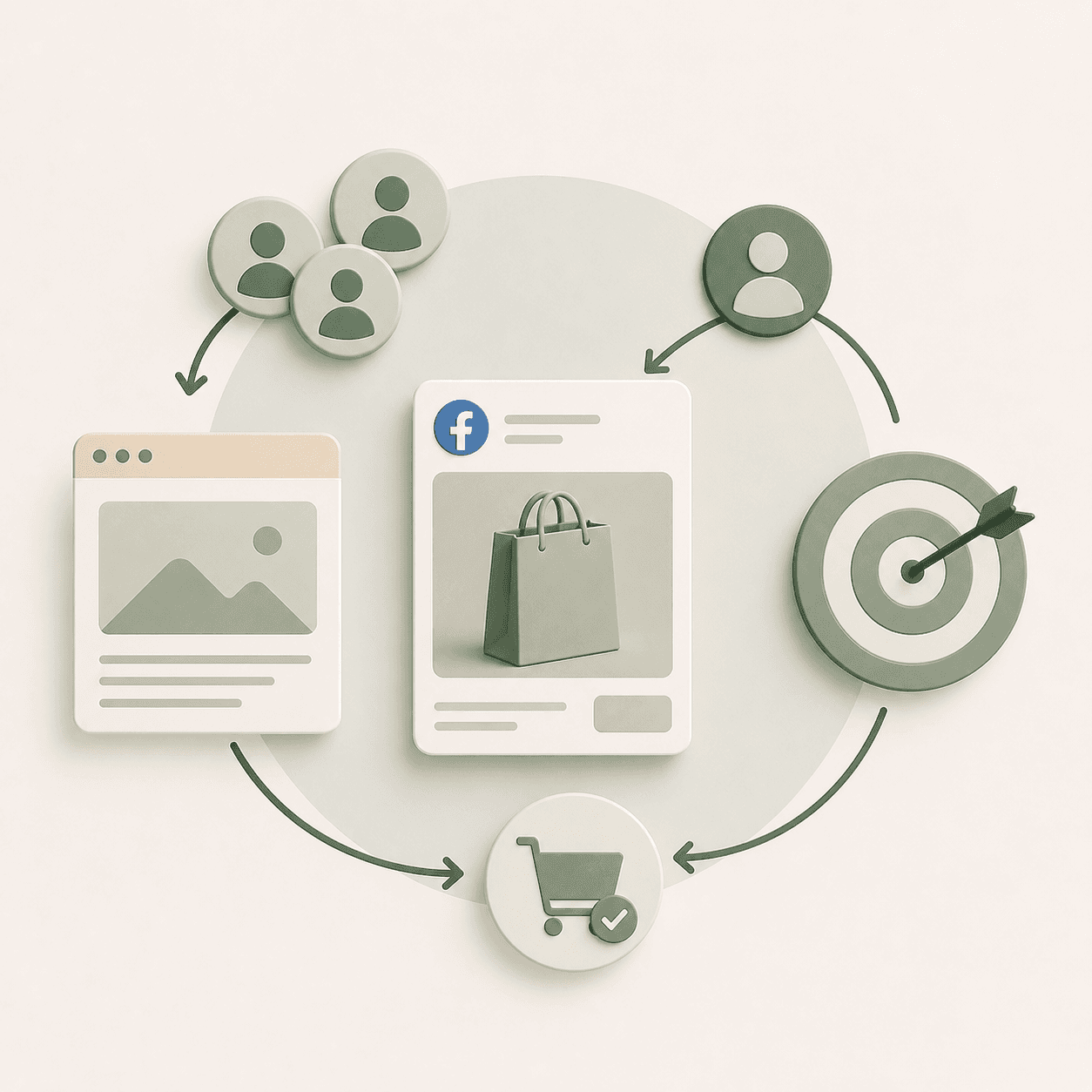
The answer is not a single tactic. It is a system. The three areas that drive Meta Ads performance in 2026 are interdependent:
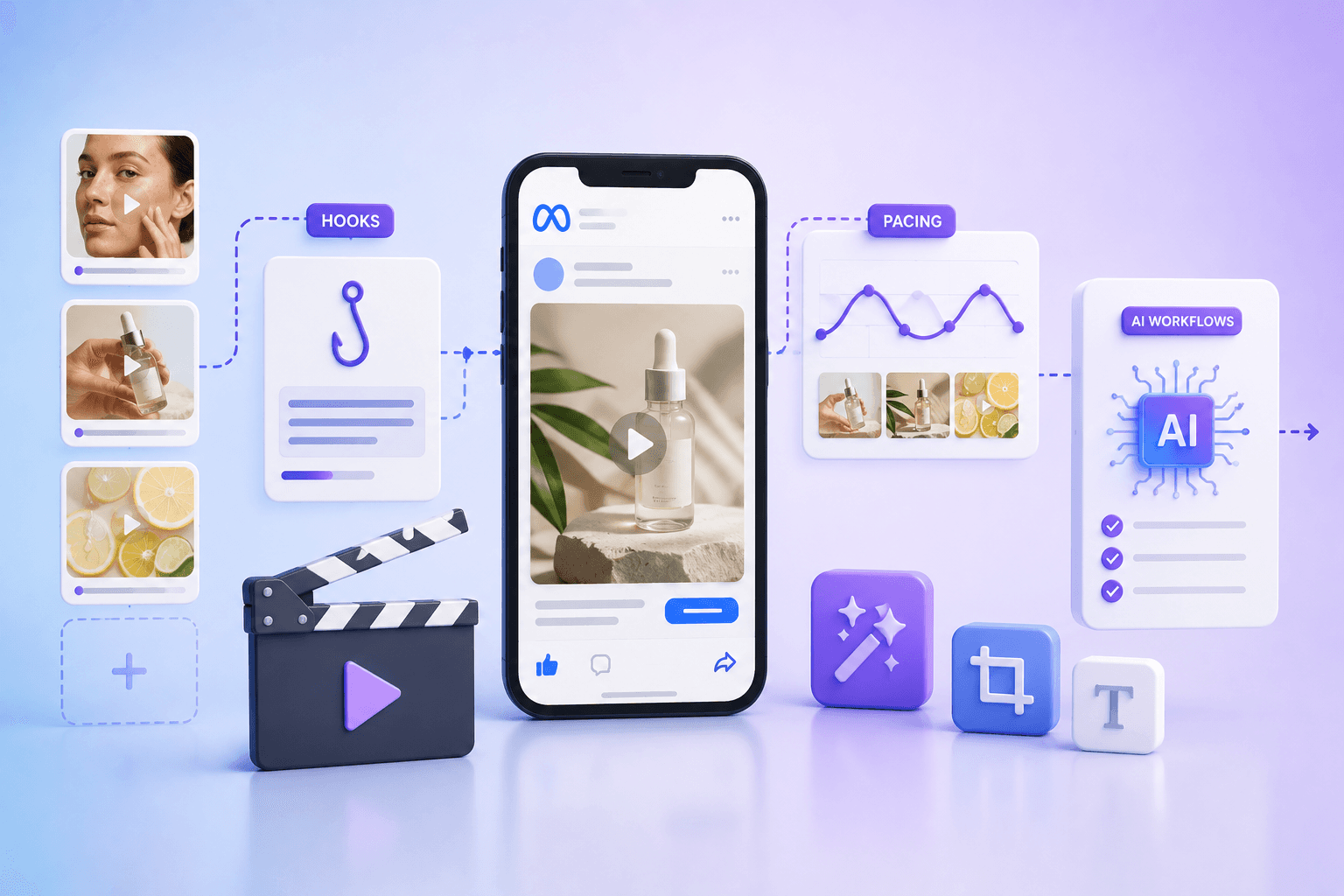
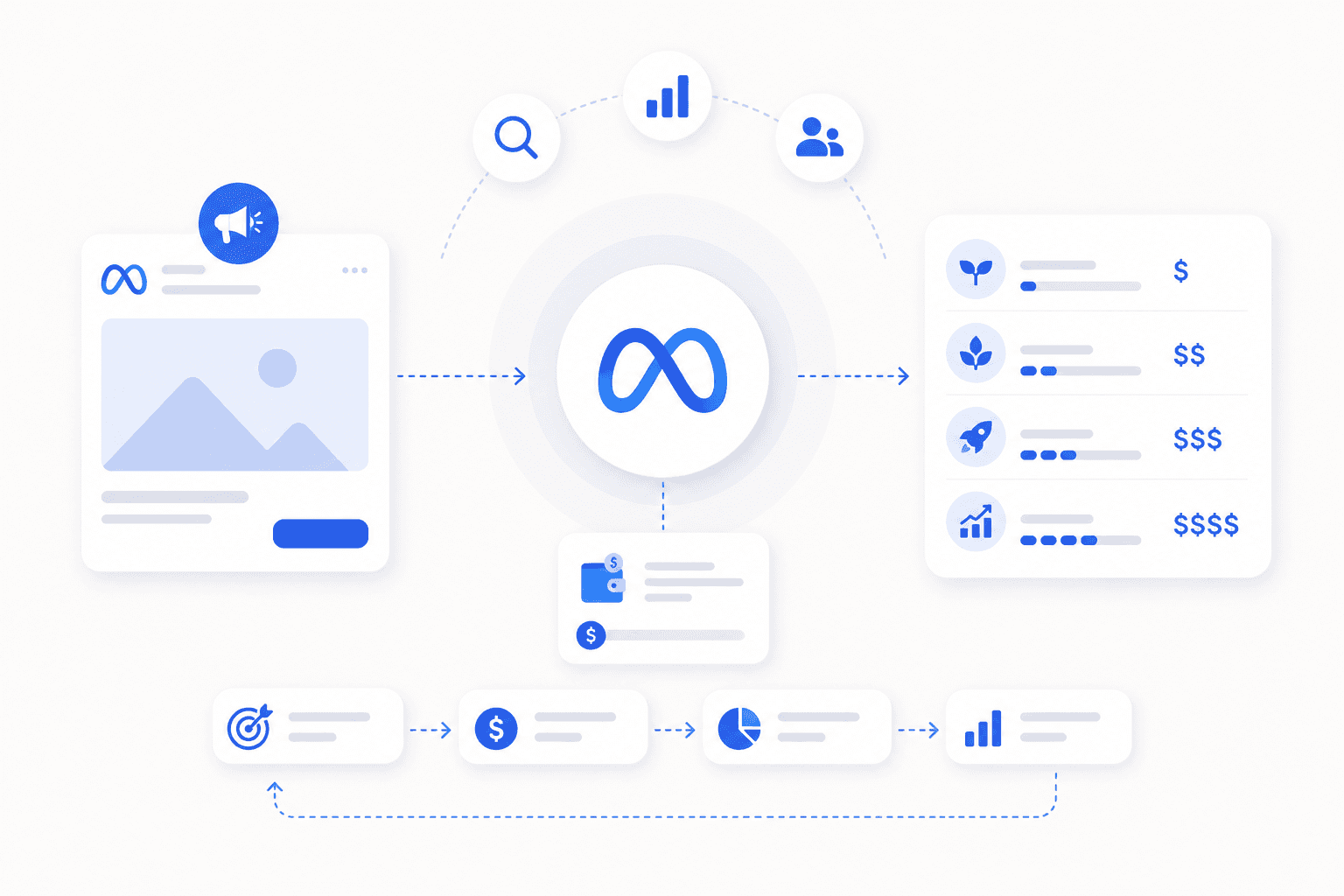
Creative strategy and volume. Creative is the new targeting. Every new ad is a new opportunity for Meta's algorithm to find a different cluster of buyers in that 10,000-dimension space. Aim for 5 to 10 new creative concepts per month at moderate spend levels ($10,000 to $50,000 per month) and more at higher budgets. Test messaging angles, formats, and hooks systematically, not randomly.
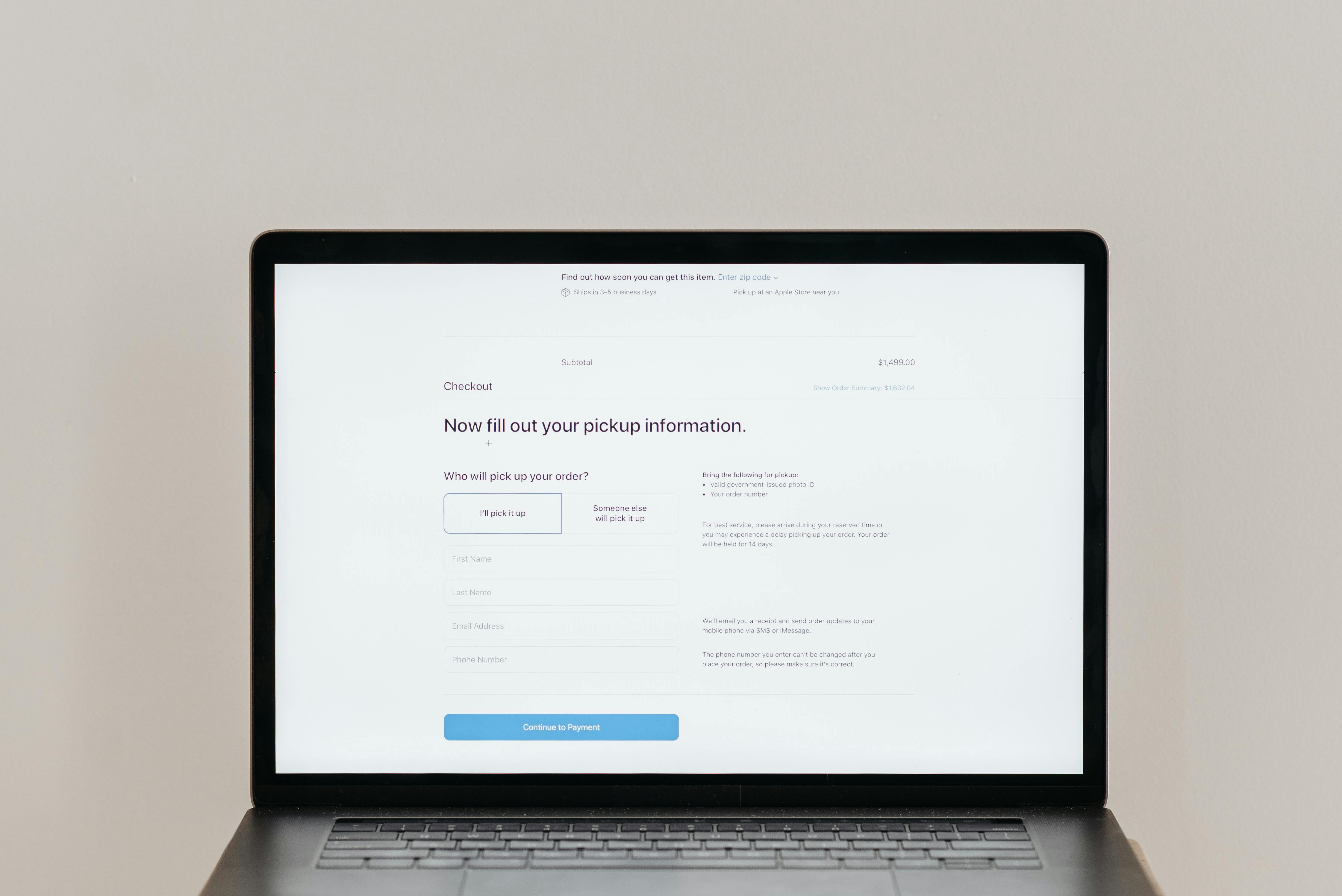
Landing page optimization. Your landing page conversion rate is the multiplier on everything else. A page converting at 4 percent versus 2 percent effectively cuts your CPA in half at the same ad spend. Treat landing pages as living assets: run A/B tests monthly, design mobile-first, and align page messaging with the ad creative that drives traffic to it.
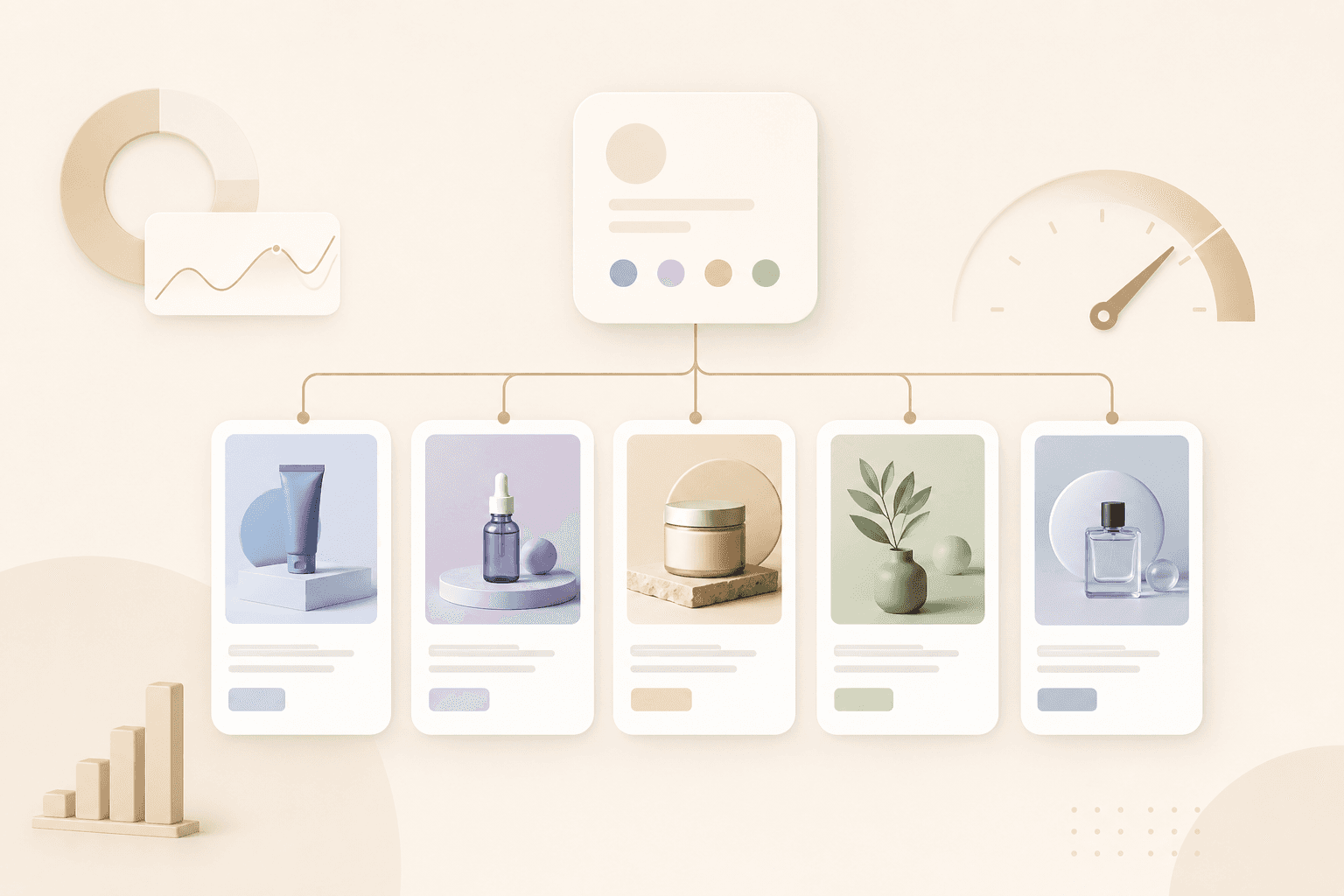
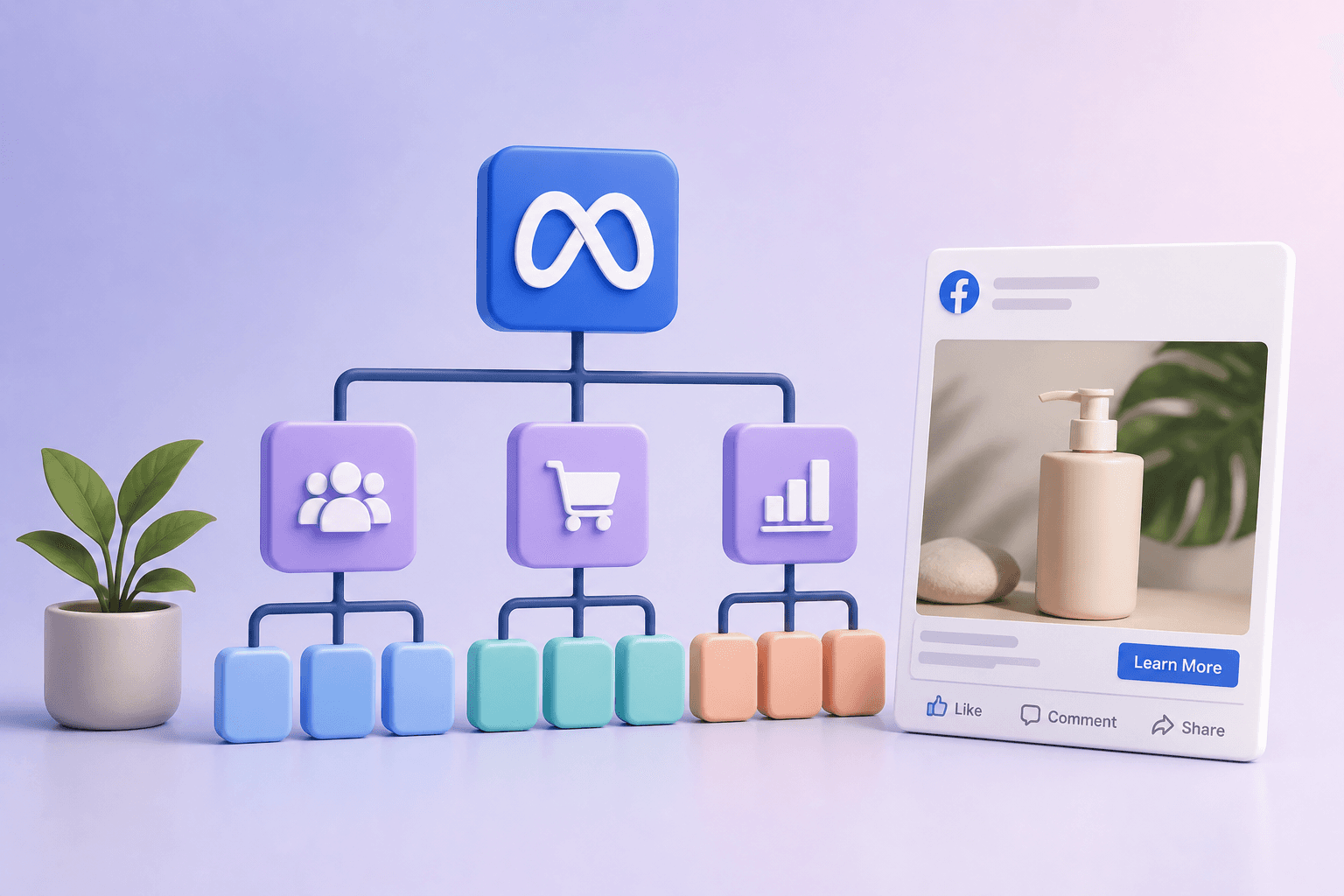
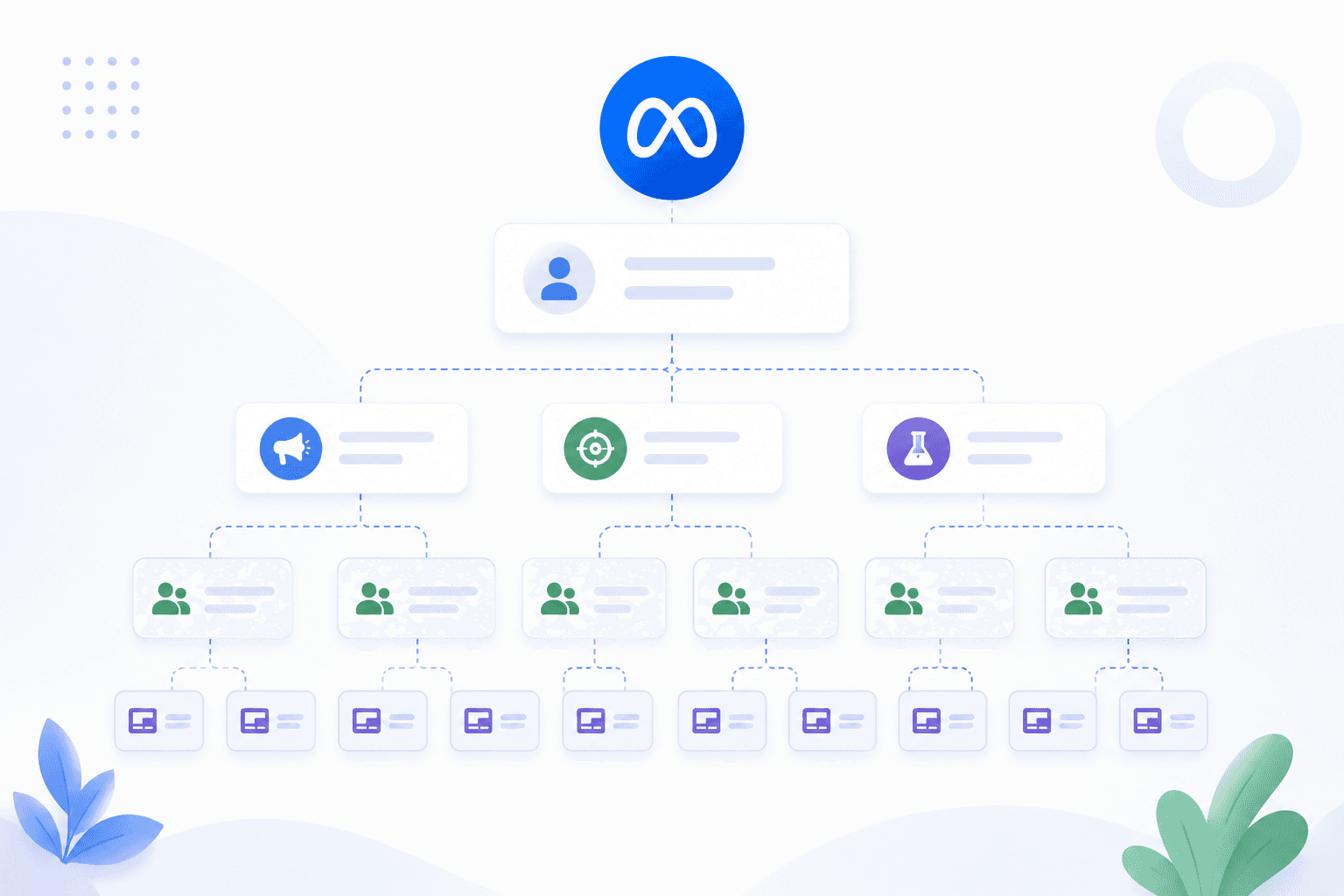
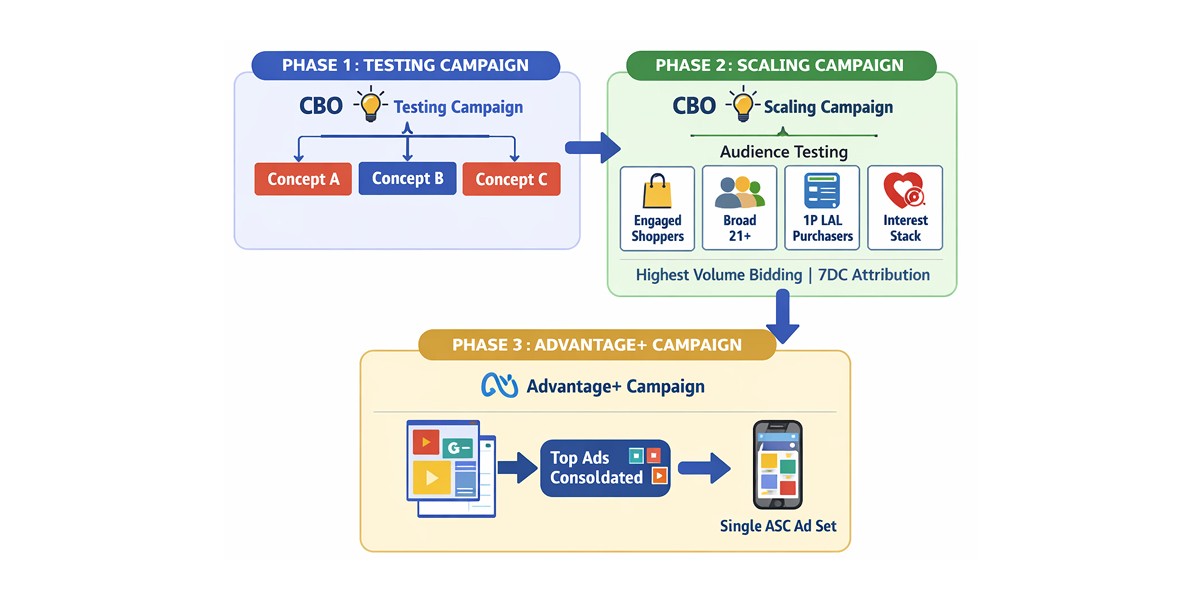
Account structure and consolidation. Fewer campaigns, more budget per campaign, broader targeting. Use Advantage+ Shopping Campaigns as your default for ecommerce. For B2B, consolidate around purchase or lead-submit optimization with broad audiences. See our guide to the best Meta Ads account structure for 2026 for the full framework.
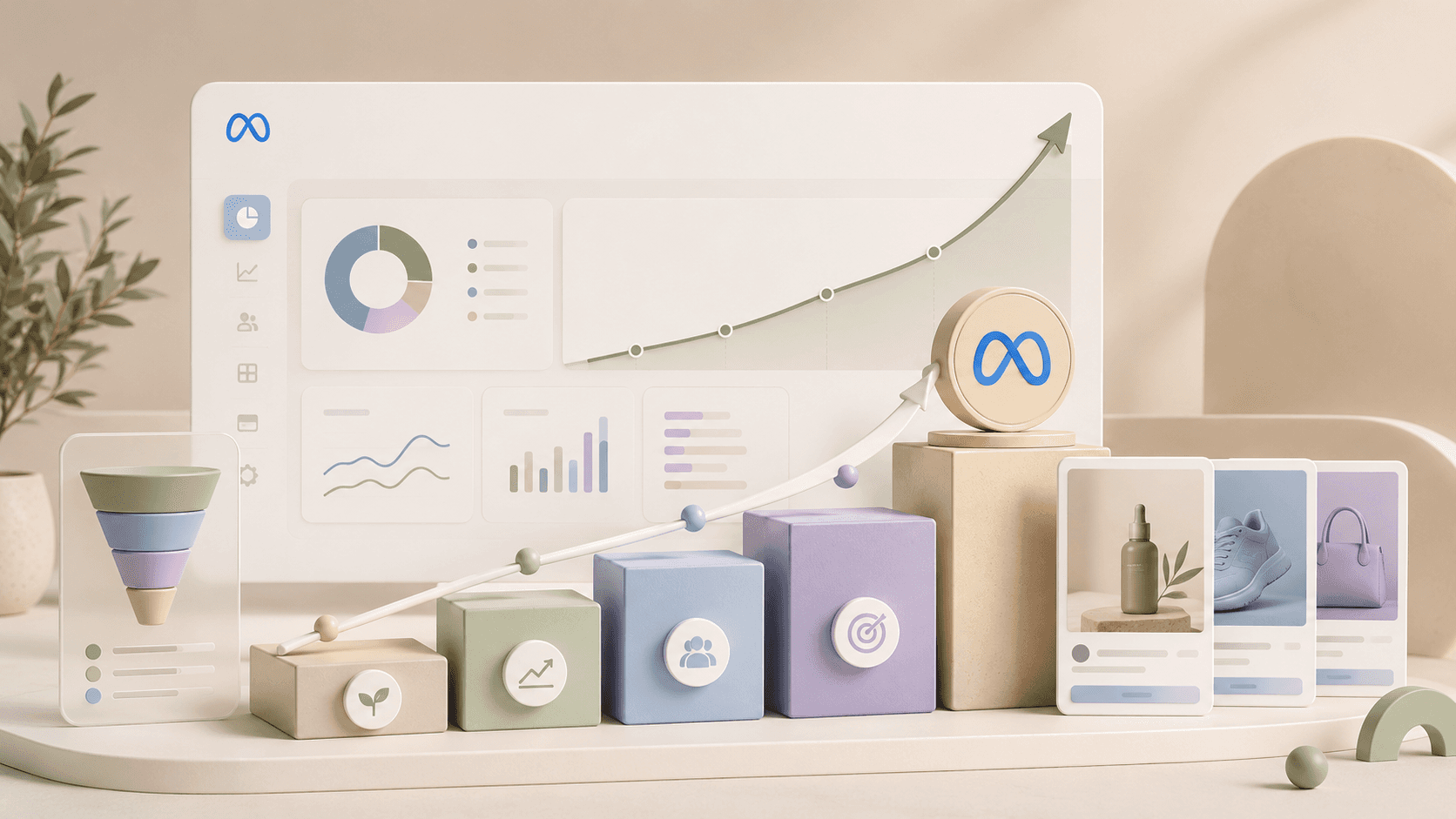
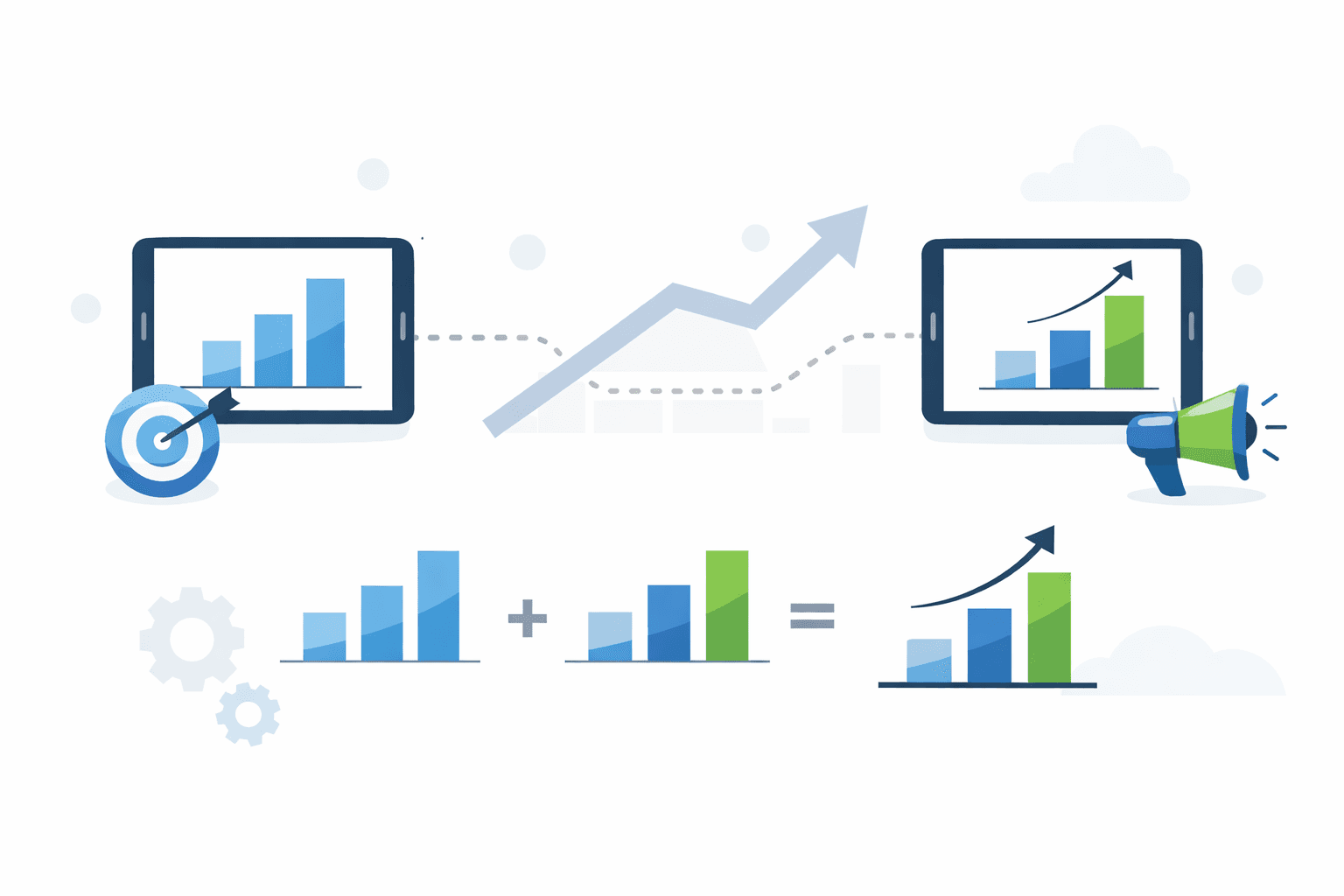
These three areas work together. Strong creative drives volume into the funnel. Optimized landing pages convert that volume efficiently. A consolidated account structure gives Meta enough data to optimize delivery at scale. Removing any one of the three creates a bottleneck.
Conclusion
Facebook lookalike audiences in 2026 are not the growth lever they were in 2018. The combination of iOS 14's signal loss and Meta's AI rebuild created a platform that is far better at finding buyers on its own than it was when lookalikes were the dominant strategy.
The move is straightforward. Consolidate your campaigns, go broad on targeting, and invest your strategic energy in creative volume and landing page conversion rate. Use lookalikes as directional hints inside Advantage+ campaigns, not as the backbone of your audience strategy.
If your account is still organized around multiple lookalike-segmented campaigns, you are likely paying more per acquisition than you need to. Restructure around consolidation, and let Meta's inference engine do the work it was rebuilt to do.