B2B SaaS Landing Page Strategy: What Actually Converts in 2026
Meta Ads
September 21, 2026
Table Of Contents
Want this playbook run for you? We've done it dozens of times.
Book a call and get a free growth strategy audit today.
Your Hero Has One Job
With those five principles in mind, the section where they collide first — and matter most — is the hero. Your hero headline is not the place to be clever. It's the place to be specific.
The top-performing SaaS pages share one consistent pattern: outcome-focused headlines under eight words. Not a feature name. Not a tagline. A result. Something a prospect can picture happening in their business.
Ramp's headline — "Time is money. Save both." — doesn't describe a product. It promises a life improvement. Brex leads with "$50B+ spent through Brex" before explaining anything else. They're anchoring credibility and outcome in the very first thing you see.
The structure that consistently outperforms everything else: lead with a pain-driven or outcome-focused headline, pair it with a qualifying sub-headline that tells the right visitor "this is for you." A qualifying sub-headline does two things at once — it attracts your ICP and naturally filters out people who won't convert anyway.
The hero visual matters enormously. Every top-performing fintech and SaaS page shows a real product screenshot above the fold — Mercury shows the dashboard, Ramp shows the spend controls.
Abstract illustrations and icons dramatically underperform against actual product UI. Your screenshot is not a design element — it's a conversion tool that helps visitors imagine their data inside it.
The A/B Testing Order of Operations
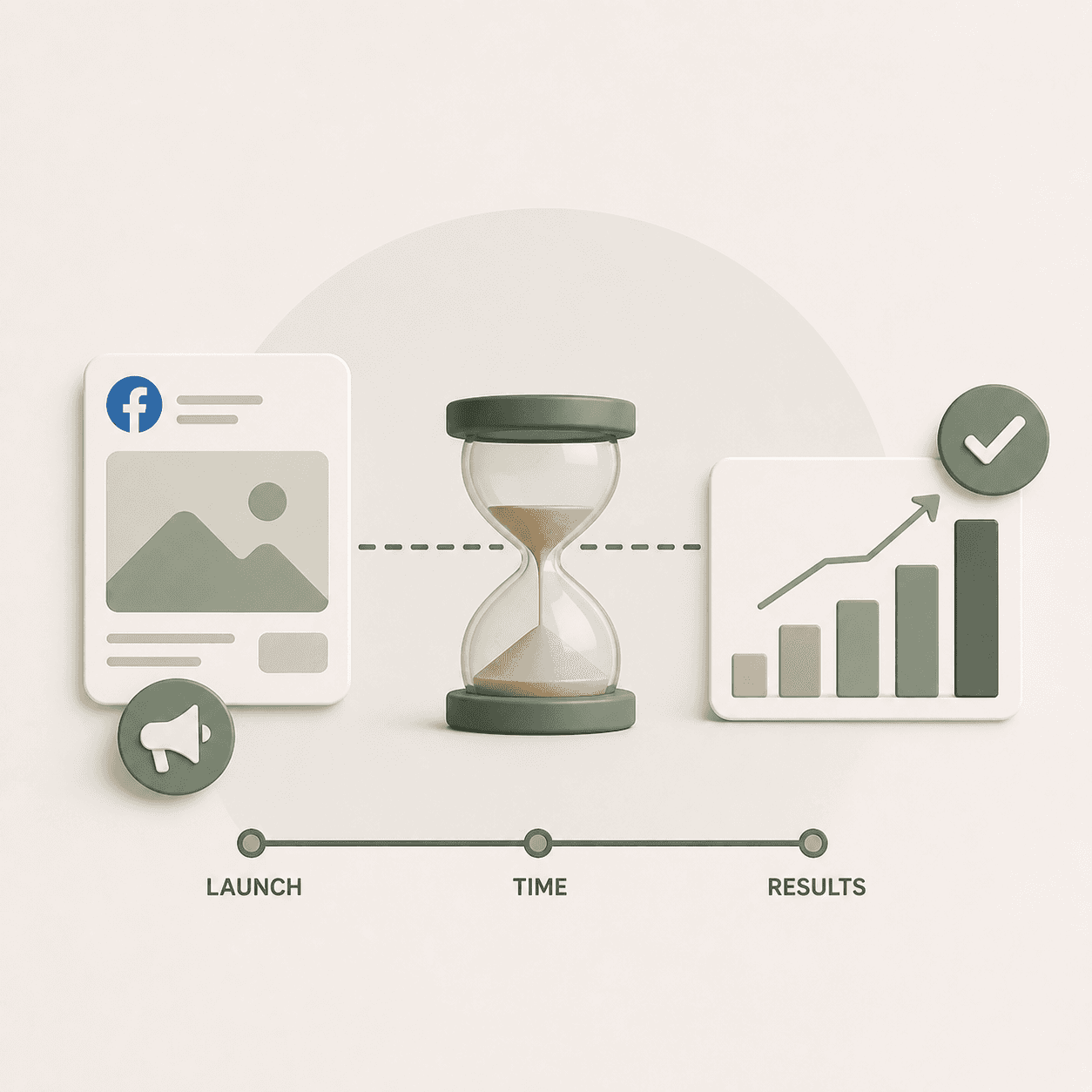
Once the principles and hero are in place, the next strategic question is how you systematically validate and improve them. Launching a new page without a testing plan is leaving conversion rate improvement on the table. Here's the sequence that makes sense:
Step 1: Test Hero Headline Variants First
Start with what has the highest impact on the most visitors. That means hero headline variants first. The most common hypothesis worth testing: does a pain-first headline outperform a feature-description headline for your audience? In most B2B SaaS contexts, the answer is yes, but you should verify it with data.
Step 2: Test Primary CTA Language
Next, test your primary CTA language. Lower-commitment phrasing ("See It in Action" vs. "Book a Demo") often increases initial click rate, even if the downstream conversion path is identical. The first click is the hardest.
Step 3: Test Social Proof Position
Then test social proof position. Does trust copy directly below the hero reduce bounce compared to placing it after a pain agitation block? The answer depends on how skeptical your audience is coming in.
Step 4: Build Segment-Level Page Variants
After you've run a full month of data on those tests, move to segment-level variants. If your product serves multiple verticals or buyer types, industry-specific landing page variants will outperform your generic page for each audience segment. "For [Specific Industry]" pages feel built for the visitor in a way that a general page never can.
Build your testing roadmap by impact potential, not by ease. The tempting tests are the ones that are easy to implement — button color, CTA text tweaks, layout shuffles. The impactful tests are the ones that challenge your core assumptions about messaging and structure.
Lead Qualification Belongs on the Page, Not Just in Sales
Testing fixes the conversion mechanics. But there's one more layer that determines whether the leads you're converting are actually worth converting. Most B2B SaaS companies wait until the sales call to qualify leads. That's a mistake. The landing page is your first filter — and if you're running paid traffic to it, every unqualified lead that books a demo has cost you money twice.
The page itself should do qualification work. This happens in two layers.
Implicit qualification through copy: When your language is specific enough to your ICP, wrong-fit visitors self-select out. Copy that resonates with a specific buyer type — complex operations, team management, known industry frustrations — will feel irrelevant to everyone else. They'll bounce. That's fine.
Explicit qualification through the lead form: A two-field form (name and email) fills your pipeline with noise. Five to six thoughtful fields — including at least one about the visitor's situation or pain point — produces lower volume but dramatically higher close rates.
Frame the form as a qualification check: "See if [Product] is right for you" outperforms "Book a Demo" because it pre-frames the conversation and attracts buyers confident they have the problem you solve.
Bonus: the answers to your qualification questions become lead scoring data. You can use form responses to route leads, prioritize follow-up, and coach your sales team before the first call.
What to Audit on Your Page Right Now
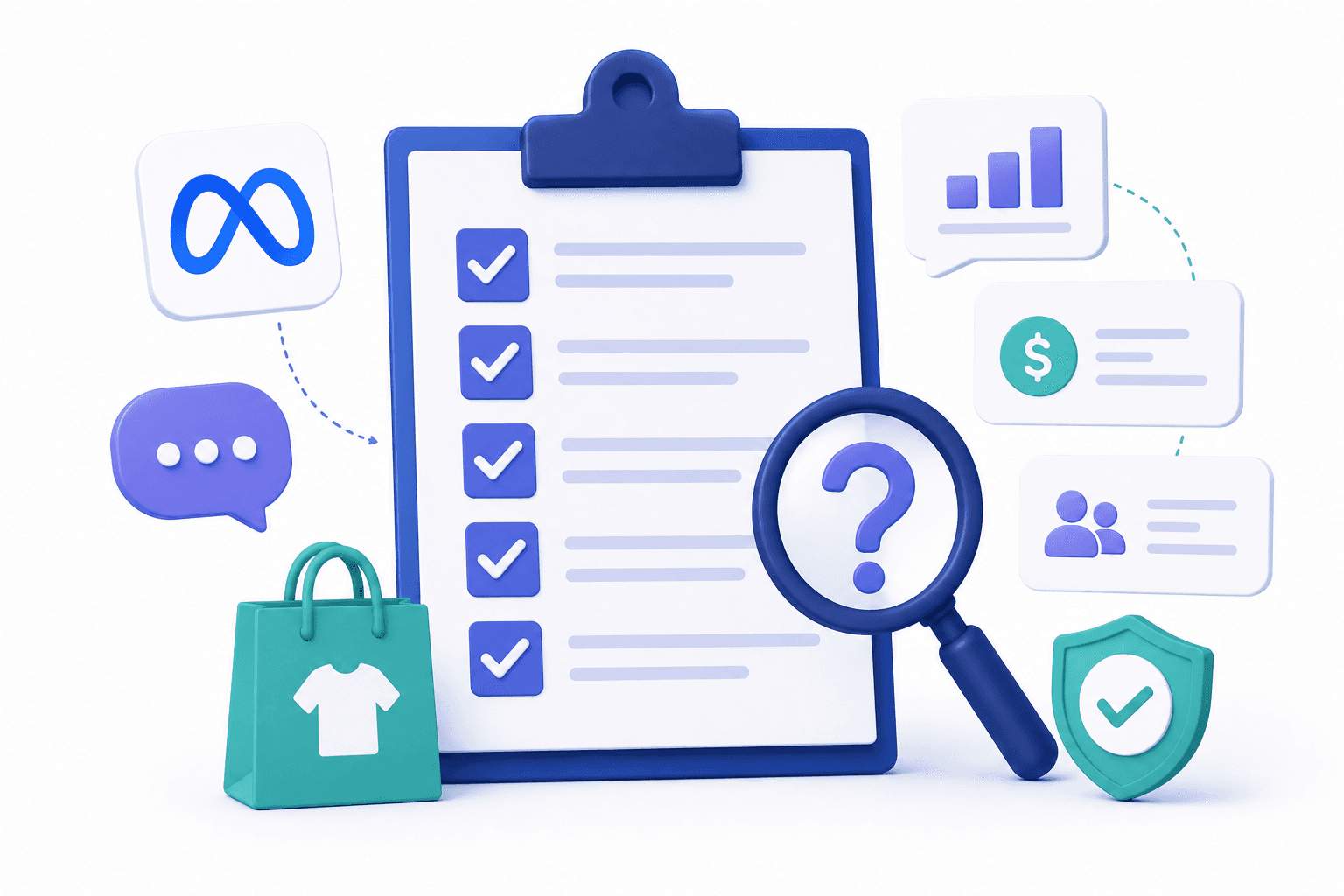
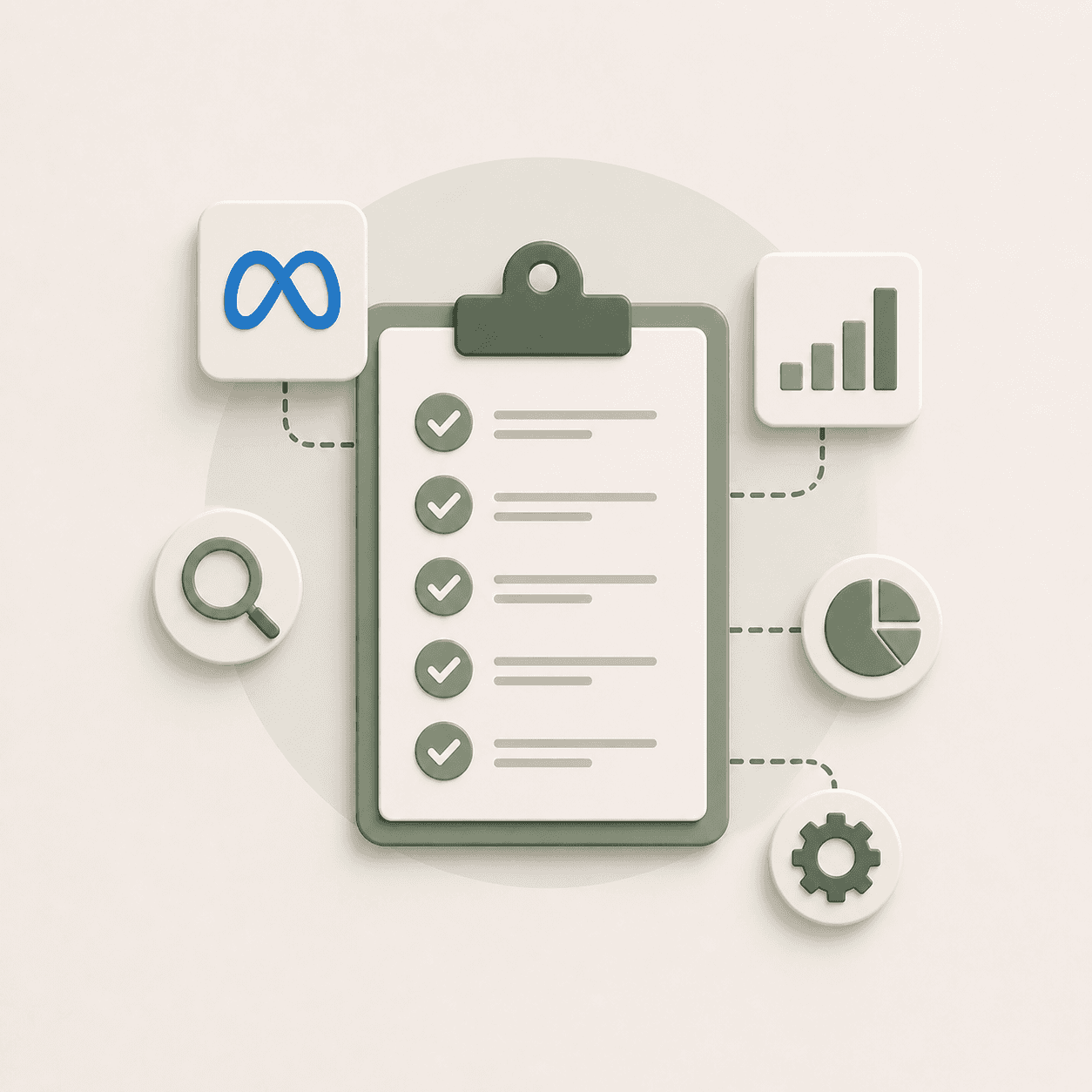
If you want to do a quick gut-check on your current landing page, here's a simple checklist:
Does your hero headline lead with an outcome or a pain point — or is it a feature name or a brand tagline?
Does your hero section include a real product screenshot?
Is your primary CTA the only significant action available above the fold?
Do your testimonials include specific metrics and sound like they came from a real customer in your target industry?
Does your lead form include at least one qualifying question about the visitor's situation?
Is your page structured around a single conversion goal, or are there multiple competing CTAs and exit points?
If you answered "no" to two or more, your page is leaving conversions behind — not because the product isn't good enough, but because the page isn't letting the right visitors understand that quickly enough.
The pages that convert consistently aren't the ones with the most sophisticated design or the most copy. They're the ones that make the right visitor feel like the product was built specifically for them, backed by proof they trust, and lead them to a single clear next step.
That's the whole game.
Frequently asked questions
What makes a B2B SaaS landing page convert?
High-converting B2B SaaS pages follow a Problem → Solution → Proof → CTA structure, lead with outcome-focused headlines under eight words, and show real product screenshots above the fold instead of mockups or illustrations.
Should I lead with features or outcomes on my SaaS landing page?
Lead with outcomes — restate every feature as a business result that shows what the customer's life looks like after using it, with the feature serving as proof rather than the headline.
How many CTAs should a B2B SaaS landing page have?
One primary CTA — single-goal pages with a focused call-to-action outperform multi-CTA pages, with one brand seeing a 47% conversion increase after consolidating to a single goal.
What type of social proof works best on SaaS landing pages?
Industry-specific testimonials structured as micro-case studies (problem, what changed, measurable result) produce roughly 3x the conversion lift of generic quotes, especially when they include the customer's exact title and industry.
Where should trust signals appear on a B2B SaaS page?
Above the fold — security badges, recognizable customer logos, and compliance certifications reduce bounce before prospects reach your pain copy, because trust has to come before selling in B2B.
How many form fields should a B2B SaaS demo request have?
Five to six thoughtful fields including at least one question about the visitor's specific situation produces lower volume but dramatically higher close rates compared to two-field forms that fill pipelines with unqualified leads.
What should I A/B test first on my SaaS landing page?
Test hero headline variants first (pain-first vs. feature-description), then primary CTA language, then social proof position — prioritize tests by impact potential rather than ease of implementation.
How do I qualify leads on the landing page instead of during sales calls?
Use implicit qualification through ICP-specific copy that makes wrong-fit visitors self-select out, and explicit qualification through form questions that ask about the visitor's situation or pain point.