CPG brands run into a problem most DTC categories don't: you're not just selling online. Your Meta ads have to work alongside retail distribution, low per-unit margins, and a buyer who might discover you on Instagram but purchase at Target three weeks later. That mismatch between where the ad runs and where the sale happens is why so many CPG marketers distrust their own ROAS numbers.
This guide covers how to build a Meta ads program that actually accounts for the way CPG brands sell, not the way a single-SKU, checkout-on-site DTC brand sells. You'll get realistic benchmarks, a compliant creative framework built for high-volume consumable products, the account structure and bidding approach that holds up past $30K/month, and a measurement framework that doesn't collapse the moment a customer buys in-store instead of on your site.
For the foundational testing framework before you spend a dollar, read our guide to testing Meta ads for CPG startups. This post picks up from there and focuses on strategy at scale.
CPG unit economics set the ceiling on your Meta strategy before creative or targeting do. An AOV between $25 and $100 and a gross margin that supports your CPA is non-negotiable groundwork.
Compliant, high-frequency creative wins the category. Flintts Mints cut CPA 35% in 30 days by shifting spend into UGC pulled from their existing TikTok library, not new production.
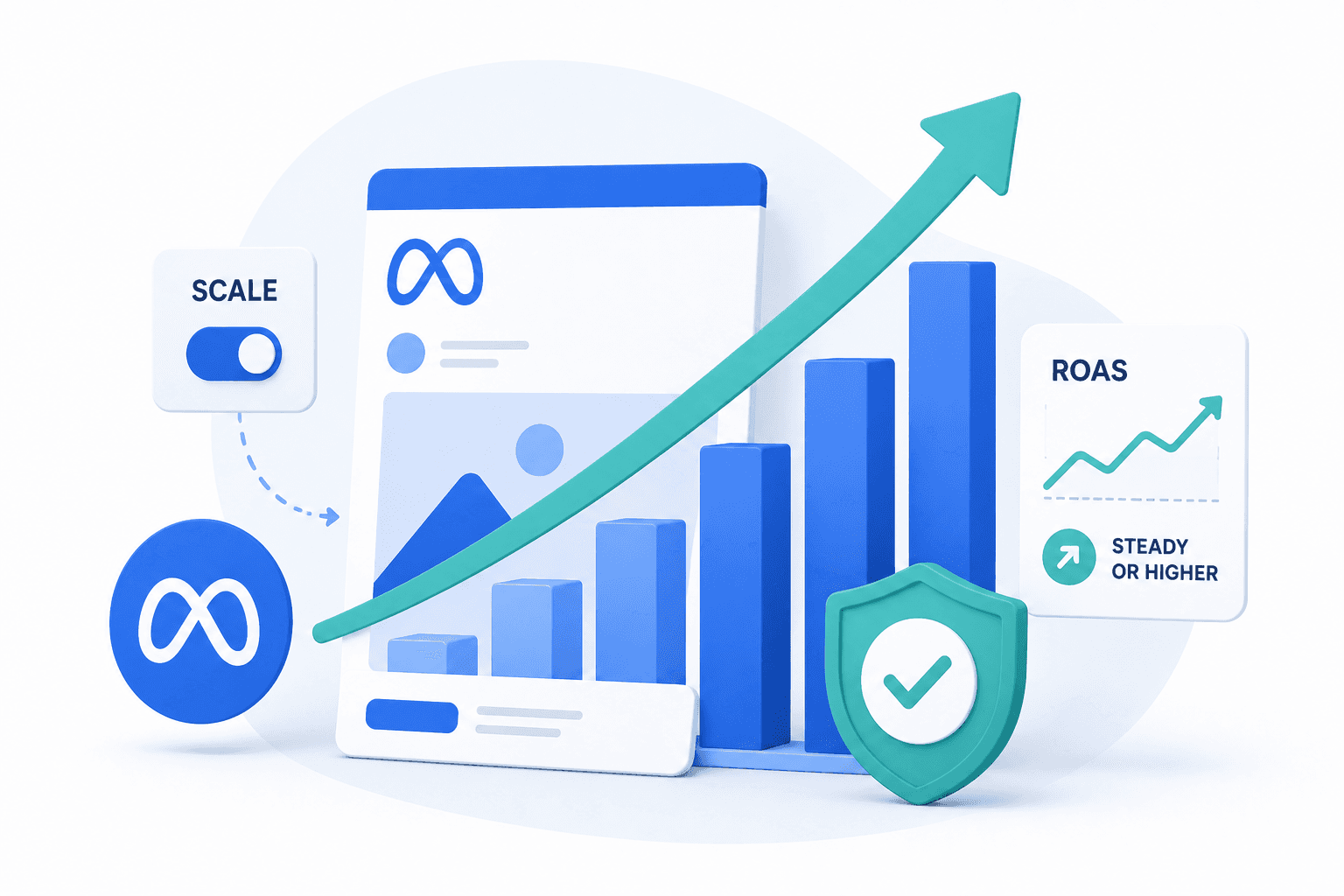
Account structure separates brands that scale from brands that stall. Modern Mammals grew spend 39% month-over-month while improving ROAS 40% by moving to a test-and-scale campaign structure.
In-store and multi-retailer sales mean platform ROAS understates your real return. Blend in incrementality testing and post-purchase survey data before you judge a campaign.
Retention math changes the acquisition math. Repeat-purchase CPG products can justify a lower first-order ROAS if subscription and reorder rates carry lifetime value.
1. Why CPG Is a Different Meta Ads Problem
Most Meta ads advice is written for single-channel DTC brands where the sale happens on-site, in one session, fully trackable. CPG rarely works that way.
Three structural realities shape every decision in this guide:
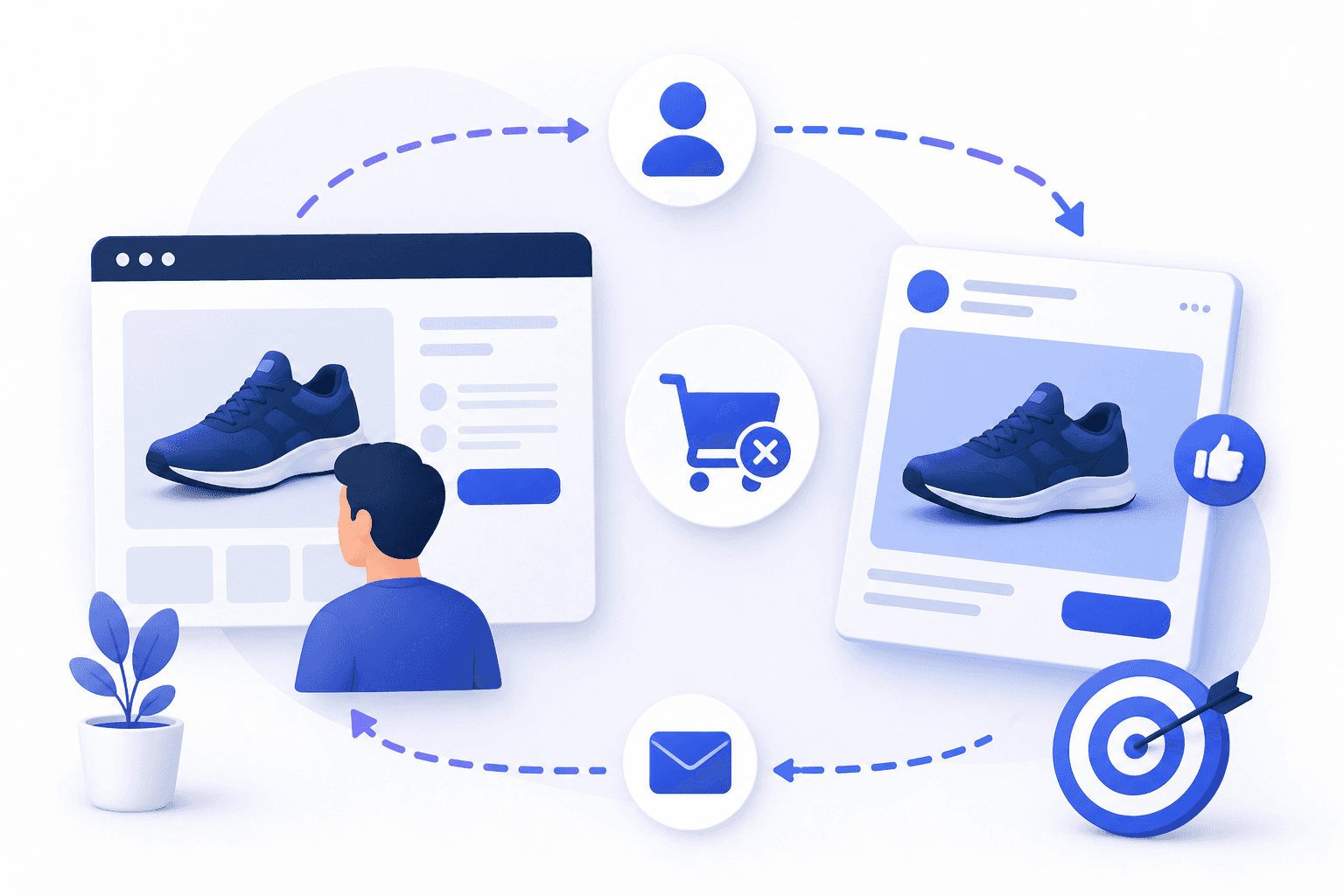
Multi-channel purchase paths. A customer sees your ad on Instagram, researches on Amazon, and buys at Walmart. Meta's pixel sees none of that, so in-platform ROAS is a floor, not a ceiling, on your actual return.
Thin per-unit margins at high volume. CPG products typically carry lower margins than supplements or beauty, which means your CPA tolerance is tighter and your creative-to-spend ratio has to be more efficient.
Broad total addressable market. Consumable, non-luxury products with a US TAM above 20 million buyers can sustain the volume Meta's algorithm needs to optimize, which is an advantage over niche categories, but only if your price-pack architecture and content strategy are built for it.
If you haven't validated unit economics, marketing mix, and landing page experience yet, work through the CPG testing guide first. Everything below assumes that foundation is in place and you're now trying to scale profitably.
2. Set Realistic CPG Benchmarks Before You Judge Performance
You need a reference point before you can tell a slow launch from a real problem. These are the ranges we use as a starting point for CPG accounts, drawn from the same benchmark data in our CPG startup guide:
Metric
CPG Benchmark
What It Tells You
Click-through rate (CTR)
~1.5% to 2.5%
Whether creative and targeting are landing
Cost per click (CPC)
~$0.60 to $1.10
The price of a click, downstream of CTR
Cost per 1,000 impressions (CPM)
~$13 to $20
The cost of reach
Conversion rate (CVR)
~3% to 5%
Whether your landing page converts clicks; scales inversely with AOV
Cost per acquisition (CPA)
~$30 to $50
What a new customer costs against your margin
Blended ROAS
~1.5x to 2.5x
Revenue per dollar of spend, judged against margin
Do not treat these as targets. Treat them as reference points, because your own gross margin decides what "good" means for your brand. A brand at 30% gross margin needs roughly 3x ROAS to break even on ad spend after cost of goods. A brand at 50%+ margin can be profitable closer to 2x. Calculate your own number with our break-even ROAS formula before you set a target CPA.
3. Build a Compliant, High-Velocity Creative Engine
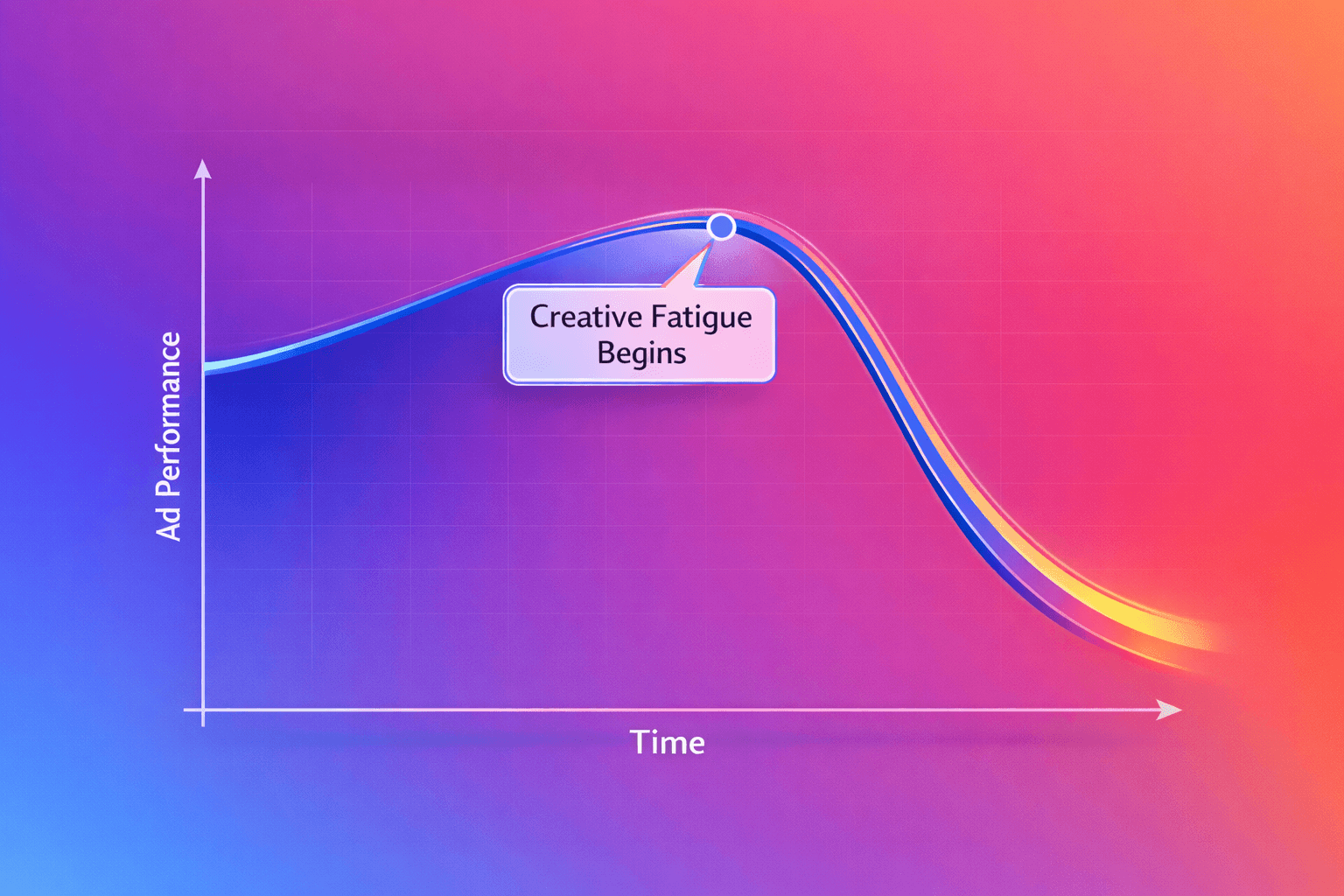
CPG accounts stall for one reason more than any other: they run out of fresh creative to test. Meta's ad delivery algorithm rewards accounts that feed it diverse, frequently-refreshed assets, and CPG's broad audience needs volume to find its buyers.
Lead with UGC pulled from what already exists. When we took over Flintts Mints' Meta account, they had hundreds of viral TikToks sitting unused while their paid Facebook creative relied on polished studio statics that were fatiguing. Shifting spend toward that native UGC library, alongside an Advantage+ Shopping campaign and expanded placements into Facebook Reels, cut their CPA by 35% in under 30 days while spend grew 10% month-over-month. Read the full Flintts Mints case study.
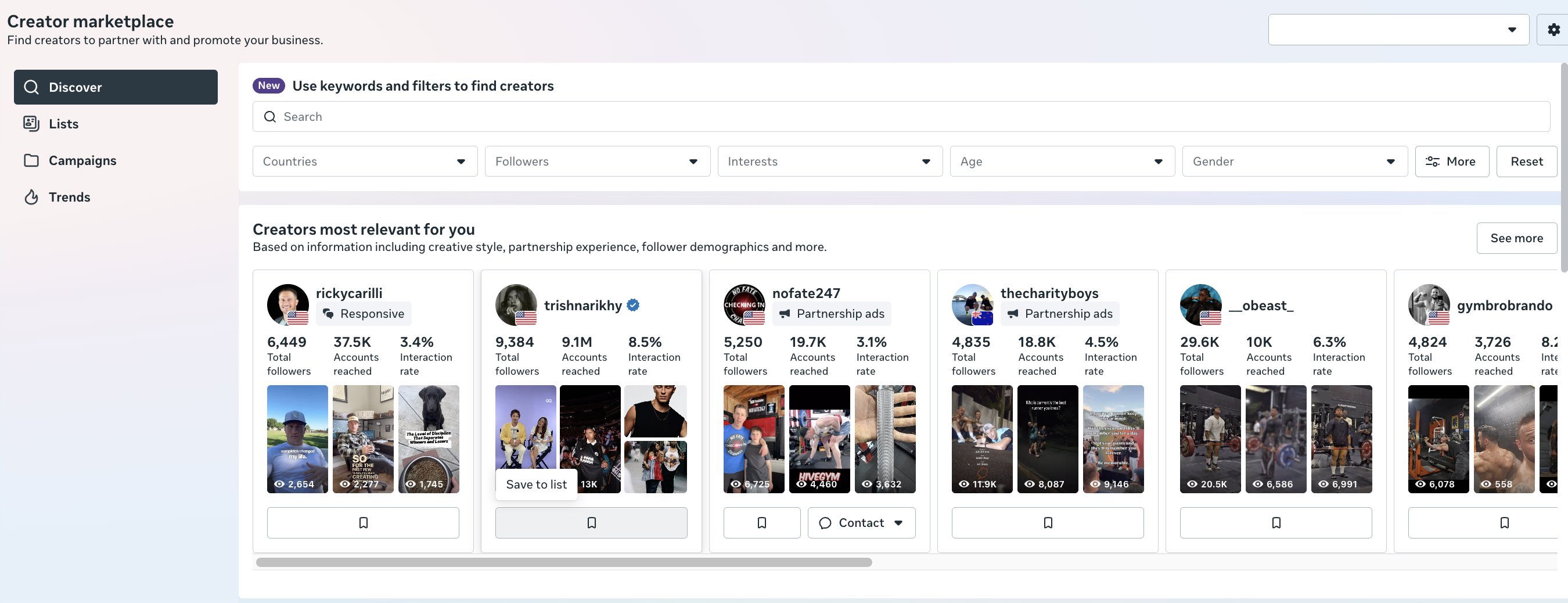
Use creator partnerships to drive top-of-funnel reach. For Alaskan Salmon Company, we built the Meta account from scratch around the founder's existing organic momentum, then layered in Meta's Creator Marketplace and Partnership Ad codes to scale creator-led content into paid. That combination, tested across more than 90 unique video creatives using Dynamic Creative and Cost Caps, drove a 5x increase in Meta-driven purchases and a 3x ROAS lift over seven weeks, even as spend scaled more than 10x. Read the Alaskan Salmon Co. case study.
Keep the creative-testing discipline simple:
Test one variable at a time (hook, format, or angle), never all three together.
Give each test enough spend or impressions before judging it. Do not kill an ad after a day.
Rotate in new concepts on a fixed cadence rather than waiting for performance to decay first.
If your product sits in a regulated adjacent category (functional foods, beverages with health claims, anything bordering supplement territory), review Meta's ad standards for restricted goods before you brief creative. Implied health or disease claims get ads rejected regardless of category, and the safer language patterns in our supplement brand Meta ads guide apply just as directly to functional CPG products.
CPG brands run into a problem most DTC categories don't: you're not just selling online. Your Meta ads have to work alongside retail distribution, low per-unit margins, and a buyer who might discover you on Instagram but purchase at Target three weeks later. That mismatch between where the ad runs and where the sale happens is why so many CPG marketers distrust their own ROAS numbers.
This guide covers how to build a Meta ads program that actually accounts for the way CPG brands sell, not the way a single-SKU, checkout-on-site DTC brand sells. You'll get realistic benchmarks, a compliant creative framework built for high-volume consumable products, the account structure and bidding approach that holds up past $30K/month, and a measurement framework that doesn't collapse the moment a customer buys in-store instead of on your site.
For the foundational testing framework before you spend a dollar, read our guide to testing Meta ads for CPG startups. This post picks up from there and focuses on strategy at scale.
CPG unit economics set the ceiling on your Meta strategy before creative or targeting do. An AOV between $25 and $100 and a gross margin that supports your CPA is non-negotiable groundwork.
Compliant, high-frequency creative wins the category. Flintts Mints cut CPA 35% in 30 days by shifting spend into UGC pulled from their existing TikTok library, not new production.
Account structure separates brands that scale from brands that stall. Modern Mammals grew spend 39% month-over-month while improving ROAS 40% by moving to a test-and-scale campaign structure.
In-store and multi-retailer sales mean platform ROAS understates your real return. Blend in incrementality testing and post-purchase survey data before you judge a campaign.
Retention math changes the acquisition math. Repeat-purchase CPG products can justify a lower first-order ROAS if subscription and reorder rates carry lifetime value.
1. Why CPG Is a Different Meta Ads Problem
Most Meta ads advice is written for single-channel DTC brands where the sale happens on-site, in one session, fully trackable. CPG rarely works that way.
Three structural realities shape every decision in this guide:
Multi-channel purchase paths. A customer sees your ad on Instagram, researches on Amazon, and buys at Walmart. Meta's pixel sees none of that, so in-platform ROAS is a floor, not a ceiling, on your actual return.
Thin per-unit margins at high volume. CPG products typically carry lower margins than supplements or beauty, which means your CPA tolerance is tighter and your creative-to-spend ratio has to be more efficient.
Broad total addressable market. Consumable, non-luxury products with a US TAM above 20 million buyers can sustain the volume Meta's algorithm needs to optimize, which is an advantage over niche categories, but only if your price-pack architecture and content strategy are built for it.
If you haven't validated unit economics, marketing mix, and landing page experience yet, work through the CPG testing guide first. Everything below assumes that foundation is in place and you're now trying to scale profitably.
2. Set Realistic CPG Benchmarks Before You Judge Performance
You need a reference point before you can tell a slow launch from a real problem. These are the ranges we use as a starting point for CPG accounts, drawn from the same benchmark data in our CPG startup guide:
Metric
CPG Benchmark
What It Tells You
Click-through rate (CTR)
~1.5% to 2.5%
Whether creative and targeting are landing
Cost per click (CPC)
~$0.60 to $1.10
The price of a click, downstream of CTR
Cost per 1,000 impressions (CPM)
~$13 to $20
The cost of reach
Conversion rate (CVR)
~3% to 5%
Whether your landing page converts clicks; scales inversely with AOV
Cost per acquisition (CPA)
~$30 to $50
What a new customer costs against your margin
Blended ROAS
~1.5x to 2.5x
Revenue per dollar of spend, judged against margin
Do not treat these as targets. Treat them as reference points, because your own gross margin decides what "good" means for your brand. A brand at 30% gross margin needs roughly 3x ROAS to break even on ad spend after cost of goods. A brand at 50%+ margin can be profitable closer to 2x. Calculate your own number with our break-even ROAS formula before you set a target CPA.
3. Build a Compliant, High-Velocity Creative Engine
CPG accounts stall for one reason more than any other: they run out of fresh creative to test. Meta's ad delivery algorithm rewards accounts that feed it diverse, frequently-refreshed assets, and CPG's broad audience needs volume to find its buyers.
Lead with UGC pulled from what already exists. When we took over Flintts Mints' Meta account, they had hundreds of viral TikToks sitting unused while their paid Facebook creative relied on polished studio statics that were fatiguing. Shifting spend toward that native UGC library, alongside an Advantage+ Shopping campaign and expanded placements into Facebook Reels, cut their CPA by 35% in under 30 days while spend grew 10% month-over-month. Read the full Flintts Mints case study.
Use creator partnerships to drive top-of-funnel reach. For Alaskan Salmon Company, we built the Meta account from scratch around the founder's existing organic momentum, then layered in Meta's Creator Marketplace and Partnership Ad codes to scale creator-led content into paid. That combination, tested across more than 90 unique video creatives using Dynamic Creative and Cost Caps, drove a 5x increase in Meta-driven purchases and a 3x ROAS lift over seven weeks, even as spend scaled more than 10x. Read the Alaskan Salmon Co. case study.
Keep the creative-testing discipline simple:
Test one variable at a time (hook, format, or angle), never all three together.
Give each test enough spend or impressions before judging it. Do not kill an ad after a day.
Rotate in new concepts on a fixed cadence rather than waiting for performance to decay first.
If your product sits in a regulated adjacent category (functional foods, beverages with health claims, anything bordering supplement territory), review Meta's ad standards for restricted goods before you brief creative. Implied health or disease claims get ads rejected regardless of category, and the safer language patterns in our supplement brand Meta ads guide apply just as directly to functional CPG products.
Looking for Meta Ads support?
We're a small, hardworking, US-based team. Book a call and get a free audit today.
4. Structure Your Account to Survive Past $30K/Month
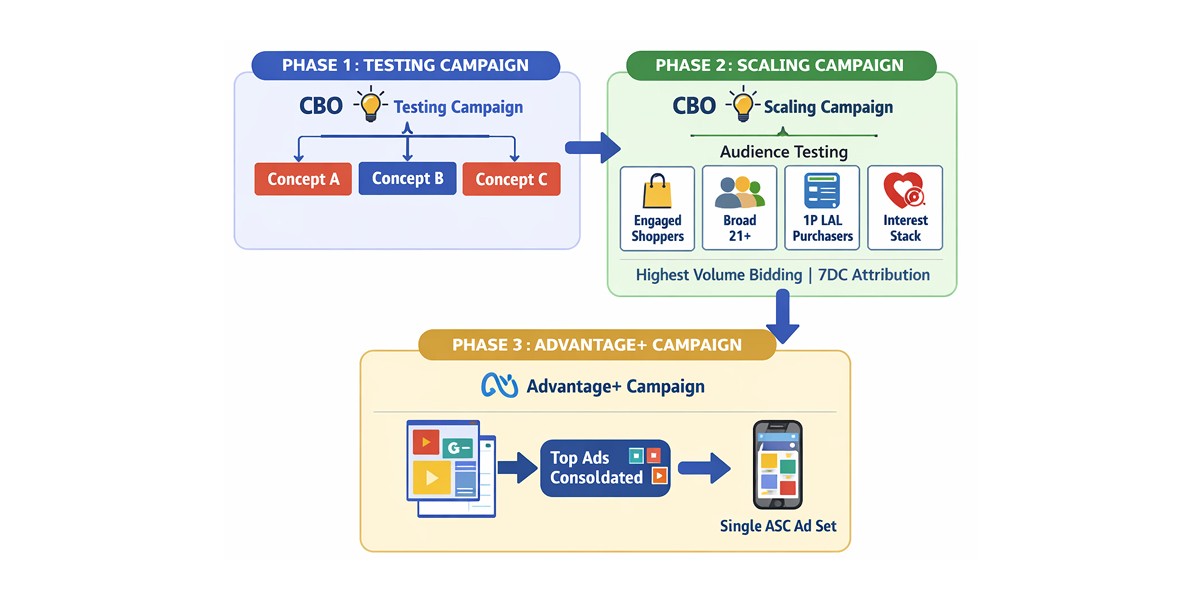
Most CPG accounts we inherit have the same problem: too many fragmented ad sets running Ad Set Budget Optimization, which pushes too much budget into Meta's learning phase at once and creates volatile, unpredictable delivery.
When we restructured Modern Mammals' account, the fix had four parts:
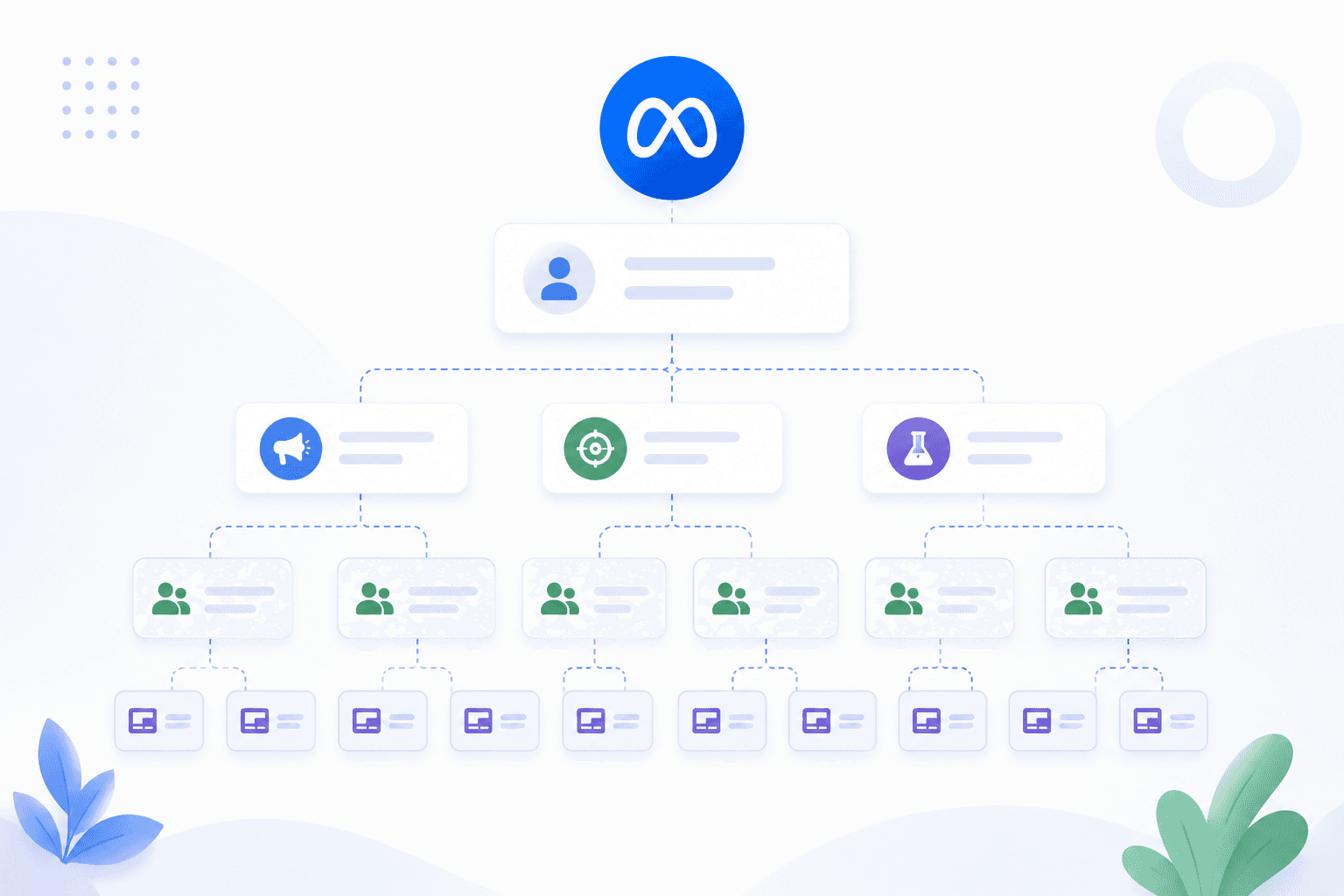
Move to a test-and-scale structure. All creative enters a dedicated Creative Test campaign; only proven winners graduate to Advantage+ Campaigns.
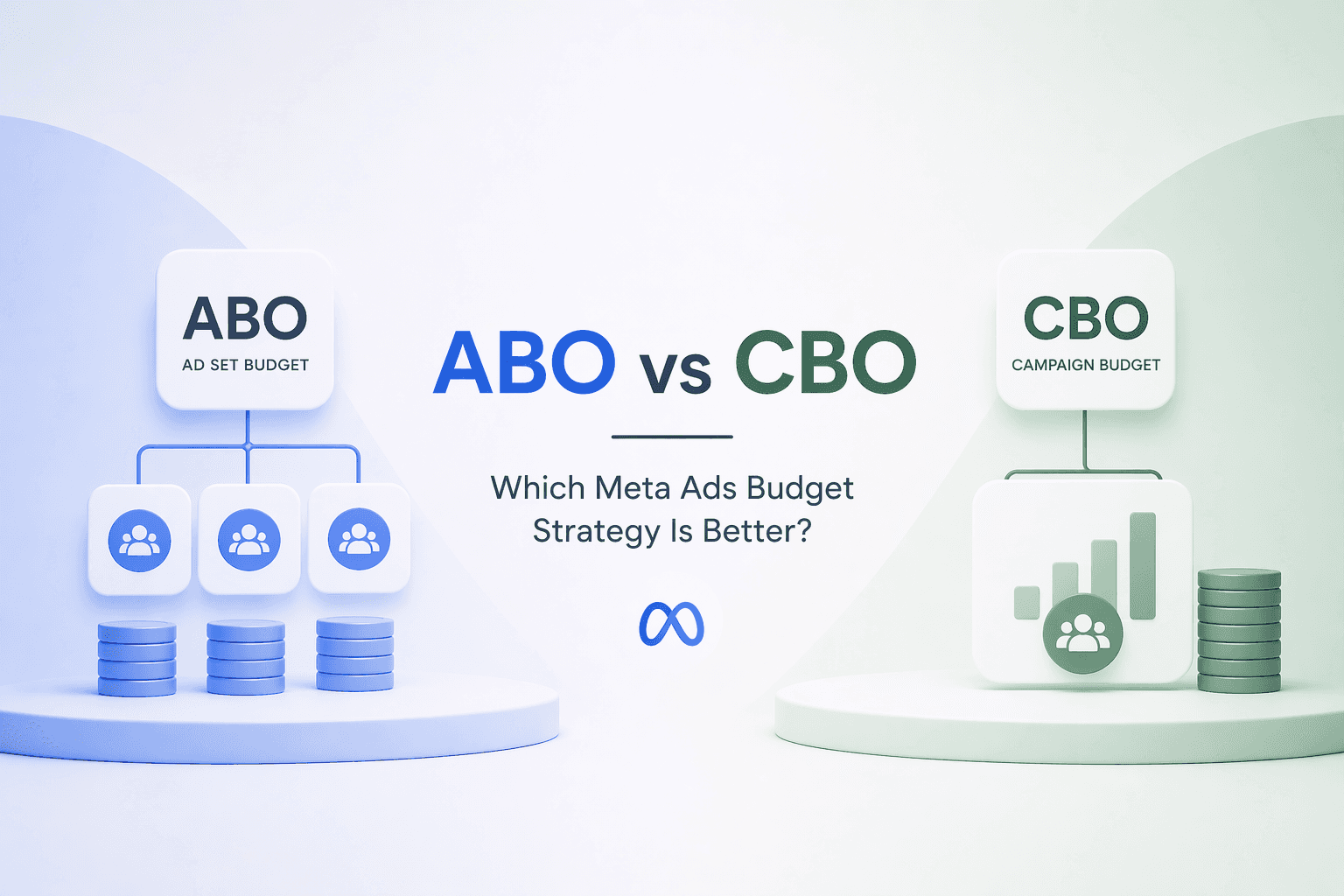
Switch to Campaign Budget Optimization (CBO) for testing campaigns, giving Meta's algorithm room to shift budget toward the most efficient creative and audience combinations in real time.
Prune low-AOV catalog items and apply Cost Caps to the remaining catalog campaign to protect efficiency.
Whitelist top-performing historic content directly from creator handles in a dedicated whitelisting campaign.
That restructuring, combined with landing page testing and a messaging matrix built from a full creative audit, grew Modern Mammals' spend 39% month-over-month while improving ROAS by 40%. Read the Modern Mammals case study.
If you're running multiple SKUs or flavor variants, which most CPG brands are, structure campaigns around your merchandising strategy rather than by product. Our guide to structuring Meta ads for multi-SKU brands covers how to avoid fragmenting budget across near-duplicate ad sets.
5. Fix the Landing Page Before You Blame the Ad Account
A weak landing page will cap CPG performance no matter how strong the media buying is. This is especially true in competitive shelf-stable categories where the buyer is comparing you against familiar brands they already trust.
When Cat Person, a Harry's-owned pet food brand, came to us at seven figures in monthly Meta and Google ad revenue, their existing landing page only showed high-level product information: flavor options, nothing more. In a category where buyers scrutinize ingredient profiles and macros, that wasn't enough. We built a listicle-style, advertorial landing page that stayed scannable while covering the product depth competitive buyers wanted. Combined with account restructuring toward Campaign Budget Optimization and a shift to 1-day click attribution, this drove 13% spend growth and an 11% CPA improvement in under 30 days. Read the Cat Person case study.
Two rules apply across almost every CPG landing page test we run:
Message match matters more than design polish. Your landing page headline should mirror the ad creative the user just clicked. Any disconnect spikes bounce rate and wastes spend.
Bundle and subscription offers do real work. A starter bundle or subscribe-and-save discount removes decision paralysis on multi-flavor product lines and locks in the repeat purchase that makes your unit economics work over time.
6. Build Retention Into Your Acquisition Math
Most CPG products are repeat-purchase businesses, which means the brand that can spend the most to acquire a customer is usually the brand with the best subscription and reorder economics, not the brand with the lowest first-order CPA.
For Ando, a functional beverage brand, we built the Meta program from launch using Advantage+ Targeting, creator whitelisting, and Cost Cap bidding with strict performance thresholds, shifting budget continuously toward the campaigns generating the most efficient new-customer growth. That approach drove a 3.5x ROAS in 30 days. Read the Ando case study.
Apply this to your own targets:
Set a first-order contribution margin goal around breakeven, not full profitability, if your subscribe-and-save rate is strong.
Plan target ROAS against customer lifetime value (LTV), not the single-order ROAS Meta reports in-platform.
Segment retargeting by engagement depth (video viewers, add-to-cart abandoners, past purchasers) and match creative to funnel stage rather than running one retargeting audience with generic messaging.
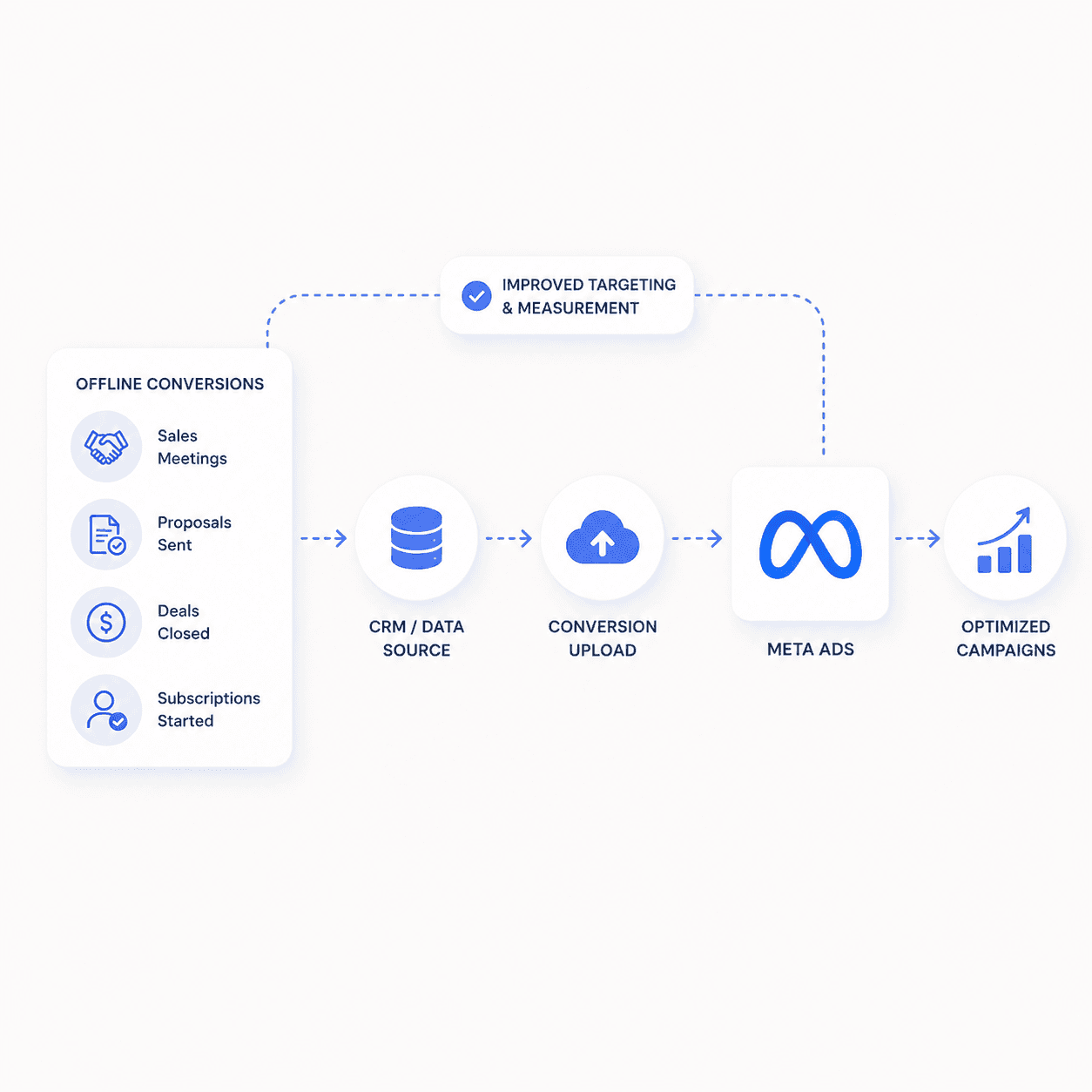
This is the step CPG brands skip most often, and it's the one that matters most given how much CPG revenue happens off the platform where the ad ran.
Meta's in-platform ROAS attributes conversions using its own attribution window, which overstates impact for any brand with meaningful organic, retail, or wholesale volume. Three tools correct for this:
Post-purchase surveys. A simple "how did you hear about us" survey question captures channel influence that pixel-based attribution misses entirely, particularly for in-store or word-of-mouth-driven purchases.
Incrementality testing. Structured holdout tests tell you what spend is actually driving net-new revenue versus pulling forward sales that would have happened anyway. See our guide to incrementality testing on Meta ads.
Marketing mix modeling (MMM). For CPG brands with meaningful retail distribution, MMM captures the halo effect Meta spend has on other channels and in-store lift, which platform-level reporting cannot see. Our marketing mix modeling guide breaks down when this becomes worth the investment.
If you work with external measurement partners like NielsenIQ or Circana for retail sales data, tie that data back to Meta spend on a recurring cadence rather than treating retail and paid social as separate reporting tracks. The brands that scale past a single retail channel are the ones that can show a buyer's true path, not just their last click.
Flighted's Approach for CPG Brands
Flighted's work across Paid Media Expertise, Creative Strategy, and Landing Page Design is built to work together, not as separate line items, and Meta Ads management is the sub-field we specialize in most. For CPG brands specifically, that means building an account structure suited to your margin profile, a creative pipeline that can survive Meta's compliance review at volume, and a landing page that closes the specific buyer your category attracts. The five case studies above (Flintts Mints, Alaskan Salmon Co., Modern Mammals, Cat Person, and Ando) span mints, seafood, personal care, pet food, and functional beverage. The tactics differ by category, but the framework holds.
What's a good ROAS for a CPG brand running Meta ads? Most CPG brands should target a blended ROAS between 1.5x and 2.5x, but the number that actually matters is your break-even ROAS given your gross margin. A brand at 30% margin needs roughly 3x ROAS just to break even on ad spend after cost of goods; a brand at 50%+ margin can be profitable closer to 2x. Calculate your own threshold with our break-even ROAS formula before setting a target.
How much should a CPG brand budget for Meta ads to start? Budget depends on your price point and target CPA, but you need enough daily spend to exit Meta's learning phase, generally around 50 conversions per week, to generate meaningful optimization data. Below roughly $50/day, it's difficult to gather enough signal to learn anything reliable; run fewer creative variables for longer instead of spreading thin.
How does in-store and retail distribution affect Meta ads measurement for CPG brands? Meta's in-platform ROAS only captures conversions it can attribute within its own tracking window, which understates impact for any brand selling through retail, wholesale, or high organic word-of-mouth. Layer in post-purchase surveys, incrementality testing, and marketing mix modeling if retail is a meaningful part of your revenue, rather than judging the channel on platform ROAS alone.
Should CPG brands prioritize UGC or produced content on Meta? Start with UGC. It's typically more affordable to produce, performs well against creative fatigue, and, as with Flintts Mints, existing organic content (TikToks, creator footage) often outperforms polished studio assets when repurposed into paid. Layer in produced content for testing specific angles once UGC has established which messaging resonates.
How often should CPG brands refresh Meta ad creative? Refresh cadence should be driven by frequency and performance decay, not a fixed calendar. As a starting point, plan to introduce new creative concepts every 2 to 4 weeks, and monitor First-Time Impression Ratio and Frequency to catch fatigue early rather than waiting for CPA to visibly climb.
Can CPG brands make health or nutrition claims in Meta ads? Be cautious. Meta's ad standards restrict claims that a product cures, treats, or prevents a disease, and this applies to functional foods and beverages, not just supplements. Focus on lifestyle and benefit-driven language rather than medical claims. Review Meta's restricted goods and services policy before finalizing ad copy if your product makes any health-adjacent claims.
Conclusion
CPG brands that win on Meta treat the platform as one input into a multi-channel purchase journey, not the whole story. Get your unit economics and benchmarks right first, build a creative engine that can survive both compliance review and audience fatigue, structure your account for stability at scale, fix the landing page before blaming the media buy, and measure incrementality rather than trusting platform ROAS alone. The brands in this guide, from mints to salmon to pet food, all point to the same underlying discipline: structured testing, honest measurement, and a full-funnel view of what's actually driving growth.