How to Run Meta Ads for Beauty & Skincare Brands in 2026

Meta Ads

June 10, 2026
Table Of Contents

No headings found on page

This guide focuses specifically on Meta Ads strategy for direct-to-consumer beauty and skincare brands. For a broader overview of Meta Ads strategy across industries, see our Meta Ads Strategy 2026 guide, and for the DTC view more generally, our Meta Ads Strategy for DTC Brands.

Key Takeaways

  • Send paid traffic to an educational landing page, not your product page. Beauty and skincare is a crowded category, and a page that explains why your product is different—who it's for, the key ingredients, the real-life benefits, and the social proof—converts far better than dropping a cold shopper straight onto a PDP.

  • An offer is now a necessity, not a nice-to-have. Build one that lands you above a $50 AOV and a 60%+ gross margin on the first purchase so your paid acquisition unit economics actually work.

  • Don't trust Meta's reported ROAS alone. Watch blended MER and blended CAC, lock in a 7-day click attribution window, and back it up with a "how did you hear about us" post-purchase survey.

  • Run two campaigns: a creative testing sandbox and a scale campaign. Test a high volume of ads cheaply, then graduate winners into a larger, more stable scale campaign where you can also test audiences.

  • Win on results, social proof, and authenticity. Today's beauty buyers are educated and skeptical—UGC, testimonials, tutorials, founder stories, and comparison ads outperform polished brand spots.

  • Build creative with Meta's policies in mind from day one. Before/afters, personal health claims, and pain-point scripts that imply a personal attribute get flagged the most, so always have compliant variations ready.

  • Read your ads, don't just launch them. Watch hook rate, hold rate, and frequency to catch fatigue early, and keep fresh iterations of your winners in the pipeline.

Why Meta Ads Work for Beauty & Skincare Brands

Beauty and skincare is one of the best-suited categories on Meta. The products are visual, the results are demonstrable, and the audience is already on Instagram looking at exactly this kind of content all day. The algorithm is remarkably good at finding buyers when you feed it the right signals.

The catch? It's also one of the most competitive and most heavily scrutinized categories on the platform. Customer acquisition costs are high, shoppers have seen every hook a hundred times, and Meta's review system watches beauty ads closely for health claims. The brands that scale profitably aren't the ones with the biggest budgets—they're the ones who get the full system right: the landing page, the measurement, the account structure, the creative, and the retargeting. This guide walks through each piece.

Start With an Educational Landing Page, Not Your Product Page

The single biggest mistake beauty and skincare brands make on Meta is sending paid traffic straight to a product page. In a category this crowded, a cold shopper who lands on a PDP has no reason to believe you over the dozen other serums in their feed. You have to earn the click-to-buy.

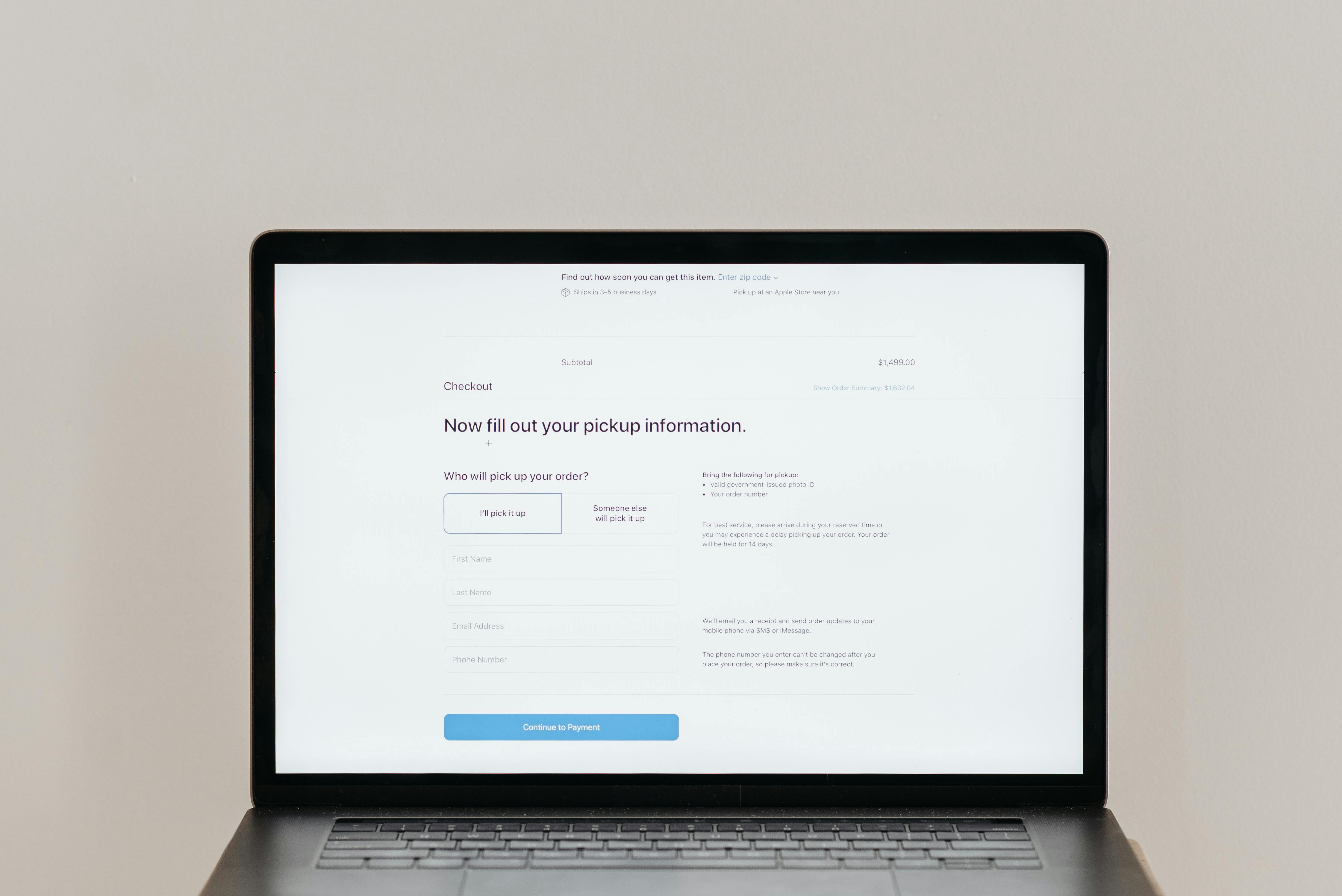
Instead, send traffic to an educational landing page that explains why your product is unique, then directs them to the product page where they have the option to check out and buy. The hierarchy of information on that page is what makes or breaks it.

A strong beauty or skincare landing page answers a few specific questions, in order:

  • Who is this product for? If you're targeting a certain type of customer, say so up front.

  • What are the key ingredients? Modern beauty buyers want to know exactly what they're putting on their skin before they purchase.

  • What are the real-life benefits? Translate the product into the customer's daily life—reduced wrinkles, more natural-looking makeup or foundation, glowing skin, more moisturized skin.

  • Who already uses it? Layer in social proof with specific customer reviews and a star rating.

  • What's the offer? Close with a paid acquisition offer for new customers that incentivizes them to buy.

For more on what actually converts, our guide on landing page best practices covers the mechanics in depth.

Your offer is now a necessity

An offer used to be optional in beauty and skincare. It isn't anymore. A free gift, a discount at a certain AOV, or a free shipping threshold all work—but you need something that gives new customers a reason to convert now instead of later.

The important part is the math behind the offer. Structure it so you end up with an average order value above $50 and a gross margin higher than 60% on the first purchase. That's the threshold where the unit economics of a paid acquisition program start to make sense. Build an offer that erodes your margin below that, and you'll scale spend straight into unprofitability. If you're not sure where your floor is, work backward from your break-even ROAS and target ROAS first.

Set Up Your Conversion Tracking Correctly

None of this works if Meta can't see what's happening on your site. Before you spend a dollar, make sure your conversion events are set up properly—specifically Add to Cart, Initiate Checkout, and Purchase.

If you're a Shopify brand, this is simple. Use Shopify's native integration with Meta Ads and it will automatically set up these events for you using both a browser-side and server-side connection. Every conversion event should be flowing two ways: via the pixel (browser side) and via the server, otherwise known as the Conversions API. If you're not on Shopify, you can set these up manually with Google Tag Manager.

Once they're live, validate that your events are firing properly. Check Events Manager in Meta, and look specifically at your event match quality score and the diagnostics tab to confirm there are no issues with the events you're sending. For the full walkthrough, see our Meta Pixel implementation guide.

Measurement: Don't Trust Reported ROAS Alone

Setting up your conversion events is only half the job. You also need a point of view on how you actually judge performance, because Meta's in-platform numbers will overstate your results.

Don't rely on reported ROAS by itself. Watch your blended numbers too: total revenue divided by total ad spend (your marketing efficiency ratio, or MER), and your blended CAC across all channels. If you want a deeper look at why platform-reported and blended figures diverge, our breakdown of blended ROAS vs platform ROAS covers it.

Then pick an attribution window and stick with it so you're comparing like for like. 7-day click is the standard for most beauty and skincare brands—if you need help choosing, see our guide to Meta ads attribution windows.

Back all of this up with a post-purchase survey—a simple "how did you hear about us" question at checkout—to sanity-check what Meta is taking credit for. As you scale, a third-party tool like Triple Whale or Northbeam helps stitch this together, but the survey plus blended MER will get you most of the way there.

Account Structure: A Testing Sandbox and a Scale Campaign

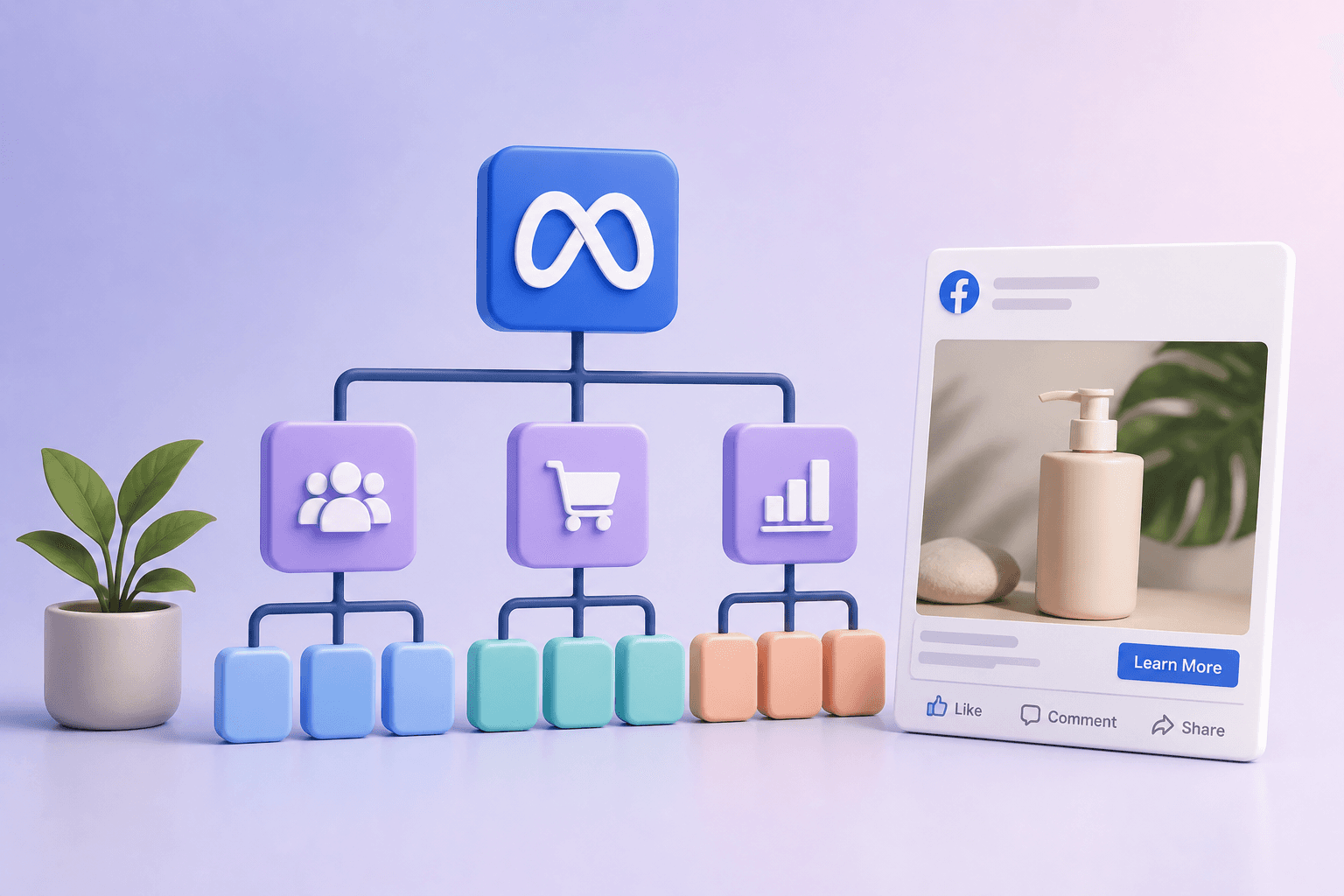
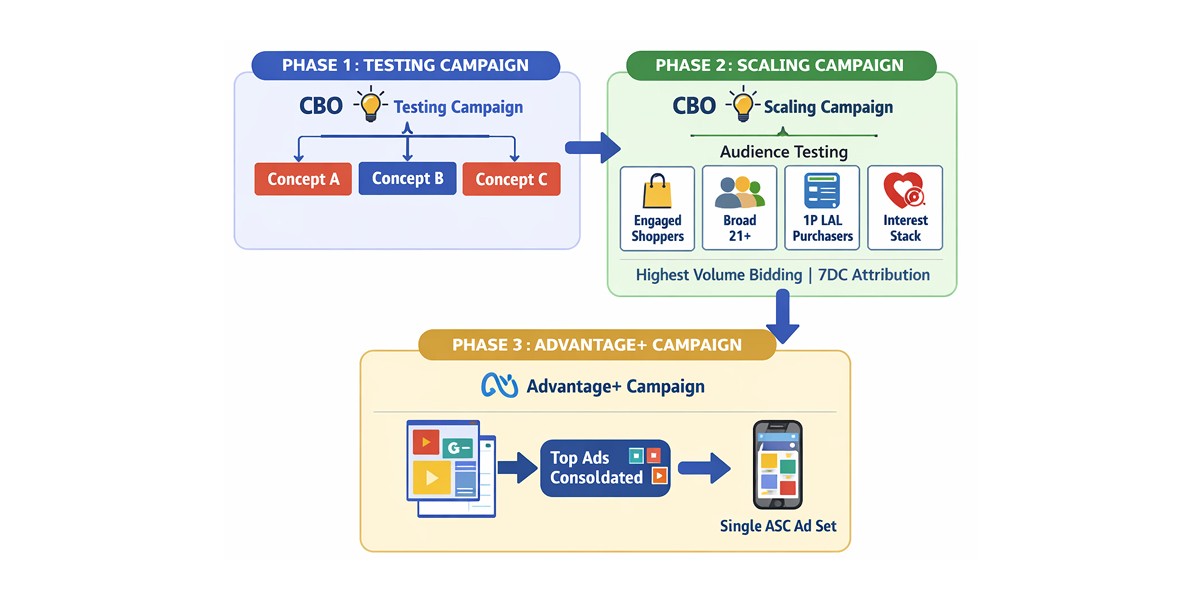
Your ad structure matters a lot. At scale, you want two distinct campaigns doing two distinct jobs.

The first is a dedicated creative testing campaign. This is your sandbox—it lets you test a high volume of ads at a lower overall budget without compromising performance. The second is a scale campaign, where creative winners are graduated once they prove out. The scale campaign should be a much larger share of your budget, but it's generally more stable than the test campaign, with fewer ad launches happening less frequently.

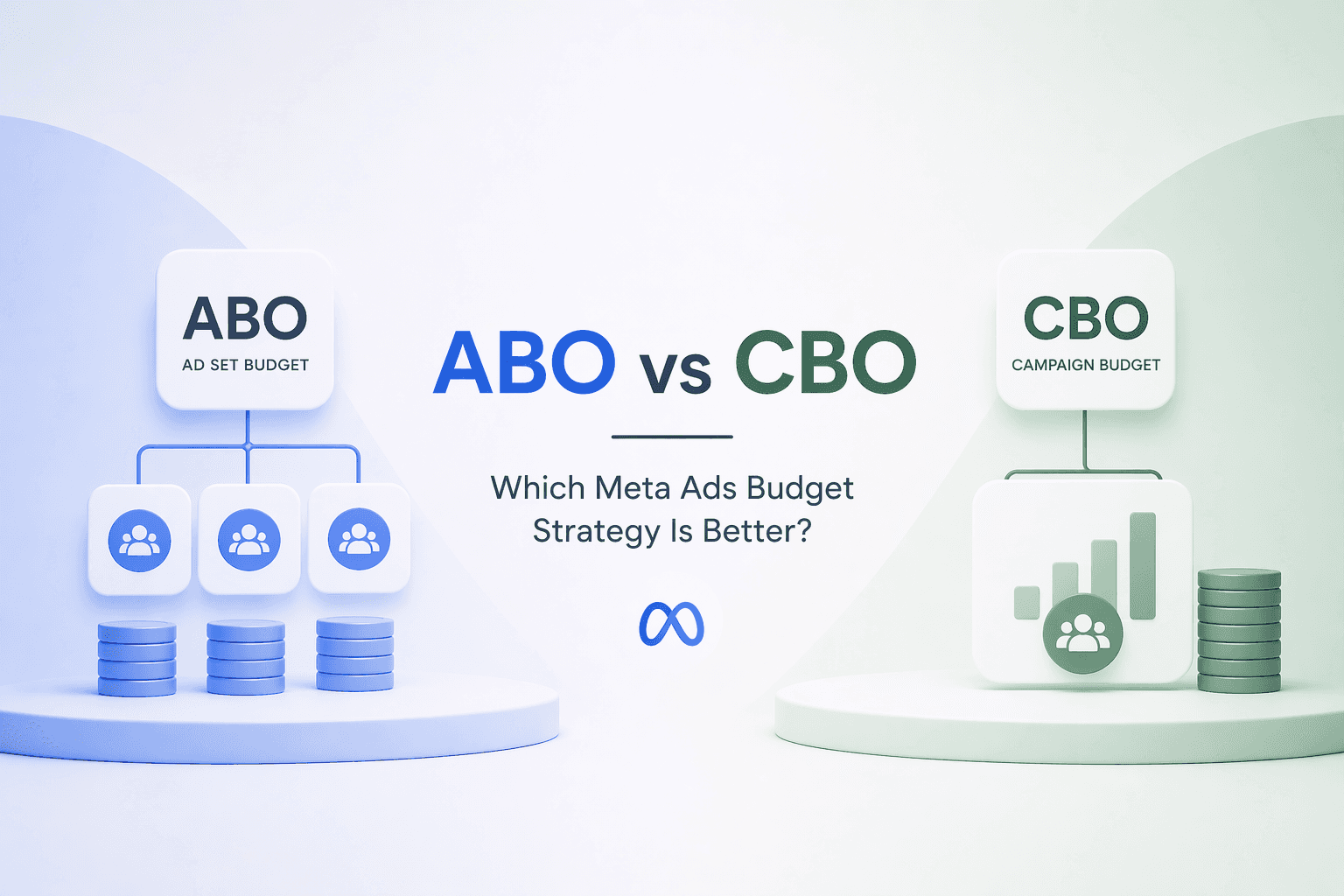
You can also test audiences inside the scale campaign, which still drives results in beauty and skincare. For the broader philosophy here, see our guides on Meta ads account structure and ABO vs CBO.

Audiences that work for beauty and skincare

A few audiences consistently perform for this category:

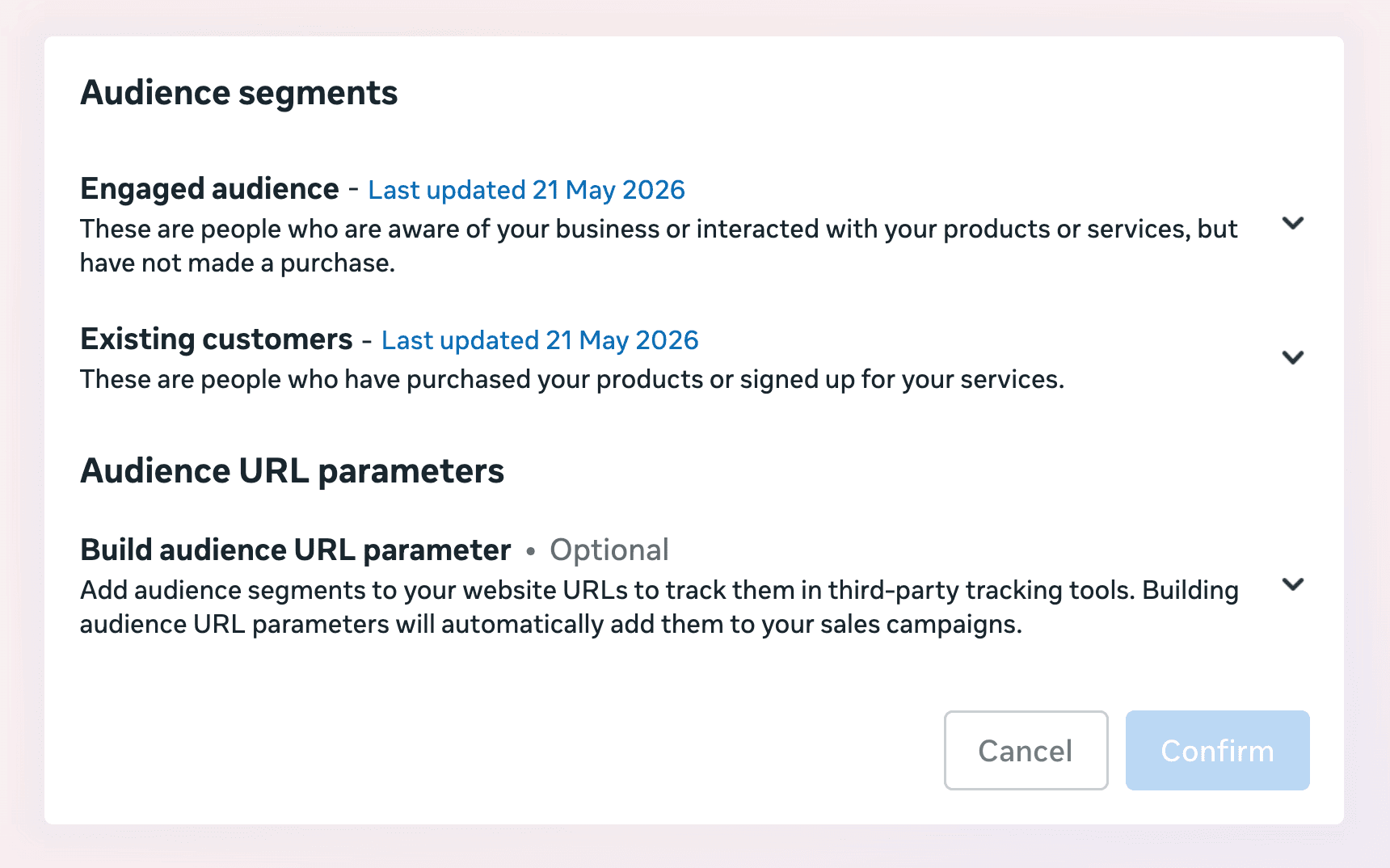
  • Engaged Shoppers. Meta's Engaged Shoppers interest cohort is an aggregate group of everyone who's clicked a "Shop Now" button on Meta in the last seven days. These are people who are in-market and ready to buy.

  • Lookalikes of past purchasers. A lookalike up to 3% of your past purchasers works well. The minimum list size is about 2,000 customers—if you don't have enough buyers yet, use your email lead list, which is usually larger.

  • Stacked lookalikes. Combine multiple custom-audience lookalikes—website visitors, ad engagers, and anyone who's viewed more than 50% of a video ad—stacked together into one audience.

  • Themed interest groups. Target people who've expressed interest in skincare, beauty, specific active ingredients like retinol, or trends like the glass skin trend.

Our Meta lookalike audiences guide goes deeper on building and stacking these.

How many ads should you launch?

If you're launching the brand from scratch on Meta, aim to go live with 25 unique ad creatives.

Once you're already scaled, there's a simple way to know how many ads to test each month. Take your monthly ad spend budget, divide it by 10, then divide that by your CPA. That's roughly the minimum number of new creatives you should be testing per month.

So if you're spending $100k a month with a $50 CPA, that's $10k divided by $50—or about 200 tests a month. The bigger your spend, the more creative you need feeding the machine to keep performance from sliding. (More on that in how to scale Meta ads without decreasing ROAS.)

Creative: Results, Social Proof, and Authenticity

Most beauty and skincare ads should focus on three things: results, social proof, and authenticity. Skincare and beauty customers are very educated now. They know when they're being lied to, when something's being oversold, and they're sharp about the science behind the active ingredients in modern products. Polished brand spots rarely beat content that feels real.

Here are the formats that work in this category:

  • Authentic UGC from your existing customers showing the product in real use.

  • Before-and-after videos from real customers (with the compliance caveat below—read it before you build these).

  • Specific customer testimonials about the product's efficacy, in both video and static.

  • Makeup or skincare tutorials that subtly incorporate your product, so users can picture how they'd use it day to day.

  • Day-in-the-life videos that don't focus entirely on skincare but feature your product during part of the creator's day.

  • Voiceover ads over B-roll that test different pain points. Script these in the first person and walk through how your product solves the problem—for example, "I had acne scars and was embarrassed to go on a first date, but this product solved that embarrassment."

  • Comment-response ads. Overlay a real TikTok or Instagram comment on the video and use it to handle objections or answer common questions about your product.

  • Static comparison ads between your product and a much bigger competitor. This lets you ride the awareness your competitor already built—shoppers interested in them get served a side-by-side showing why your product is superior.

  • Founder story videos. A founder on camera talking about why they started the company and why the brand is different works extremely well for authenticity, which matters enormously in this space.

For more on building these out, see our Meta ads creative framework, our guide to maximizing UGC in Facebook ad campaigns, and how to write a Facebook creative brief.

Compliance caveat

Beauty and skincare ads get heavy scrutiny from Meta, so build your creative with policy in mind from the start—it's worth reviewing Meta's Advertising Standards directly before you brief a single asset. Before/afters, personal health claims, and pain-point scripts that imply a personal attribute—like acne or insecurity—are the most likely to get flagged or rejected. Always have compliant variations of these ready so a rejection doesn't stall your testing.

This guide focuses specifically on Meta Ads strategy for direct-to-consumer beauty and skincare brands. For a broader overview of Meta Ads strategy across industries, see our Meta Ads Strategy 2026 guide, and for the DTC view more generally, our Meta Ads Strategy for DTC Brands.

Key Takeaways

  • Send paid traffic to an educational landing page, not your product page. Beauty and skincare is a crowded category, and a page that explains why your product is different—who it's for, the key ingredients, the real-life benefits, and the social proof—converts far better than dropping a cold shopper straight onto a PDP.

  • An offer is now a necessity, not a nice-to-have. Build one that lands you above a $50 AOV and a 60%+ gross margin on the first purchase so your paid acquisition unit economics actually work.

  • Don't trust Meta's reported ROAS alone. Watch blended MER and blended CAC, lock in a 7-day click attribution window, and back it up with a "how did you hear about us" post-purchase survey.

  • Run two campaigns: a creative testing sandbox and a scale campaign. Test a high volume of ads cheaply, then graduate winners into a larger, more stable scale campaign where you can also test audiences.

  • Win on results, social proof, and authenticity. Today's beauty buyers are educated and skeptical—UGC, testimonials, tutorials, founder stories, and comparison ads outperform polished brand spots.

  • Build creative with Meta's policies in mind from day one. Before/afters, personal health claims, and pain-point scripts that imply a personal attribute get flagged the most, so always have compliant variations ready.

  • Read your ads, don't just launch them. Watch hook rate, hold rate, and frequency to catch fatigue early, and keep fresh iterations of your winners in the pipeline.

Why Meta Ads Work for Beauty & Skincare Brands

Beauty and skincare is one of the best-suited categories on Meta. The products are visual, the results are demonstrable, and the audience is already on Instagram looking at exactly this kind of content all day. The algorithm is remarkably good at finding buyers when you feed it the right signals.

The catch? It's also one of the most competitive and most heavily scrutinized categories on the platform. Customer acquisition costs are high, shoppers have seen every hook a hundred times, and Meta's review system watches beauty ads closely for health claims. The brands that scale profitably aren't the ones with the biggest budgets—they're the ones who get the full system right: the landing page, the measurement, the account structure, the creative, and the retargeting. This guide walks through each piece.

Start With an Educational Landing Page, Not Your Product Page

The single biggest mistake beauty and skincare brands make on Meta is sending paid traffic straight to a product page. In a category this crowded, a cold shopper who lands on a PDP has no reason to believe you over the dozen other serums in their feed. You have to earn the click-to-buy.

Instead, send traffic to an educational landing page that explains why your product is unique, then directs them to the product page where they have the option to check out and buy. The hierarchy of information on that page is what makes or breaks it.

A strong beauty or skincare landing page answers a few specific questions, in order:

  • Who is this product for? If you're targeting a certain type of customer, say so up front.

  • What are the key ingredients? Modern beauty buyers want to know exactly what they're putting on their skin before they purchase.

  • What are the real-life benefits? Translate the product into the customer's daily life—reduced wrinkles, more natural-looking makeup or foundation, glowing skin, more moisturized skin.

  • Who already uses it? Layer in social proof with specific customer reviews and a star rating.

  • What's the offer? Close with a paid acquisition offer for new customers that incentivizes them to buy.

For more on what actually converts, our guide on landing page best practices covers the mechanics in depth.

Your offer is now a necessity

An offer used to be optional in beauty and skincare. It isn't anymore. A free gift, a discount at a certain AOV, or a free shipping threshold all work—but you need something that gives new customers a reason to convert now instead of later.

The important part is the math behind the offer. Structure it so you end up with an average order value above $50 and a gross margin higher than 60% on the first purchase. That's the threshold where the unit economics of a paid acquisition program start to make sense. Build an offer that erodes your margin below that, and you'll scale spend straight into unprofitability. If you're not sure where your floor is, work backward from your break-even ROAS and target ROAS first.

Set Up Your Conversion Tracking Correctly

None of this works if Meta can't see what's happening on your site. Before you spend a dollar, make sure your conversion events are set up properly—specifically Add to Cart, Initiate Checkout, and Purchase.

If you're a Shopify brand, this is simple. Use Shopify's native integration with Meta Ads and it will automatically set up these events for you using both a browser-side and server-side connection. Every conversion event should be flowing two ways: via the pixel (browser side) and via the server, otherwise known as the Conversions API. If you're not on Shopify, you can set these up manually with Google Tag Manager.

Once they're live, validate that your events are firing properly. Check Events Manager in Meta, and look specifically at your event match quality score and the diagnostics tab to confirm there are no issues with the events you're sending. For the full walkthrough, see our Meta Pixel implementation guide.

Measurement: Don't Trust Reported ROAS Alone

Setting up your conversion events is only half the job. You also need a point of view on how you actually judge performance, because Meta's in-platform numbers will overstate your results.

Don't rely on reported ROAS by itself. Watch your blended numbers too: total revenue divided by total ad spend (your marketing efficiency ratio, or MER), and your blended CAC across all channels. If you want a deeper look at why platform-reported and blended figures diverge, our breakdown of blended ROAS vs platform ROAS covers it.

Then pick an attribution window and stick with it so you're comparing like for like. 7-day click is the standard for most beauty and skincare brands—if you need help choosing, see our guide to Meta ads attribution windows.

Back all of this up with a post-purchase survey—a simple "how did you hear about us" question at checkout—to sanity-check what Meta is taking credit for. As you scale, a third-party tool like Triple Whale or Northbeam helps stitch this together, but the survey plus blended MER will get you most of the way there.

Account Structure: A Testing Sandbox and a Scale Campaign

Your ad structure matters a lot. At scale, you want two distinct campaigns doing two distinct jobs.

The first is a dedicated creative testing campaign. This is your sandbox—it lets you test a high volume of ads at a lower overall budget without compromising performance. The second is a scale campaign, where creative winners are graduated once they prove out. The scale campaign should be a much larger share of your budget, but it's generally more stable than the test campaign, with fewer ad launches happening less frequently.

You can also test audiences inside the scale campaign, which still drives results in beauty and skincare. For the broader philosophy here, see our guides on Meta ads account structure and ABO vs CBO.

Audiences that work for beauty and skincare

A few audiences consistently perform for this category:

  • Engaged Shoppers. Meta's Engaged Shoppers interest cohort is an aggregate group of everyone who's clicked a "Shop Now" button on Meta in the last seven days. These are people who are in-market and ready to buy.

  • Lookalikes of past purchasers. A lookalike up to 3% of your past purchasers works well. The minimum list size is about 2,000 customers—if you don't have enough buyers yet, use your email lead list, which is usually larger.

  • Stacked lookalikes. Combine multiple custom-audience lookalikes—website visitors, ad engagers, and anyone who's viewed more than 50% of a video ad—stacked together into one audience.

  • Themed interest groups. Target people who've expressed interest in skincare, beauty, specific active ingredients like retinol, or trends like the glass skin trend.

Our Meta lookalike audiences guide goes deeper on building and stacking these.

How many ads should you launch?

If you're launching the brand from scratch on Meta, aim to go live with 25 unique ad creatives.

Once you're already scaled, there's a simple way to know how many ads to test each month. Take your monthly ad spend budget, divide it by 10, then divide that by your CPA. That's roughly the minimum number of new creatives you should be testing per month.

So if you're spending $100k a month with a $50 CPA, that's $10k divided by $50—or about 200 tests a month. The bigger your spend, the more creative you need feeding the machine to keep performance from sliding. (More on that in how to scale Meta ads without decreasing ROAS.)

Creative: Results, Social Proof, and Authenticity

Most beauty and skincare ads should focus on three things: results, social proof, and authenticity. Skincare and beauty customers are very educated now. They know when they're being lied to, when something's being oversold, and they're sharp about the science behind the active ingredients in modern products. Polished brand spots rarely beat content that feels real.

Here are the formats that work in this category:

  • Authentic UGC from your existing customers showing the product in real use.

  • Before-and-after videos from real customers (with the compliance caveat below—read it before you build these).

  • Specific customer testimonials about the product's efficacy, in both video and static.

  • Makeup or skincare tutorials that subtly incorporate your product, so users can picture how they'd use it day to day.

  • Day-in-the-life videos that don't focus entirely on skincare but feature your product during part of the creator's day.

  • Voiceover ads over B-roll that test different pain points. Script these in the first person and walk through how your product solves the problem—for example, "I had acne scars and was embarrassed to go on a first date, but this product solved that embarrassment."

  • Comment-response ads. Overlay a real TikTok or Instagram comment on the video and use it to handle objections or answer common questions about your product.

  • Static comparison ads between your product and a much bigger competitor. This lets you ride the awareness your competitor already built—shoppers interested in them get served a side-by-side showing why your product is superior.

  • Founder story videos. A founder on camera talking about why they started the company and why the brand is different works extremely well for authenticity, which matters enormously in this space.

For more on building these out, see our Meta ads creative framework, our guide to maximizing UGC in Facebook ad campaigns, and how to write a Facebook creative brief.

Compliance caveat

Beauty and skincare ads get heavy scrutiny from Meta, so build your creative with policy in mind from the start—it's worth reviewing Meta's Advertising Standards directly before you brief a single asset. Before/afters, personal health claims, and pain-point scripts that imply a personal attribute—like acne or insecurity—are the most likely to get flagged or rejected. Always have compliant variations of these ready so a rejection doesn't stall your testing.

Looking for Meta ads support?

We're a small, hardworking, US-based team. Book a call and get a free audit today.

Read Your Ads: Creative Fatigue and Diagnostics

Launching the ads is just the start. You need to read them and know when they're tired. Don't just look at CPA—look at the diagnostic metrics that tell you why an ad is or isn't working:

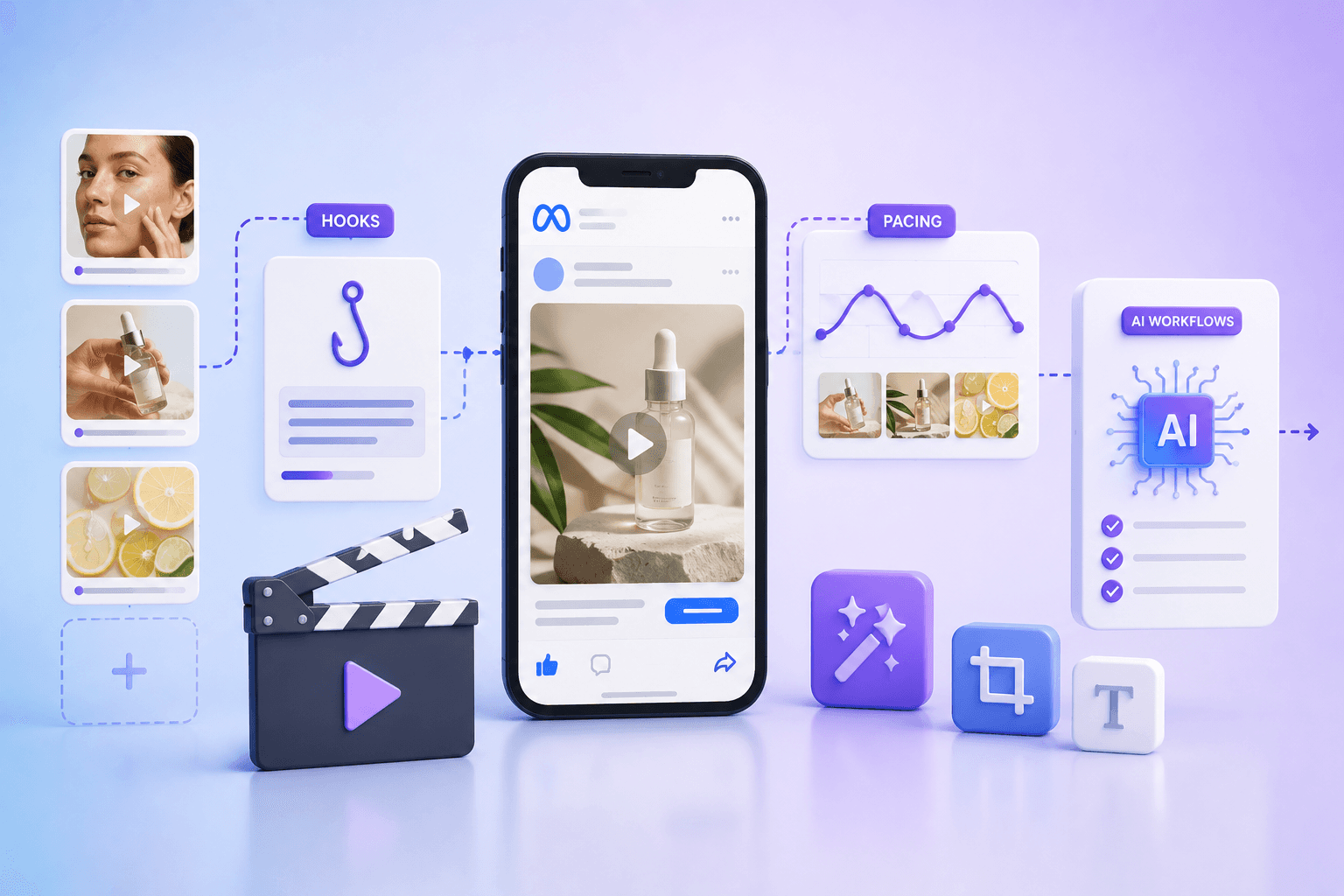
  • Hook rate (thumbstop) tells you whether the first three seconds are landing.

  • Hold rate tells you whether people are actually watching through.

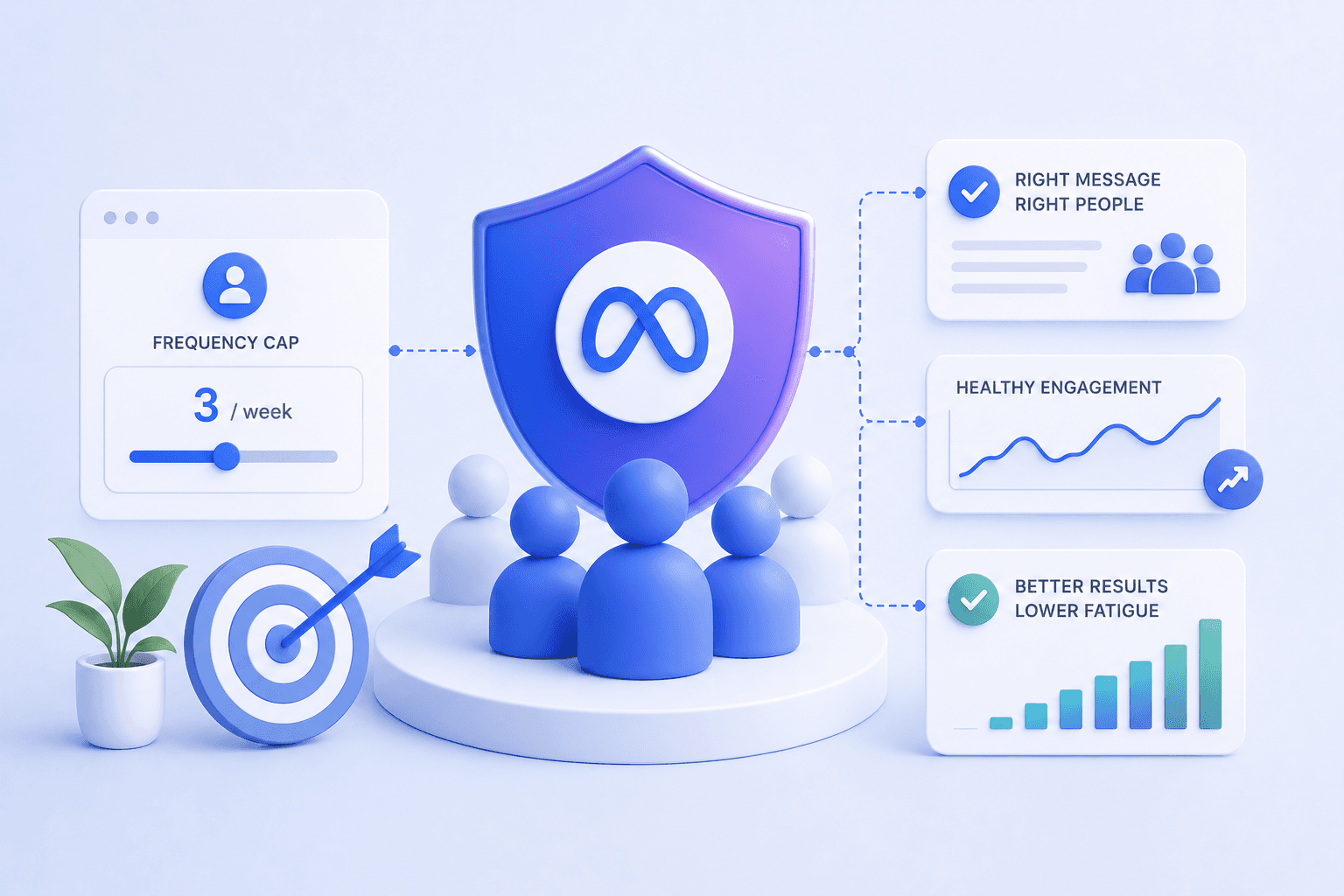
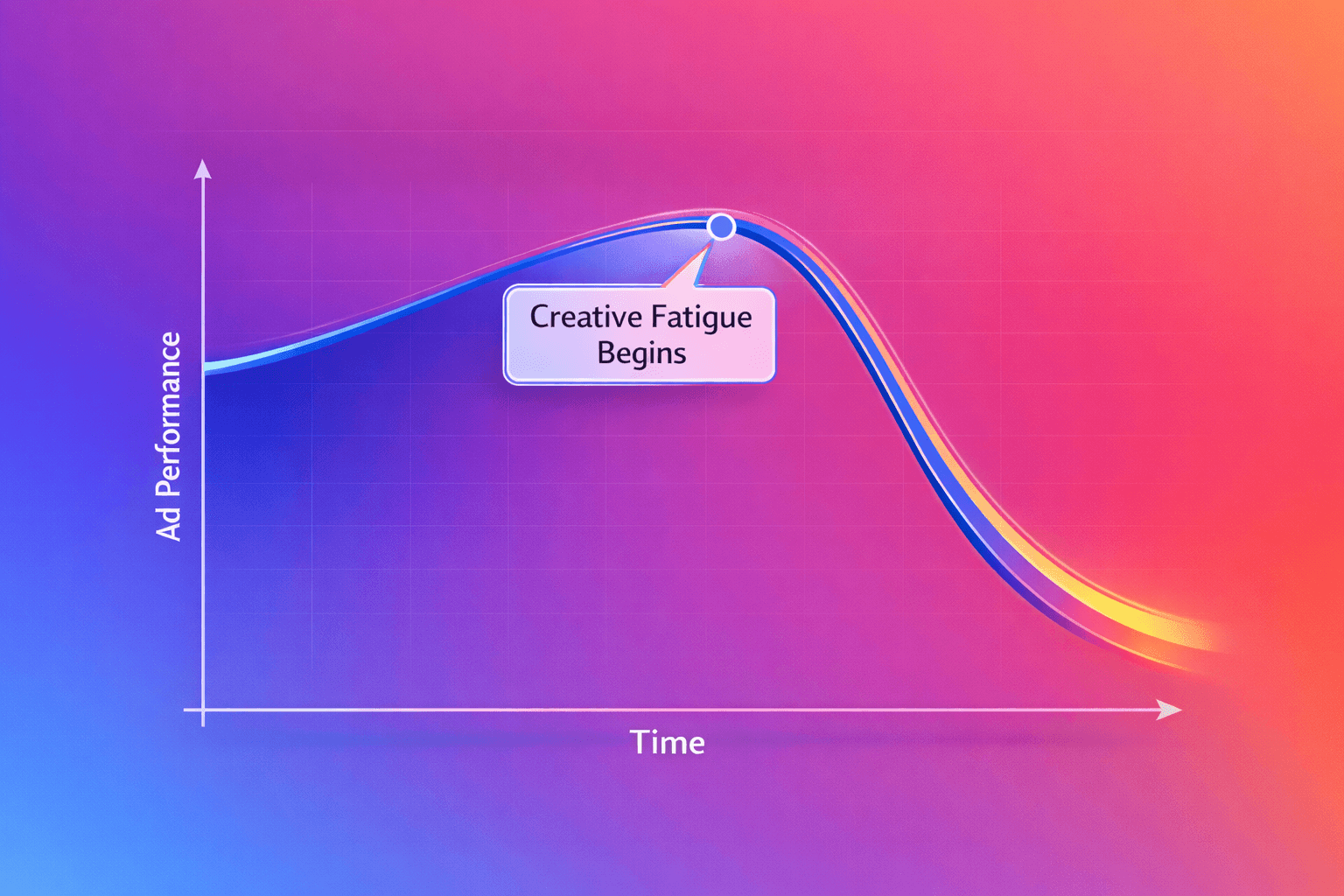
  • Frequency tells you whether you've burned out the audience. When it climbs and CPA follows, the ad is fatigued and it's time to refresh.

Your winners won't win forever, so always keep new iterations of your top performers in the pipeline—not just brand-new concepts. For the full diagnostic playbook, see how to identify and fix Meta ad fatigue and our list of the most important Meta ads metrics to track.

Retargeting: Close the Shoppers You Already Have

Everything above is about cold prospecting, but you're leaving money on the table if you don't have a plan for the people who already engaged and didn't buy.

Build retargeting audiences from website visitors, add-to-carts, and video viewers, and serve them different creative than your cold ads. Think reviews, objection handling, and your offer front and center. Keep your retargeting budget small relative to prospecting—it's a closer, not a growth lever.

And remember Meta isn't the only channel doing this work. Your email and SMS flows (via a tool like Klaviyo) should be catching abandoned carts in parallel, so coordinate the two instead of letting them compete. Our ecommerce retargeting guide and best Facebook ads retargeting strategy break down how to structure these funnels.

FAQs About Meta Ads for Beauty & Skincare Brands

What AOV and margin do I need for Meta ads to be profitable in beauty?

Structure your first-purchase offer so you land above a $50 average order value with a gross margin higher than 60%. That's the threshold where paid acquisition unit economics tend to make sense in this category. Below it, you'll struggle to acquire customers profitably no matter how good your creative is.

Should I send Meta ad traffic to my product page or a landing page?

Send it to a dedicated educational landing page, not your product page. Beauty and skincare is too competitive for a cold shopper to convert off a PDP alone. The landing page should explain who the product is for, its key ingredients, the real-life benefits, and the social proof—then route them to the product page to check out.

What attribution window should beauty and skincare brands use on Meta?

7-day click is the standard for most beauty and skincare brands. Pick it and stick with it so you're comparing performance like for like over time, and back it up with blended MER and a post-purchase "how did you hear about us" survey rather than trusting Meta's reported ROAS alone.

How many ad creatives should I test each month?

Take your monthly ad spend, divide it by 10, then divide that by your CPA. That's roughly your minimum number of new creatives per month. At $100k/month spend and a $50 CPA, that's about 200 tests a month. If you're launching from scratch, start with 25 unique creatives.

Why do my beauty ads keep getting rejected on Meta?

Beauty and skincare ads get heavy scrutiny. The most common triggers are before-and-after imagery, personal health claims, and pain-point scripts that imply a personal attribute like acne or insecurity. Build compliant variations from the start so a rejection doesn't stall your testing.

Which audiences work best for beauty and skincare on Meta?

Meta's Engaged Shoppers cohort (people who clicked "Shop Now" in the last seven days), up to a 3% lookalike of past purchasers, stacked lookalikes of website visitors and video viewers, and themed interest groups around skincare, beauty, specific ingredients like retinol, and trends like glass skin all perform well.

How do I know when a beauty ad is fatigued?

Watch the diagnostics, not just CPA. A falling hook rate or hold rate tells you the creative isn't landing, and rising frequency with a climbing CPA tells you the audience is burned out. When you see that, refresh with new iterations of your winners.

Related Posts

Related Posts

Related Posts

Related Posts

Ready to talk?

Book A Call

We are a Paid Media agency based in New York, NY.
Flighted

New York, NY 11217

hello@flighted.co

© Flighted, 2026

Ready to talk?

Book A Call

We are a Paid Media agency based in New York, NY.

Flighted

New York, NY 11217

hello@flighted.co

© Flighted, 2026