How to Identify and Fix Meta Ad Fatigue in 2026
Meta Ads
May 1, 2026

Table Of Contents
How to Fix Meta Ad Fatigue
Once you've identified fatigue, here's how to address it.
1. Introduce New Creative Variations
Fresh creative means meaningfully different—not the same video with a new thumbnail. Change the visual style, the talent, the setting, or the format entirely. If you've been running talking-head videos, try a product demo or a text-overlay static—there are several creative strategies that consistently perform right now. The goal is to make the ad feel new to someone who's seen your previous work.
2. Refresh Your Ad Hooks and Copy
The first two to three seconds of video and the opening line of copy fatigue fastest. Test new hooks while keeping your winning offer and CTA. Sometimes a new opening is all you want—the rest of the ad can stay the same.
3. Test New Formats and Placements
If your static images are fatiguing, try carousel or video. If Feed is exhausted, test Reels or Stories. Different placements reach users in different contexts, which can extend creative life because the experience feels different.
4. Expand Your Target Audience
Broader targeting or new lookalike audiences give you access to fresh users who haven't seen your ads. This is especially important if you've been running narrow interest-based targeting that's now exhausted.
5. Pause High-Frequency Underperformers
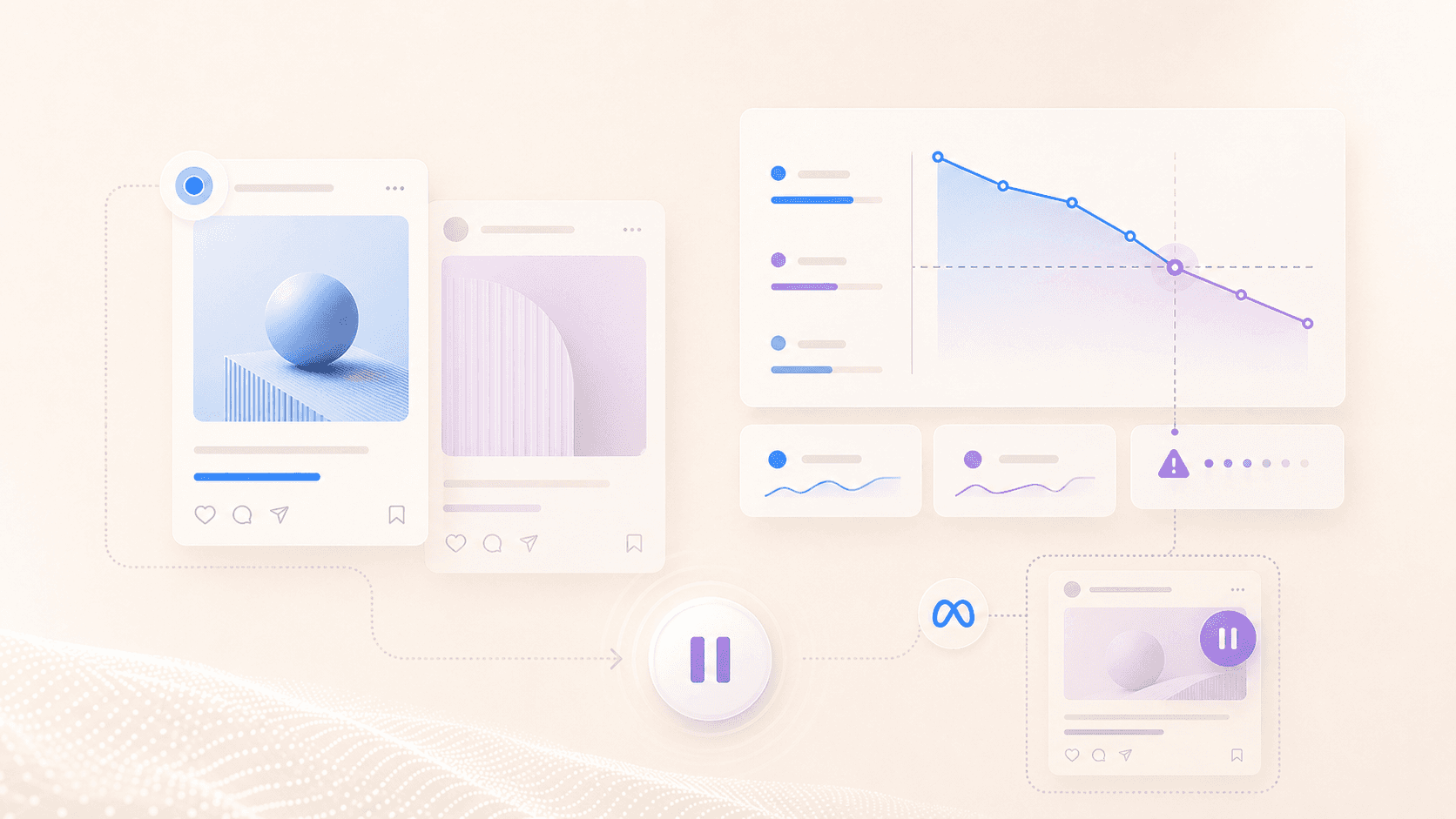
Sometimes the right move is to turn off fatigued ads rather than trying to revive them. A simple rule: if frequency exceeds 4 and CPA is 25% above target, pause the ad and rotate in something new.
How to Prevent Ad Fatigue on Facebook and Instagram
Prevention requires a system, not reactive fixes when performance crashes.
1. Build a Creative Pipeline
Maintain a backlog of three to five ready-to-launch creatives at all times. Building a creative production system ensures you can rotate in fresh assets immediately instead of scrambling to produce something new under pressure.
2. Rotate Creatives on a Fixed Schedule
Don't wait for performance to crash. At $50K+ monthly spend, plan to introduce new creative every two to three weeks. Have a creative brief ready for each rotation cycle. At lower spend levels, every four to six weeks may be sufficient. The higher your spend, the faster you burn through audiences.
3. Set Frequency Caps
For prospecting campaigns, consider setting frequency caps to limit overexposure. This forces Meta to find new users rather than re-serving to the same audience repeatedly.
4. Use Advantage+ and Dynamic Creative
Meta's automated tools rotate creative elements, which can help extend creative life. However, following Meta ads best practices, they don't solve underlying diversity issues. If all your assets are variations of the same concept, Advantage+ can't fix that.
5. Expand Audience Targeting Proactively
Test broader audiences before your current audiences exhaust. Gradual expansion is easier than emergency pivots when performance crashes and you're scrambling to find new people to reach.
How to Monitor Creative Ads on Facebook for Ongoing Fatigue
Building a repeatable monitoring process catches fatigue before it damages performance.
Set Up Automated Performance Alerts
Create rules in Meta Ads Manager that notify you when frequency exceeds 3 or when CPA rises 20% above your target. Third-party tools can add more sophisticated alerting if you want to track multiple metrics together.
Establish a Weekly Fatigue Review Cadence
Every week, spend 15 minutes reviewing First-Time Impression Rate, frequency, and CTR trends across your top-spending ads. Flag anything showing early fatigue signs for creative refresh in the coming week.
Track First-Time Impression Rate as a Leading Indicator
This metric catches fatigue before CPA spikes. Make it the first thing you check in your weekly review—it tells you whether you're reaching new people or just re-serving to the same audience.
When to Refresh Your Facebook Creative Ads
Timing depends on spend level, audience size, and funnel stage:
High-spend accounts ($100K+/month): Expect to refresh top creatives every two to three weeks. At this spend level, you burn through audiences quickly.
Retargeting campaigns: Retargeting can run longer since the audience expects to see your brand repeatedly. Refresh every four to six weeks, or when frequency exceeds 8-10.
Prospecting campaigns: Watch First-Time Impression Rate closely. When it drops below 50%, it's time for new creative regardless of how long the ad has been running.
How a Creative Testing System Prevents Meta Ad Fatigue
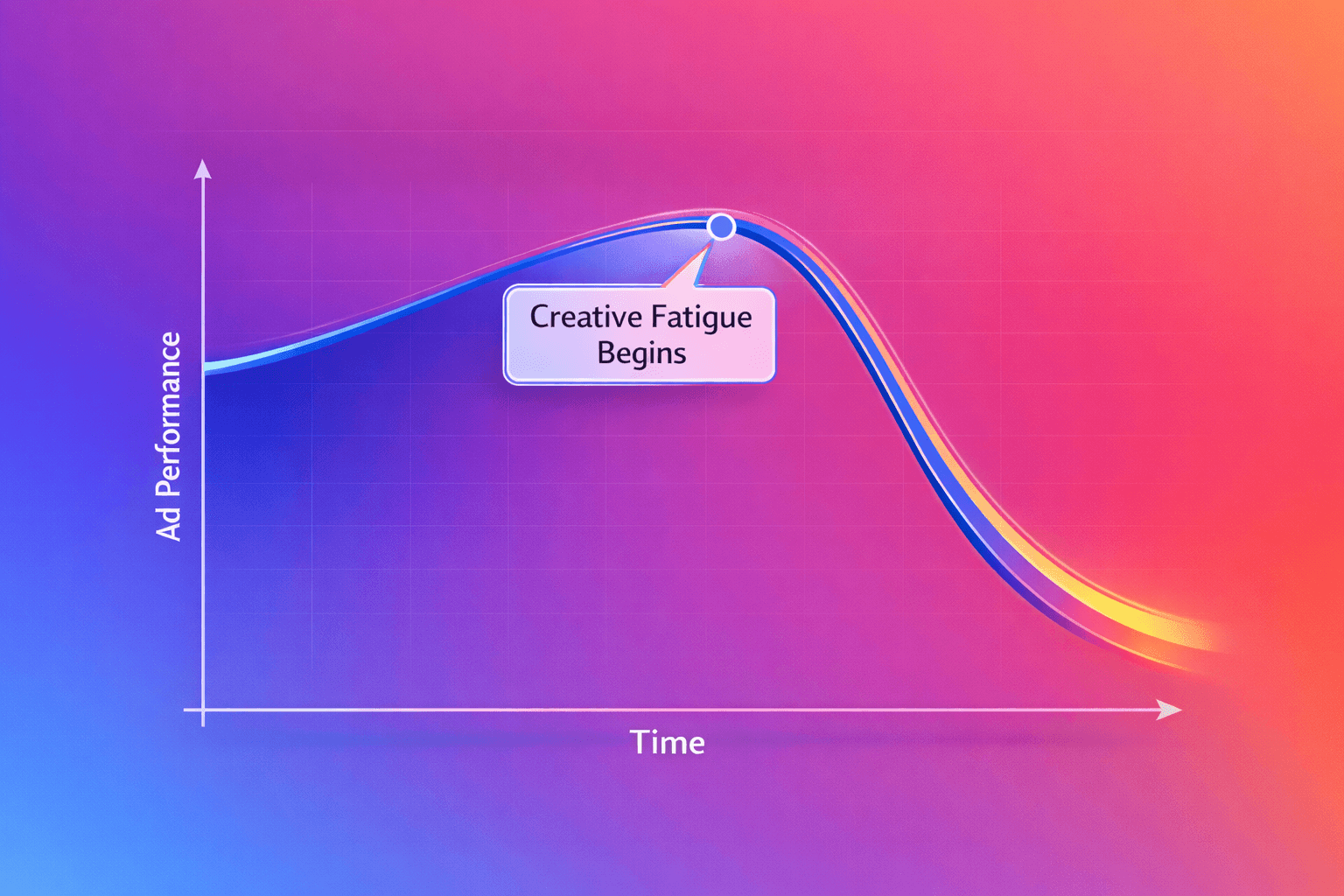
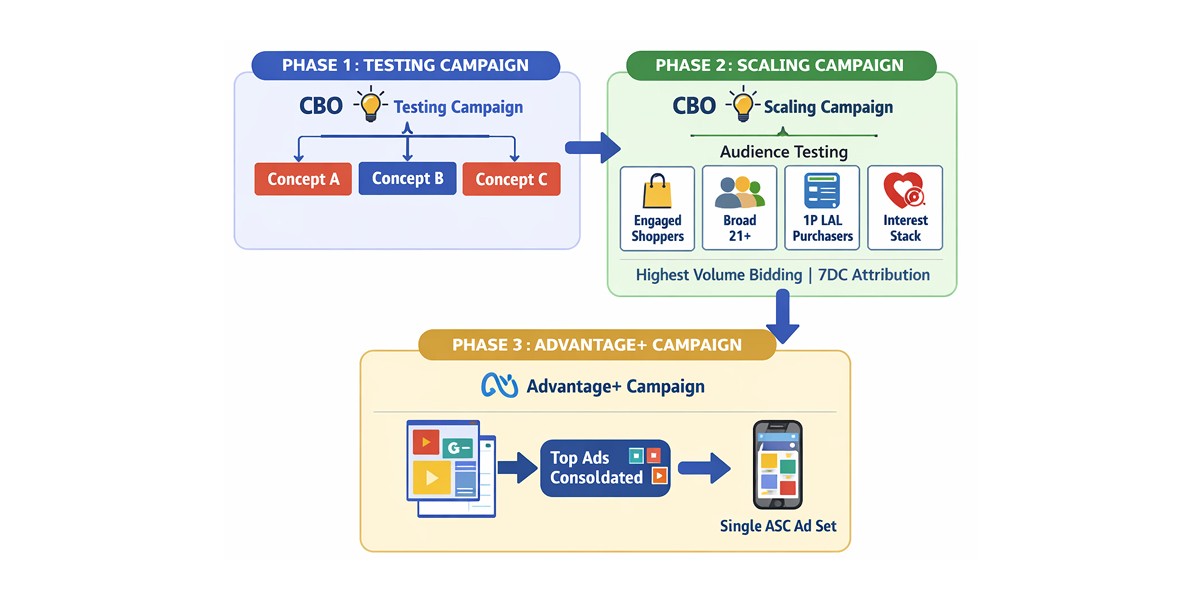
One-off creative refreshes don't solve the underlying problem. You want an ongoing testing framework that continuously identifies winning angles, hooks, and formats—so you always have fresh creative ready to deploy when fatigue hits.
This is where creative strategy, paid media expertise, and landing page optimization work together. Strong creative extends ad life. Smart media buying manages frequency and audience expansion. Optimized landing pages convert the traffic you're paying for. If you're an e-commerce brand, choosing an agency that specializes in e-commerce ensures all three operate as one system. When all three operate as one system, you prevent fatigue instead of reacting to it.
Book a call with Flighted to talk through your creative pipeline and testing framework.
FAQs About Meta Ad Fatigue
How long does it typically take for Meta ad fatigue to set in?
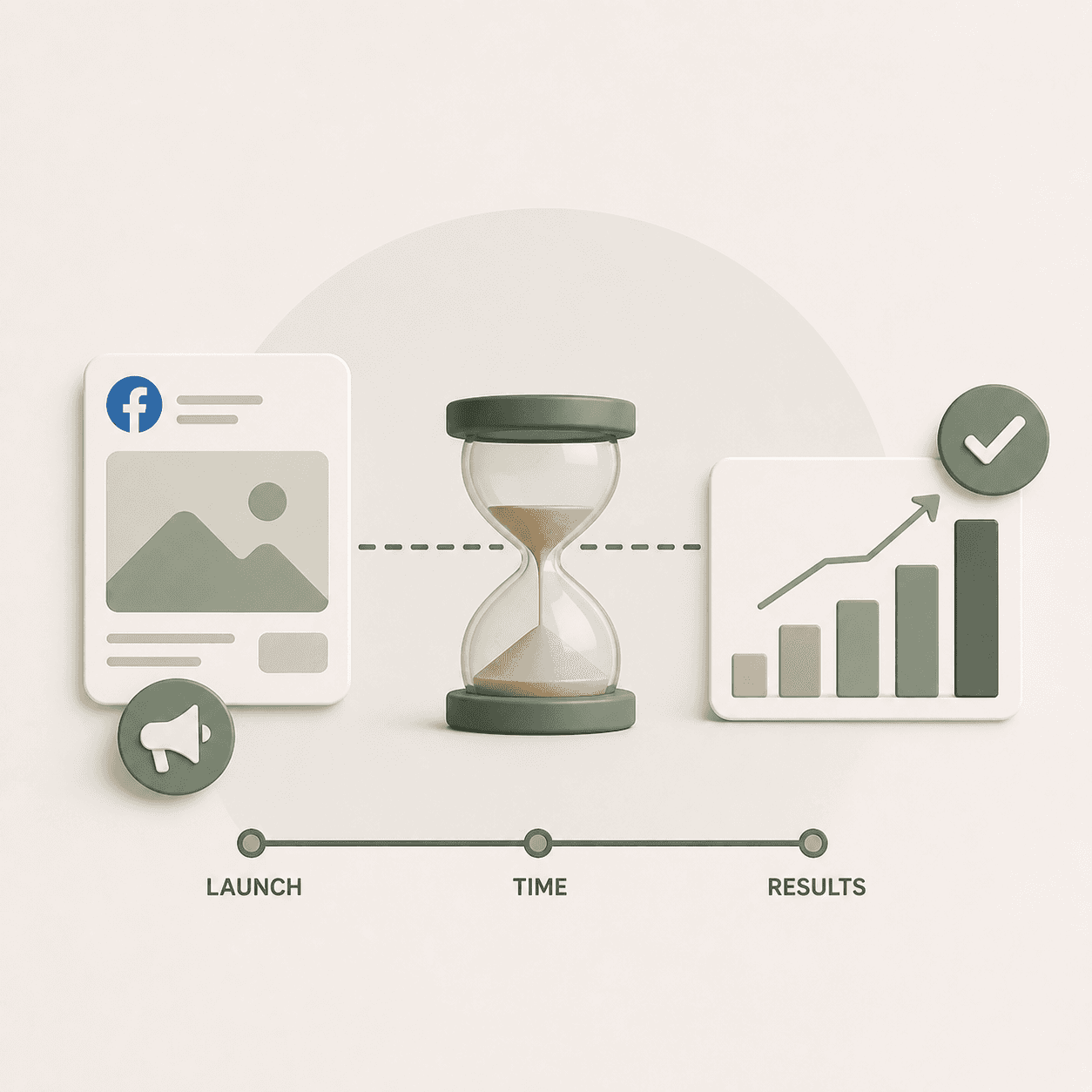
It depends on your daily spend and audience size. At $500/day to a 500,000-person audience, fatigue might take four to six weeks. At $5,000/day to the same audience, you could see fatigue in one to two weeks. Higher spend burns through audiences faster.
Does Meta ad fatigue affect all placements equally?
Feed placements typically fatigue first because they have the highest frequency. Stories and Reels often fatigue slower since users encounter them in different contexts and the experience feels more varied.
Can you reuse a fatigued Meta ad creative after a break?
Yes, after four to eight weeks off, a creative can often be reintroduced successfully. Audience memory fades, and the ad feels fresh again. Performance may not match the original run, but it's worth testing.
Does Meta Advantage+ help reduce ad fatigue automatically?
Advantage+ rotates creative elements, which helps extend life. However, it doesn't solve underlying creative diversity issues. If all your assets are variations of the same concept, Advantage+ can't fix that problem.
What ad spend level requires more frequent creative refreshes?
Higher daily spend burns through audiences faster. Accounts spending $100K+/month typically want new creative every two to three weeks, while accounts at $20K/month might stretch to four to six weeks before fatigue becomes a problem.