Black Friday Cyber Monday Meta Ads Strategy for DTC Brands
Meta Ads
September 21, 2026

Table Of Contents
Black Friday/Cyber Monday (BFCM) is the single highest-CPM, highest-intent week of the year on Meta, and most DTC brands still run it like a normal month with a bigger budget. That's the mistake. CPMs typically climb 20-35% above October baselines during peak BFCM days as every ecommerce brand competes for the same auction inventory, which means the account structure, budget pacing, and creative cadence that worked in Q3 will underperform if you don't adjust for the compressed, high-frequency nature of the week.
This guide breaks down a full BFCM Meta ads strategy for DTC brands: how to structure spend before the sale starts, how to shift your prospecting-to-retargeting ratio as intent rises, how to catch ad fatigue before it erodes ROAS during a high-frequency week, and how to wind down cleanly into December without dragging your blended ROAS with you. If you're still deciding on the fundamentals of your account structure or campaign objectives, start with our guide on every Meta campaign objective explained before layering BFCM tactics on top.
Key Takeaways
Lock your BFCM campaign objective and budget structure 4-6 weeks out. Don't build campaigns during the week you need them to perform.
Shift 10-15% of spend from prospecting to retargeting as the sale window opens; audiences with cart or product-view intent convert at a materially lower CPA during BFCM.
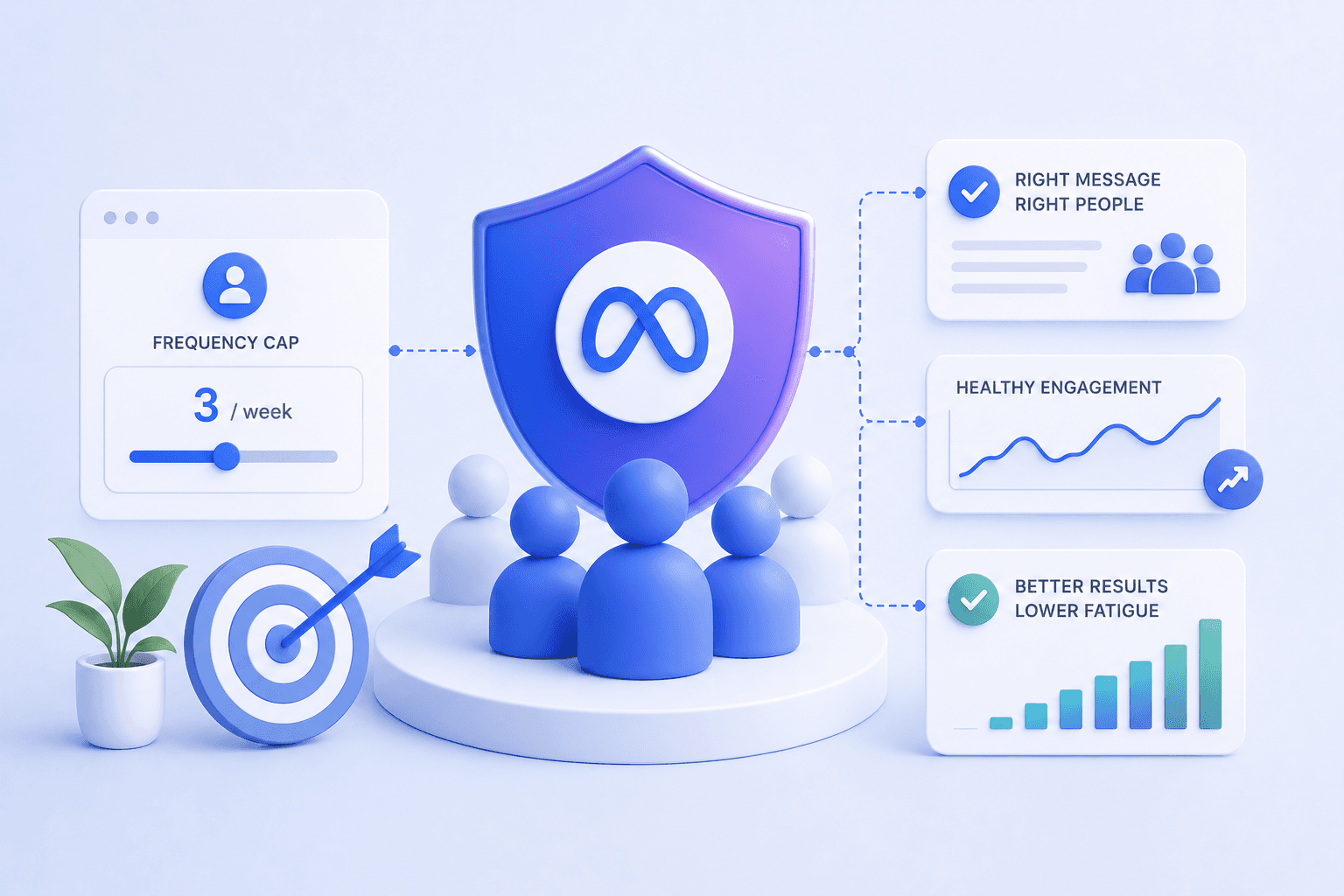
Frequency climbs faster during BFCM because budgets rise while your audience size doesn't. Cap frequency and rotate creative every 3-5 days during the sale window, not monthly.
Abandoned cart ads convert differently during BFCM: urgency and discount messaging outperform generic reminders because shoppers are already comparison-hunting.
Scale winning ad sets in 20-30% increments, not by doubling budgets overnight. Overnight jumps reset the algorithm's learning phase mid-sale.
Plan your post-BFCM wind-down before the sale starts. Blended ROAS distortion from BFCM discounting bleeds into December if you don't reset bids and budgets deliberately.
1. Pre-Black Friday Setup (4-6 Weeks Out)
The single biggest driver of BFCM performance is what you do before Black Friday even starts. Brands that build their campaign structure, creative library, and budget plan in early-to-mid November consistently outperform brands that scramble the week of Thanksgiving.
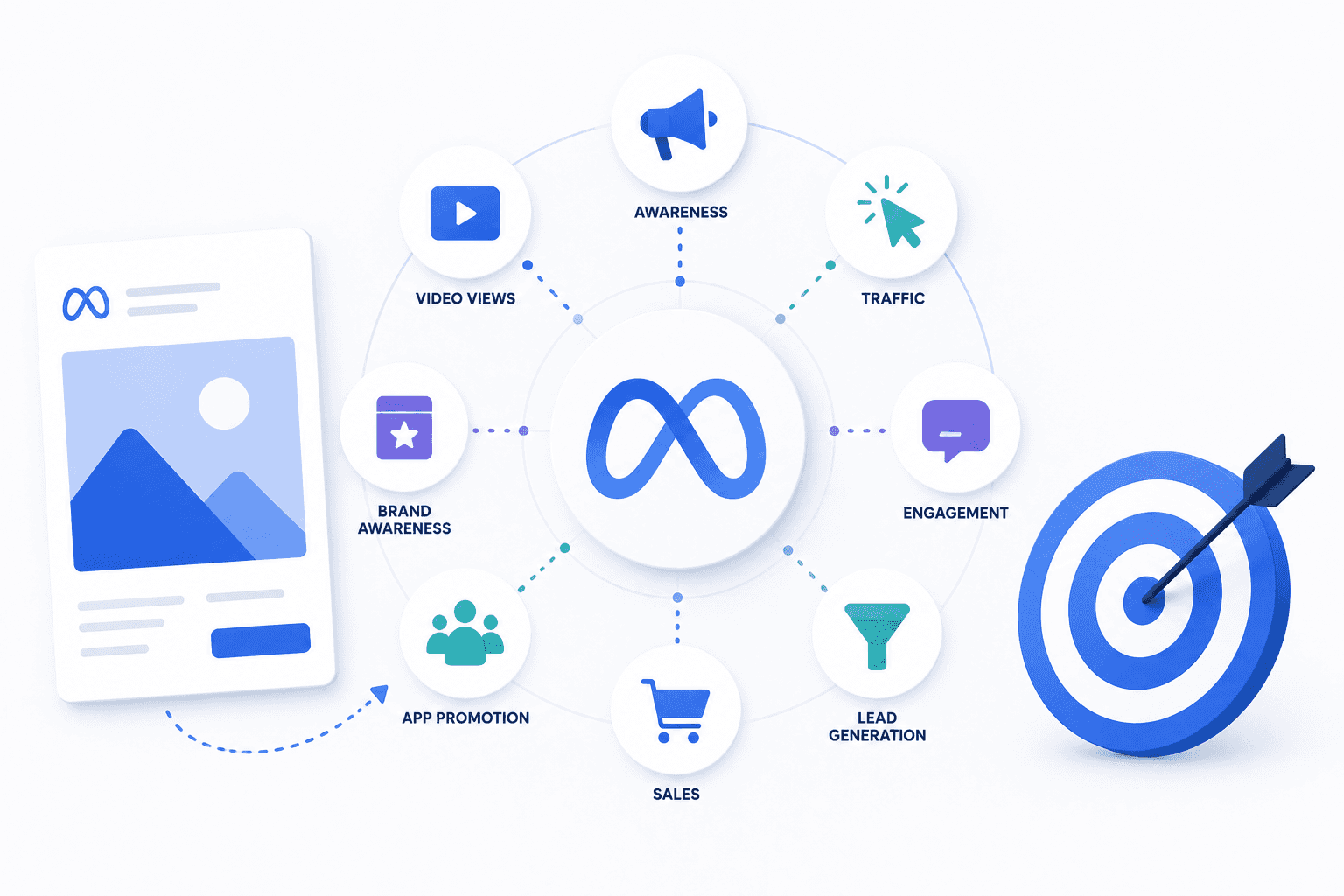
Choose the right campaign objective for peak-intent shoppers. During BFCM, your audience skews toward people actively comparing offers, not people discovering your brand for the first time. This means Conversions or Catalog Sales objectives (paired with Advantage+ Shopping campaigns) typically outperform Traffic or Engagement objectives that you might lean on earlier in the funnel. If you're unsure which objective maps to which stage of intent, our breakdown of every Meta campaign objective explained covers the full decision tree.
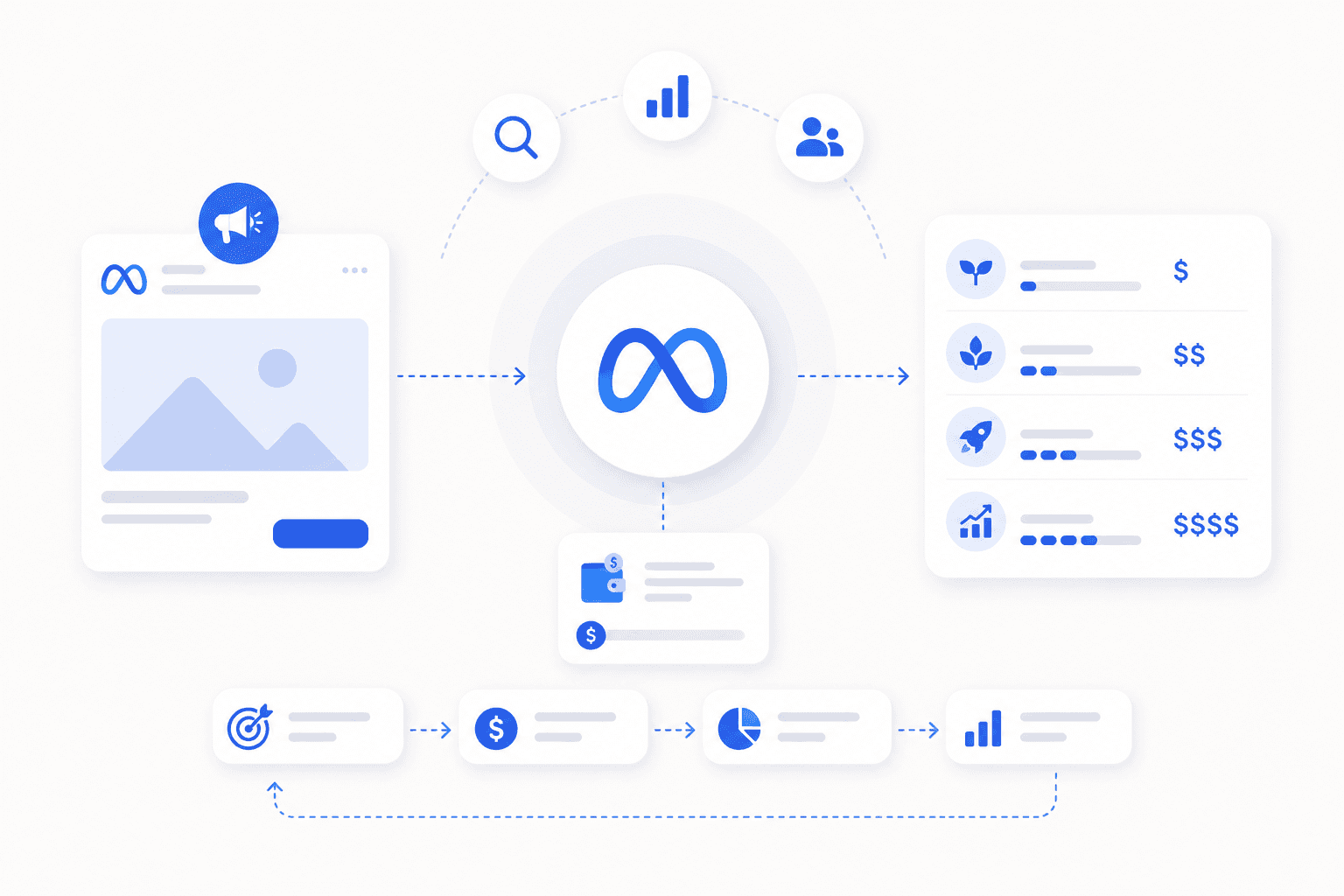
Plan your Q4 budget in three phases, not one lump sum:
Pre-sale (Nov 1-20): 15-20% of your total Q4 budget, used to warm audiences and seed retargeting pools.
BFCM peak (Thanksgiving-Cyber Monday): 40-50% of your total Q4 budget, concentrated into a 5-day window.
Post-sale carryover (Dec 1-15): remaining 30-35%, used to capture procrastinator demand and Cyber Week extension buyers.
If you haven't set a Q4 baseline yet, revisit how to determine your starting Meta ads budget before allocating the phased plan above.
Refresh creative before the surge, not during it. Launching new creative into your highest-traffic week means you're feeding the algorithm's learning phase exactly when you need stable delivery. Have your BFCM creative set (hooks, offer messaging, UGC, discount callouts) locked and running by November 15th so Meta's delivery system has time to optimize before volume spikes.
2. Prospecting vs. Retargeting Allocation During BFCM
Your prospecting-to-retargeting ratio should not stay static across the sale window. As shoppers move from browsing to buying, retargeting inventory (cart abandoners, product viewers, past purchasers) becomes dramatically more efficient than cold prospecting, because you're spending against demand that already exists instead of trying to create it during the most expensive auction week of the year.
Recommended shift: if your steady-state prospecting-to-retargeting split runs 70/30, move to roughly 55/45 to 60/40 during the BFCM peak window. The exact ratio depends on your catalog size and repeat purchase rate, but the direction is consistent: retargeting share should rise as urgency rises.
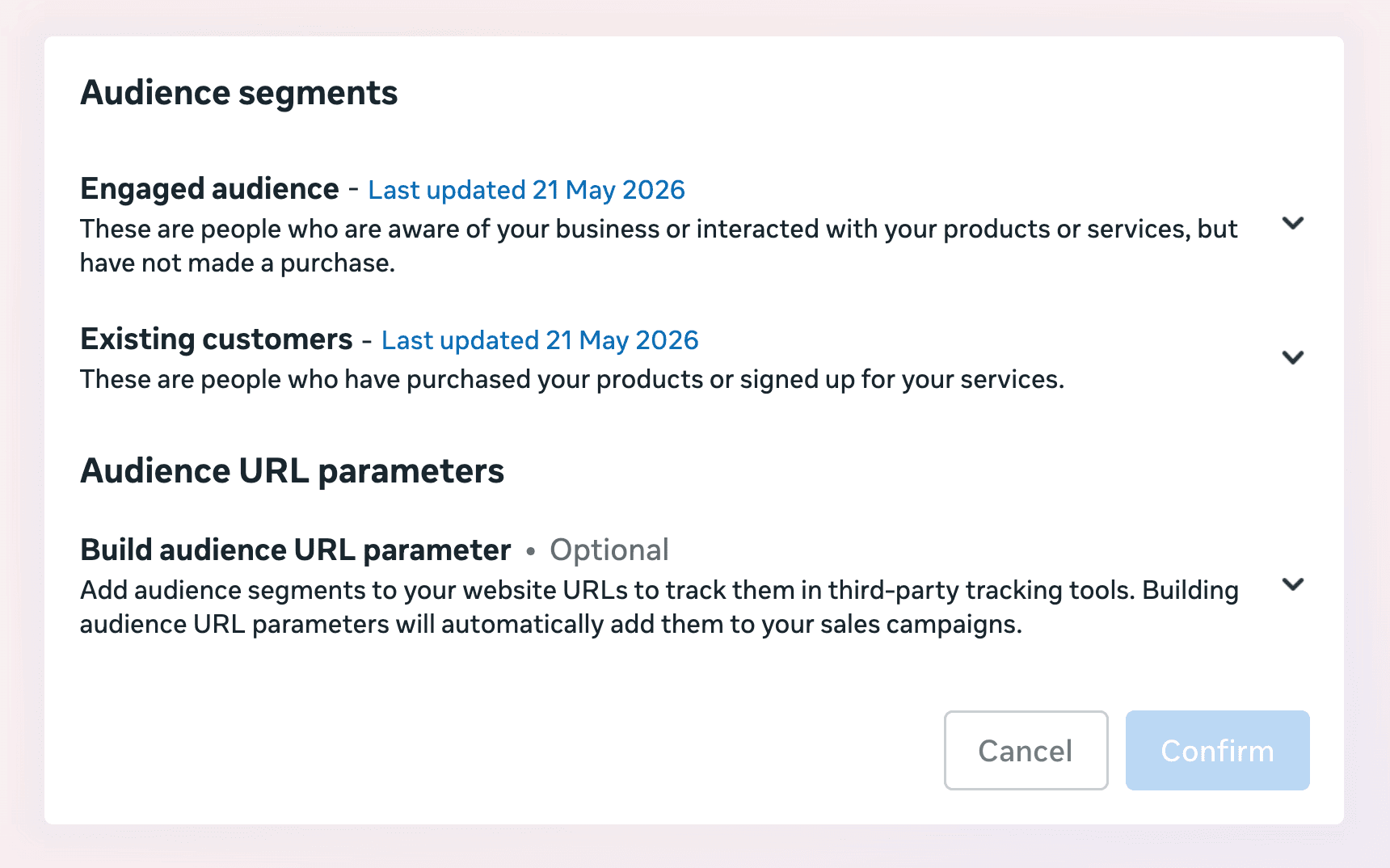
Reallocate in real time, not on a set-and-forget schedule. Check CPA by audience segment daily during BFCM week. If retargeting CPA is running 30%+ below prospecting CPA (common during peak days), shift budget toward retargeting ad sets using Meta's Campaign Budget Optimization or manual budget nudges rather than waiting for a weekly review. For the underlying exclusion logic that keeps these audiences clean, see our guide on the best Meta ads exclusion strategy for prospecting campaigns.
3. Beating Ad Fatigue During High-Frequency BFCM Campaigns
Frequency spikes faster during BFCM than any other week of the year, and it's a math problem, not a strategy problem: budgets go up 2-4x while your addressable audience size stays roughly the same. That combination pushes frequency into fatigue territory (typically above 3-4x/week for prospecting, lower for smaller retargeting pools) much faster than your normal cadence would suggest.
Set frequency caps proactively, not reactively. Cap prospecting frequency at 3x per 7-day window and retargeting frequency at 5x per 7-day window during BFCM specifically. If you're not currently monitoring frequency at the ad set level, our full breakdown on how to identify and fix Meta ad fatigue covers the diagnostic signals (rising CPM, falling CTR, climbing frequency together) that flag fatigue before ROAS drops.
Rotate creative every 3-5 days during the sale window, not monthly like you might during steady-state months. Have a minimum of 4-6 creative variants ready to rotate in in as performance dips on any single asset. Hook variation matters more than full creative overhauls here: swapping the first 3 seconds of a video ad or the headline on a static often resets fatigue signals without needing a brand-new asset.
4. Retargeting Abandoned Carts During the Sale Window
Abandoned cart ads should absolutely run during BFCM, but the creative and offer logic needs to change. Outside of peak season, cart abandonment often means price hesitation or distraction. During BFCM, it usually means active comparison shopping, the customer added to cart, then went to check if a competitor's deal was better.
Lead with urgency and specificity, not generic reminders. "You left something in your cart" underperforms "Your cart is saving 25% until Cyber Monday" during peak sale week because the second version answers the exact question the shopper is asking (is this still the best deal available). Layer in countdown timers or stock-level messaging where honest and applicable.
Shorten your retargeting window during BFCM. A 14-30 day cart abandonment window that works fine in a normal month should compress to 3-5 days during the sale, since the offer itself is time-bound and stale creative pointing to an expired discount actively damages trust. For the full retargeting audience architecture, see ecommerce retargeting ads: the complete guide and the best Facebook ads retargeting strategy.
5. Scaling Spend Without Tanking ROAS
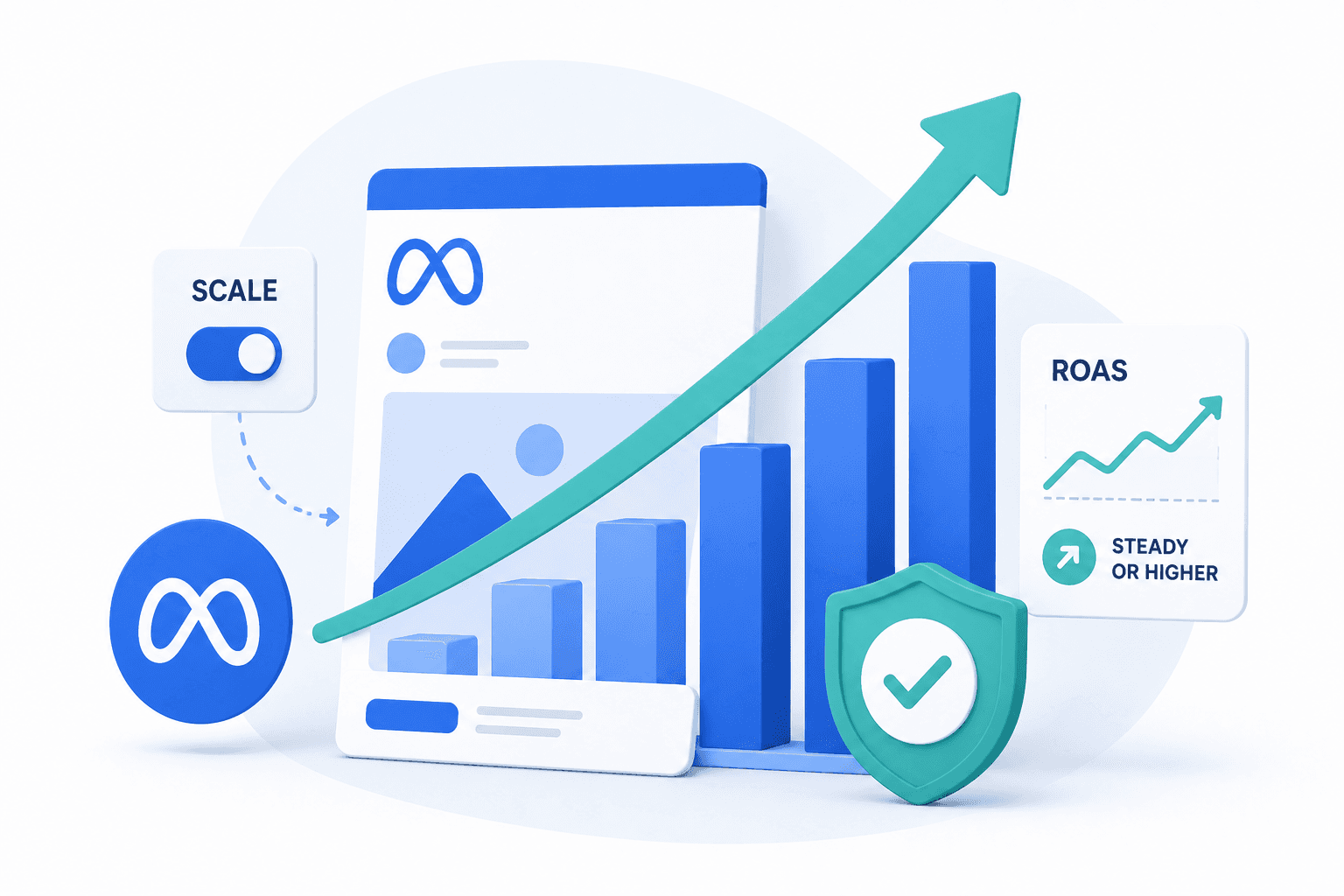
The instinct during a high-performing BFCM day is to double budgets immediately. Don't. Meta's delivery algorithm treats large, sudden budget increases (generally anything above 20-30% in a single adjustment) as a trigger to re-enter the learning phase, which temporarily degrades delivery efficiency at exactly the moment you need it to be stable.
Scale in 20-30% increments, spaced at least 24-48 hours apart, and only on ad sets that are already clearing your target ROAS with statistically meaningful spend (not a handful of conversions). If you need a refresher on setting that target number correctly, see determining your target ROAS.
Watch blended ROAS, not just platform-reported ROAS, while scaling. BFCM discounting compresses margin per order, which means a platform ROAS that looks stable can mask a declining contribution margin. If your ROAS starts sliding even after incremental scaling, work through our diagnostic in how to fix Meta ads declining ROAS for a mature DTC brand before assuming it's purely a fatigue or budget-pacing issue.
6. Post-BFCM Wind-Down
The week after Cyber Monday is where a lot of DTC brands lose ground they built during the sale, either by holding BFCM-level budgets too long into a lower-intent period, or by cutting spend so abruptly that retargeting pools go cold before December demand picks back up.
Reduce budgets in stages, mirroring how you scaled up. Pull back prospecting spend first (lowest efficiency post-sale), then taper retargeting spend over the following 5-7 days as cart and browse abandonment volume naturally declines.
Reset your bid strategy and let the algorithm relearn steady-state patterns. BFCM-optimized bid caps and cost targets tuned for a discount-driven, high-urgency audience will misfire against your normal December buyer. Give campaigns a short relearning window rather than assuming BFCM settings carry over cleanly.
Protect blended ROAS reporting into December by segmenting BFCM-driven orders from steady-state orders in your attribution view. This keeps your December decision-making clean instead of chasing a distorted average pulled up (or down) by one anomalous week. See our Meta ads performance benchmarks by industry piece for what a realistic non-peak baseline should look like once the reset settles in.
Black Friday/Cyber Monday (BFCM) is the single highest-CPM, highest-intent week of the year on Meta, and most DTC brands still run it like a normal month with a bigger budget. That's the mistake. CPMs typically climb 20-35% above October baselines during peak BFCM days as every ecommerce brand competes for the same auction inventory, which means the account structure, budget pacing, and creative cadence that worked in Q3 will underperform if you don't adjust for the compressed, high-frequency nature of the week.
This guide breaks down a full BFCM Meta ads strategy for DTC brands: how to structure spend before the sale starts, how to shift your prospecting-to-retargeting ratio as intent rises, how to catch ad fatigue before it erodes ROAS during a high-frequency week, and how to wind down cleanly into December without dragging your blended ROAS with you. If you're still deciding on the fundamentals of your account structure or campaign objectives, start with our guide on every Meta campaign objective explained before layering BFCM tactics on top.
Key Takeaways
Lock your BFCM campaign objective and budget structure 4-6 weeks out. Don't build campaigns during the week you need them to perform.
Shift 10-15% of spend from prospecting to retargeting as the sale window opens; audiences with cart or product-view intent convert at a materially lower CPA during BFCM.
Frequency climbs faster during BFCM because budgets rise while your audience size doesn't. Cap frequency and rotate creative every 3-5 days during the sale window, not monthly.
Abandoned cart ads convert differently during BFCM: urgency and discount messaging outperform generic reminders because shoppers are already comparison-hunting.
Scale winning ad sets in 20-30% increments, not by doubling budgets overnight. Overnight jumps reset the algorithm's learning phase mid-sale.
Plan your post-BFCM wind-down before the sale starts. Blended ROAS distortion from BFCM discounting bleeds into December if you don't reset bids and budgets deliberately.
1. Pre-Black Friday Setup (4-6 Weeks Out)
The single biggest driver of BFCM performance is what you do before Black Friday even starts. Brands that build their campaign structure, creative library, and budget plan in early-to-mid November consistently outperform brands that scramble the week of Thanksgiving.
Choose the right campaign objective for peak-intent shoppers. During BFCM, your audience skews toward people actively comparing offers, not people discovering your brand for the first time. This means Conversions or Catalog Sales objectives (paired with Advantage+ Shopping campaigns) typically outperform Traffic or Engagement objectives that you might lean on earlier in the funnel. If you're unsure which objective maps to which stage of intent, our breakdown of every Meta campaign objective explained covers the full decision tree.
Plan your Q4 budget in three phases, not one lump sum:
Pre-sale (Nov 1-20): 15-20% of your total Q4 budget, used to warm audiences and seed retargeting pools.
BFCM peak (Thanksgiving-Cyber Monday): 40-50% of your total Q4 budget, concentrated into a 5-day window.
Post-sale carryover (Dec 1-15): remaining 30-35%, used to capture procrastinator demand and Cyber Week extension buyers.
If you haven't set a Q4 baseline yet, revisit how to determine your starting Meta ads budget before allocating the phased plan above.
Refresh creative before the surge, not during it. Launching new creative into your highest-traffic week means you're feeding the algorithm's learning phase exactly when you need stable delivery. Have your BFCM creative set (hooks, offer messaging, UGC, discount callouts) locked and running by November 15th so Meta's delivery system has time to optimize before volume spikes.
2. Prospecting vs. Retargeting Allocation During BFCM
Your prospecting-to-retargeting ratio should not stay static across the sale window. As shoppers move from browsing to buying, retargeting inventory (cart abandoners, product viewers, past purchasers) becomes dramatically more efficient than cold prospecting, because you're spending against demand that already exists instead of trying to create it during the most expensive auction week of the year.
Recommended shift: if your steady-state prospecting-to-retargeting split runs 70/30, move to roughly 55/45 to 60/40 during the BFCM peak window. The exact ratio depends on your catalog size and repeat purchase rate, but the direction is consistent: retargeting share should rise as urgency rises.
Reallocate in real time, not on a set-and-forget schedule. Check CPA by audience segment daily during BFCM week. If retargeting CPA is running 30%+ below prospecting CPA (common during peak days), shift budget toward retargeting ad sets using Meta's Campaign Budget Optimization or manual budget nudges rather than waiting for a weekly review. For the underlying exclusion logic that keeps these audiences clean, see our guide on the best Meta ads exclusion strategy for prospecting campaigns.
3. Beating Ad Fatigue During High-Frequency BFCM Campaigns
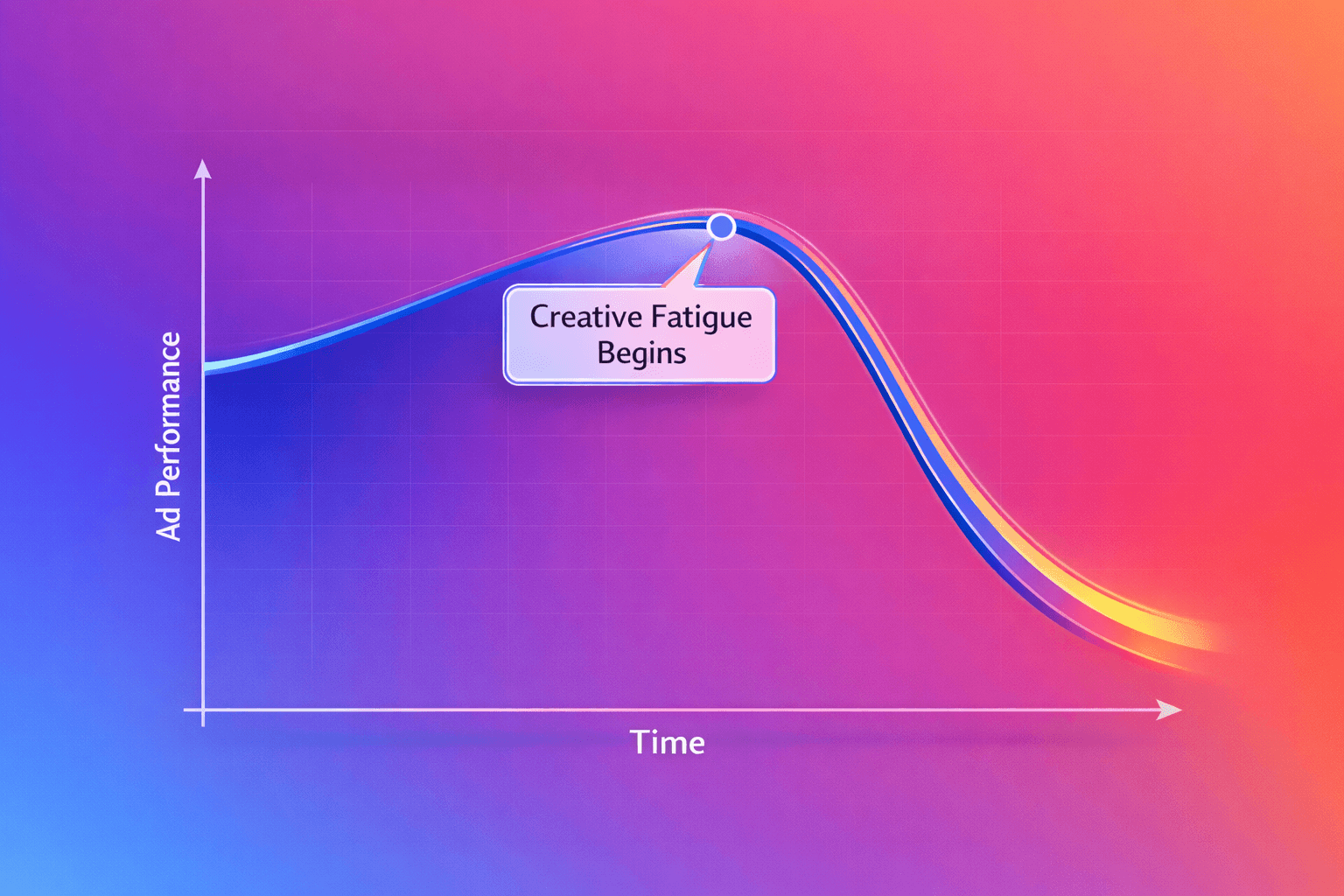
Frequency spikes faster during BFCM than any other week of the year, and it's a math problem, not a strategy problem: budgets go up 2-4x while your addressable audience size stays roughly the same. That combination pushes frequency into fatigue territory (typically above 3-4x/week for prospecting, lower for smaller retargeting pools) much faster than your normal cadence would suggest.
Set frequency caps proactively, not reactively. Cap prospecting frequency at 3x per 7-day window and retargeting frequency at 5x per 7-day window during BFCM specifically. If you're not currently monitoring frequency at the ad set level, our full breakdown on how to identify and fix Meta ad fatigue covers the diagnostic signals (rising CPM, falling CTR, climbing frequency together) that flag fatigue before ROAS drops.
Rotate creative every 3-5 days during the sale window, not monthly like you might during steady-state months. Have a minimum of 4-6 creative variants ready to rotate in in as performance dips on any single asset. Hook variation matters more than full creative overhauls here: swapping the first 3 seconds of a video ad or the headline on a static often resets fatigue signals without needing a brand-new asset.
4. Retargeting Abandoned Carts During the Sale Window
Abandoned cart ads should absolutely run during BFCM, but the creative and offer logic needs to change. Outside of peak season, cart abandonment often means price hesitation or distraction. During BFCM, it usually means active comparison shopping, the customer added to cart, then went to check if a competitor's deal was better.
Lead with urgency and specificity, not generic reminders. "You left something in your cart" underperforms "Your cart is saving 25% until Cyber Monday" during peak sale week because the second version answers the exact question the shopper is asking (is this still the best deal available). Layer in countdown timers or stock-level messaging where honest and applicable.
Shorten your retargeting window during BFCM. A 14-30 day cart abandonment window that works fine in a normal month should compress to 3-5 days during the sale, since the offer itself is time-bound and stale creative pointing to an expired discount actively damages trust. For the full retargeting audience architecture, see ecommerce retargeting ads: the complete guide and the best Facebook ads retargeting strategy.
5. Scaling Spend Without Tanking ROAS
The instinct during a high-performing BFCM day is to double budgets immediately. Don't. Meta's delivery algorithm treats large, sudden budget increases (generally anything above 20-30% in a single adjustment) as a trigger to re-enter the learning phase, which temporarily degrades delivery efficiency at exactly the moment you need it to be stable.
Scale in 20-30% increments, spaced at least 24-48 hours apart, and only on ad sets that are already clearing your target ROAS with statistically meaningful spend (not a handful of conversions). If you need a refresher on setting that target number correctly, see determining your target ROAS.
Watch blended ROAS, not just platform-reported ROAS, while scaling. BFCM discounting compresses margin per order, which means a platform ROAS that looks stable can mask a declining contribution margin. If your ROAS starts sliding even after incremental scaling, work through our diagnostic in how to fix Meta ads declining ROAS for a mature DTC brand before assuming it's purely a fatigue or budget-pacing issue.
6. Post-BFCM Wind-Down
The week after Cyber Monday is where a lot of DTC brands lose ground they built during the sale, either by holding BFCM-level budgets too long into a lower-intent period, or by cutting spend so abruptly that retargeting pools go cold before December demand picks back up.
Reduce budgets in stages, mirroring how you scaled up. Pull back prospecting spend first (lowest efficiency post-sale), then taper retargeting spend over the following 5-7 days as cart and browse abandonment volume naturally declines.
Reset your bid strategy and let the algorithm relearn steady-state patterns. BFCM-optimized bid caps and cost targets tuned for a discount-driven, high-urgency audience will misfire against your normal December buyer. Give campaigns a short relearning window rather than assuming BFCM settings carry over cleanly.
Protect blended ROAS reporting into December by segmenting BFCM-driven orders from steady-state orders in your attribution view. This keeps your December decision-making clean instead of chasing a distorted average pulled up (or down) by one anomalous week. See our Meta ads performance benchmarks by industry piece for what a realistic non-peak baseline should look like once the reset settles in.
Want this playbook run for you? We've done it dozens of times.
Book a call and get a free growth strategy audit today.
FAQs
How much should I increase my Meta ads budget for Black Friday/Cyber Monday?
Most DTC brands allocate 40-50% of their total Q4 Meta ads budget to the 5-day BFCM peak window (Thanksgiving through Cyber Monday), with the remainder split between pre-sale audience warming and post-sale carryover demand.
What campaign objective should I use for Black Friday Meta ads?
Conversions or Catalog Sales objectives, run through Advantage+ Shopping campaigns, generally outperform Traffic or Engagement objectives during BFCM because the audience is already in a comparison-and-purchase mindset rather than a discovery mindset.
Should I run abandoned cart ads during Black Friday?
Yes, but shorten the retargeting window to 3-5 days and shift the creative from generic reminders to urgency- and discount-specific messaging, since BFCM cart abandonment usually reflects active comparison shopping rather than simple distraction.
How do I prevent ad fatigue during high-budget BFCM campaigns?
Cap prospecting frequency at roughly 3x per 7-day window and retargeting frequency at roughly 5x per 7-day window, and rotate creative every 3-5 days during the sale, since BFCM budget spikes push frequency up faster than your normal monthly cadence.
How quickly can I scale Meta ad spend during Black Friday without hurting ROAS?
Scale in 20-30% increments spaced at least 24-48 hours apart. Larger, sudden increases tend to trigger Meta's learning phase again, which temporarily degrades delivery efficiency during the exact window you need stability most.
How long should I keep BFCM budgets and bids running after Cyber Monday?
Wind down over 5-7 days rather than cutting immediately: pull back prospecting spend first, then taper retargeting spend as cart and browse abandonment volume declines, and reset bid strategies to let the algorithm relearn steady-state buyer patterns.
Conclusion
BFCM rewards DTC brands that treat it as a distinct operating mode, not a bigger version of a normal month. Lock your budget phasing and creative library weeks in advance, shift your prospecting-to-retargeting mix as intent rises, cap frequency before fatigue erodes ROAS, and give yourself a deliberate wind-down plan so December doesn't inherit a distorted account. Get those five decisions right and BFCM becomes your highest-efficiency week of the year instead of your most chaotic one.
Related Posts
Related Posts
Related Posts
Related Posts




















































Ready to talk?
Book A Call
New York, NY 11217
hello@flighted.co
© Flighted, 2026
Ready to talk?
Book A Call
New York, NY 11217
hello@flighted.co
© Flighted, 2026