Every Meta Campaign Objective Explained for 2026
Meta Ads
June 2, 2026
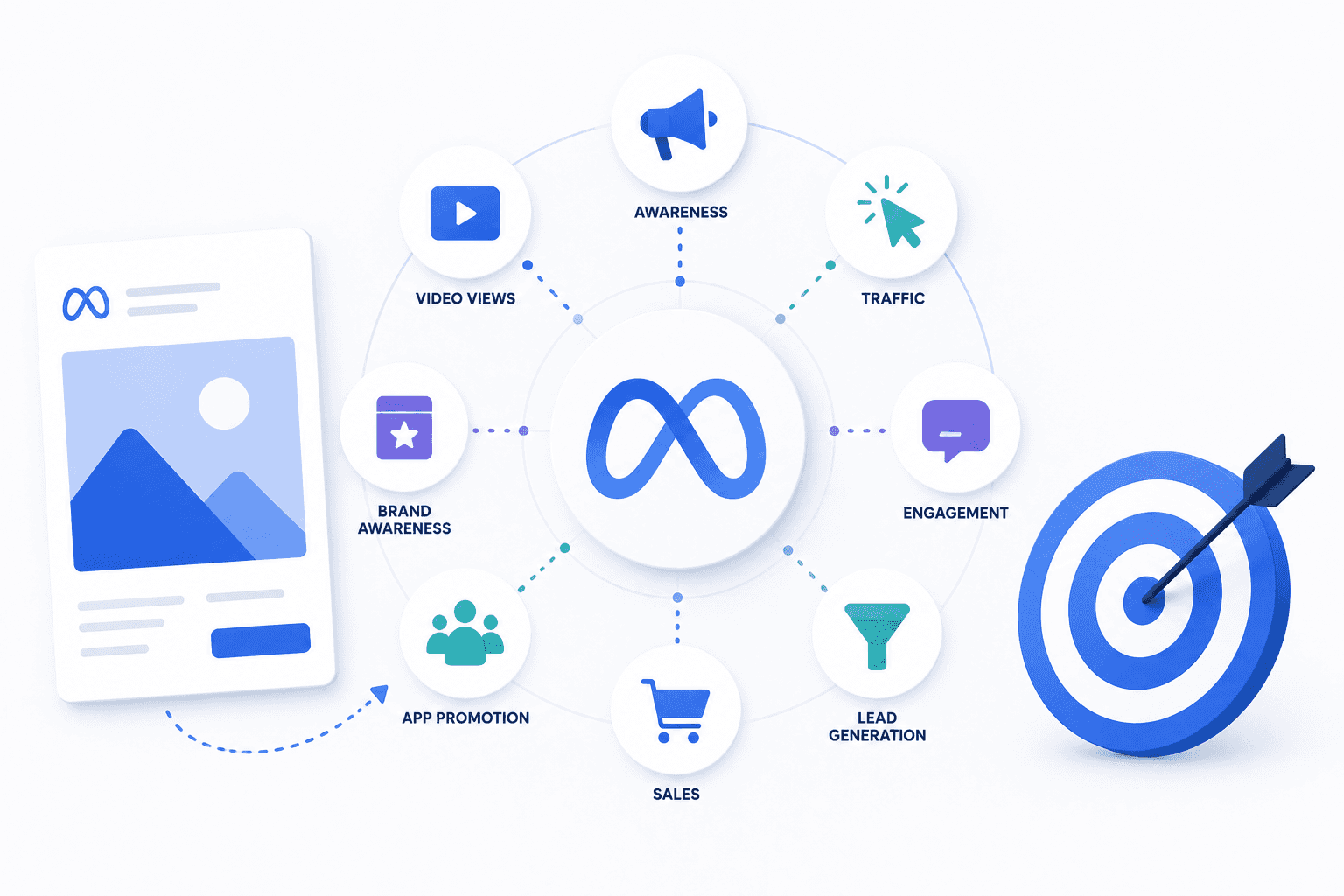
Table Of Contents
Looking for Meta ads support?
We're a small, hardworking US-based team. Book a call and get a free audit today.
What campaign objective should B2B SaaS use?
If you're running Meta Ads for a B2B SaaS company, default to Leads with Conversion Leads optimization. Do not optimize for raw Instant Form submissions alone. That attracts volume without quality.
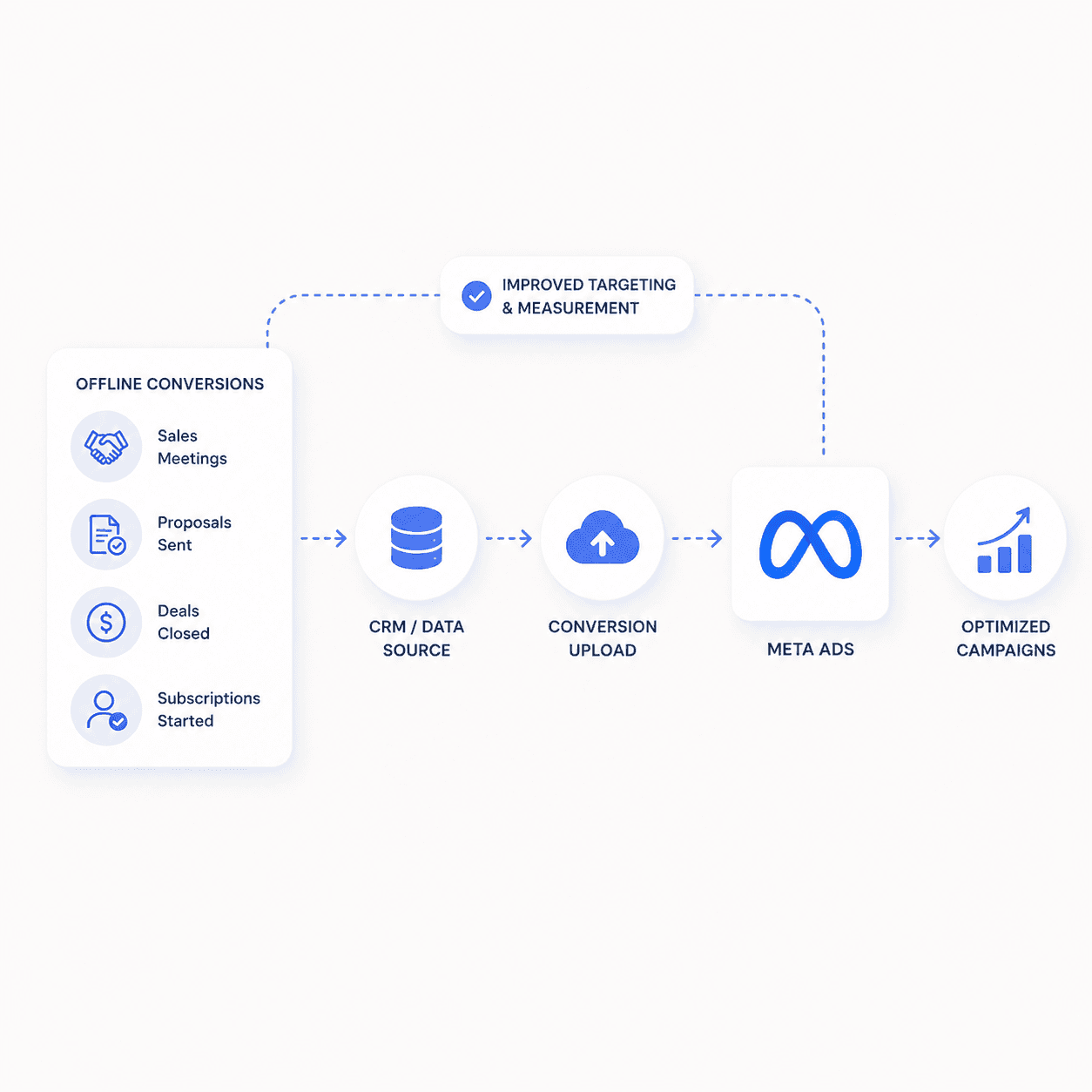
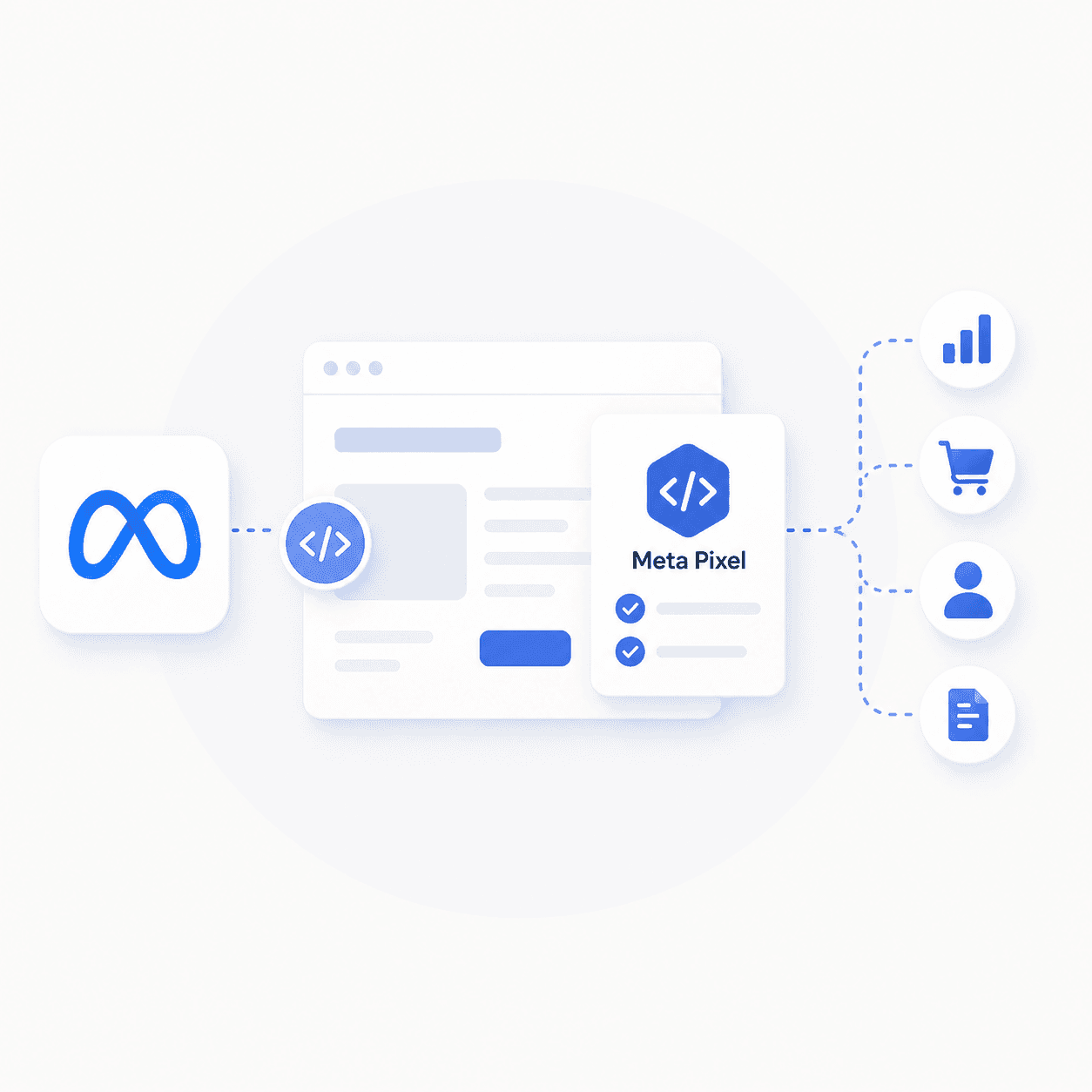
The key is feeding Meta a qualified-lead signal from your CRM. Set up two conversion events at minimum:
Lead event: Fires when someone books a demo or starts a free trial. This is your volume signal.
Qualified Lead event: Fires only for good-fit prospects. Send it server-side through CAPI when a lead hits a CRM stage like MQL, SQL, or Closed-Won, or qualify in-session on a form field via the pixel (for example, an annual-revenue or employee-count dropdown).
Define "qualified" as a business threshold, not a marketing one. You might only count a lead that reports annual revenue of $500,000 or more. That way Meta's algorithm learns the difference between people who convert and people who convert and are actually good fits.
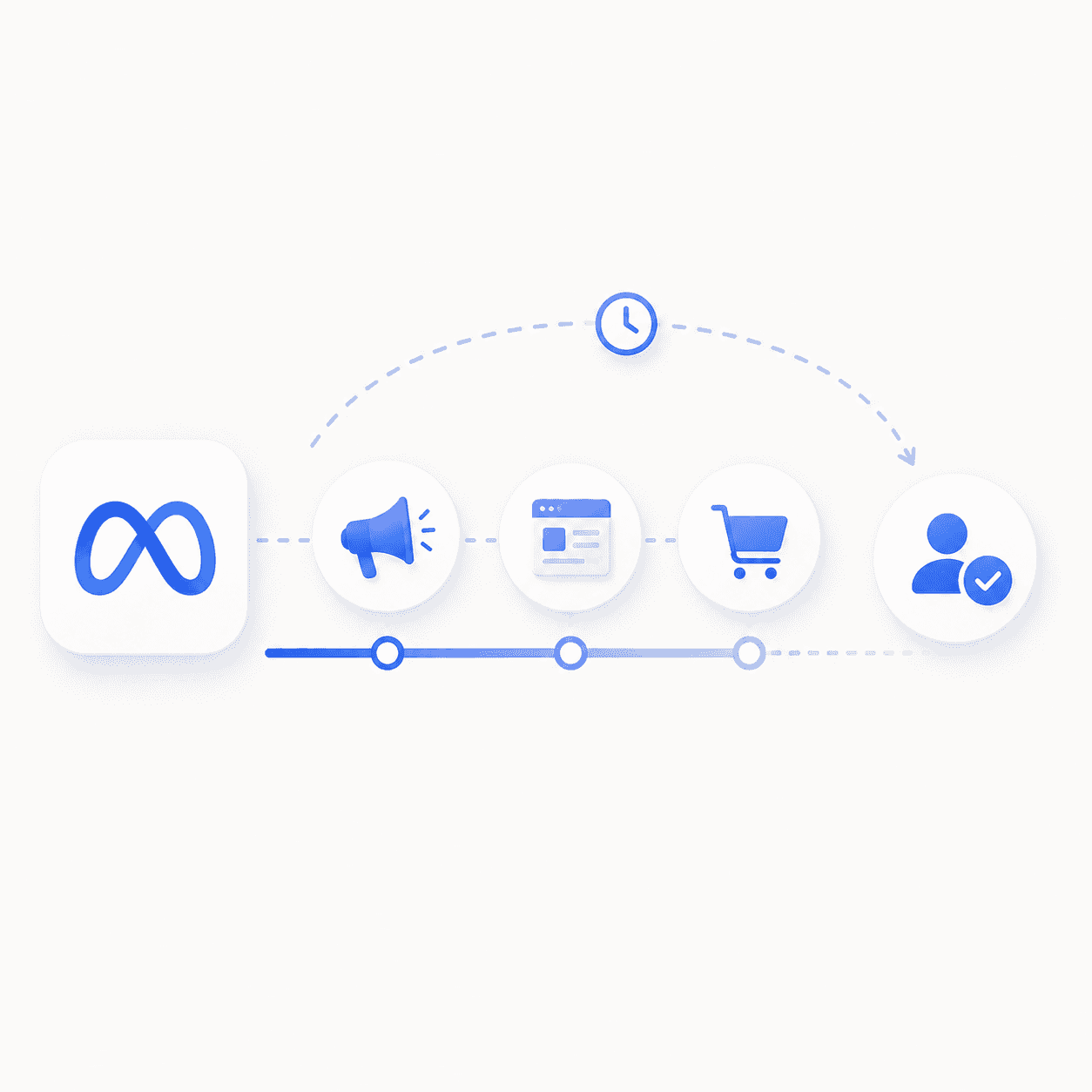
Why does this matter so much for SaaS? According to Optifai's 2026 Pipeline Study, the median B2B SaaS sales cycle runs 84 days. Your buyer will not convert in the session, so optimizing for raw form fills trains Meta to find cheap, low-intent leads instead of pipeline.
Use Sales instead when your primary conversion, a booked demo or free-trial signup, fires on-site and you can sustain around 50 conversions per week. Below that volume, stay on Leads with Conversion Leads optimization. For how the objective fits the wider journey, see our guide to full-funnel B2B SaaS strategy, and to close the loop, read how to measure qualified pipeline from Meta Ads.
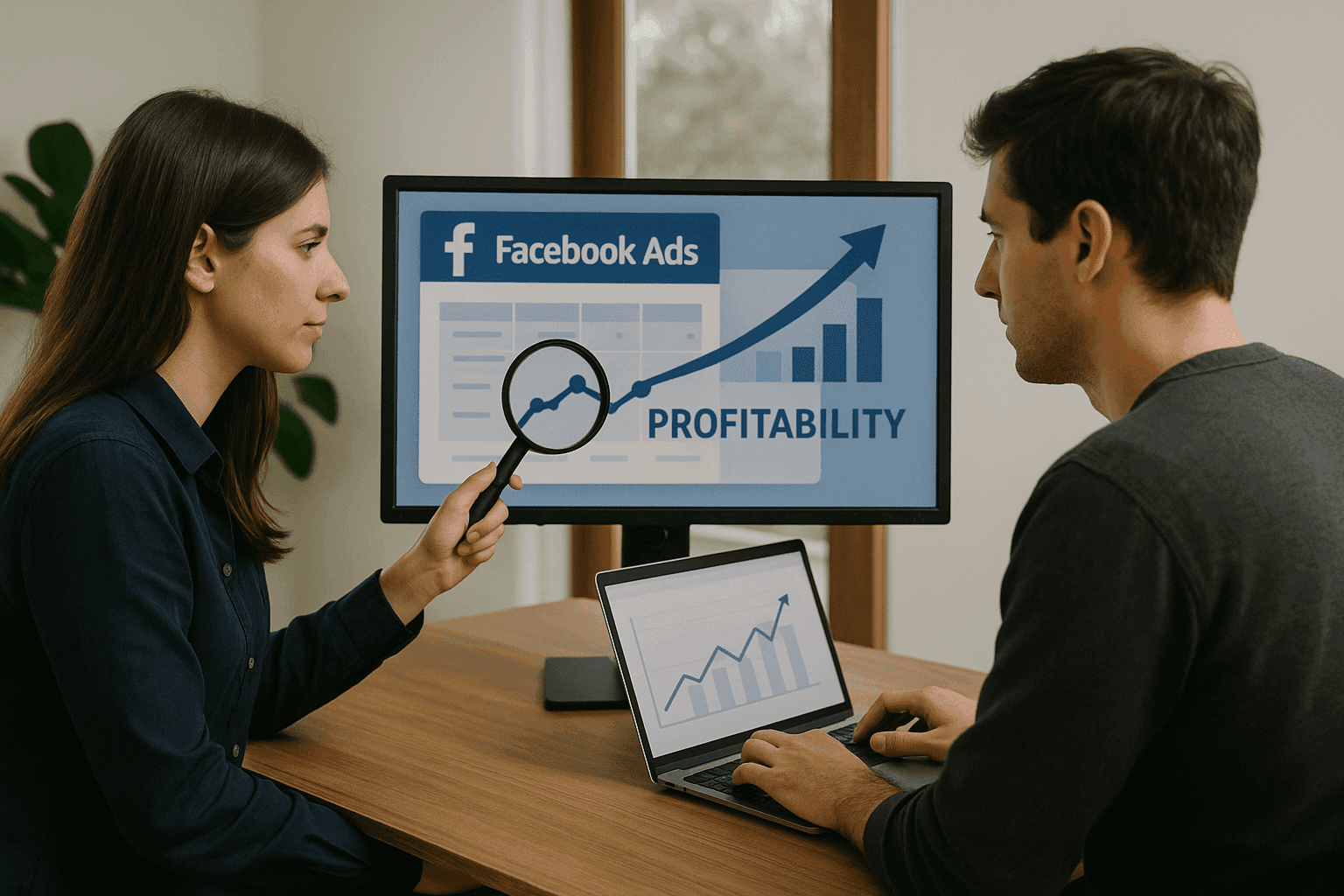
At Flighted, we run Paid Media Expertise, Creative Strategy, and Landing Page Optimization together on Meta so the objective, the creative, and the page all point at the same qualified event. For B2B SaaS client Tie, that combined approach drove a 5x Pipeline ROAS and profitability within 30 days.
Common mistakes when picking a Meta ads campaign objective
Running Traffic when you actually need Sales
This is the most common mistake we see. Traffic optimizes for clicks, not purchases. See Meta Ads account structure best practices to avoid this and other structural errors.
Meta will show your ad to people who click on everything and buy nothing. If your goal is revenue, choose Sales, even if CPM is 2-3x higher.
Using Engagement as a cheap proxy for Reach
Engagement campaigns attract people who like and comment but rarely convert. If you want broad reach, use Awareness with Reach optimization instead. Engagement audiences tend to be low-quality for downstream conversion campaigns.
Picking Leads without a qualified lead definition
Optimizing for Instant Form submissions without defining lead quality gets you volume, but volume of tire-kickers. Use Conversion Leads optimization with CRM feedback, or expect to spend significant time filtering unqualified leads manually.
Optimizing for the wrong conversion event inside Sales
Within Sales, you can optimize for View Content, Add to Cart, Initiate Checkout, or Purchase. Optimizing for Add to Cart when you want Purchase attracts window shoppers. Always optimize for the furthest-down-funnel event you can sustain around 50 weekly conversions for.
How campaign objective choice affects creative and landing pages
Your campaign objective Meta Ads selection doesn't exist in isolation. It directly shapes what creative formats work and what your landing page accomplishes.
Awareness: Video-first creative, brand storytelling, no hard CTA required
Traffic: Clear CTA in creative, landing page loads fast (Landing Page Views penalizes slow pages)
Leads: Creative sets expectations for the form, landing page can be skipped if using Instant Forms
Sales: Direct-response creative with strong offer, landing page is conversion-optimized with clear purchase path
At Flighted, we treat Paid Media, Creative Strategy, and Landing Page Optimization as interdependent. Your objective choice informs your creative brief and page design, not the other way around.
Book a call with Flighted to see how we approach full-funnel performance across all three.
Frequently asked questions about Meta ads campaign objectives
Which Meta campaign objective should B2B SaaS companies use?
Use Leads with Conversion Leads optimization tied to a CRM-fed qualified-lead signal. Send both a Lead event (demo booked or trial started) and a Qualified Lead event (MQL, SQL, or Closed-Won via CAPI) so Meta learns who your good-fit prospects are. Optimize for that qualified event, not raw form fills. Switch to Sales only when your demo or trial conversion fires on-site and you can sustain around 50 conversions per week.
Can you change a Meta campaign objective after launch?
No. You cannot change the objective of a live campaign. To switch objectives, duplicate the campaign and select a new objective on the copy.
Which Meta campaign objective works best for ecommerce brands?
Sales is the default for ecommerce. Optimize for Purchase if you have enough conversion volume, around 50 per week per ad set. If not, start with Add to Cart and graduate to Purchase as volume increases.
Does Advantage Plus Shopping replace picking a campaign objective?
No. Advantage+ Shopping Campaigns (ASC) still use the Sales objective under the hood. ASC automates audience and placement selection — Meta reports it delivers 17% lower cost per purchase versus manual campaigns — but you're still optimizing for conversions within the Sales objective.
How does Meta campaign objective affect CPA and ROAS?
Your objective determines who Meta targets. Sales targets likely buyers, which means higher CPM but lower cost per acquisition (CPA) when measuring purchases.
Traffic targets clickers, which means lower CPM but higher effective CPA if you're measuring purchases. Always measure CPA and ROAS against your actual goal, not the objective's native metric.
Can you run multiple campaign objectives at the same time?
Yes, if you have budget to support a full-funnel strategy. Run Awareness or Traffic for prospecting and Sales for conversion.
However, do not split limited budget across too many objectives. If you're under $10,000 per month, focus on one or two objectives maximum.