Ecommerce Retargeting Ads: The Complete Guide for 2026
Meta Ads
June 2, 2026
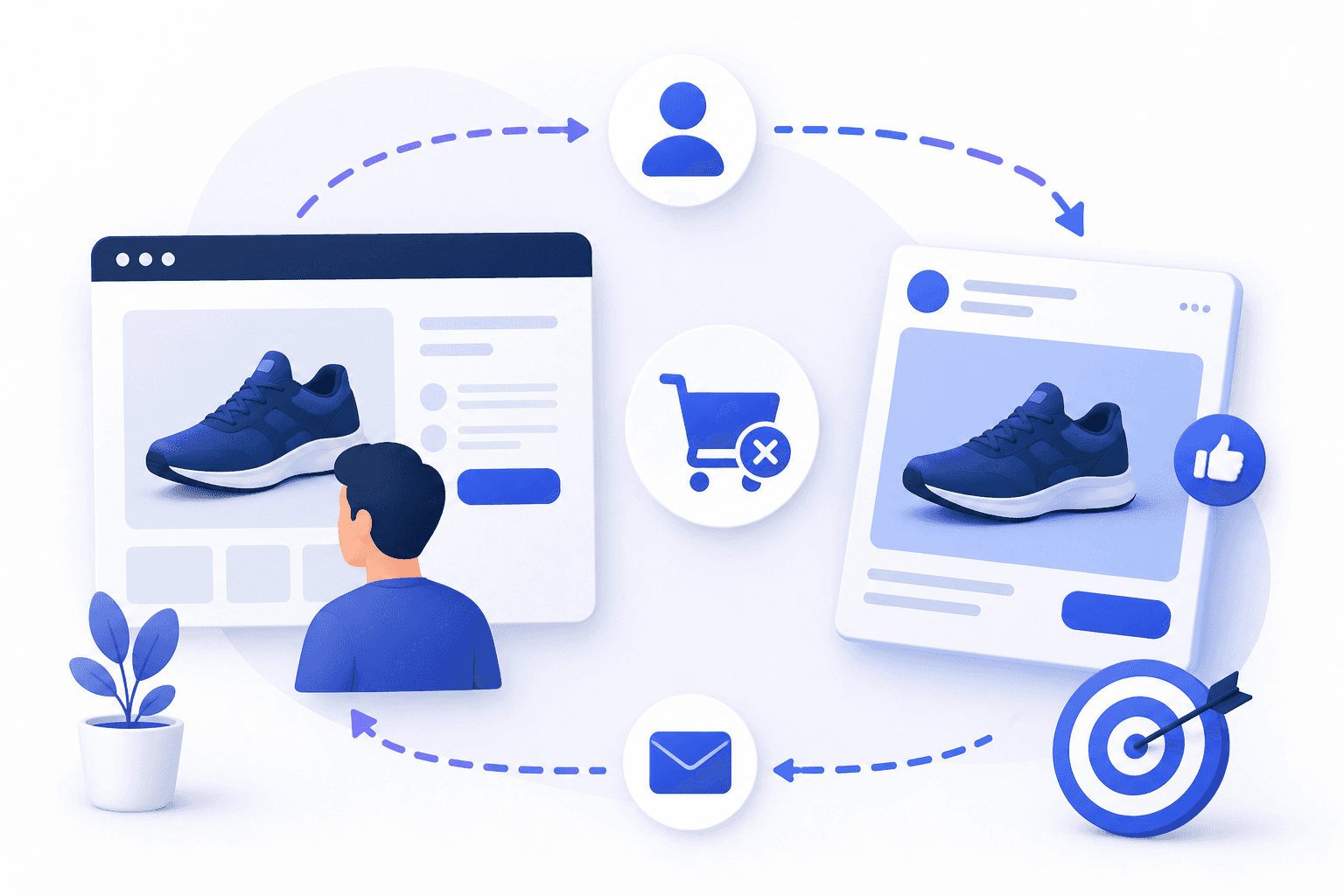
Table Of Contents
Most visitors leave your site without buying. That's not a failure—it's an opportunity. Ecommerce retargeting ads let you reach those visitors again across Meta, Google, and TikTok with personalized ads that remind them what they left behind.
This guide covers how retargeting works, how to segment audiences by funnel stage, and which creative formats convert. It also covers how to measure whether your campaigns are driving incremental revenue.
Key Takeaways
Ecommerce retargeting ads are paid campaigns that re-engage users who visited your site but left without purchasing.
Retargeting converts at higher rates than cold traffic because you're reaching people already familiar with your brand.
Segmenting audiences by funnel stage allows you to match creative to intent level.
Creative fatigue kills retargeting performance, so rotating ads every 10–14 days keeps campaigns fresh.
Measuring incrementality, not just ROAS, tells you whether retargeting is actually driving new revenue.
What Are Ecommerce Retargeting Ads
Ecommerce retargeting ads are paid campaigns that re-engage users who previously visited your website but left without making a purchase. By tracking user behavior with platform pixels, brands deliver personalized ads showing the exact products someone viewed. The goal is simple: bring warm visitors back to complete the purchase they almost made.
The mechanics rely on three components working together:
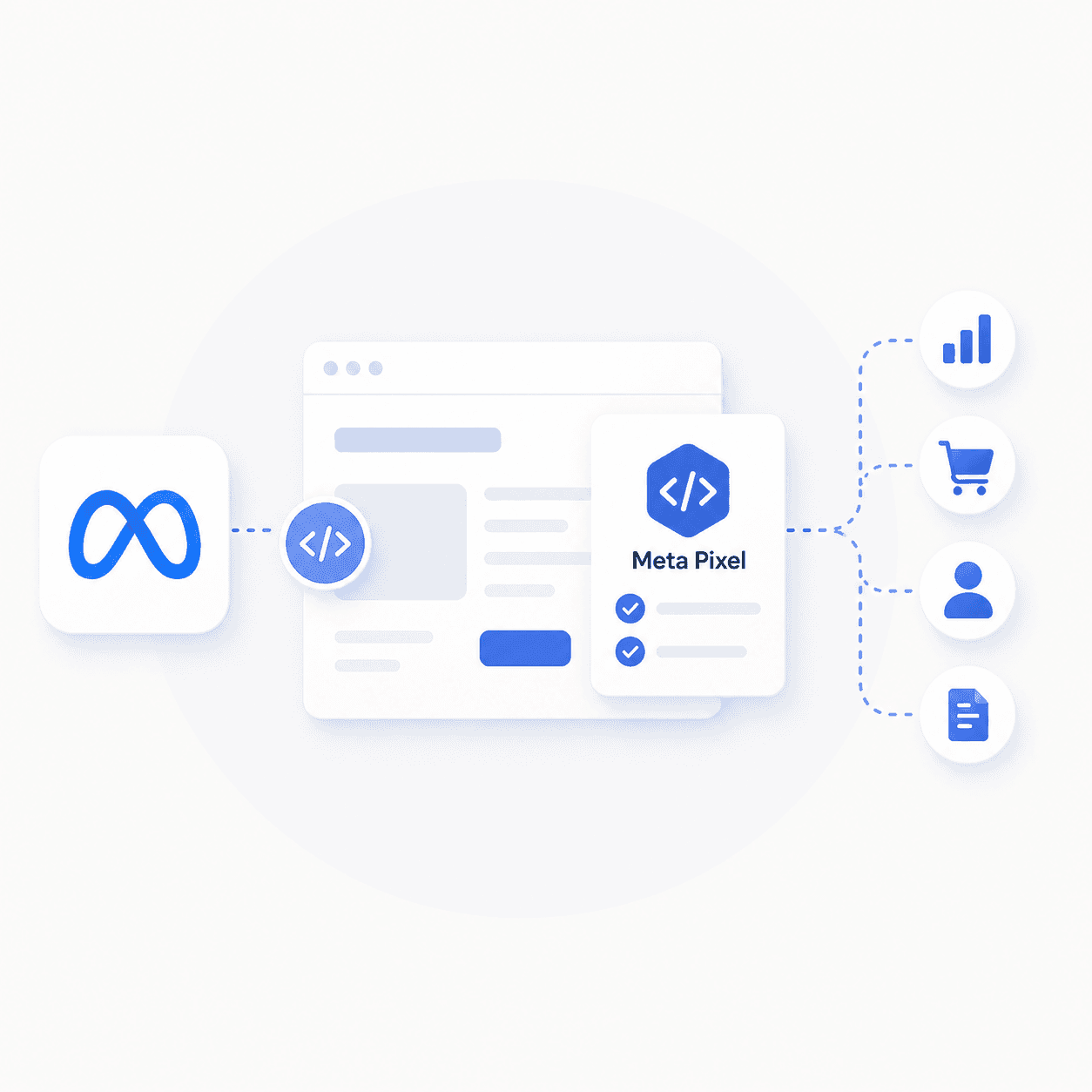
Tracking pixel: A code snippet on your site that fires when users visit specific pages
Custom audiences: Groups built from tracked behavior, like "viewed product page in last 7 days"
Ad platforms: Where retargeting ads appear, including Meta, Google, and TikTok
How Ecommerce Retargeting Works
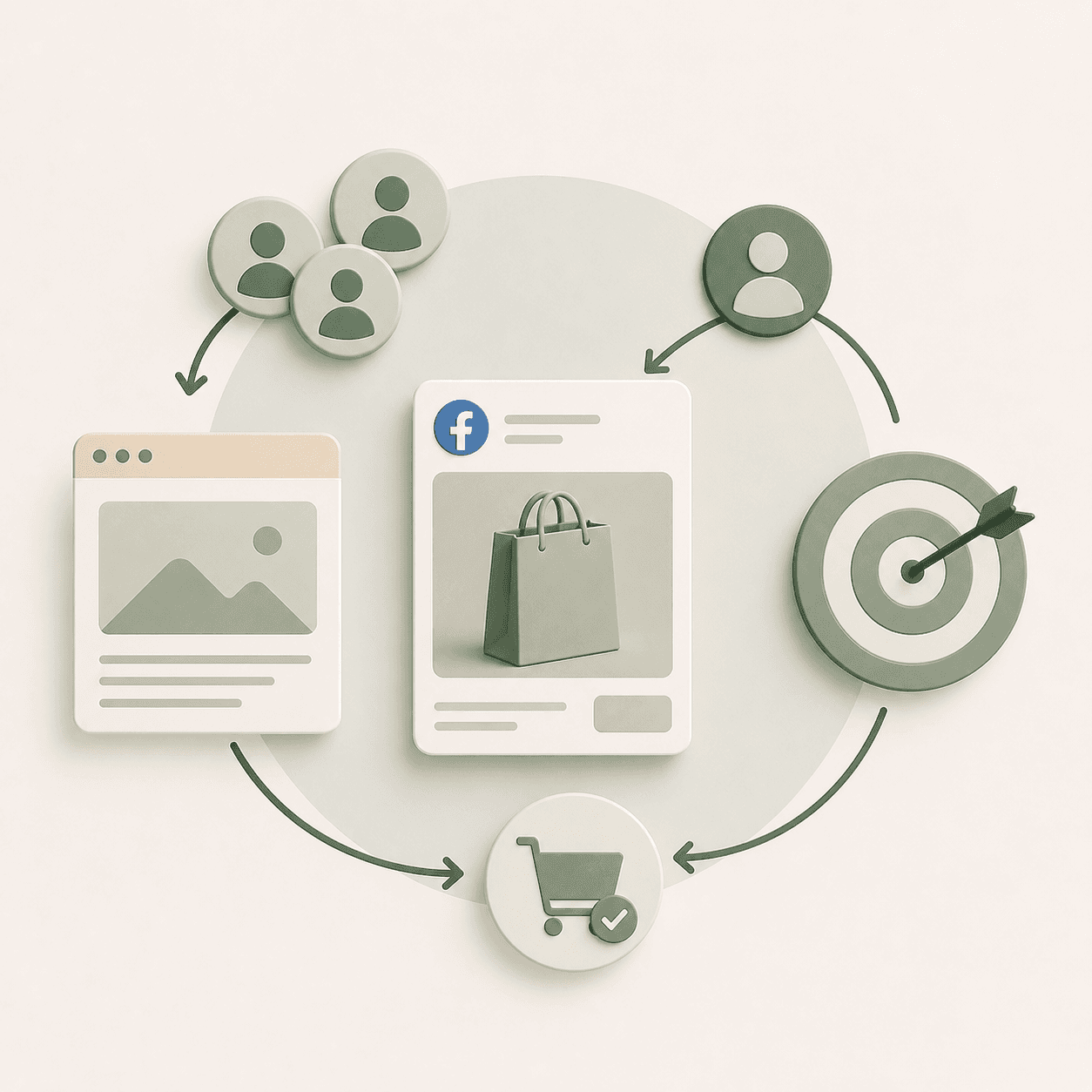
Site Visit: A user lands on your website and the tracking pixel fires.
Audience Tagging: The user is automatically added to a custom audience based on their behavior.
Ad Delivery: The ad platform serves your personalized creative to the user on a third-party site or app.
Re-engagement: The user clicks the ad, returns to your site, and completes the purchase.
Lookback windows determine how long a user stays in your audience. A 7-day window captures recent, high-intent visitors. A 30-day window casts a wider net but includes users whose interest may have cooled.
The right window depends on your product's typical purchase timeline.
Retargeting vs Remarketing
You'll hear retargeting and remarketing used interchangeably, though they technically refer to different tactics. Retargeting typically means paid ads served via pixels. Remarketing usually refers to email-based re-engagement, like abandoned cart emails.
Term | Primary Channel | Tracking Method |
|---|---|---|
Retargeting | Paid ads (Meta, Google, TikTok) | Pixel, CAPI, cookies |
Remarketing | Email, SMS | CRM, email list |
For this guide, we're focused on paid retargeting ads specifically.
Why Retargeting Matters for Ecommerce Brands
Most site visitors leave without buying. Ecommerce conversion rates average only 2–3%, so first-time visitors rarely convert on their first session. Retargeting lets you recapture that intent instead of losing it entirely.
Recaptures lost intent: Visitors who bounced are still reachable across Meta, Google, and TikTok
Lower cost per acquisition: Warm audiences convert at 2x to 4x higher rates, which typically means lower CPA compared to prospecting
Increases lifetime value: Retargeting past purchasers with cross-sells and new arrivals drives repeat orders
The logic is straightforward. Someone who already visited your product page is more likely to buy than someone who's never heard of you.
Types of Retargeting Ads for Ecommerce
Meta Retargeting Ads
Meta (Facebook and Instagram) retargeting uses pixel data and custom audiences to serve ads to past visitors. Advantage+ catalog ads automatically pull products from your feed and show users exactly what they viewed. For a deeper dive, see our guide on Facebook Ads retargeting strategy.
ROAS, or Return on Ad Spend, measures revenue generated per dollar spent on ads. Meta remains the most common platform for ecommerce retargeting because of its audience size and targeting precision.
Google Display and Search Retargeting
Google's Display Network serves banner ads across millions of websites. Search retargeting, called RLSA (Remarketing Lists for Search Ads), targets users who previously visited your site when they search again on Google.
Our Google Ads agency can help you set this up. RLSA catches high-intent shoppers actively looking for your product category a second time.
TikTok Retargeting Ads
TikTok retargeting is newer but effective for brands targeting younger demographics. The pixel works similarly to Meta's, and video-first creative performs well on the platform. If your audience skews under 35, TikTok retargeting is worth testing.
Dynamic Product Ads
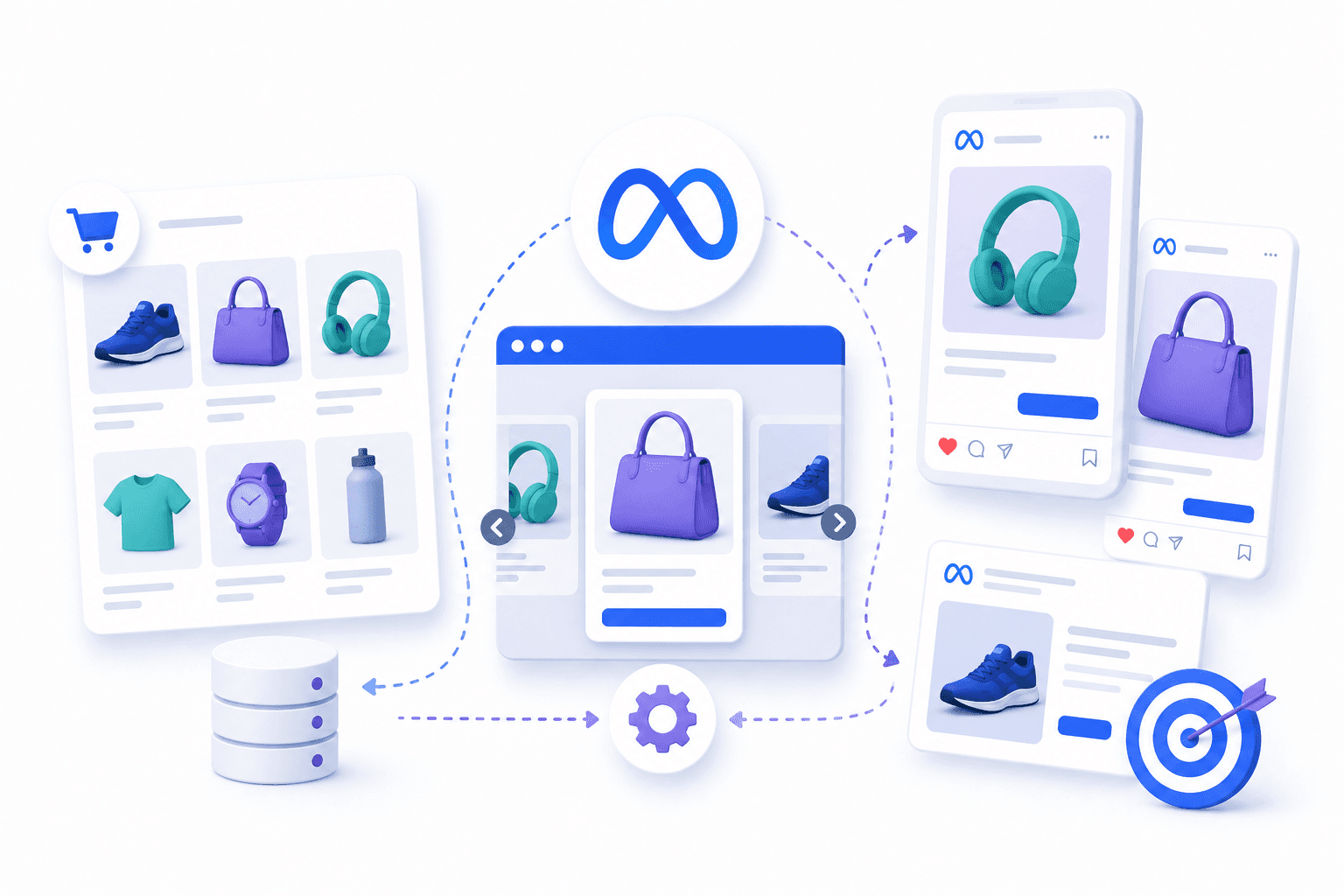
Dynamic product ads, or DPAs, automatically show users the exact products they viewed or added to cart. DPAs pull from your product catalog feed and require clean, up-to-date product data to work properly. When someone views a blue jacket on your site, DPAs show them that same blue jacket in their feed.
Email and SMS Retargeting
Technically remarketing, but often grouped under retargeting. Abandoned cart emails are the most common example. When someone adds to cart but doesn't check out, an automated email reminds them to complete the purchase.
How to Segment Retargeting Audiences by Funnel Stage
Not all retargeting audiences deserve the same message. Someone who glanced at your homepage has different intent than someone who abandoned checkout with items in their cart. Segmenting by behavior allows you to match creative to where someone actually is in the buying process, driving over 70% higher CTR than broad retargeting.
Homepage and Top of Funnel Visitors
Homepage visitors showed minimal intent. They landed on your site but didn't explore products. Serve brand awareness or category-level creative rather than hard-sell product ads.
Pushing a discount to someone who barely knows your brand rarely works.
Product Page Viewers
Product page viewers have medium intent. They looked at specific products but didn't add to cart. Dynamic product ads or testimonial-driven creative work well here because you're reminding them of something they already considered.
Add to Cart Abandoners
Cart abandoners have high intent. They wanted the product enough to add it. Urgency messaging or social proof creative can push them over the line.
Something stopped them, and your job is to address that hesitation.
Checkout Abandoners
Checkout abandoners have the highest intent. Something stopped them at the last step, whether extra costs (48% of abandonment cases), distraction, or second thoughts. Offer-led creative like free shipping or a small discount often converts checkout abandoners because they were already committed.
Past Purchasers and Upsell Audiences
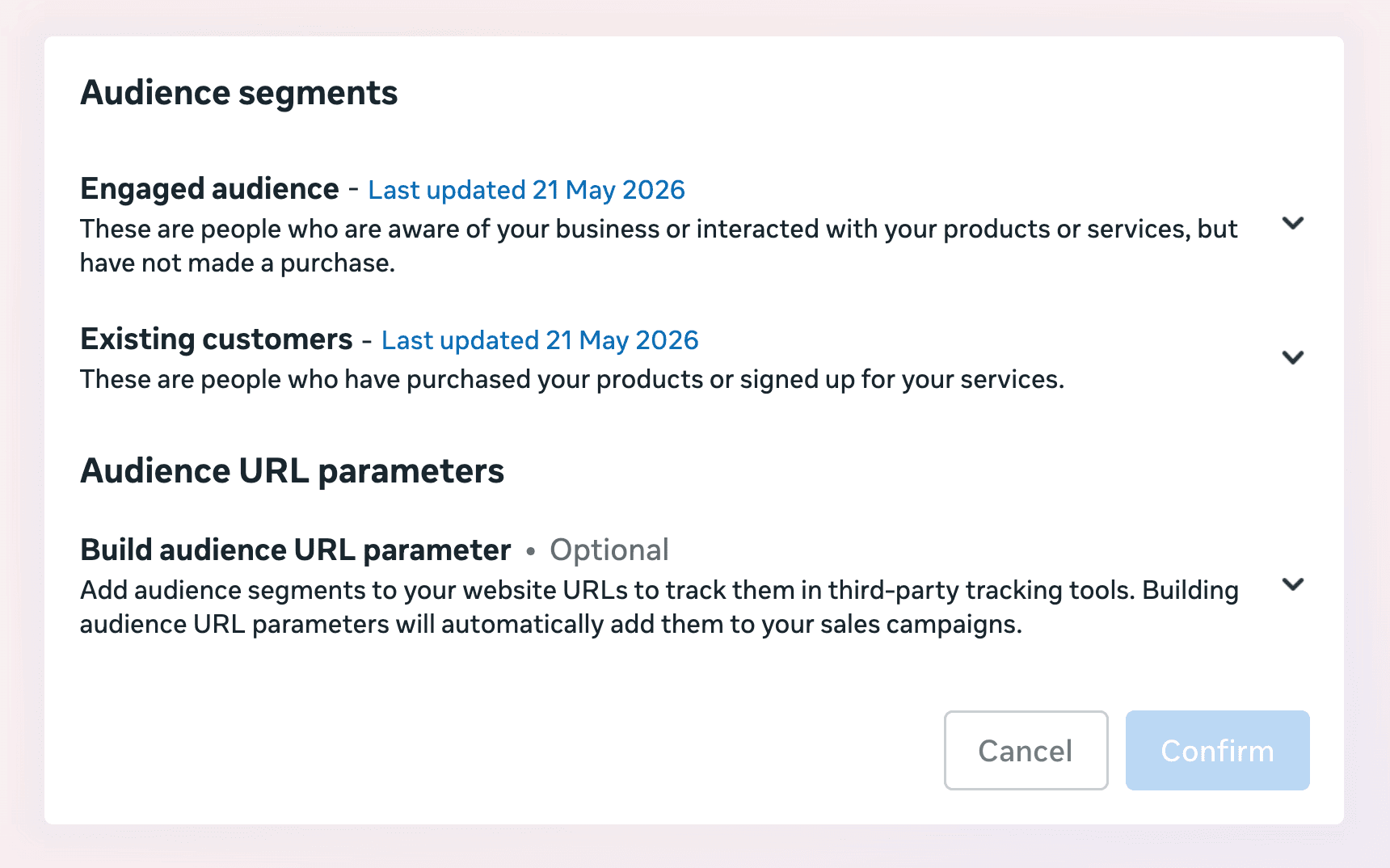
Past purchasers already converted once. Cross-sell complementary products or highlight new arrivals. Exclude recent purchasers (last 7–14 days) from new customer campaigns to avoid wasting spend on people who just bought.
How to Set Up Ecommerce Retargeting Ads
Step 1. Install the Pixel and Conversions API
Both pixel and Conversions API (CAPI) are necessary for accurate tracking after iOS 14 privacy changes. The pixel fires from the browser. CAPI sends data server-side.
Review our Meta Ads best practices for setup guidance.
Together, they fill gaps in attribution that either one alone would miss.
Step 2. Define Funnel Stages and Custom Audiences
Build audiences based on the segments above. Audience size matters for optimization. Meta's learning phase requires roughly 50 conversions per week per ad set to optimize effectively.
If your audiences are too small, consider combining segments or extending lookback windows.
Step 3. Set Lookback Windows and Frequency Caps
Shorter lookback windows (3–7 days) capture high-intent users. Longer windows (14–30 days) expand reach but dilute intent. Frequency caps limit how often users see your ads.
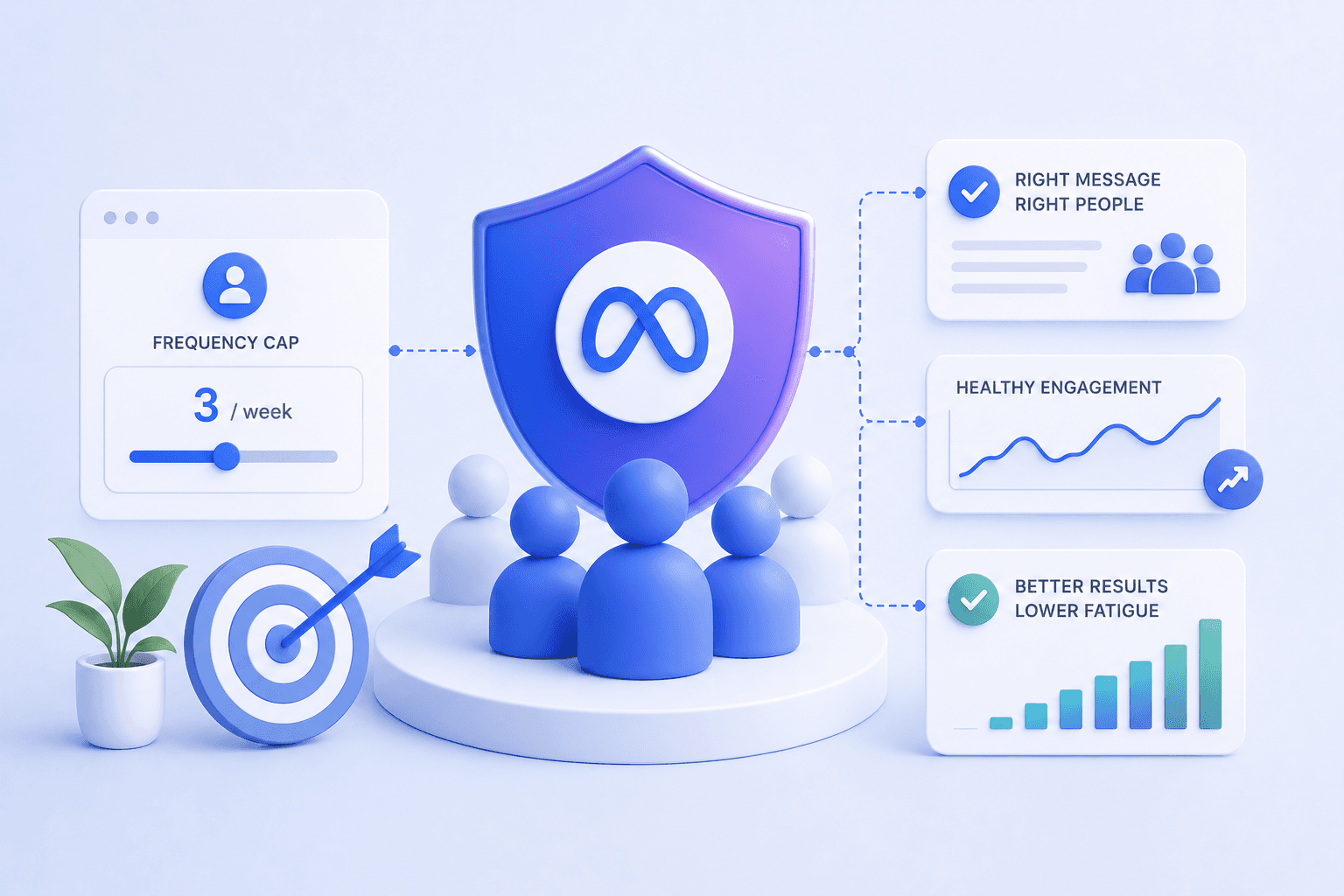
Keeping frequency between 3–7 impressions per week typically prevents fatigue while maintaining visibility.
Step 4. Build Creative for Each Audience Segment
Creative has to match audience intent. Cart abandoners respond to urgency. Product viewers respond to social proof. See our Meta Ads creative strategies for examples.
Homepage visitors respond to brand storytelling. Treating creative as a performance lever, not an afterthought, separates high-performing retargeting from wasted spend.
Step 5. Structure Campaigns and Budgets
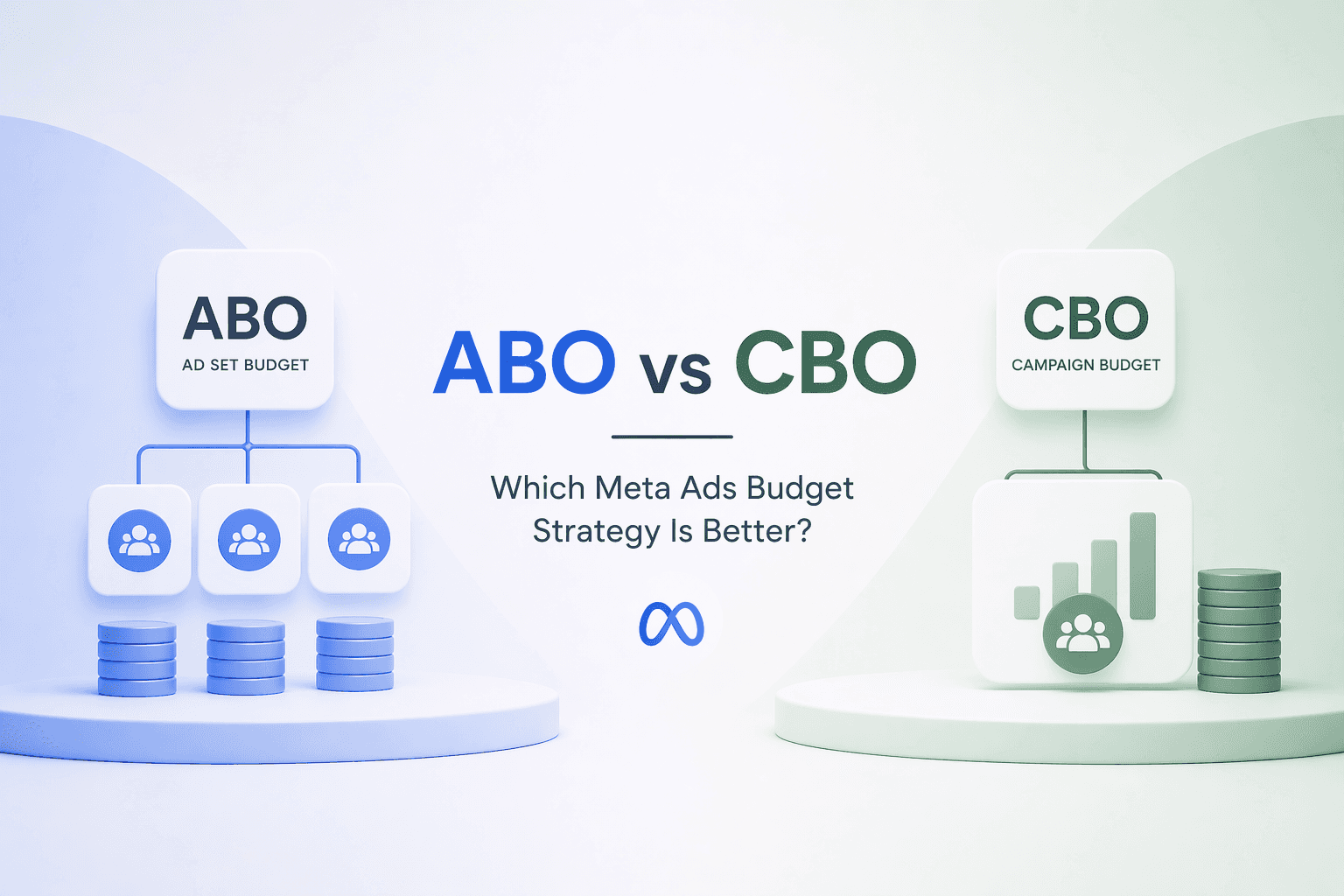
Separate campaigns or ad sets for each audience segment allow for budget control. Most brands allocate 10–20% of total ad spend to retargeting, with the rest going to prospecting. Going higher risks shrinking your top-of-funnel.
Step 6. Launch and Monitor Leading Indicators
Leading indicators include CTR, frequency, and first-time impression rate. Lagging indicators include ROAS and CPA. Watch frequency closely in the first week.
If frequency spikes above 7 per week, your audience is too small or your budget is too high for that audience size.
Best Practices for Ecommerce Retargeting Campaigns
1. Cap Frequency Between 3 and 7 per Week
Overexposure leads to ad fatigue and negative brand perception. If users see your ad 15 times in a week, you're annoying them, not persuading them. Set frequency caps at the ad set level to control exposure.
2. Rotate Creative Every 10 to 14 Days
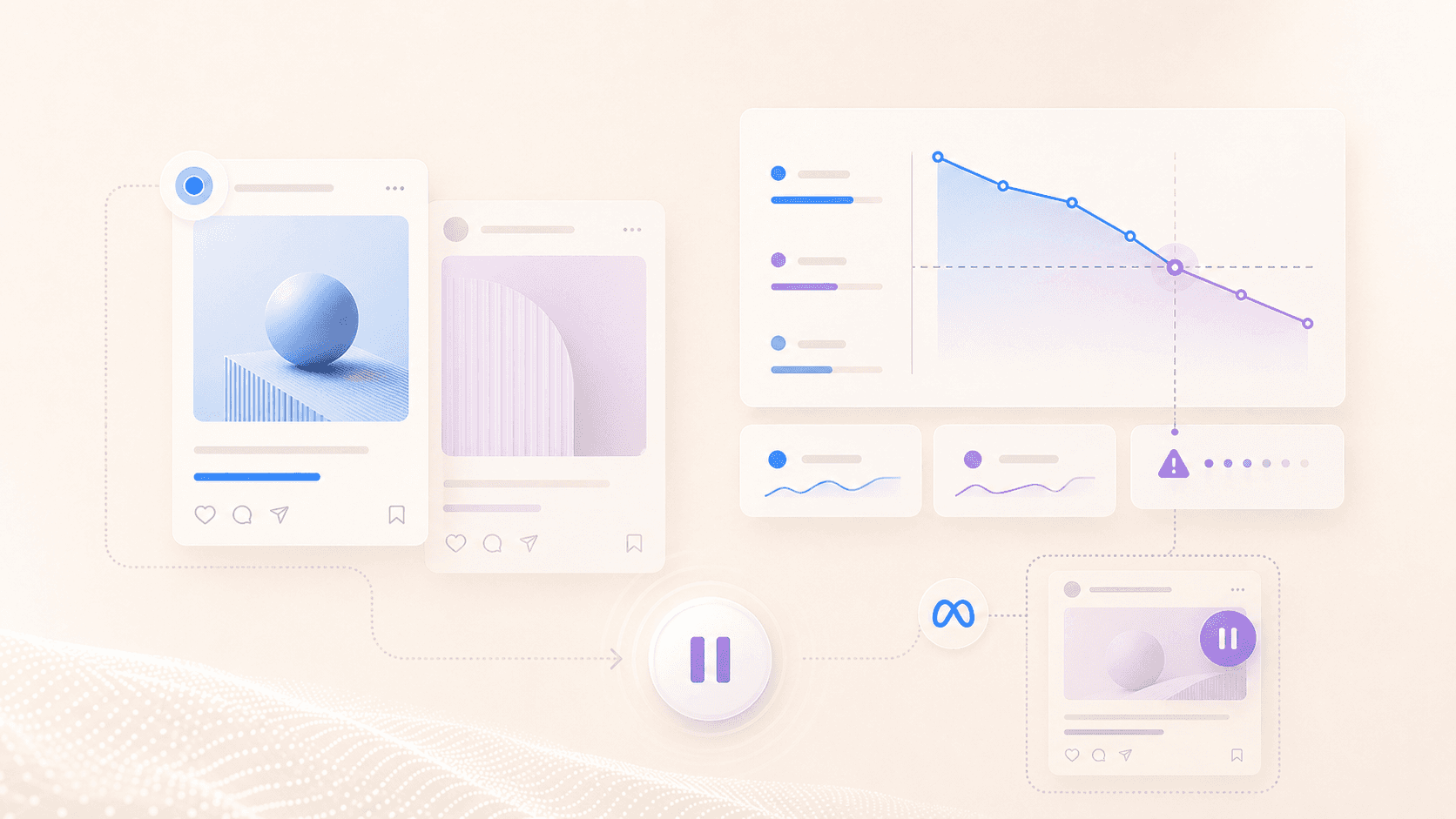
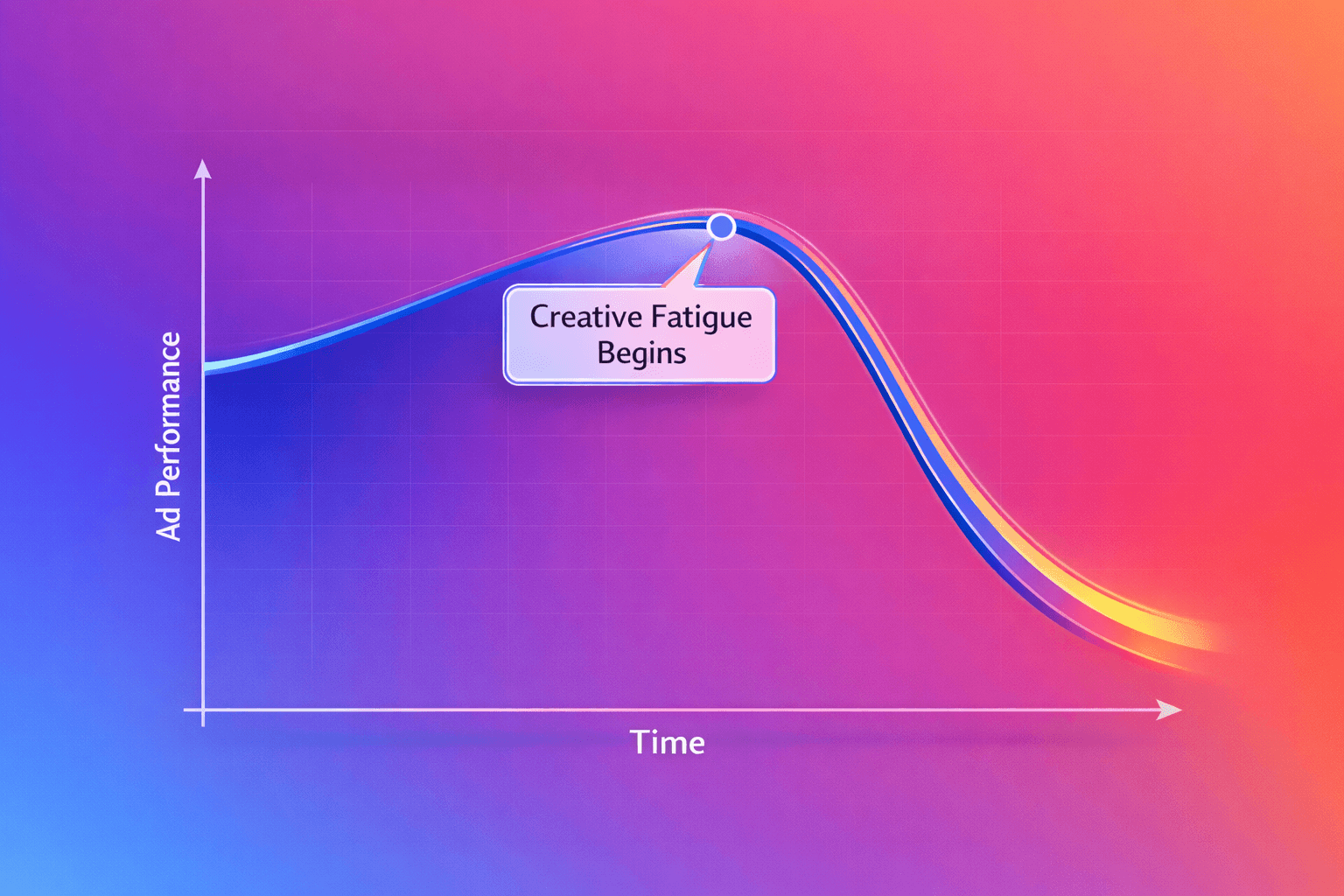
Creative fatigue is real. Performance declines when the same users see the same ads repeatedly. Plan for ongoing creative refresh rather than launching and forgetting.
3. Match Landing Pages to Ad Promises
If your ad promotes a specific product, the landing page better feature that product above the fold. Mismatched landing pages kill conversion rates because visitors don't find what they expected.
4. Exclude Recent Purchasers
Suppress users who purchased within the last 7–30 days from acquisition-focused retargeting. They already converted. Showing them the same ads wastes budget and can frustrate customers.
5. Run Cross-Channel Retargeting on Meta and Google
Reaching users across multiple platforms increases touchpoints. Someone who ignores your Instagram ad might click your Google Display ad. Cross-channel retargeting converts 24% better than single-channel retargeting.
Ecommerce Retargeting Mistakes to Avoid
Retargeting Customers Who Already Converted
Without proper exclusion lists, you'll serve ads to people who bought yesterday. Set up purchase exclusions for at least 7–14 days.
Using One Audience for the Entire Funnel
Treating all retargeting audiences the same underperforms. A homepage visitor and a checkout abandoner require different messages and different offers.
Running Stale Catalog Creative
Product feeds require regular updates. Out-of-stock items or outdated pricing in your DPAs erode trust and waste clicks.
Ignoring Frequency and Fatigue
High frequency without creative refresh leads to declining CTR and rising CPA. Monitor both metrics weekly and adjust accordingly.
Most visitors leave your site without buying. That's not a failure—it's an opportunity. Ecommerce retargeting ads let you reach those visitors again across Meta, Google, and TikTok with personalized ads that remind them what they left behind.
This guide covers how retargeting works, how to segment audiences by funnel stage, and which creative formats convert. It also covers how to measure whether your campaigns are driving incremental revenue.
Key Takeaways
Ecommerce retargeting ads are paid campaigns that re-engage users who visited your site but left without purchasing.
Retargeting converts at higher rates than cold traffic because you're reaching people already familiar with your brand.
Segmenting audiences by funnel stage allows you to match creative to intent level.
Creative fatigue kills retargeting performance, so rotating ads every 10–14 days keeps campaigns fresh.
Measuring incrementality, not just ROAS, tells you whether retargeting is actually driving new revenue.
What Are Ecommerce Retargeting Ads
Ecommerce retargeting ads are paid campaigns that re-engage users who previously visited your website but left without making a purchase. By tracking user behavior with platform pixels, brands deliver personalized ads showing the exact products someone viewed. The goal is simple: bring warm visitors back to complete the purchase they almost made.
The mechanics rely on three components working together:
Tracking pixel: A code snippet on your site that fires when users visit specific pages
Custom audiences: Groups built from tracked behavior, like "viewed product page in last 7 days"
Ad platforms: Where retargeting ads appear, including Meta, Google, and TikTok
How Ecommerce Retargeting Works
Site Visit: A user lands on your website and the tracking pixel fires.
Audience Tagging: The user is automatically added to a custom audience based on their behavior.
Ad Delivery: The ad platform serves your personalized creative to the user on a third-party site or app.
Re-engagement: The user clicks the ad, returns to your site, and completes the purchase.
Lookback windows determine how long a user stays in your audience. A 7-day window captures recent, high-intent visitors. A 30-day window casts a wider net but includes users whose interest may have cooled.
The right window depends on your product's typical purchase timeline.
Retargeting vs Remarketing
You'll hear retargeting and remarketing used interchangeably, though they technically refer to different tactics. Retargeting typically means paid ads served via pixels. Remarketing usually refers to email-based re-engagement, like abandoned cart emails.
Term | Primary Channel | Tracking Method |
|---|---|---|
Retargeting | Paid ads (Meta, Google, TikTok) | Pixel, CAPI, cookies |
Remarketing | Email, SMS | CRM, email list |
For this guide, we're focused on paid retargeting ads specifically.
Why Retargeting Matters for Ecommerce Brands
Most site visitors leave without buying. Ecommerce conversion rates average only 2–3%, so first-time visitors rarely convert on their first session. Retargeting lets you recapture that intent instead of losing it entirely.
Recaptures lost intent: Visitors who bounced are still reachable across Meta, Google, and TikTok
Lower cost per acquisition: Warm audiences convert at 2x to 4x higher rates, which typically means lower CPA compared to prospecting
Increases lifetime value: Retargeting past purchasers with cross-sells and new arrivals drives repeat orders
The logic is straightforward. Someone who already visited your product page is more likely to buy than someone who's never heard of you.
Types of Retargeting Ads for Ecommerce
Meta Retargeting Ads
Meta (Facebook and Instagram) retargeting uses pixel data and custom audiences to serve ads to past visitors. Advantage+ catalog ads automatically pull products from your feed and show users exactly what they viewed. For a deeper dive, see our guide on Facebook Ads retargeting strategy.
ROAS, or Return on Ad Spend, measures revenue generated per dollar spent on ads. Meta remains the most common platform for ecommerce retargeting because of its audience size and targeting precision.
Google Display and Search Retargeting
Google's Display Network serves banner ads across millions of websites. Search retargeting, called RLSA (Remarketing Lists for Search Ads), targets users who previously visited your site when they search again on Google.
Our Google Ads agency can help you set this up. RLSA catches high-intent shoppers actively looking for your product category a second time.
TikTok Retargeting Ads
TikTok retargeting is newer but effective for brands targeting younger demographics. The pixel works similarly to Meta's, and video-first creative performs well on the platform. If your audience skews under 35, TikTok retargeting is worth testing.
Dynamic Product Ads
Dynamic product ads, or DPAs, automatically show users the exact products they viewed or added to cart. DPAs pull from your product catalog feed and require clean, up-to-date product data to work properly. When someone views a blue jacket on your site, DPAs show them that same blue jacket in their feed.
Email and SMS Retargeting
Technically remarketing, but often grouped under retargeting. Abandoned cart emails are the most common example. When someone adds to cart but doesn't check out, an automated email reminds them to complete the purchase.
How to Segment Retargeting Audiences by Funnel Stage
Not all retargeting audiences deserve the same message. Someone who glanced at your homepage has different intent than someone who abandoned checkout with items in their cart. Segmenting by behavior allows you to match creative to where someone actually is in the buying process, driving over 70% higher CTR than broad retargeting.
Homepage and Top of Funnel Visitors
Homepage visitors showed minimal intent. They landed on your site but didn't explore products. Serve brand awareness or category-level creative rather than hard-sell product ads.
Pushing a discount to someone who barely knows your brand rarely works.
Product Page Viewers
Product page viewers have medium intent. They looked at specific products but didn't add to cart. Dynamic product ads or testimonial-driven creative work well here because you're reminding them of something they already considered.
Add to Cart Abandoners
Cart abandoners have high intent. They wanted the product enough to add it. Urgency messaging or social proof creative can push them over the line.
Something stopped them, and your job is to address that hesitation.
Checkout Abandoners
Checkout abandoners have the highest intent. Something stopped them at the last step, whether extra costs (48% of abandonment cases), distraction, or second thoughts. Offer-led creative like free shipping or a small discount often converts checkout abandoners because they were already committed.
Past Purchasers and Upsell Audiences
Past purchasers already converted once. Cross-sell complementary products or highlight new arrivals. Exclude recent purchasers (last 7–14 days) from new customer campaigns to avoid wasting spend on people who just bought.
How to Set Up Ecommerce Retargeting Ads
Step 1. Install the Pixel and Conversions API
Both pixel and Conversions API (CAPI) are necessary for accurate tracking after iOS 14 privacy changes. The pixel fires from the browser. CAPI sends data server-side.
Review our Meta Ads best practices for setup guidance.
Together, they fill gaps in attribution that either one alone would miss.
Step 2. Define Funnel Stages and Custom Audiences
Build audiences based on the segments above. Audience size matters for optimization. Meta's learning phase requires roughly 50 conversions per week per ad set to optimize effectively.
If your audiences are too small, consider combining segments or extending lookback windows.
Step 3. Set Lookback Windows and Frequency Caps
Shorter lookback windows (3–7 days) capture high-intent users. Longer windows (14–30 days) expand reach but dilute intent. Frequency caps limit how often users see your ads.
Keeping frequency between 3–7 impressions per week typically prevents fatigue while maintaining visibility.
Step 4. Build Creative for Each Audience Segment
Creative has to match audience intent. Cart abandoners respond to urgency. Product viewers respond to social proof. See our Meta Ads creative strategies for examples.
Homepage visitors respond to brand storytelling. Treating creative as a performance lever, not an afterthought, separates high-performing retargeting from wasted spend.
Step 5. Structure Campaigns and Budgets
Separate campaigns or ad sets for each audience segment allow for budget control. Most brands allocate 10–20% of total ad spend to retargeting, with the rest going to prospecting. Going higher risks shrinking your top-of-funnel.
Step 6. Launch and Monitor Leading Indicators
Leading indicators include CTR, frequency, and first-time impression rate. Lagging indicators include ROAS and CPA. Watch frequency closely in the first week.
If frequency spikes above 7 per week, your audience is too small or your budget is too high for that audience size.
Best Practices for Ecommerce Retargeting Campaigns
1. Cap Frequency Between 3 and 7 per Week
Overexposure leads to ad fatigue and negative brand perception. If users see your ad 15 times in a week, you're annoying them, not persuading them. Set frequency caps at the ad set level to control exposure.
2. Rotate Creative Every 10 to 14 Days
Creative fatigue is real. Performance declines when the same users see the same ads repeatedly. Plan for ongoing creative refresh rather than launching and forgetting.
3. Match Landing Pages to Ad Promises
If your ad promotes a specific product, the landing page better feature that product above the fold. Mismatched landing pages kill conversion rates because visitors don't find what they expected.
4. Exclude Recent Purchasers
Suppress users who purchased within the last 7–30 days from acquisition-focused retargeting. They already converted. Showing them the same ads wastes budget and can frustrate customers.
5. Run Cross-Channel Retargeting on Meta and Google
Reaching users across multiple platforms increases touchpoints. Someone who ignores your Instagram ad might click your Google Display ad. Cross-channel retargeting converts 24% better than single-channel retargeting.
Ecommerce Retargeting Mistakes to Avoid
Retargeting Customers Who Already Converted
Without proper exclusion lists, you'll serve ads to people who bought yesterday. Set up purchase exclusions for at least 7–14 days.
Using One Audience for the Entire Funnel
Treating all retargeting audiences the same underperforms. A homepage visitor and a checkout abandoner require different messages and different offers.
Running Stale Catalog Creative
Product feeds require regular updates. Out-of-stock items or outdated pricing in your DPAs erode trust and waste clicks.
Ignoring Frequency and Fatigue
High frequency without creative refresh leads to declining CTR and rising CPA. Monitor both metrics weekly and adjust accordingly.
Looking for Meta ads support?
We're a small, hardworking US-based team. Book a call and get a free audit today.
How to Measure Ecommerce Retargeting Performance
ROAS and MER
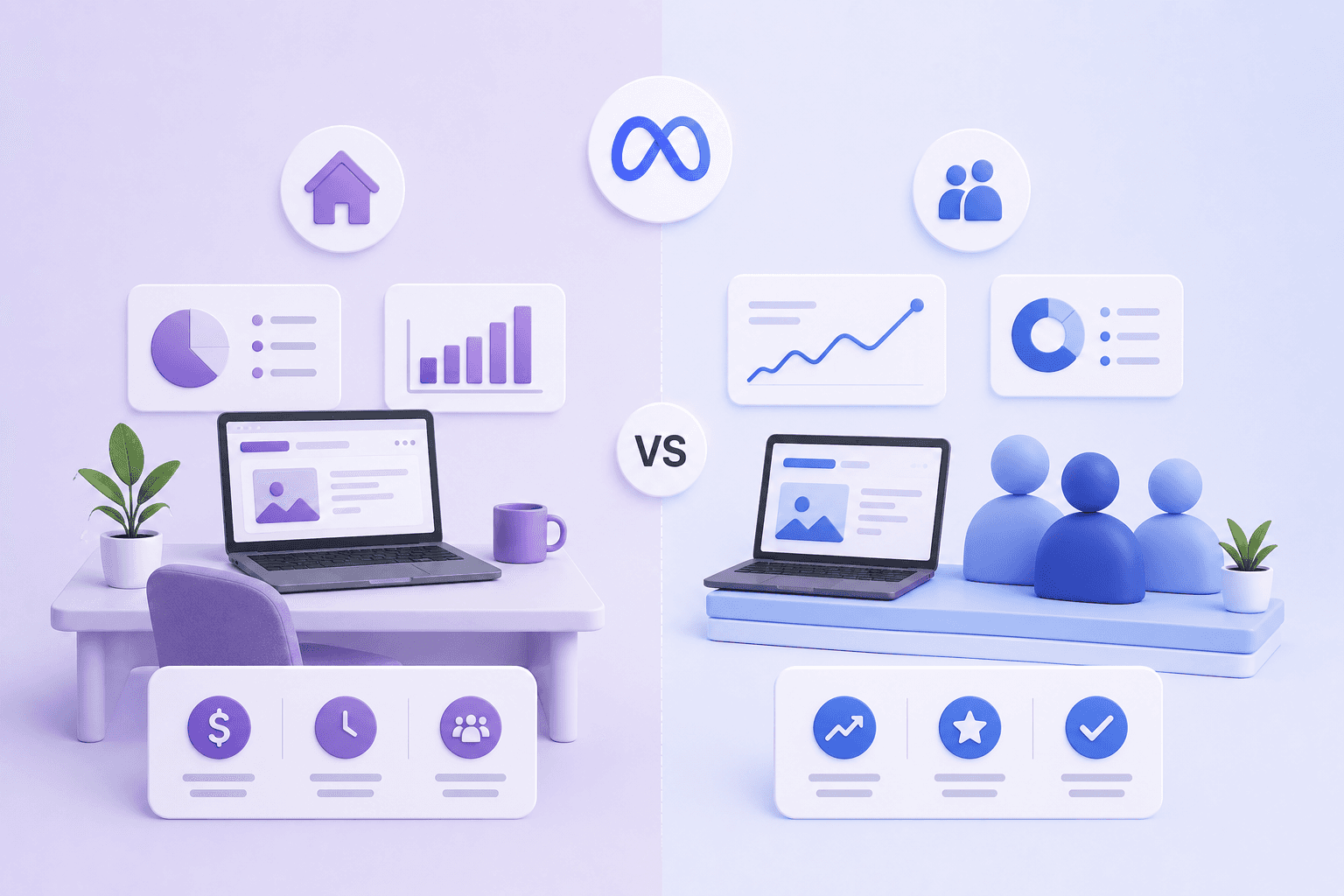
ROAS (Return on Ad Spend): Measures revenue per dollar spent on a specific campaign; used for campaign-level performance.
MER (Marketing Efficiency Ratio): Total revenue divided by total marketing spend; used for business-level efficiency.
Learn how to structure accounts for better measurement in our Meta Ads account structure guide.
MER tells you business-level efficiency. Both matter, but MER gives you the fuller picture.
Incrementality and Holdout Tests
Incrementality measures the true lift from retargeting, meaning conversions that wouldn't have happened without the ads. Holdout tests suppress a portion of your audience from seeing ads, then compare conversion rates between the exposed and holdout groups.
Without incrementality testing, you can't know whether retargeting is driving new revenue or just capturing conversions that would have happened anyway. Criteo's retargeting glossary offers additional context on how incrementality applies to retargeting measurement.
Frequency, First-Time Impression Rate, and CTR
First-time impression rate shows what percentage of impressions go to users seeing the ad for the first time. Declining CTR paired with rising frequency signals creative fatigue. When you see both trends together, it's time to refresh creative or tighten frequency caps.
Retargeting in a Cookieless Future
Cookie deprecation and iOS privacy changes have already impacted retargeting accuracy, with 75–85% of iOS users opting out of app tracking. Adaptation looks like this:
First-party data: Build email and SMS lists to create CRM-based audiences independent of cookies
Server-side tracking: Implement Conversions API to maintain signal when browser-side tracking fails
Contextual targeting: Supplement retargeting with interest-based targeting as a fallback
The brands adapting now are building first-party data assets and server-side tracking infrastructure before third-party cookies disappear entirely.
Scale Ecommerce Retargeting with Flighted
Retargeting works best when Paid Media Expertise, Creative Strategy, and Landing Page Design operate together. At Flighted, we treat all three as interdependent pillars rather than separate workstreams. Our Meta Ads management combines structured audience modeling with high-frequency creative testing to keep retargeting campaigns performing as you scale.
Book a call to discuss your retargeting strategy.
Frequently Asked Questions About Ecommerce Retargeting Ads
How much do ecommerce retargeting ads cost?
Retargeting CPMs and CPCs vary by platform, audience size, and competition. However, retargeting typically costs less per conversion than prospecting because you're reaching warmer audiences with higher purchase intent.
Are retargeting ads worth it for ecommerce brands?
Yes. Retargeting is one of the highest-ROI tactics available because it targets users who already showed purchase intent. The question isn't whether to retarget but how to structure and measure it properly.
What are the disadvantages of retargeting ads?
Potential downsides include ad fatigue from overexposure, privacy concerns from users who feel tracked, and limited audience size for smaller brands. Frequency that isn't capped risks annoying repeat visitors.
What percentage of ad budget should go to retargeting?
Budget allocation depends on audience size and funnel health. Most brands allocate 10–20% of total ad spend to retargeting. Going higher risks cannibalizing prospecting spend and shrinking your top-of-funnel.
How long should a retargeting lookback window be?
Lookback windows depend on your sales cycle. Impulse purchases (under $50) often convert within 3–7 days. Considered purchases ($200+) may benefit from 14–30 day windows to capture users still in research mode.
Related Posts
Related Posts
Related Posts
Related Posts




































Ready to talk?
New York, NY 11217
hello@flighted.co
© Flighted, 2026
Ready to talk?
New York, NY 11217
hello@flighted.co
© Flighted, 2026