How to Prevent Creative Fatigue In Paid Social Ads
Meta Ads
April 10, 2026
Table Of Contents
No headings found on page
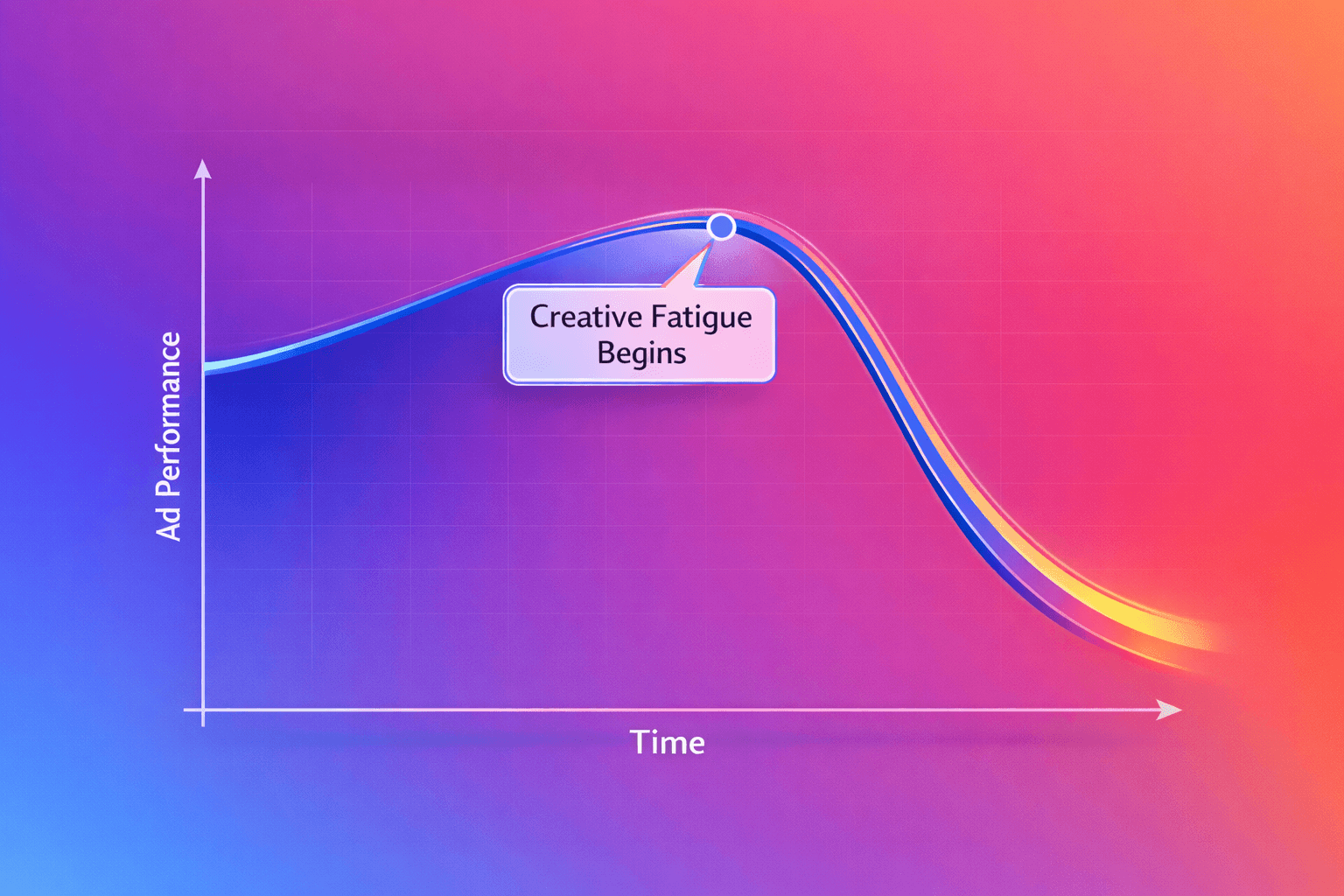
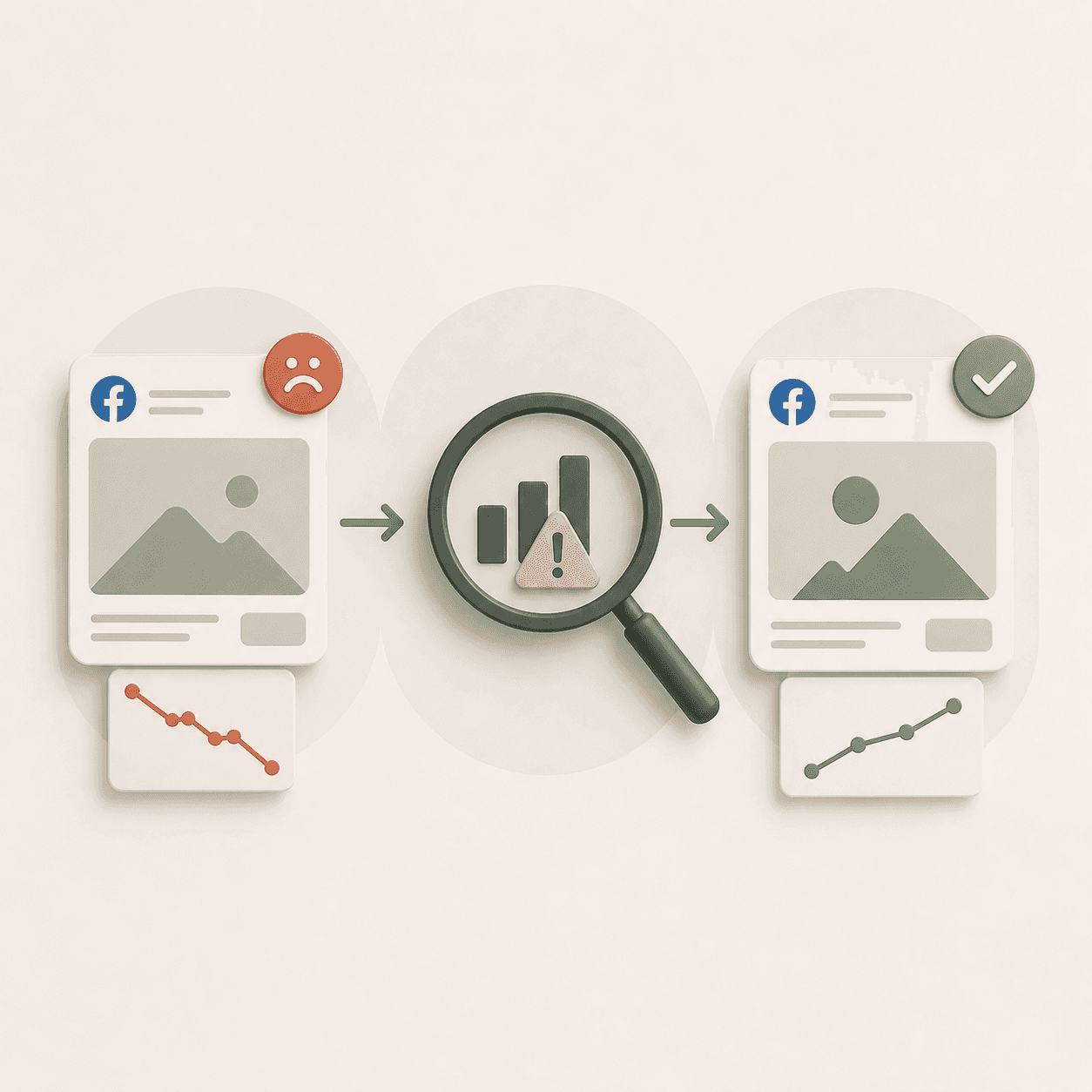
Your best-performing ad is dying right now, and the dashboard won't tell you until it's too late. By the time CPA spikes 30% and CTR craters, you're already weeks behind on the creative refresh that could have prevented it.
Creative fatigue is the silent killer of Meta Ads profitability—and most brands treat it as a reactive problem instead of a preventable one. This guide covers how to spot fatigue before it tanks performance, the specific metrics to monitor weekly, and the creative systems that keep campaigns fresh at scale.
Key Takeaways
Creative fatigue happens when your audience sees the same ad too many times and stops engaging. Watch for frequency climbing above 2-3, declining CTR, and rising CPA as early warning signs.
Prevention beats recovery. Rotate creatives on a set schedule before performance drops rather than reacting after metrics collapse.
Refresh elements strategically. Swap hooks, thumbnails, CTAs, and headlines without rebuilding entire ads from scratch.
Higher spend burns through creative faster. Accounts spending $50K+ monthly typically require 3-5 new variations per week to maintain performance.
Creative, media buying, and landing pages work together. Fatigue is a system problem, not just a creative problem.
What Is Ad Fatigue in Paid Social Advertising
Ad fatigue is when your target audience sees the same ad too many times and stops engaging—clicks drop, conversions stall, and CPAs rise. It's also called creative fatigue.
The first few impressions generate clicks and conversions. By the tenth or twentieth impression, users scroll past without a second glance.
This is different from audience fatigue, which happens when an entire targeting segment becomes saturated regardless of which creative you show. The distinction matters because the solutions differ.
Fatigue Type
Definition
Primary Solution
Ad Fatigue
A specific creative loses effectiveness and engagement drops.
Introduce new creative variations or hooks.
Audience Fatigue
An entire targeting segment is oversaturated.
Expand targeting or refresh audience segments.
Both types affect Meta, TikTok, and other paid social platforms, though the speed at which fatigue sets in varies by platform and audience size.
Why Creative Fatigue Destroys Paid Social Performance
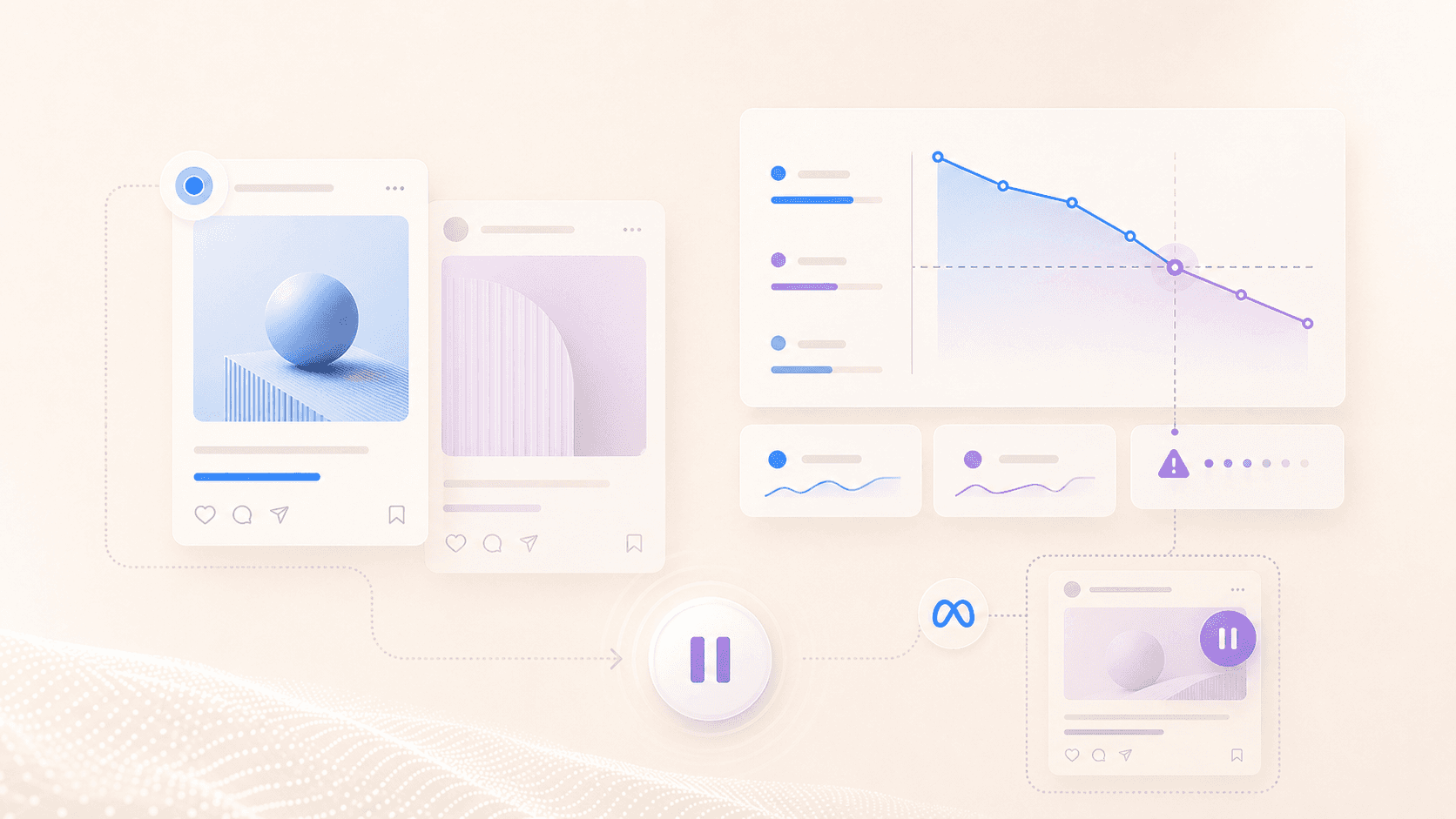
When fatigue sets in, the algorithm notices declining engagement signals and deprioritizes your ads. This triggers a cascade:
Reach shrinks: The platform stops showing ads that users ignore.
Costs rise: The algorithm works harder to find converting users.
Efficiency tanks: Accounts can go from profitable to underwater within a week.
Fighting ad fatigue is a proactive discipline, not a reactive scramble. By the time you see CPA spike 30-40%, you're already behind.
Warning Signs of Ad Fatigue on Meta and Paid Social
Catching fatigue early requires monitoring specific metrics. These signals often appear together rather than in isolation.
Declining Click-Through Rate
CTR (click-through rate) measures the percentage of people who click after seeing your ad. A declining CTR is typically the first visible symptom—users are scrolling past without engaging.
Rising Cost per Acquisition
CPA (cost per acquisition) increases because the algorithm works harder to find converting users. If your CPA rises 20%+ while nothing else changed, fatigue is likely the culprit.
Increasing Ad Frequency
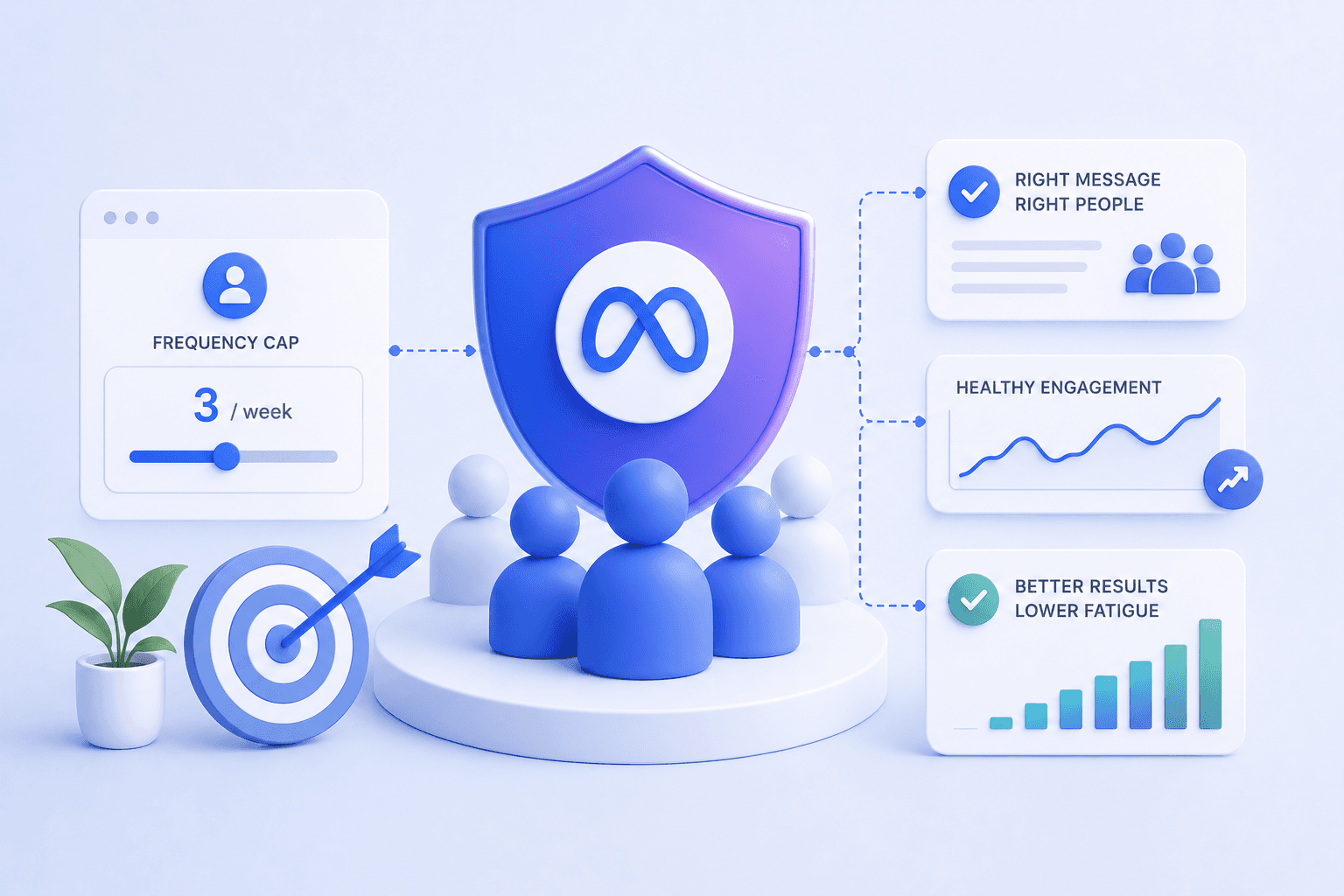
Frequency measures the average number of times each person sees your ad. When frequency climbs above 2-3 on prospecting campaigns, fatigue risk increases significantly.
Dropping First-Time Impression Rate
First-time impression rate, calculated as Reach divided by Impressions, shows the percentage of impressions going to users who haven't seen your ads before. This metric often declines before CTR or CPA worsen, making it a useful leading indicator.
Reduced Reach and Impressions
The platform's algorithm limits delivery when engagement signals weaken. Fewer people see the ad at all, which compounds the problem.
Lower Conversion Rates
Even users who click convert less often when fatigue sets in. The message has lost its impact across the entire funnel.
Metric
Fatigue Signal
CTR
Declining
CPA
Rising
Frequency
Increasing (above 2-3)
First-Time Impression Rate
Dropping
Reach/Impressions
Decreasing
Conversion Rate
Declining
Your best-performing ad is dying right now, and the dashboard won't tell you until it's too late. By the time CPA spikes 30% and CTR craters, you're already weeks behind on the creative refresh that could have prevented it.
Creative fatigue is the silent killer of Meta Ads profitability—and most brands treat it as a reactive problem instead of a preventable one. This guide covers how to spot fatigue before it tanks performance, the specific metrics to monitor weekly, and the creative systems that keep campaigns fresh at scale.
Key Takeaways
Creative fatigue happens when your audience sees the same ad too many times and stops engaging. Watch for frequency climbing above 2-3, declining CTR, and rising CPA as early warning signs.
Prevention beats recovery. Rotate creatives on a set schedule before performance drops rather than reacting after metrics collapse.
Refresh elements strategically. Swap hooks, thumbnails, CTAs, and headlines without rebuilding entire ads from scratch.
Higher spend burns through creative faster. Accounts spending $50K+ monthly typically require 3-5 new variations per week to maintain performance.
Creative, media buying, and landing pages work together. Fatigue is a system problem, not just a creative problem.
What Is Ad Fatigue in Paid Social Advertising
Ad fatigue is when your target audience sees the same ad too many times and stops engaging—clicks drop, conversions stall, and CPAs rise. It's also called creative fatigue.
The first few impressions generate clicks and conversions. By the tenth or twentieth impression, users scroll past without a second glance.
This is different from audience fatigue, which happens when an entire targeting segment becomes saturated regardless of which creative you show. The distinction matters because the solutions differ.
Fatigue Type
Definition
Primary Solution
Ad Fatigue
A specific creative loses effectiveness and engagement drops.
Introduce new creative variations or hooks.
Audience Fatigue
An entire targeting segment is oversaturated.
Expand targeting or refresh audience segments.
Both types affect Meta, TikTok, and other paid social platforms, though the speed at which fatigue sets in varies by platform and audience size.
Why Creative Fatigue Destroys Paid Social Performance
When fatigue sets in, the algorithm notices declining engagement signals and deprioritizes your ads. This triggers a cascade:
Reach shrinks: The platform stops showing ads that users ignore.
Costs rise: The algorithm works harder to find converting users.
Efficiency tanks: Accounts can go from profitable to underwater within a week.
Fighting ad fatigue is a proactive discipline, not a reactive scramble. By the time you see CPA spike 30-40%, you're already behind.
Warning Signs of Ad Fatigue on Meta and Paid Social
Catching fatigue early requires monitoring specific metrics. These signals often appear together rather than in isolation.
Declining Click-Through Rate
CTR (click-through rate) measures the percentage of people who click after seeing your ad. A declining CTR is typically the first visible symptom—users are scrolling past without engaging.
Rising Cost per Acquisition
CPA (cost per acquisition) increases because the algorithm works harder to find converting users. If your CPA rises 20%+ while nothing else changed, fatigue is likely the culprit.
Increasing Ad Frequency
Frequency measures the average number of times each person sees your ad. When frequency climbs above 2-3 on prospecting campaigns, fatigue risk increases significantly.
Dropping First-Time Impression Rate
First-time impression rate, calculated as Reach divided by Impressions, shows the percentage of impressions going to users who haven't seen your ads before. This metric often declines before CTR or CPA worsen, making it a useful leading indicator.
Reduced Reach and Impressions
The platform's algorithm limits delivery when engagement signals weaken. Fewer people see the ad at all, which compounds the problem.
Lower Conversion Rates
Even users who click convert less often when fatigue sets in. The message has lost its impact across the entire funnel.
What Causes Advertising Fatigue in Paid Social Campaigns
Understanding root causes helps you prevent fatigue rather than just react to it.
Four root causes drive most fatigue problems:
Repeated exposure: Same people seeing the same message too many times leads to desensitization. Even great creative wears out.
Narrow targeting: A 50,000-person audience at $500/day fatigues much faster than a 2 million-person audience at the same budget.
Insufficient creative volume: An account spending $100K/month requires significantly more variations than one spending $10K/month.
Long campaign windows: Running the same ads for extended periods guarantees fatigue. Even evergreen creative benefits from periodic refreshes.
How Often to Refresh Paid Social Ad Creative
Most accounts should refresh creative every 2-4 weeks. Higher budgets and smaller audiences require more frequent refreshes—sometimes weekly.
Several factors accelerate fatigue:
Higher daily spend: Burns through audience faster
Smaller target audience: Fewer people to reach means quicker saturation
Single creative in rotation: No variety to offset wear-out
Retargeting campaigns: Warm audiences see ads more frequently by design
Accounts spending $50K+ monthly typically require 3-5 new creative concepts per week. Smaller accounts can often sustain 2-4 week refresh cycles.
Tip: Track first-time impression rate weekly. When it drops below 50%, you're likely approaching fatigue territory.
How to Prevent Ad Fatigue in Paid Social Campaigns
Prevention is about building systems, not one-time fixes.
1. Establish a Structured Creative Rotation Schedule
Do not wait for performance to decline. Set a calendar-based rotation schedule where new creative enters before existing creative fatigues.
For most accounts, this means introducing fresh variations every 2-4 weeks. Higher-spend accounts may require weekly refreshes to stay ahead of fatigue.
2. Refresh Ad Elements Without Starting Over
You don't have to rebuild ads from scratch. Modular refreshes extend creative lifespan without full reproduction costs.
Ad Element
Refresh Strategy
Hooks
New opening lines or first 3 seconds of video.
Thumbnails
Updated static images or video preview frames.
CTAs
Different calls to action or button copy.
Headlines
Varied primary text angles.
Audio
Fresh background music or sound without re-shooting.
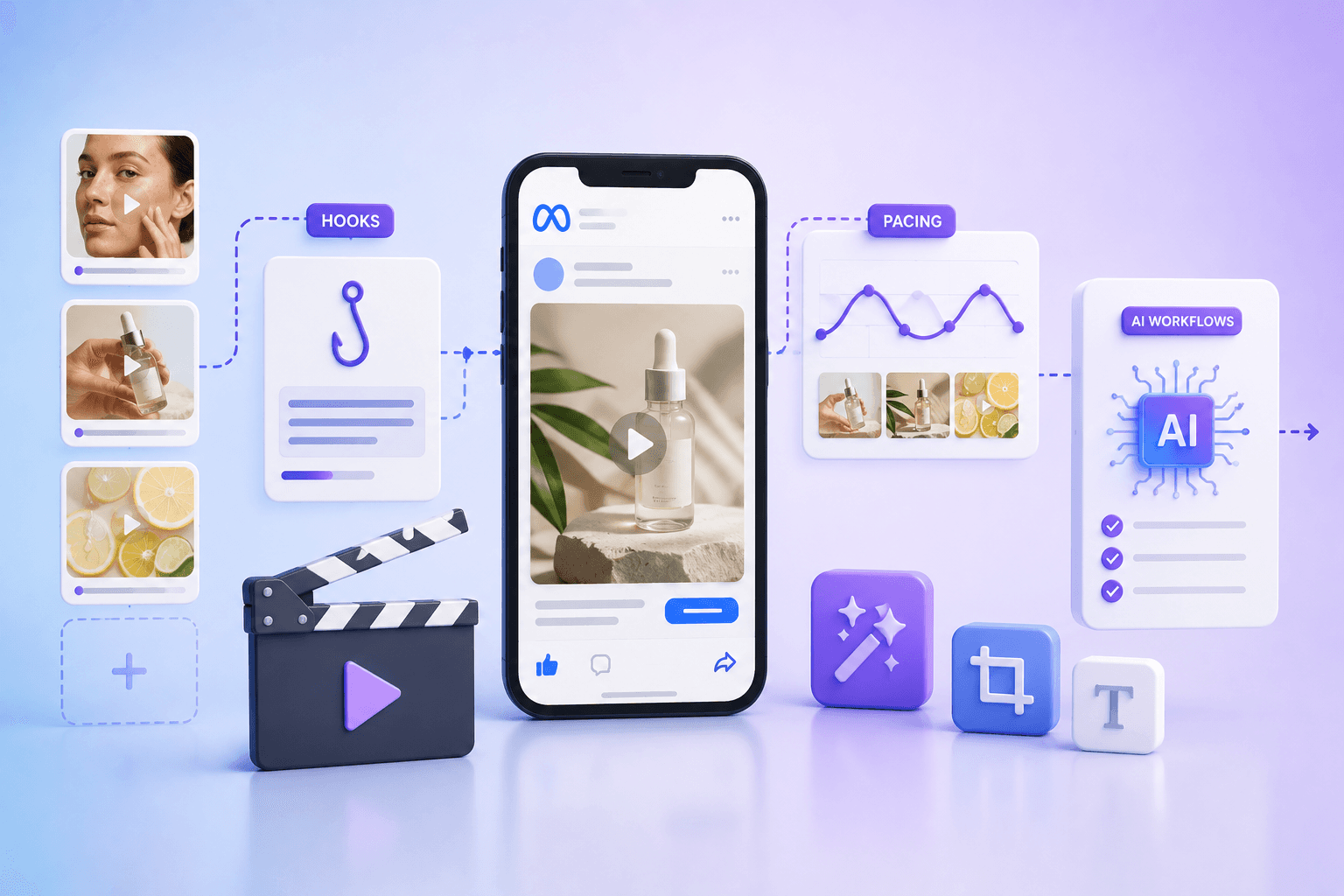
A single winning concept can generate 5-10 variations through strategic element swaps.
3. Test New Hooks, Angles, and Value Propositions
Systematic creative testing means trying different creative strategies and messaging angles, not just visual variations. What resonates with one audience segment may fall flat with another.
Run concept tests for entirely new angles and iteration tests to improve winners. The 80/20 rule works well here: 80% of effort on iterating proven concepts, 20% on net-new ideas.
4. Expand and Segment Audiences to Reduce Saturation
Broaden targeting or create distinct segments to distribute impressions across more users. Meta's Advantage+ audiences can help reach new users and lower frequency.
Exclude past converters to avoid annoying customers who've already purchased.
Dynamic creative AKA "Flex" ads and catalog ads automatically vary elements based on user behavior. These formats are particularly effective for ecommerce, where product variety naturally creates freshness.
How to Build a Fatigue-Resistant Creative Testing System
Preventing fatigue requires operational infrastructure, not just good intentions.
Define Your Creative Testing Cadence
Set a regular testing schedule tied to your campaign calendar. New creative enters rotation before existing creative fatigues—not after you notice performance drops.
Use Modular Templates for Faster Production
Templated creative frameworks allow faster iteration. Same structure, swappable elements. This approach reduces production bottlenecks that delay refreshes.
Align Creative and Media Buying on Shared Metrics
Creative teams and media buyers benefit from monitoring the same performance signals. Disconnect between these functions leads to delayed refresh cycles.
What to Do When Your Paid Social Ads Are Already Fatigued
What Is the Difference Between Creative Fatigue and Audience Fatigue?
Creative fatigue means a specific ad has lost effectiveness, while audience fatigue means an entire targeting segment is oversaturated regardless of which creative you show. Creative fatigue requires new ads; audience fatigue requires expanded or refreshed targeting.
How Many Ad Variations Do I Need Based on My Monthly Ad Spend?
The number scales with spend:
Monthly Spend
Active Variations
Weekly New Additions
$10-25K
4-8
1-2
$50K+
10-15+
3-5
Does Refreshing Creative Reset the Learning Phase on Meta?
Significant creative changes can trigger a new learning phase, which temporarily increases cost volatility. Modular refreshes—new hooks or CTAs on existing concepts—typically cause less disruption than entirely new ad concepts.
Can Landing Page Optimization Help Reduce the Impact of Ad Fatigue?
Yes. A high-converting landing page maximizes the value of every click, which can offset rising CPAs caused by early-stage fatigue. Landing page testing and creative testing work best when running in parallel.