How to Run Meta Ads for Supplement Brands in 2026
Meta Ads
March 12, 2026 | Updated September 2026
Table Of Contents
We have scaled dozens of supplement brands from zero to 7-figures+ on Meta.
Book a call and get a free Meta audit today.
Real Meta Ads Case Study: How Sett Reached 3x ROAS in Five Weeks
Sett entered the market with a novel functional wellness product: an oral pouch designed as an alternative to nicotine. Although it is not a traditional supplement, the brand faced many of the same challenges supplement advertisers encounter on Meta, including educating consumers about an unfamiliar product, communicating benefits clearly, and acquiring new customers profitably.
Results at a Glance
CPA reduced by more than 75%
ROAS increased to approximately 3x
Meta ad spend more than doubled
Timeframe: five weeks
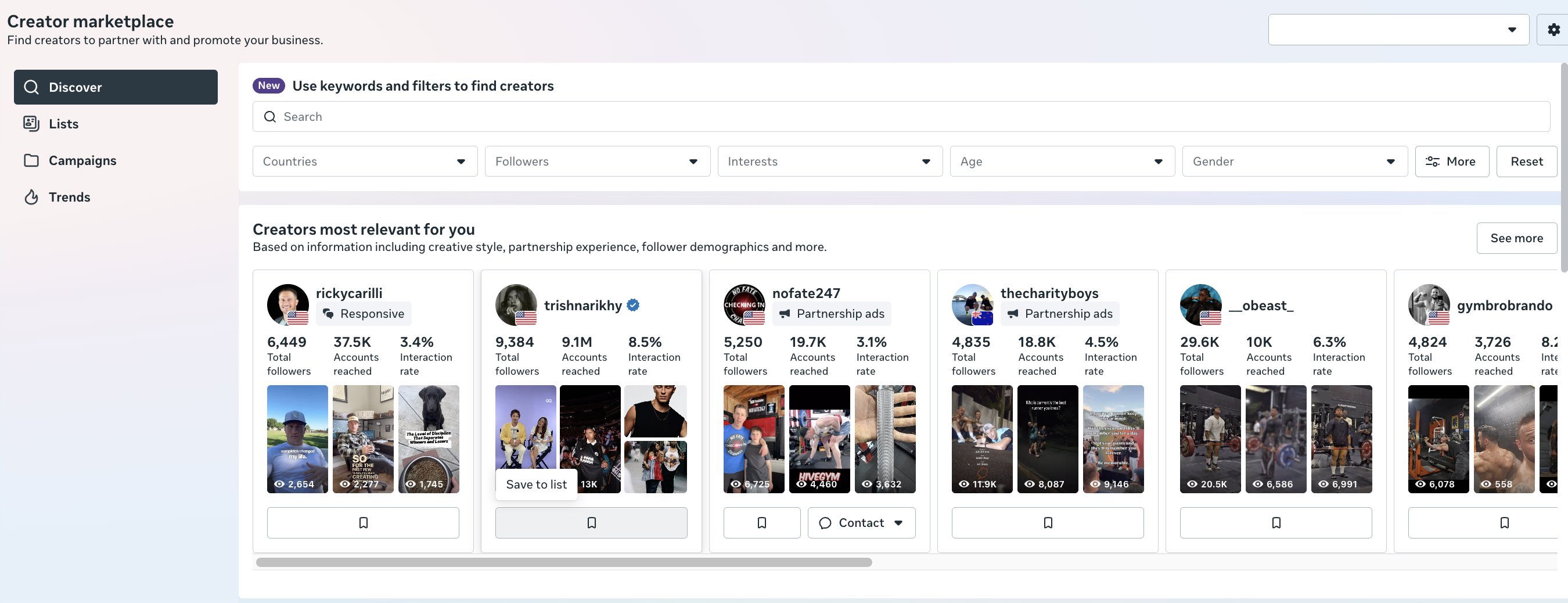
Flighted built Sett’s paid acquisition program from scratch using a mix of Advantage+ Targeting, creator whitelisting partnerships, cost-cap bidding, and strict performance thresholds. As results improved, budget was shifted toward the campaigns and creative concepts generating the most efficient new-customer growth.
The strongest gains came from creator-led ads and landing-page testing. Whitelisted testimonial content outperformed most brand-led creative, while an educational “10 Reasons Why” landing page generated more purchases and subscriptions than the original product page. Combined with tighter attribution and audience exclusions, these changes helped Sett more than double spend while cutting CPA by over 75%.
[Read the complete Sett Meta Ads case study for the full strategy and performance breakdown.]
Advanced Supplement Meta Ads Strategies
Once the compliant foundation above is running, these are the moves that separate supplement brands that scale profitably from the ones that stall.
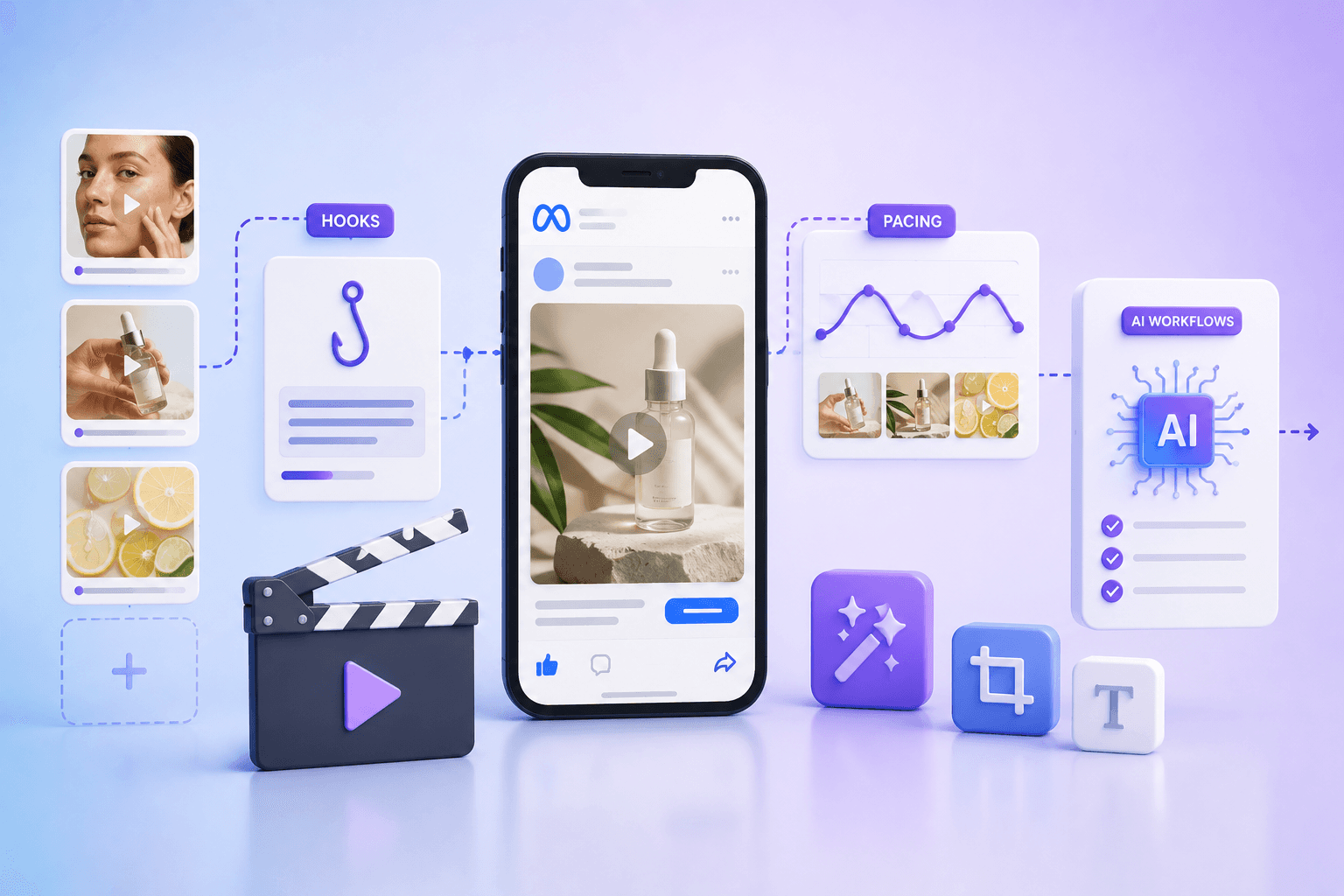
Mechanism-Based Hooks: Focus on how ingredients work and daily routines rather than "miracle" results to ensure ads pass review.
LTV-Focused Bidding: Target ROAS against 90-day lifetime value; supplements are a repeat-purchase business where first-order break-even is often a win.
Review-Resistant Creative: Build a library of UGC, founder stories, and ingredient explainers that are substantiable and compliant at scale.
Broad Targeting: Use Advantage+ to let the algorithm find buyers through creative signals rather than restrictive interest layers.
Conversion-Optimized Landing Pages: Use bundles and subscribe-and-save offers to lift AOV and lock in repeat revenue immediately.
What Ad Formats Work Best for Supplement Facebook Ads?
Format choice affects both engagement and how Meta reviews your content. Different formats let you tell your story in distinct, compliant ways.
Video ads
Video works exceptionally well for supplements because it demonstrates product use and builds trust through authentic storytelling. Aim for a strong hook in the first 3 seconds—that's when you capture or lose attention. Educational content explaining ingredients or showing real usage tends to perform better than polished brand spots.
Carousel ads
Carousels let you showcase different benefits across multiple cards, highlight key ingredients, or feature your product lineup. The format breaks information into digestible pieces without consolidating claims into a single statement that might get flagged. Think of each card as answering one specific question a potential customer might have.
Instant Experience ads
Instant Experience opens a full-screen, immersive landing page within the Facebook or Instagram app. It's ideal for longer-form educational content about ingredients, sourcing, and benefits—all without forcing users to leave the platform. The format works particularly well for higher-priced supplements where buyers want more information before purchasing.
How Should I Target Supplement Ads on Facebook?
Targeting for supplements requires care. You cannot exploit health fears or target based on medical conditions. Compliant approaches focus on reaching interested audiences through lifestyle signals instead.
Broad targeting with Advantage Plus audiences
Meta's Advantage+ campaigns often outperform narrow interest targeting for supplements. Going broad and letting the algorithm find likely purchasers typically delivers better efficiency than manual targeting attempts. The machine learning has gotten remarkably good at identifying buyers when you give it enough conversion data to work with.
Layering interest audiences for wellness products
To reach health-conscious users, layer interests like fitness, nutrition, yoga, and healthy cooking. This targets proactive lifestyle choices rather than specific health conditions—a critical distinction for compliance. You're reaching people who care about wellness, not people Meta has identified as having health problems.
Using first-party data and email lists
Custom audiences from existing customer lists and website visitors remain the most powerful targeting method. Lookalike audiences built from your best purchasers often become the highest-performing option for supplement brands. If you have a customer list of even a few thousand buyers, start there.
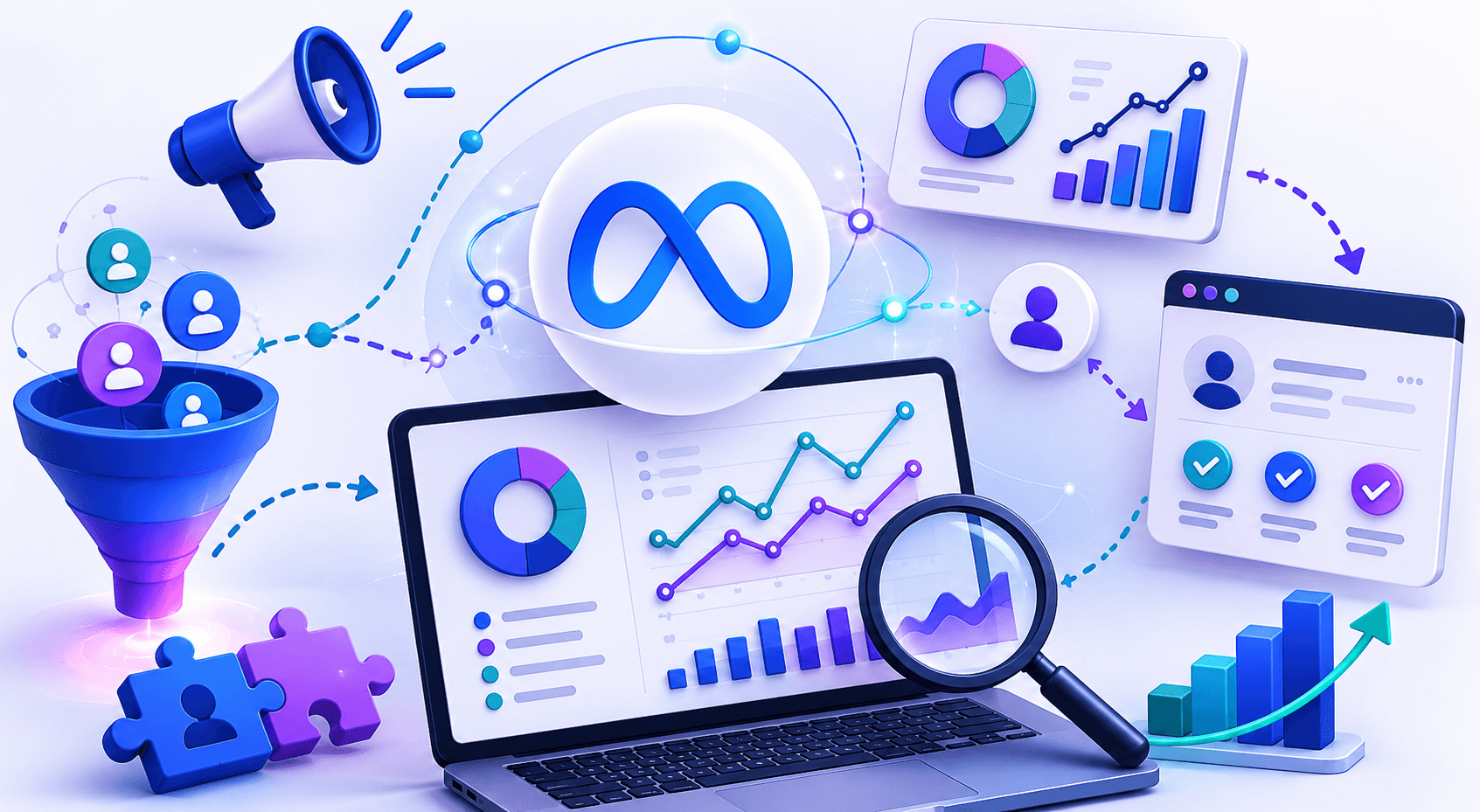
How to Build Retargeting Funnels for Supplement Facebook Ads
Supplements are considered purchases. Most customers interact with a brand multiple times before buying, which makes structured retargeting essential for profitability.
1. Segment by engagement depth
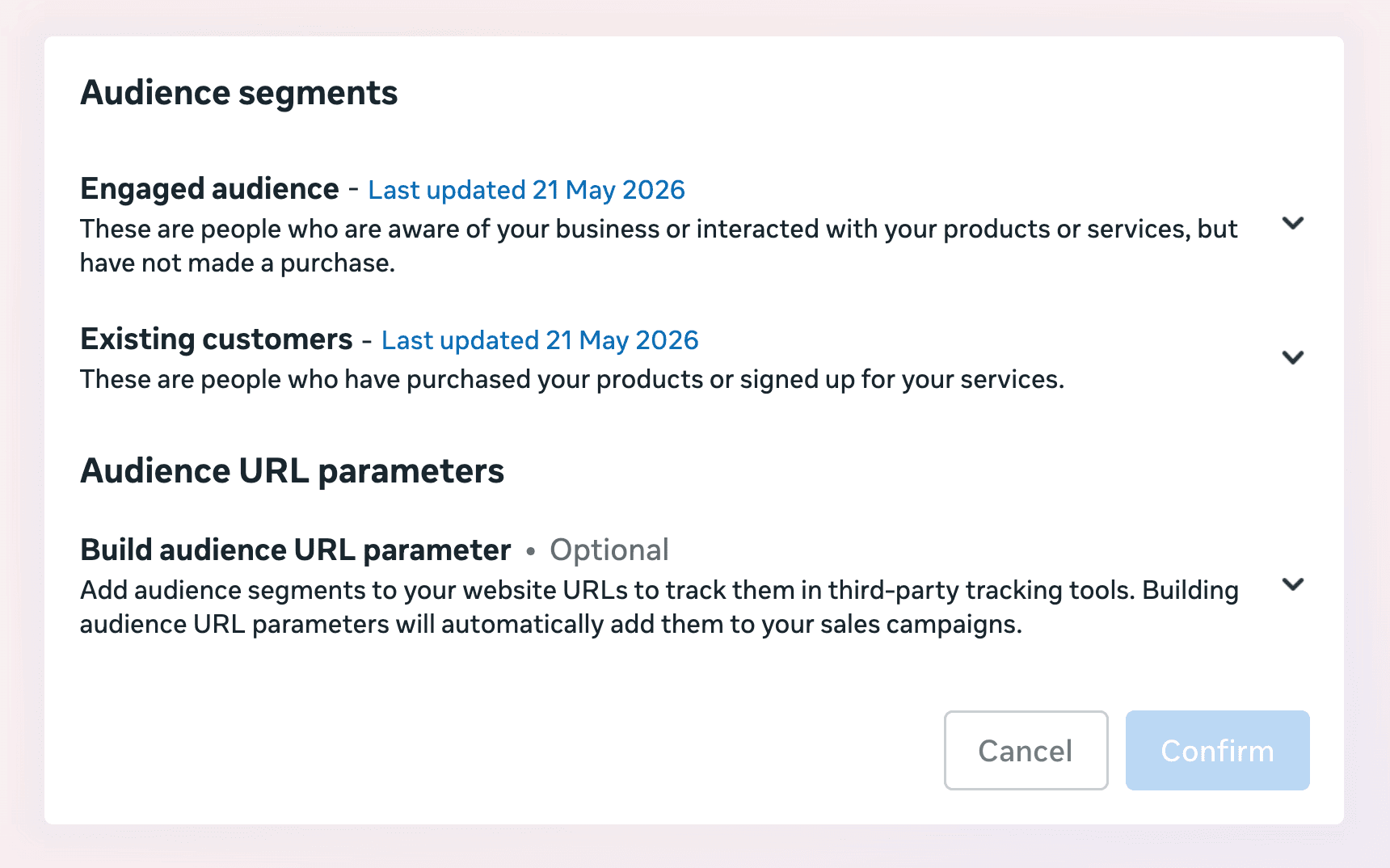
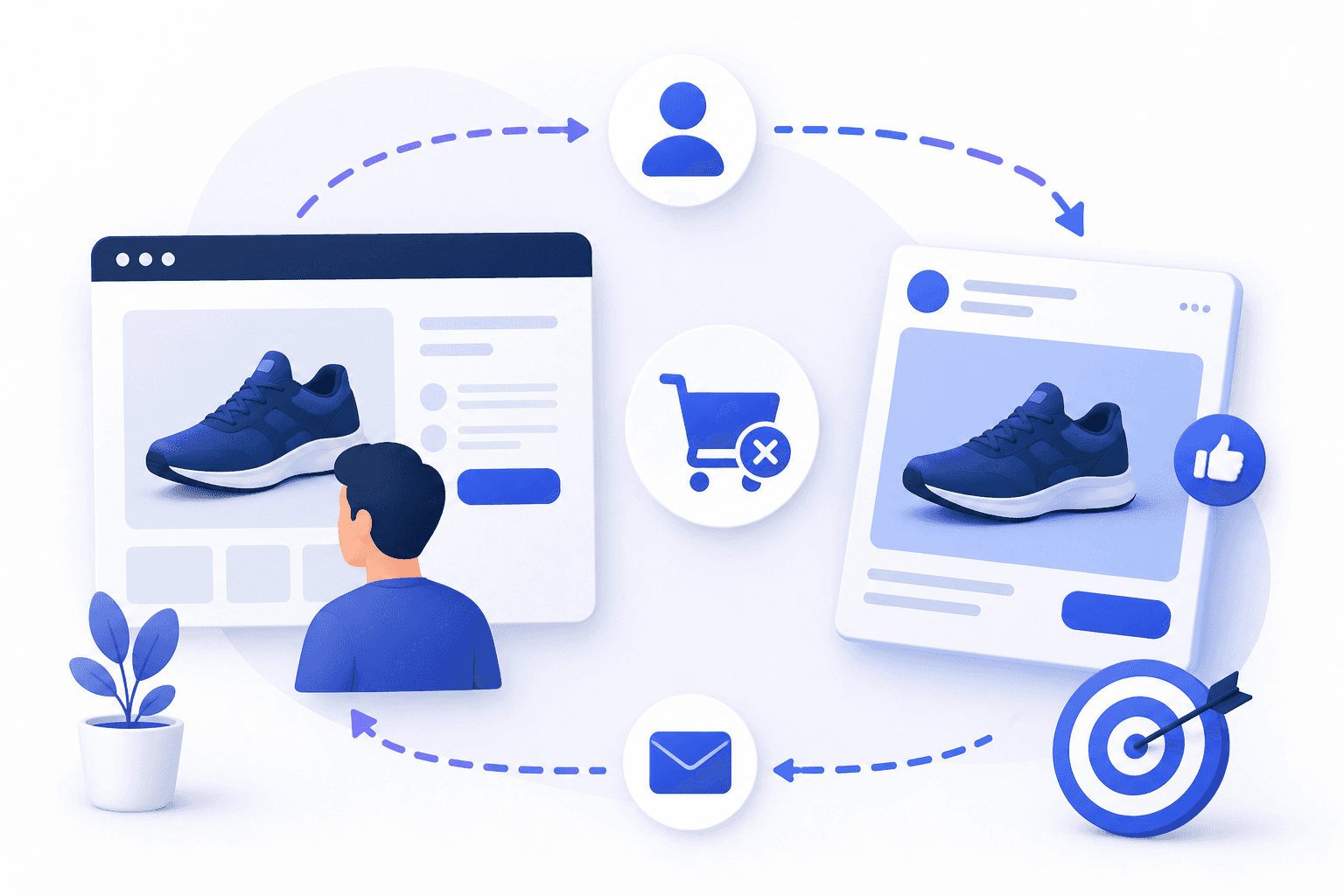
Create different audience segments based on interaction level: video viewers, page visitors, add-to-cart abandoners, and past purchasers. Each segment sits at a different buying stage and responds to different messaging. Someone who watched 75% of your video ad is much warmer than someone who scrolled past a static image.
2. Match creative to funnel stage
Tailor your creative to where users are in their journey:
Top-funnel: Educational content introducing your brand and the problem you solve—typically longer VSL-style videos or day-in-the-life UGC
Mid-funnel: Comparison angles, testimonials, and feature breakdowns in both video and static formats
Bottom-funnel: Clear CTAs, special offers, and urgency—usually more static-heavy
The messaging changes, but you're still optimizing for purchase throughout. The funnel distinction is about creative approach, not campaign objective.
3. Launch top-of-funnel campaigns to avoid fatigue
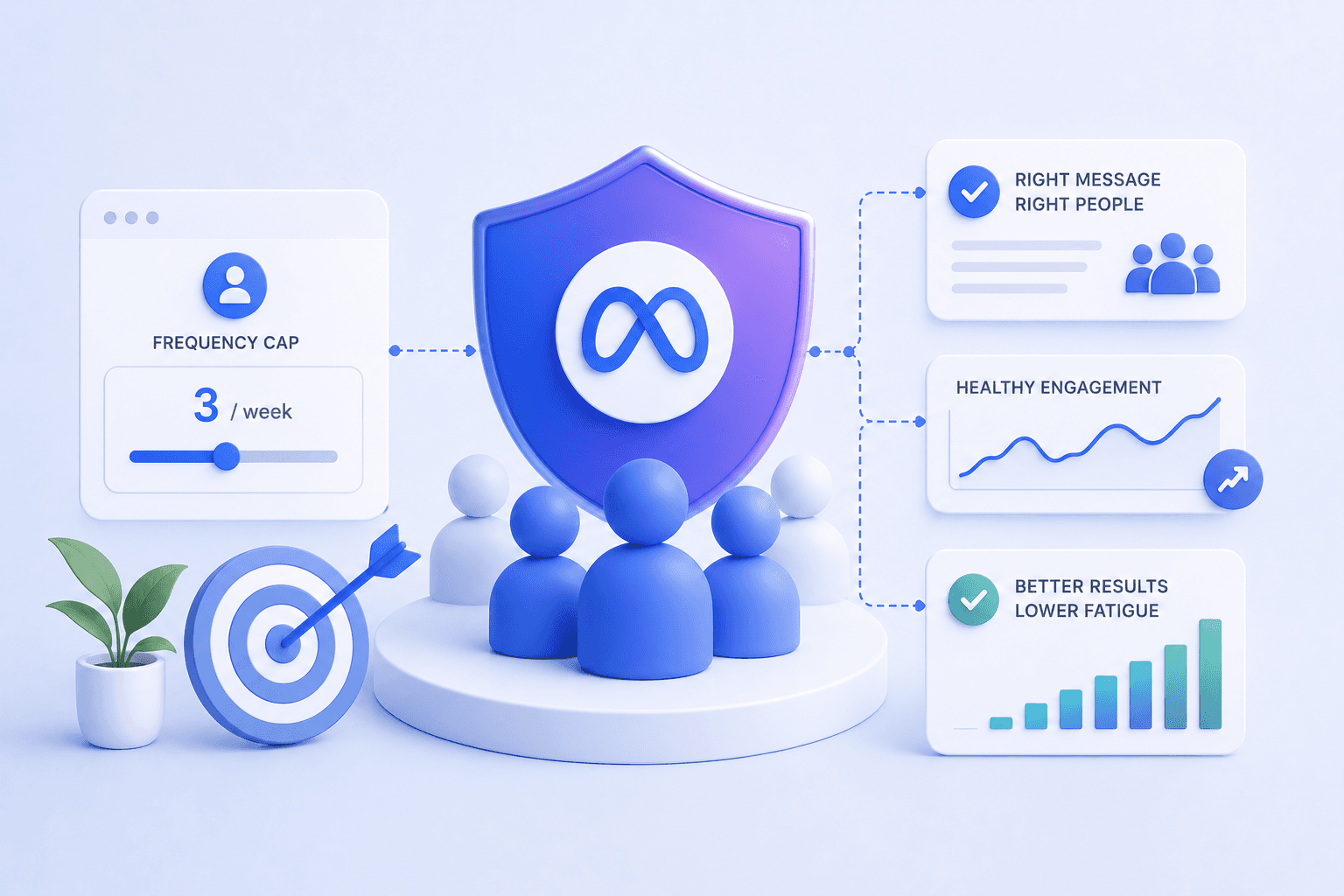
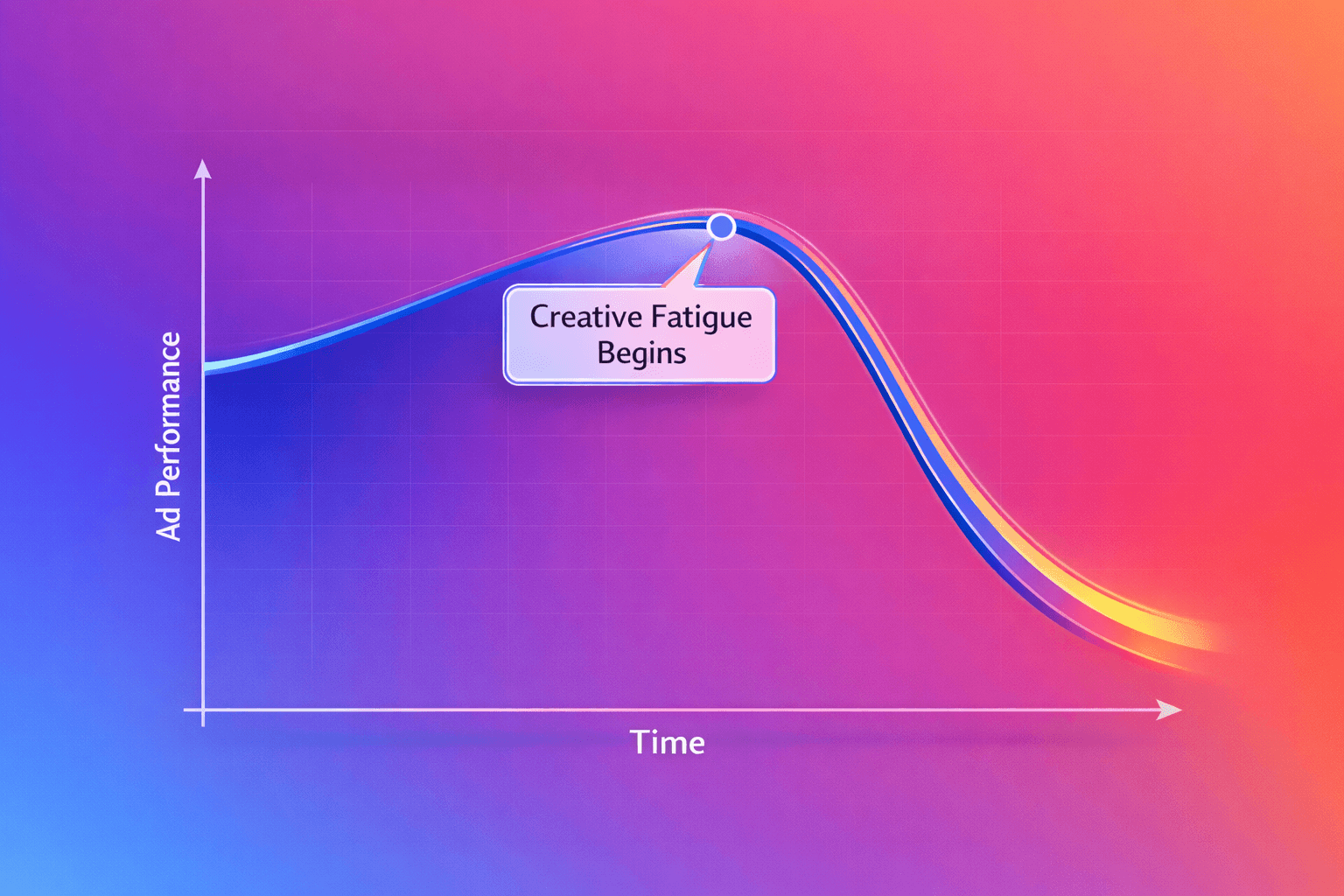
Over-exposing users to the same ad kills performance. Consider launching awareness campaigns with heavy exclusions (site visitors, ad engagers) to limit frequency. This delays creative fatigue across all assets and keeps your frequency low. When the same person sees your ad eight times in a week, performance drops and brand perception suffers.
Landing Page Optimization for Supplement Ad Traffic
Ads only succeed when the landing page converts. The landing page experience also directly impacts your ad's quality score and delivery costs within Meta's system.
Mobile-first design for supplement landing pages
The vast majority of supplement ad traffic comes from mobile devices. Fast load times, thumb-friendly buttons, and scannable content above the fold aren't preferences—they're requirements for conversion. If your page takes more than 3 seconds to load on mobile, you're losing a significant portion of your traffic before they even see your offer.
Matching ad messaging to landing page headlines
Message match is critical. Your landing page headline mirrors the ad creative the user just clicked. Any disconnect causes confusion, high bounce rates, and wasted spend. If your ad promises "natural energy support," your landing page headline says the same thing—not something about sleep quality or stress relief.
Continuous A/B testing for conversion rate lifts
A landing page is an ongoing system, not a one-time build. Continuously test headlines, CTAs, social proof placement, and page length. Data-driven optimization maximizes your return on ad spend over time. Even small conversion rate improvements compound significantly when you're spending thousands on traffic.
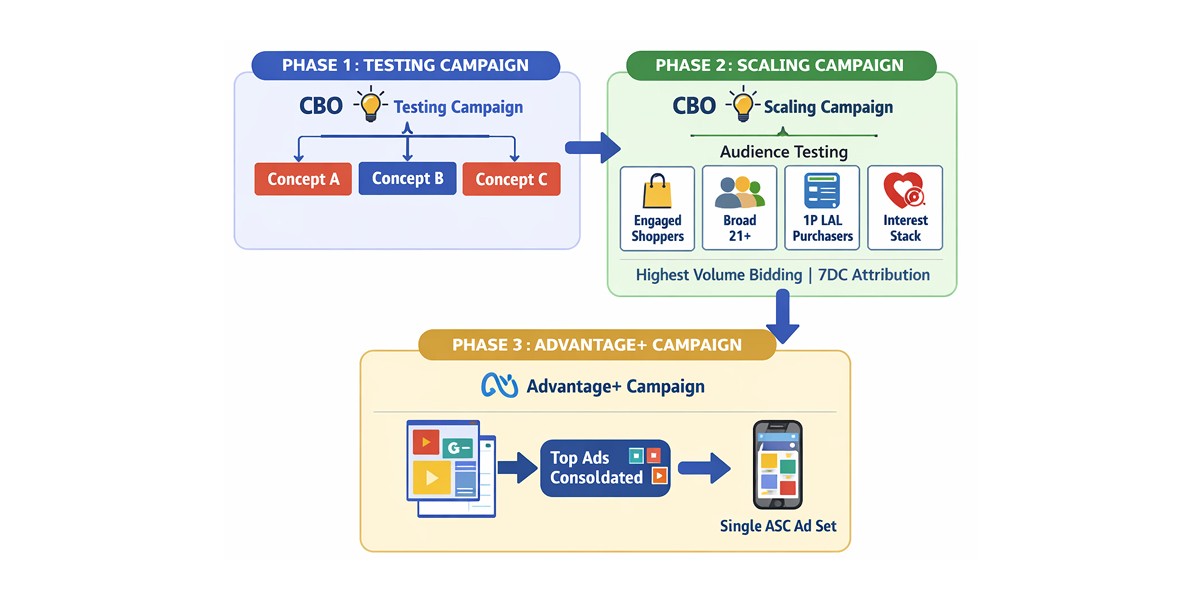
How to Test and Scale Facebook Ads for Supplements
A clear methodology for testing and scaling separates profitable brands from those burning budget. Here's the framework that works.
1. Structure creative tests with isolated variables
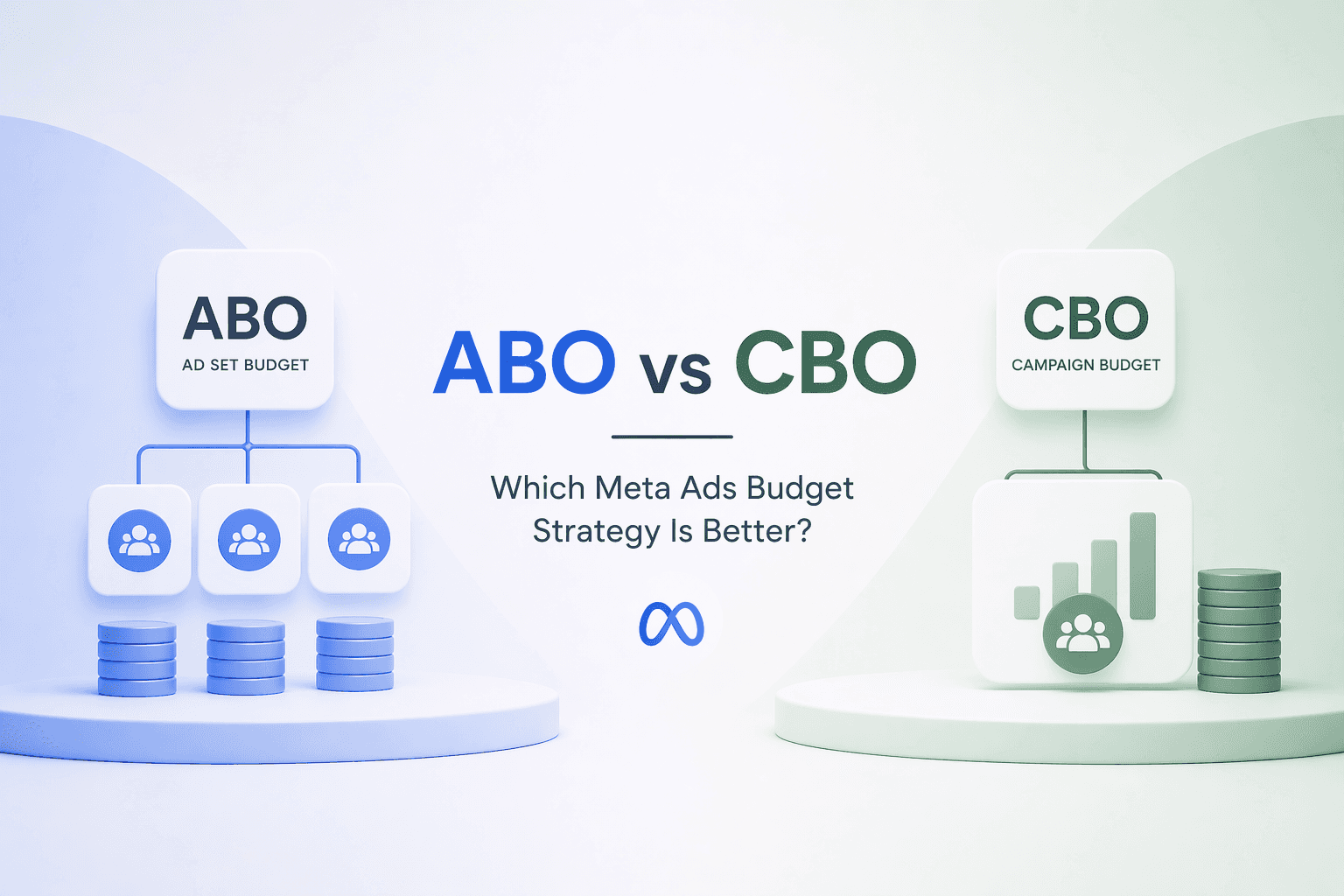
Change only one variable at a time—hook, visual, copy, or CTA. This tells you exactly what caused performance changes. Use campaign budget optimization (CBO) to let Meta distribute budget toward winning variations automatically. Testing multiple variables at once makes it impossible to know what actually worked.
2. Set CPA thresholds before scaling
Establish your target CPA (cost per acquisition) based on product gross margins and customer lifetime value before increasing spend. Scaling ads above your CPA threshold leads to unprofitable growth. Know your numbers first, then scale the winners.
3. Increase budget in controlled increments
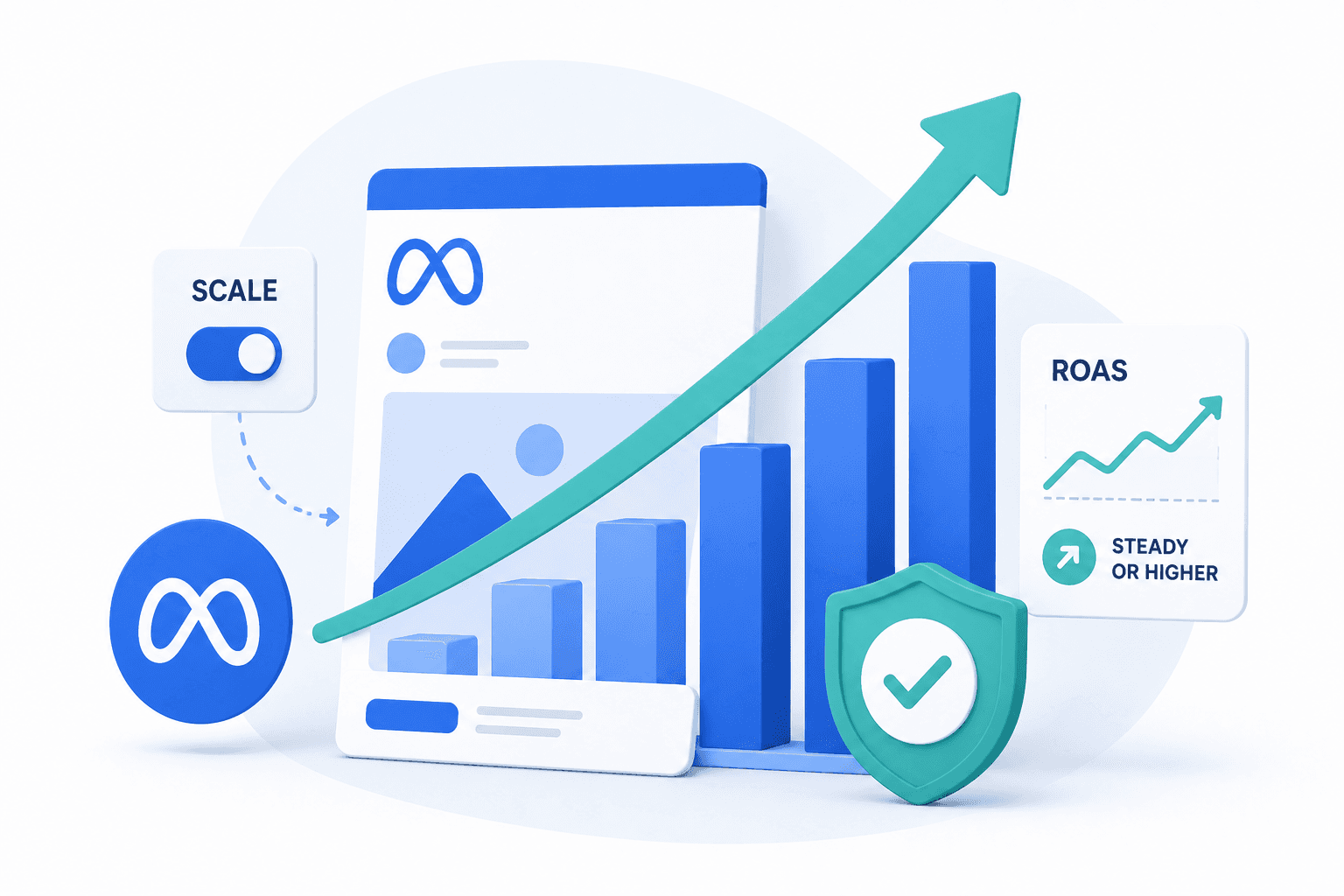
Drastic budget jumps reset the learning phase and destabilize performance. Increase spend gradually—around 20% every few days—to let the algorithm adapt smoothly. Going from $100/day to $500/day overnight almost always tanks performance.
Key Metrics for Supplement Facebook Ad Performance
Tracking the right metrics reveals what's working and what isn't:
ROAS (Return on Ad Spend): Revenue generated per dollar spent on ads
CPA (Cost Per Acquisition): Average cost to acquire one customer
CTR (Click-Through Rate): Percentage of viewers who click your ad
Frequency: Average times each person sees your ad
Conversion Rate: Percentage of landing page visitors who purchase
Funnel Stage | Primary Metric | Target Benchmark |
|---|---|---|
Awareness | CTR & Frequency | Low frequency / High engagement |
Acquisition | CPA & ROAS | 1.5+ ROAS (New Customers) |
Retention | 90-Day LTV | 3:1 LTV to CAC Ratio |
What Is a Good ROAS for DTC Meta Ads on Supplements?"
Most supplement brands underestimate their real ROAS because they benchmark against single-order revenue instead of lifetime value. A first-order ROAS of 1.0-1.5x is healthy for a subscription supplement, since subscribe-and-save and reorders carry the actual margin. If you're not selling on subscription, target a first-order ROAS closer to 2.0-2.5x to cover the full cost of acquisition without repeat revenue backing it up.
The benchmark that matters most is blended ROAS at 90 days post-purchase, not day-of-purchase ROAS in Meta's dashboard. A brand showing 1.2x on day one but 3.8x by day 90 is in a completely different financial position than a brand that stays flat at 1.2x. Build your dashboards around the 90-day number, and treat the platform-reported ROAS as a leading indicator, not the scoreboard.
How Do I Calculate True Blended CAC for a Supplement Brand on Meta?
Blended CAC (total ad spend divided by total new customers) understates what you're actually paying for the customers Meta ads generated, because it folds in organic and branded search that would have converted anyway. Calculate paid CAC separately: Meta spend divided by new customers attributed specifically to Meta, pulled from your attribution tool or Meta's own reporting with a 7-day click window.
Once you have paid CAC, hold it against 90-day LTV, not first-order AOV. A supplement brand with a $35 AOV and a $45 CAC looks upside down on paper, but if 40% of customers subscribe and stay for 4+ months, the LTV easily clears $140, and that CAC is a bargain. Run this math before you set scaling budgets. Brands that scale off first-order economics alone either under-invest and lose share, or over-invest and can't sustain it.
How Much Should a Supplement Brand Spend on Meta Ads?
Spend enough to exit the learning phase, which requires roughly 50 conversions per ad set per week. Below that threshold, Meta's algorithm doesn't have enough signal to optimize delivery, and performance stays volatile regardless of creative quality. Back into your minimum viable budget by dividing 50 by your expected conversion rate and multiplying by your target CPA.
For a supplement brand just getting started, that typically means a starting daily budget of $100-300 to gather enough data within 1-2 weeks. Brands doing $1M-$10M in revenue usually run $15K-$60K per month on Meta specifically, scaled up or down based on category competitiveness and how many SKUs are being tested concurrently. Scale in 20% increments every few days once a campaign clears your CPA threshold. Larger jumps reset the learning phase and destabilize delivery.
FAQs About Supplement Facebook Ads
How much should supplement brands spend on Facebook ads to see results?
Budget depends on price point and target CPA, but brands typically benefit from enough spend to exit the learning phase—around 50 conversions per week—to generate meaningful optimization data. Below that threshold, the algorithm doesn't have enough signal to optimize effectively.
Can supplement brands make health claims in Facebook ads?
No. Claims suggesting a product can cure, treat, or prevent a disease are strictly prohibited. Compliant alternatives focus on lifestyle benefits like "supports joint comfort" rather than "cures joint pain."
How long does it take for supplement Facebook ads to generate sales?
Initial sales can appear within days, but a proper testing period of 1-2 weeks is typically required before you can optimize for consistent results. Patience during the learning phase pays off in more stable performance later.
What are the most common reasons supplement ads get rejected on Meta?
Most rejections stem from prohibited health claims (even implied ones), restricted before-and-after imagery, or flagged ingredients. Reviewing Meta's policies before submission prevents most issues. When in doubt, err on the side of softer language.
Can supplement brands use before-and-after images in Meta ads?
Before-and-after images are prohibited when showing unrealistic transformations like weight loss. You can show these images sequentially in video content, but side-by-side imagery often triggers automated ad rejections on Meta.
Should supplement brands use broad targeting or interest stacking on Meta?
Broad targeting paired with Advantage+ typically outperforms narrow interest stacks for supplements, since the category has wide appeal and the algorithm finds buyers faster with more room to search. Reserve interest layering for smaller budgets where Advantage+ hasn't gathered enough conversion data yet to perform well unassisted.
How do I scale supplement Meta ad spend without losing ROAS?
Increase budget in 20% increments every 3-4 days rather than large jumps, which reset the learning phase and destabilize delivery. Scale the specific ad sets and creative concepts already clearing your CPA threshold, and keep feeding in new creative so frequency doesn't climb before spend does.
What is a healthy LTV to CAC ratio for supplement brands?
A 3:1 LTV to CAC ratio is a common target, meaning a customer's lifetime value should be at least three times what it cost to acquire them. Subscription-heavy supplement brands with strong retention can operate profitably closer to 2:1, since reorders continue generating margin well past the initial acquisition cost.