UGC Ads for Meta in 2026: Examples, Licensing, and Whitelisting
Meta Ads
March 15th 2023
Table Of Contents
UGC (user-generated content) has become the default creative format for Meta ads, and for good reason: it looks native, it builds trust, and it can be produced at the volume Meta's delivery now rewards. This guide is written for advertisers, not aspiring creators. It covers what UGC ads are, the formats that actually convert, how to source and license creator content, and how to scale it with whitelisting, so you can turn creator videos into a repeatable performance channel.
What are UGC ads?
UGC ads are paid ads built from content that looks like it was made by a real customer or creator rather than a brand. Instead of polished studio production, they use authentic, phone-shot video and photos: testimonials, unboxings, tutorials, and reviews that feel native to the feed. The content can come from actual customers, or, more commonly for paid campaigns, from hired UGC creators who produce content specifically for your brand. The goal is simple: an ad that does not look like an ad.
Why UGC ads work on Meta
Three reasons UGC has taken over Meta feeds:
It looks native. UGC blends into organic content, so people watch it instead of scrolling past a polished commercial.
It builds trust. A real person talking about a product is more believable than a brand talking about itself.
It scales. Meta's delivery rewards volume and freshness, and UGC is far cheaper to produce at volume than studio shoots. That makes it the practical engine behind a high-tempo creative testing program.
For producing creative at volume across formats, see our guide to scaling creative production.
UGC ad examples: the formats that convert
“UGC” is a style, not a single format. These are the formats that reliably perform, and most winning accounts rotate through several:
Testimonial or review: a creator talks to camera about their experience and result. The workhorse format.
Unboxing or first impressions: filming the package opening and a genuine first reaction. Strong for new or gifting products.
Before and after: showing a transformation or outcome. Powerful wherever the result is visible.
Tutorial or how-to: a creator demonstrates using the product, doubling as education and proof.
Problem and solution: the creator names a pain point, then positions the product as the fix. Great for prospecting.
Three reasons I love it: a fast, punchy listicle that packs multiple hooks into one ad.
Day in the life or native integration: the product woven into a routine, so it never reads as an ad.
Do not pick one. Test several formats and several creators at once, because you cannot predict which combination your audience will respond to.
Where to source UGC creators (in brief)
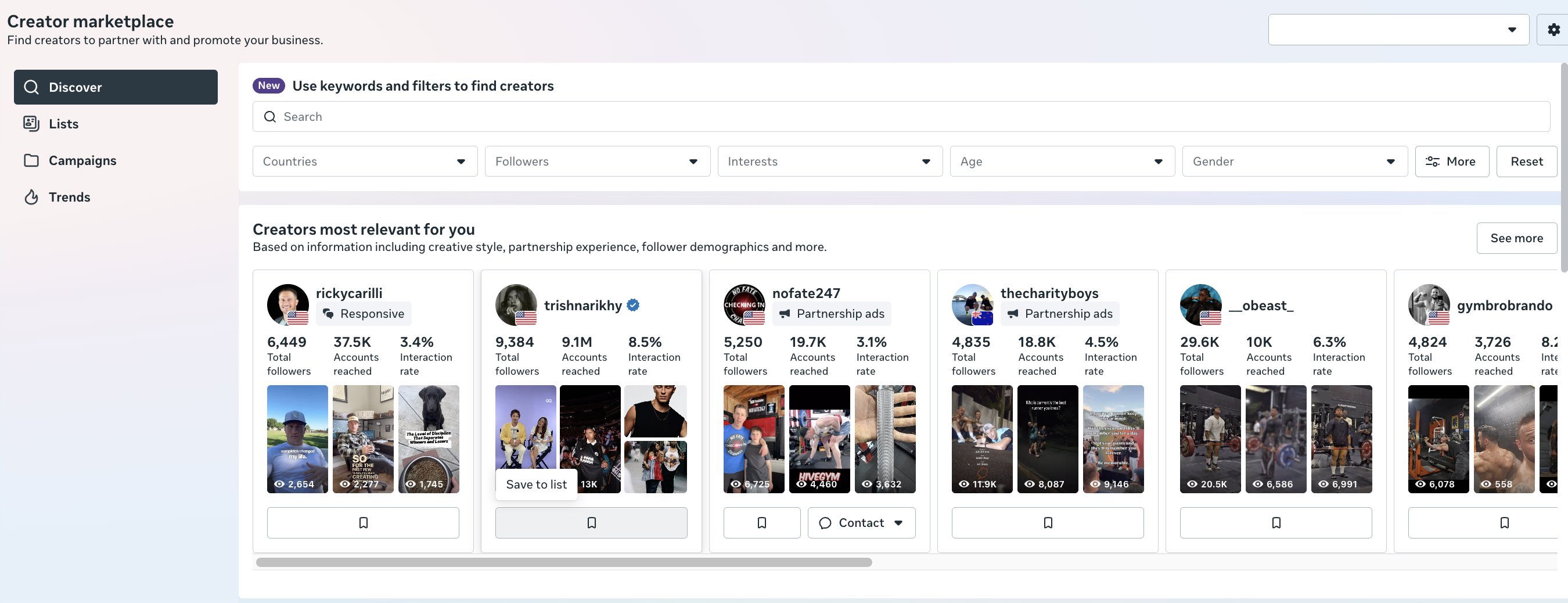
You have three main options: your own customers (offer a discount, free product, or small fee for content plus usage rights), UGC marketplaces like Billo, Insense, or the TikTok Creator Marketplace, or direct outreach to creators whose style fits your brand. Our guide to scaling creative production breaks down each sourcing channel in depth, from customer content to UGC platforms to TikTok affiliates, so this post stays focused on turning that content into ads.
Whatever the source, the rule that matters for ads is to start with several creators, not one. The most expensive UGC mistake is hiring a single creator, deciding UGC does not work when their content underperforms, and quitting, when more often it was that creator's audience fit, not UGC itself. Keep a rotating roster of three to five active creators, because creator fatigue is as real as creative fatigue.
Usage rights and licensing: get it in writing
Before you run anything as an ad, get the rights in writing. A handshake is not a license, and Meta ads live in public. At minimum, your agreement should spell out:
Usage term: how long you can use the content, for example 6 or 12 months, or in perpetuity.
Paid usage: explicit permission to use the content in paid ads, not just organic reposts.
Whitelisting rights: whether you can run ads through the creator's own handle (covered next), which is a separate permission.
Exclusivity: whether the creator can make similar content for competitors during the term.
Music and third-party assets: make sure any sound is licensed for ads, or replace it. Copyrighted music is a common reason UGC ads get rejected or pulled.
Cheap content with unclear rights is expensive later. Standardize a simple licensing agreement and use it with every creator.
Whitelisting: running ads from the creator’s handle
Whitelisting (Meta calls it partnership ads, and you will also hear it called creator licensing) lets you run paid ads through a creator's own Instagram or Facebook handle instead of, or alongside, your brand page. You still build and control everything in Ads Manager, with your budget and targeting, but the ad appears to come from the creator.
Why it matters: the ad carries the trust and social proof of the creator's account, and it looks even more native than a standard UGC ad. Meta's own data shows partnership ads deliver, on average, about 19% lower CPAs and 13% higher click-through rates than standard ads. Most brands underuse it.
How to set it up:
The creator needs a public Instagram account in Creator or Business mode, with a linked Business account.
In Ads Manager, use the Partnership Ad toggle: add the creator as a partner by handle, send the partnership request, and have them approve it. The creator can also send you an ad code to enter directly.
Then build a new ad or boost an existing creator post, and target and optimize it like any other campaign.
There are two main flavors: creator-only ads (the ad runs purely under the creator's handle) and joint brand-and-creator ads (both names appear). Test both. And remember whitelisting is a permission, so it must be in your licensing agreement up front.
How to test and scale UGC ads
UGC only becomes a performance channel when you treat it as a testing system, not a one-off shoot:
Brief for direction, not a script. Give creators proven talking points, hook examples, and references from winning ads, then let them deliver in their own voice. Over-scripting kills the authenticity that makes UGC work. For scripting UGC specifically, see our DTC creative playbook.
Test multiple creators and formats at once. Find the creator-audience fit first, then invest in the ones that resonate.
Feed winners into whitelisting. Once a creator's content performs from your brand account, run it through their handle to squeeze out more efficiency.
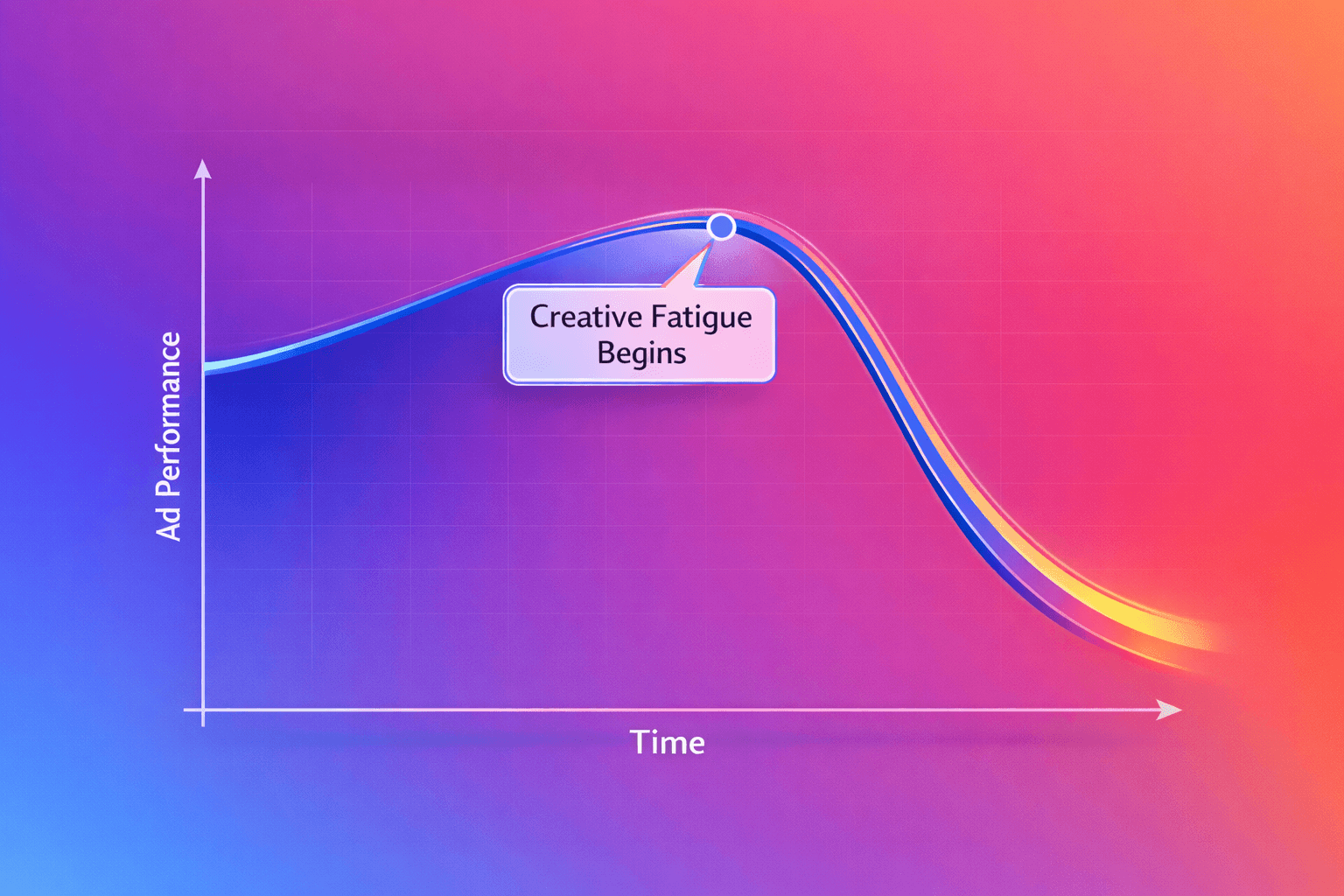
Keep the roster fresh. Rotate three to five creators and add new ones continuously, because even a great creator's content fatigues.
How Flighted works
We build UGC into a repeatable creative engine: sourcing and briefing creators, standardizing licensing, running whitelisting through creator handles, and testing at the tempo Meta's algorithm rewards. Creative is the biggest lever on Meta performance, and UGC is the most cost-effective way to pull it.
If you want a team that turns creator content into scalable winners, see our Meta ads agency services or book a call.
Frequently asked questions
What are UGC ads?
Paid ads built from authentic, creator-style content (testimonials, unboxings, tutorials, reviews) that looks native to the feed rather than like a brand commercial. The content comes from real customers or, more often, from hired UGC creators.
How do you source UGC creators?
Through UGC marketplaces (Billo, Insense, the TikTok Creator Marketplace), by recruiting your own customers with a discount or fee, or by reaching out to creators directly. Vet for brand fit and start with several creators rather than one.
Do you need usage rights to run UGC as ads?
Yes. Get written permission for paid usage, a defined usage term, whitelisting rights if you want to run ads from the creator's handle, and confirmation that any music is licensed for ads. A handshake is not a license.
What is whitelisting (partnership ads)?
Running paid ads through a creator's own Instagram or Facebook handle, set up in Ads Manager, so the ad carries their credibility while you keep control of budget and targeting. Meta reports partnership ads average lower CPAs and higher click-through rates than standard ads.
UGC (user-generated content) has become the default creative format for Meta ads, and for good reason: it looks native, it builds trust, and it can be produced at the volume Meta's delivery now rewards. This guide is written for advertisers, not aspiring creators. It covers what UGC ads are, the formats that actually convert, how to source and license creator content, and how to scale it with whitelisting, so you can turn creator videos into a repeatable performance channel.
What are UGC ads?
UGC ads are paid ads built from content that looks like it was made by a real customer or creator rather than a brand. Instead of polished studio production, they use authentic, phone-shot video and photos: testimonials, unboxings, tutorials, and reviews that feel native to the feed. The content can come from actual customers, or, more commonly for paid campaigns, from hired UGC creators who produce content specifically for your brand. The goal is simple: an ad that does not look like an ad.
Why UGC ads work on Meta
Three reasons UGC has taken over Meta feeds:
It looks native. UGC blends into organic content, so people watch it instead of scrolling past a polished commercial.
It builds trust. A real person talking about a product is more believable than a brand talking about itself.
It scales. Meta's delivery rewards volume and freshness, and UGC is far cheaper to produce at volume than studio shoots. That makes it the practical engine behind a high-tempo creative testing program.
For producing creative at volume across formats, see our guide to scaling creative production.
UGC ad examples: the formats that convert
“UGC” is a style, not a single format. These are the formats that reliably perform, and most winning accounts rotate through several:
Testimonial or review: a creator talks to camera about their experience and result. The workhorse format.
Unboxing or first impressions: filming the package opening and a genuine first reaction. Strong for new or gifting products.
Before and after: showing a transformation or outcome. Powerful wherever the result is visible.
Tutorial or how-to: a creator demonstrates using the product, doubling as education and proof.
Problem and solution: the creator names a pain point, then positions the product as the fix. Great for prospecting.
Three reasons I love it: a fast, punchy listicle that packs multiple hooks into one ad.
Day in the life or native integration: the product woven into a routine, so it never reads as an ad.
Do not pick one. Test several formats and several creators at once, because you cannot predict which combination your audience will respond to.
Where to source UGC creators (in brief)
You have three main options: your own customers (offer a discount, free product, or small fee for content plus usage rights), UGC marketplaces like Billo, Insense, or the TikTok Creator Marketplace, or direct outreach to creators whose style fits your brand. Our guide to scaling creative production breaks down each sourcing channel in depth, from customer content to UGC platforms to TikTok affiliates, so this post stays focused on turning that content into ads.
Whatever the source, the rule that matters for ads is to start with several creators, not one. The most expensive UGC mistake is hiring a single creator, deciding UGC does not work when their content underperforms, and quitting, when more often it was that creator's audience fit, not UGC itself. Keep a rotating roster of three to five active creators, because creator fatigue is as real as creative fatigue.
Usage rights and licensing: get it in writing
Before you run anything as an ad, get the rights in writing. A handshake is not a license, and Meta ads live in public. At minimum, your agreement should spell out:
Usage term: how long you can use the content, for example 6 or 12 months, or in perpetuity.
Paid usage: explicit permission to use the content in paid ads, not just organic reposts.
Whitelisting rights: whether you can run ads through the creator's own handle (covered next), which is a separate permission.
Exclusivity: whether the creator can make similar content for competitors during the term.
Music and third-party assets: make sure any sound is licensed for ads, or replace it. Copyrighted music is a common reason UGC ads get rejected or pulled.
Cheap content with unclear rights is expensive later. Standardize a simple licensing agreement and use it with every creator.
Whitelisting: running ads from the creator’s handle
Whitelisting (Meta calls it partnership ads, and you will also hear it called creator licensing) lets you run paid ads through a creator's own Instagram or Facebook handle instead of, or alongside, your brand page. You still build and control everything in Ads Manager, with your budget and targeting, but the ad appears to come from the creator.
Why it matters: the ad carries the trust and social proof of the creator's account, and it looks even more native than a standard UGC ad. Meta's own data shows partnership ads deliver, on average, about 19% lower CPAs and 13% higher click-through rates than standard ads. Most brands underuse it.
How to set it up:
The creator needs a public Instagram account in Creator or Business mode, with a linked Business account.
In Ads Manager, use the Partnership Ad toggle: add the creator as a partner by handle, send the partnership request, and have them approve it. The creator can also send you an ad code to enter directly.
Then build a new ad or boost an existing creator post, and target and optimize it like any other campaign.
There are two main flavors: creator-only ads (the ad runs purely under the creator's handle) and joint brand-and-creator ads (both names appear). Test both. And remember whitelisting is a permission, so it must be in your licensing agreement up front.
How to test and scale UGC ads
UGC only becomes a performance channel when you treat it as a testing system, not a one-off shoot:
Brief for direction, not a script. Give creators proven talking points, hook examples, and references from winning ads, then let them deliver in their own voice. Over-scripting kills the authenticity that makes UGC work. For scripting UGC specifically, see our DTC creative playbook.
Test multiple creators and formats at once. Find the creator-audience fit first, then invest in the ones that resonate.
Feed winners into whitelisting. Once a creator's content performs from your brand account, run it through their handle to squeeze out more efficiency.
Keep the roster fresh. Rotate three to five creators and add new ones continuously, because even a great creator's content fatigues.
How Flighted works
We build UGC into a repeatable creative engine: sourcing and briefing creators, standardizing licensing, running whitelisting through creator handles, and testing at the tempo Meta's algorithm rewards. Creative is the biggest lever on Meta performance, and UGC is the most cost-effective way to pull it.
If you want a team that turns creator content into scalable winners, see our Meta ads agency services or book a call.
Frequently asked questions
What are UGC ads?
Paid ads built from authentic, creator-style content (testimonials, unboxings, tutorials, reviews) that looks native to the feed rather than like a brand commercial. The content comes from real customers or, more often, from hired UGC creators.
How do you source UGC creators?
Through UGC marketplaces (Billo, Insense, the TikTok Creator Marketplace), by recruiting your own customers with a discount or fee, or by reaching out to creators directly. Vet for brand fit and start with several creators rather than one.
Do you need usage rights to run UGC as ads?
Yes. Get written permission for paid usage, a defined usage term, whitelisting rights if you want to run ads from the creator's handle, and confirmation that any music is licensed for ads. A handshake is not a license.
What is whitelisting (partnership ads)?
Running paid ads through a creator's own Instagram or Facebook handle, set up in Ads Manager, so the ad carries their credibility while you keep control of budget and targeting. Meta reports partnership ads average lower CPAs and higher click-through rates than standard ads.
Related Posts
Related Posts
Related Posts
Related Posts






















Ready to talk?
Book A Call
New York, NY 11217
hello@flighted.co
© Flighted, 2026
Ready to talk?
Book A Call
New York, NY 11217
hello@flighted.co
© Flighted, 2026