Most e-commerce brands run on a two-peak calendar: Memorial Day and Black Friday/Cyber Monday. The months in between? Revenue dips, ad accounts go quiet, and teams wait for the next big event to arrive.
This guide has the four peaks theory explained in full.
The Four Peaks Theory is an e-commerce strategy that creates four major sales events per year—one per quarter—instead of concentrating revenue in just two windows. Consider this the four peaks theory explained for operators ready to build a year-round revenue calendar. It covers how the model works, what each peak looks like, and how to structure paid media, creative, and landing pages to execute it profitably.
Key Takeaways
The Four Peaks Theory creates four major sales events yearly—one per quarter—instead of two.
Spreading revenue across four peaks reduces Q4 dependency and creates more consistent cash flow, though it increases operational and creative complexity.
Each peak requires coordinated execution across paid media, creative strategy, and landing pages. All three work together, not in isolation.
Brands adopting four peaks gain more creative testing windows and smoother inventory cycles, but they also risk margin erosion if discounting becomes too frequent.
Success depends on backwards planning from Q4, varying offer types by peak, and ramping spend and creative at least six weeks before each event.
What Is the Four Peaks Theory Explained
The Four Peaks Theory is an e-commerce marketing strategy that advocates for creating at least four major sales events throughout the year. Rather than concentrating revenue around two seasonal peaks—Memorial Day in Q2 and Black Friday/Cyber Monday in Q4—brands intentionally build a promotional moment in each quarter. This stabilizes revenue and optimizes ad performance year-round.
The idea is simple. Most e-commerce brands operate on a two-peak calendar, which means sharp revenue drops between peaks—U.S. e-commerce sales fell 17.2% in Q1 2026 from Q4 2025 alone.
The idea is simple. Most e-commerce brands operate on a two-peak calendar, which means long stretches of low revenue between big events. The Four Peaks Theory argues that you're leaving money on the table by only building promotional momentum twice a year.
Here's the difference:
Traditional two-peak model: Revenue concentrates in Q2 and Q4, leaving long gaps where cash flow dips and ad accounts go quiet
Four-peaks model: Each quarter has a planned revenue spike, distributing demand more evenly and giving brands more opportunities to test creative and scale profitably
Yes, this approach requires more work. However, the payoff is reduced dependency on Q4 and fewer "doldrums" months where you're just waiting for the next big event to arrive.
Origin of the Four Peaks Theory in E-Commerce
The theory came from DTC and e-commerce operators who noticed a pattern. Brands with consistent promotional calendars often outperformed brands betting everything on holiday.
As CAC (Customer Acquisition Cost) rose across Meta and Google, operators started looking for ways to maximize customer value year-round. They stopped hoping Q4 alone would save the year.
The concept gained traction in growth marketing circles, particularly among agencies managing high-volume ad spend. It reflects a shift from reactive, holiday-driven planning to proactive, calendar-based revenue architecture. For a broader overview of this approach, see The Four-Peaks Theory: E-Commerce Sales and Event Strategy.
Two Peaks vs Four Peaks E-Commerce Strategy
Neither model is universally better. The right choice depends on your product category, margin structure, and operational capacity.
Factor
Two-Peak Strategy
Four-Peak Strategy
Revenue distribution
Concentrated in Q2 and Q4
Spread across all quarters
Inventory planning
Harder to forecast; heavy Q4 load
Smoother; smaller per-peak inventory needs
Cash flow
Lumpy; long gaps between peaks
More consistent; shorter collection cycles
Creative fatigue risk
Lower (fewer campaigns)
Higher (requires more creative volume)
Paid media complexity
Simpler calendar
Requires year-round budget pacing
If you're running lean on creative resources or your product has strong natural seasonality, two peaks may still make sense. On the other hand, if you're trying to reduce Q4 risk or want more data points for creative testing, four peaks gives you that structure.
The Four Peaks of the E-Commerce Calendar
Each peak corresponds to a quarter and anchors around specific holidays or cultural moments. The goal is to give customers a reason to buy in every season, not just when everyone else is running sales.
1. Q1 New Year Reset Peak
Q1 anchors around New Year's resolutions, Valentine's Day, and President's Day sales. Consumers are in a "fresh start" mindset, focused on self-improvement and gift-giving.
This is often the most underutilized peak for e-commerce brands. That means less competition and lower CPMs (Cost Per Mille, or the cost to reach 1,000 people with your ads).
2. Q2 Spring and Memorial Day Peak
Q2 is part of the traditional two-peak model. Anchor events include Memorial Day, Mother's Day, and graduation season.
The consumer mindset shifts toward outdoor activities, home refreshes, and warmer-weather purchases. Most brands already plan for this peak, so competition is higher than Q1.
3. Q3 Back to School and Labor Day Peak
Q3 anchors around back-to-school shopping, Q3 anchors around back-to-school shopping—a record $43.3 billion market for K-12 according to NRF—Labor Day sales, and early fall transitions. It's especially important for brands targeting families or brands that benefit from the "second New Year" mentality in September when routines reset.
Many brands overlook Q3 entirely, which creates an opportunity if you plan for it.
4. Q4 Black Friday and Cyber Monday Peak
Q4 is the largest traditional peak. Anchor events include Black Friday, Cyber Monday, and holiday gifting through December.
Competition and CPMs spike significantly hereCompetition and CPMs spike significantly here, with NRF reporting a record 202.9 million consumers shopping during BFCM 2025. Strong creative and landing page quality become non-negotiable because you're competing against every other brand for the same eyeballs.
Pros and Cons of a Four Peaks Sales Strategy
Adopting four peaks introduces trade-offs worth evaluating before committing.
Benefits of Adopting the Four Peaks Model
Smoother cash flow: Revenue arrives quarterly rather than in two spikes
Reduced Q4 dependency: Less risk if holiday performance underdelivers
More creative testing windows: Each peak provides fresh data on what messaging converts
Operational complexity: Four peaks means four planning cycles and four fulfillment surges
Potential margin erosion: More frequent discounting can train customers to wait for sales
Paid media pacing challenges: Budget stretches across the full year, not just two windows
How to Plan Promotions for Each of the Four Peaks
Successful execution requires backwards planning from Q4, then spacing the remaining peaks roughly 10 to 14 weeks apart.
1. Build the Promo Calendar Backwards From Q4
Lock your Q4 dates first. Then work backwards to space Q3, Q2, and Q1 peaks with enough lead time for creative production and audience warming. Six weeks minimum is a reasonable target.
2. Assign a Distinct Offer Type to Each Peak
Do not use the same discount structure four times. Customers will notice. Differentiate by offer type instead:
Q1: Bundle deals or subscription discounts
Q2: Percentage-off sitewide
Q3: Gift-with-purchase or limited editions
Q4: Deepest discounts reserved for Black Friday/Cyber Monday
Varying your offer structure protects margin and keeps each peak feeling distinct.
3. Ramp Spend and Creative Six Weeks Before Each Peak
Do not launch cold into a peak. Use the six weeks prior to test creative angles, warm audiences through prospecting, and identify which hooks resonate before CPMs rise.
This ramp period is where you learn what works. By the time the peak arrives, you're scaling winners rather than guessing.
4. Protect Margin With Bundles and Gift With Purchase
Perceived value can increase without aggressively cutting price. Bundles raise AOV (Average Order Value), and gift-with-purchase offers can move slower inventory while preserving headline pricing.
How to Structure Paid Media Across the Four Peaks
Paid media cannot operate in isolation. It aligns closely with creative refreshes and landing page updates. At Flighted, we treat Paid Media Expertise, Creative Strategy, and Landing Page Design as three interdependent pillars that work together.
Here's how budget pacing typically breaks down:
Prospecting phase (6+ weeks out): Allocate budget to broad audiences and creative testing. The goal is learning, not immediate ROAS (Return on Ad Spend).
Ramp phase (2 to 4 weeks out): Shift budget toward winning creatives and warmer audiences. Begin retargeting engaged users.
Peak phase (event window): Concentrate spend on highest-performing creatives and deploy peak-specific landing pages.
Cool-down phase (1 to 2 weeks post): Reduce spend, harvest remaining intent, and transition messaging toward the next peak.
Most e-commerce brands run on a two-peak calendar: Memorial Day and Black Friday/Cyber Monday. The months in between? Revenue dips, ad accounts go quiet, and teams wait for the next big event to arrive.
This guide has the four peaks theory explained in full.
The Four Peaks Theory is an e-commerce strategy that creates four major sales events per year—one per quarter—instead of concentrating revenue in just two windows. Consider this the four peaks theory explained for operators ready to build a year-round revenue calendar. It covers how the model works, what each peak looks like, and how to structure paid media, creative, and landing pages to execute it profitably.
Key Takeaways
The Four Peaks Theory creates four major sales events yearly—one per quarter—instead of two.
Spreading revenue across four peaks reduces Q4 dependency and creates more consistent cash flow, though it increases operational and creative complexity.
Each peak requires coordinated execution across paid media, creative strategy, and landing pages. All three work together, not in isolation.
Brands adopting four peaks gain more creative testing windows and smoother inventory cycles, but they also risk margin erosion if discounting becomes too frequent.
Success depends on backwards planning from Q4, varying offer types by peak, and ramping spend and creative at least six weeks before each event.
What Is the Four Peaks Theory Explained
The Four Peaks Theory is an e-commerce marketing strategy that advocates for creating at least four major sales events throughout the year. Rather than concentrating revenue around two seasonal peaks—Memorial Day in Q2 and Black Friday/Cyber Monday in Q4—brands intentionally build a promotional moment in each quarter. This stabilizes revenue and optimizes ad performance year-round.
The idea is simple. Most e-commerce brands operate on a two-peak calendar, which means sharp revenue drops between peaks—U.S. e-commerce sales fell 17.2% in Q1 2026 from Q4 2025 alone.
The idea is simple. Most e-commerce brands operate on a two-peak calendar, which means long stretches of low revenue between big events. The Four Peaks Theory argues that you're leaving money on the table by only building promotional momentum twice a year.
Here's the difference:
Traditional two-peak model: Revenue concentrates in Q2 and Q4, leaving long gaps where cash flow dips and ad accounts go quiet
Four-peaks model: Each quarter has a planned revenue spike, distributing demand more evenly and giving brands more opportunities to test creative and scale profitably
Yes, this approach requires more work. However, the payoff is reduced dependency on Q4 and fewer "doldrums" months where you're just waiting for the next big event to arrive.
Origin of the Four Peaks Theory in E-Commerce
The theory came from DTC and e-commerce operators who noticed a pattern. Brands with consistent promotional calendars often outperformed brands betting everything on holiday.
As CAC (Customer Acquisition Cost) rose across Meta and Google, operators started looking for ways to maximize customer value year-round. They stopped hoping Q4 alone would save the year.
The concept gained traction in growth marketing circles, particularly among agencies managing high-volume ad spend. It reflects a shift from reactive, holiday-driven planning to proactive, calendar-based revenue architecture. For a broader overview of this approach, see The Four-Peaks Theory: E-Commerce Sales and Event Strategy.
Two Peaks vs Four Peaks E-Commerce Strategy
Neither model is universally better. The right choice depends on your product category, margin structure, and operational capacity.
Factor
Two-Peak Strategy
Four-Peak Strategy
Revenue distribution
Concentrated in Q2 and Q4
Spread across all quarters
Inventory planning
Harder to forecast; heavy Q4 load
Smoother; smaller per-peak inventory needs
Cash flow
Lumpy; long gaps between peaks
More consistent; shorter collection cycles
Creative fatigue risk
Lower (fewer campaigns)
Higher (requires more creative volume)
Paid media complexity
Simpler calendar
Requires year-round budget pacing
If you're running lean on creative resources or your product has strong natural seasonality, two peaks may still make sense. On the other hand, if you're trying to reduce Q4 risk or want more data points for creative testing, four peaks gives you that structure.
The Four Peaks of the E-Commerce Calendar
Each peak corresponds to a quarter and anchors around specific holidays or cultural moments. The goal is to give customers a reason to buy in every season, not just when everyone else is running sales.
1. Q1 New Year Reset Peak
Q1 anchors around New Year's resolutions, Valentine's Day, and President's Day sales. Consumers are in a "fresh start" mindset, focused on self-improvement and gift-giving.
This is often the most underutilized peak for e-commerce brands. That means less competition and lower CPMs (Cost Per Mille, or the cost to reach 1,000 people with your ads).
2. Q2 Spring and Memorial Day Peak
Q2 is part of the traditional two-peak model. Anchor events include Memorial Day, Mother's Day, and graduation season.
The consumer mindset shifts toward outdoor activities, home refreshes, and warmer-weather purchases. Most brands already plan for this peak, so competition is higher than Q1.
3. Q3 Back to School and Labor Day Peak
Q3 anchors around back-to-school shopping, Q3 anchors around back-to-school shopping—a record $43.3 billion market for K-12 according to NRF—Labor Day sales, and early fall transitions. It's especially important for brands targeting families or brands that benefit from the "second New Year" mentality in September when routines reset.
Many brands overlook Q3 entirely, which creates an opportunity if you plan for it.
4. Q4 Black Friday and Cyber Monday Peak
Q4 is the largest traditional peak. Anchor events include Black Friday, Cyber Monday, and holiday gifting through December.
Competition and CPMs spike significantly hereCompetition and CPMs spike significantly here, with NRF reporting a record 202.9 million consumers shopping during BFCM 2025. Strong creative and landing page quality become non-negotiable because you're competing against every other brand for the same eyeballs.
Pros and Cons of a Four Peaks Sales Strategy
Adopting four peaks introduces trade-offs worth evaluating before committing.
Benefits of Adopting the Four Peaks Model
Smoother cash flow: Revenue arrives quarterly rather than in two spikes
Reduced Q4 dependency: Less risk if holiday performance underdelivers
More creative testing windows: Each peak provides fresh data on what messaging converts
Operational complexity: Four peaks means four planning cycles and four fulfillment surges
Potential margin erosion: More frequent discounting can train customers to wait for sales
Paid media pacing challenges: Budget stretches across the full year, not just two windows
How to Plan Promotions for Each of the Four Peaks
Successful execution requires backwards planning from Q4, then spacing the remaining peaks roughly 10 to 14 weeks apart.
1. Build the Promo Calendar Backwards From Q4
Lock your Q4 dates first. Then work backwards to space Q3, Q2, and Q1 peaks with enough lead time for creative production and audience warming. Six weeks minimum is a reasonable target.
2. Assign a Distinct Offer Type to Each Peak
Do not use the same discount structure four times. Customers will notice. Differentiate by offer type instead:
Q1: Bundle deals or subscription discounts
Q2: Percentage-off sitewide
Q3: Gift-with-purchase or limited editions
Q4: Deepest discounts reserved for Black Friday/Cyber Monday
Varying your offer structure protects margin and keeps each peak feeling distinct.
3. Ramp Spend and Creative Six Weeks Before Each Peak
Do not launch cold into a peak. Use the six weeks prior to test creative angles, warm audiences through prospecting, and identify which hooks resonate before CPMs rise.
This ramp period is where you learn what works. By the time the peak arrives, you're scaling winners rather than guessing.
4. Protect Margin With Bundles and Gift With Purchase
Perceived value can increase without aggressively cutting price. Bundles raise AOV (Average Order Value), and gift-with-purchase offers can move slower inventory while preserving headline pricing.
How to Structure Paid Media Across the Four Peaks
Paid media cannot operate in isolation. It aligns closely with creative refreshes and landing page updates. At Flighted, we treat Paid Media Expertise, Creative Strategy, and Landing Page Design as three interdependent pillars that work together.
Here's how budget pacing typically breaks down:
Prospecting phase (6+ weeks out): Allocate budget to broad audiences and creative testing. The goal is learning, not immediate ROAS (Return on Ad Spend).
Ramp phase (2 to 4 weeks out): Shift budget toward winning creatives and warmer audiences. Begin retargeting engaged users.
Peak phase (event window): Concentrate spend on highest-performing creatives and deploy peak-specific landing pages.
Cool-down phase (1 to 2 weeks post): Reduce spend, harvest remaining intent, and transition messaging toward the next peak.
Creative and landing pages evolve for each peak. Recycling the same assets across all four will underperform.
Creative hooks: Test peak-specific hooks four weeks before each event to identify winning creative angles.
Format variation: Each peak benefits from a mix of UGC-style video, direct-response statics, and carousels to prevent fatigue.
Landing page alignment: Build dedicated landing pages matching ad creative for each peak.
Mobile-first design: Most peak traffic comes from mobile. Test pages on-device before launch.
The connection between creative and landing pages matters. If your ad promises a specific offer and your landing page doesn't deliver that same message, conversion rates drop.
KPIs to Track Across the Four Peaks
You'll want both leading and lagging indicators to course-correct while a peak is still in progress.
CAC and CPA Thresholds
CAC (Customer Acquisition Cost) is the total cost to acquire a new customer. CPA (Cost Per Acquisition) is the cost per conversion event.
Targets vary by peak. CAC and CPA typically rise during Q4 because of increased competition. Plan for that variance using performance benchmarks rather than holding the same target year-round.
ROAS and MER Targets
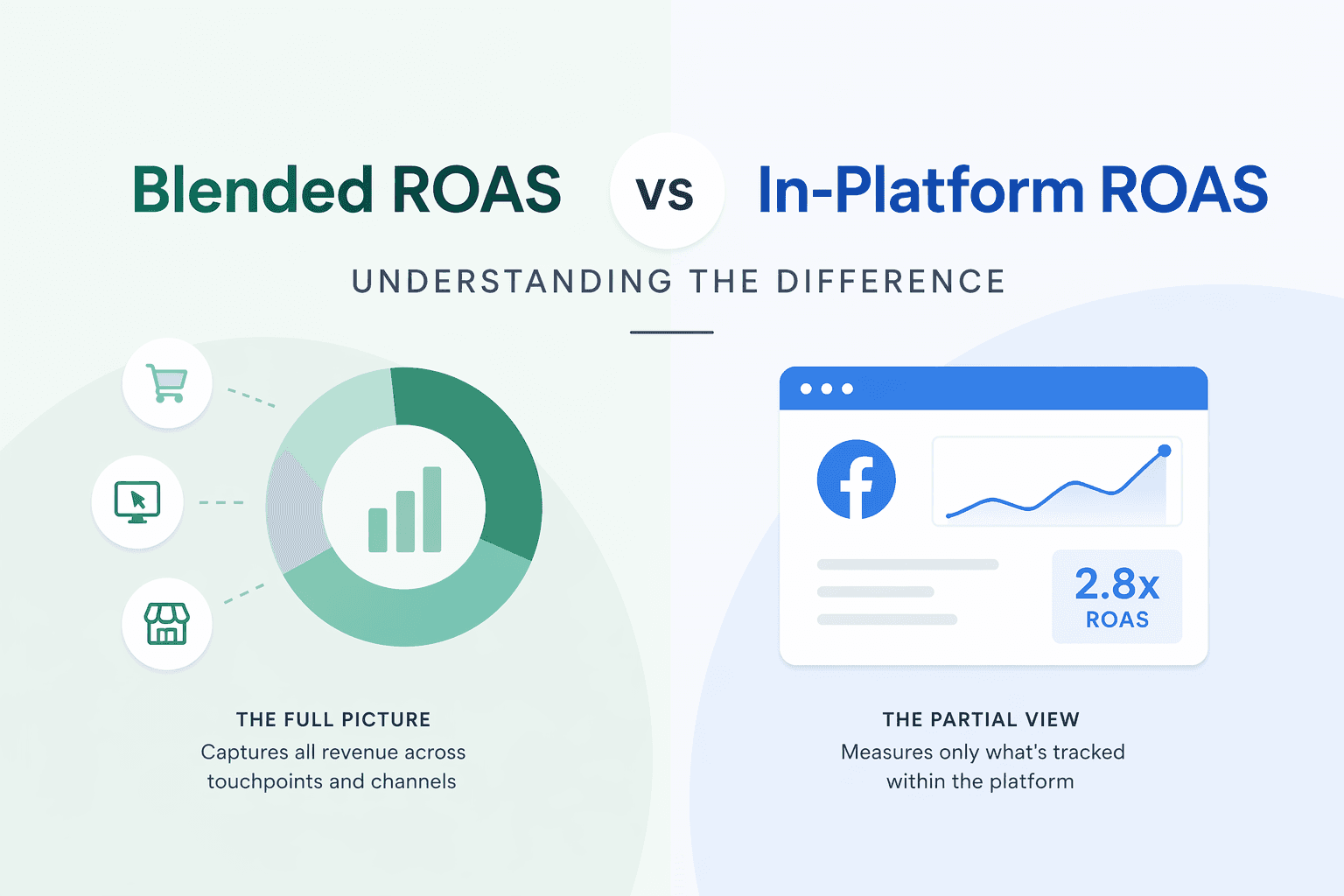
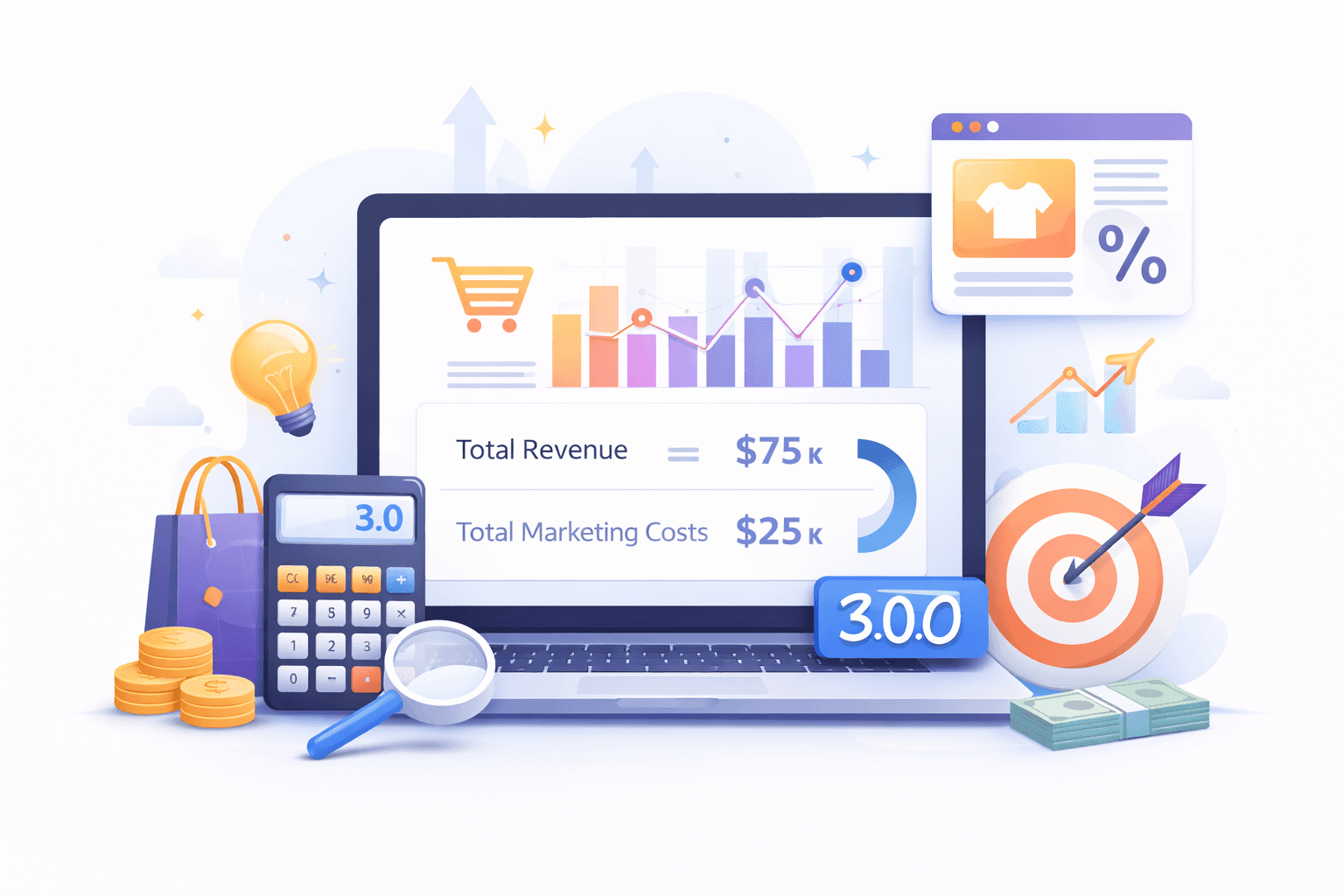
ROAS (Return on Ad Spend) is revenue returned per dollar spent on ads. MER (Marketing Efficiency Ratio) is total revenue divided by total marketing spend.
MER provides a fuller funnel view, while ROAS helps with platform-level decisions. Peak ROAS may dip during scale periods, so total contribution margin matters more than ROAS alone.
First Time Impression Rate and Frequency
First-Time Impression Rate is the percentage of impressions reaching new users. Frequency is how often the same user sees an ad.
If First-Time Impression Rate falls or Frequency spikes during a peak, creative fatigue is likely. Review Meta audience segments to broaden reach. Deploy fresh assets quickly when you see this pattern.
Turning the Four Peaks Theory Into Year Round Revenue With Flighted
Executing a four-peaks strategy requires Paid Media Expertise, Creative Strategy, and Landing Page Design to work together. Not as separate functions handed off between teams, but as one coordinated effort.
Flighted manages Meta Ads at scale and treats creative and landing pages as performance levers, not afterthoughts. If you're looking to build and execute a four-peaks strategy tailored to your brand, book a call to talk through your goals.
FAQs About the Four Peaks Theory
Who created the four peaks theory?
The Four Peaks Theory emerged from DTC operators and e-commerce strategists rather than one single creator. It reflects observed patterns from brands that spread promotional events across four quarters instead of two.
Is the four peaks theory effective for B2B brands or only DTC?
The theory is most commonly used in DTC and e-commerce. However, B2B brands with seasonal buying cycles or event-driven demand can adapt it around quarterly budgets or industry tentpole moments.
How much should brands discount during each peak?
There's no universal discount rate. Offer depth varies by peak. Q4 usually carries the steepest discounts, while earlier peaks rely more on bundles, gifts-with-purchase, or lighter percentage-off offers to protect margin.
Can running four promotional peaks hurt brand perception or margin?
It can if done poorly. Frequent discounting may train customers to wait for sales and weaken full-price demand. Varying offer types and using bundles or value-adds instead of relying only on price cuts helps protect both.
How do brands balance four peaks with always-on paid media?
Always-on campaigns run at maintenance budgets between peaks to keep audiences warm and continue creative testing. Peak periods receive concentrated spend along with peak-specific creative and landing pages.