CPMr Explained: The Meta Ads Metric Most Advertisers Are Ignoring
Paid Media
July 9, 2026

Table Of Contents
Looking for Meta ads support?
We're a small, hardworking, US-based team. Book a call and get a free audit today.
How to Track CPMr in Meta Ads Manager
Meta does not report CPMr natively. You won't find it as a default column in Ads Manager. However, you can access the data needed to calculate it manually.
1. Build a custom metric using CPM and frequency
Create a custom column in Ads Manager that multiplies CPM by frequency. This produces CPMr directly in your reporting view without requiring external spreadsheets.
2. Pull reach and spend into a reporting view
Set up a custom report with spend, reach, impressions, and frequency columns. This allows you to calculate and monitor CPMr over time, spotting trends before they become problems.
3. Segment CPMr by campaign objective and audience
Track CPMr separately for prospecting versus retargeting campaigns. Expected CPMr levels differ significantly between the two objectives, so combining them obscures the signal.
Where CPMr Fits in Your Meta Ads KPI Stack
CPMr is one of several metrics useful for scaling decisions. It doesn't replace other KPIs. Instead, it complements them by providing an upstream signal that predicts when downstream metrics will deteriorate.
First-time impression ratio
First-time impression ratio measures the percentage of impressions shown to users seeing your ad for the first time. It's another reach efficiency signal that correlates with CPMr. When first-time impression ratio drops, CPMr typically rises.
Frequency and reach
Frequency and reach are two native Meta metrics that combine to inform CPMr. The core relationship: high frequency plus flat reach equals rising CPMr. Monitor both to understand what's driving CPMr changes.
CAC and MER
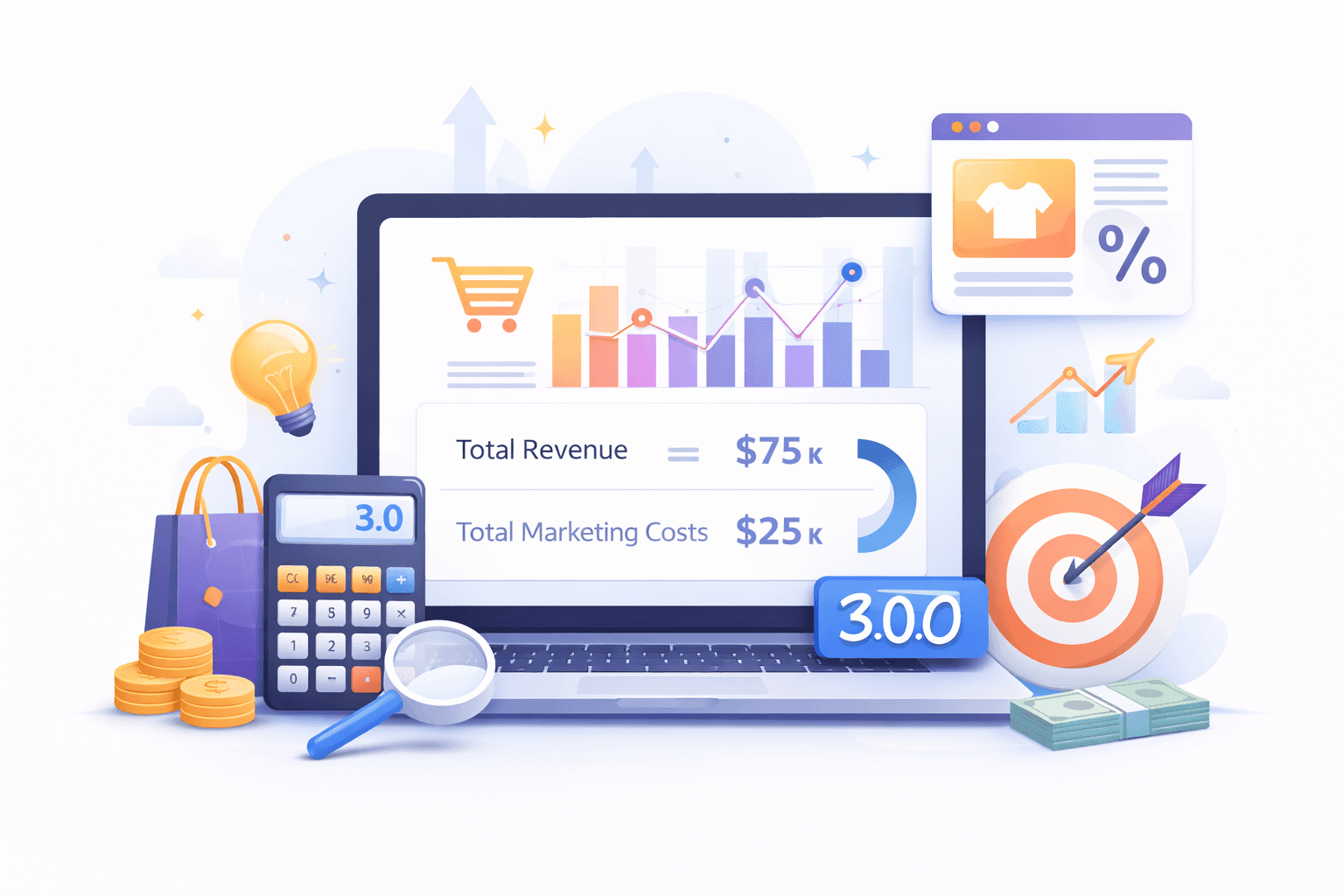
CAC (Customer Acquisition Cost) measures what you pay per new customer. MER (Marketing Efficiency Ratio) measures total revenue divided by total marketing spend. CPMr is a leading indicator. It rises before CAC does, giving you time to act.
ROAS and nCAC
ROAS (Return on Ad Spend) and nCAC (new Customer Acquisition Cost) are lagging indicators. By the time they deteriorate, the problem has already compounded. CPMr predicts when ROAS and nCAC will decline, allowing proactive intervention.
Common Mistakes When Using CPMr on Meta Ads
Even advertisers who track CPMr often misapply it. A few common mistakes undermine the metric's value as an early warning system.
Ignoring CPMr in retargeting campaigns
Retargeting naturally has higher frequency, but CPMr still matters. Extremely high CPMr in retargeting signals audience pool exhaustion. You've saturated your retargeting audience and continued spend yields diminishing returns.
Treating a low CPM as a low CPMr
A low CPM with high frequency means an expensive CPMr. This is a common blind spot that leads advertisers to believe performance is healthy when reach efficiency has already collapsed.
Comparing CPMr across different audience sizes
Smaller audiences naturally hit frequency caps faster. Comparing CPMr between a broad prospecting audience and a narrow custom audience is misleading. The smaller audience will always show higher CPMr, and that's expected.
Turn CPMr Into Profitable Meta Ads Scale With Flighted
Monitoring CPMr is one piece of a larger scaling system. At Flighted, we operationalize leading indicators like CPMr within a framework that connects Paid Media Expertise, Creative Strategy, and Landing Page Design.
Our Paid Media team monitors CPMr alongside other upstream metrics to catch scaling problems before they hit CPA. Our Creative team runs proactive refresh cycles, introducing new variants before CPMr spikes rather than after. And our Landing Page work ensures that reach efficiency actually converts, so improved CPMr translates to improved revenue.
Better creative extends the life of your CPMr efficiency. Better landing pages convert that efficiency into sales. Better media buying catches the signals that tell you when to act.
FAQs About CPMr in Meta Ads
What does CPMr stand for in Meta ads?
CPMr stands for Cost Per Mille Reached. It measures the cost to reach 1,000 unique users rather than simply delivering 1,000 impressions.
Is a $20 CPM considered high on Meta ads?
Whether a CPM is high depends on your vertical, audience, and campaign objective. What matters more is how CPM compares to your CPMr, which reveals true reach efficiency.
What does $10 CPM mean in Meta ads?
A $10 CPM means you pay $10 for every 1,000 times your ad is displayed. However, this doesn't tell you how many unique people you reached. Only CPMr reveals that.
Does Meta report CPMr natively in Ads Manager?
No. You calculate CPMr manually by multiplying CPM by frequency, or by dividing spend by reach and multiplying by 1,000.
Should you optimize for reach or impressions on Meta ads?
Optimizing for reach prioritizes unique users while impressions may show your ad to the same people repeatedly. Monitoring CPMr helps you evaluate whether your impression spend is efficiently expanding your audience.